
What is the Fastest You Can Plan a Wedding? Tips for Last-Minute Success
Planning a wedding can feel overwhelming, especially if you’re short on time. If life has thrown you a curveball, or if you simply can’t wait to say “I do,” you might be wondering just how fast you can pull everything together. You can plan a simple wedding in as little as six weeks, but a quick wedding can be achieved in just a few days if you’re ready to streamline your choices.
To make it happen, focus on what matters most to you. Prioritize the essential details like your venue, guest list, and officiant. When you cut down on extras, you create a clear wedding planning timeline that helps you stay organized and efficient.
There are plenty of tips and tricks to ensure your big day goes smoothly, even with a fast wedding.
Whether you’re rushing due to a job change or just eager to marry, it’s all about being flexible and realistic with your choices. With the right planning approach, your quick wedding can be just as memorable as one planned over months.
Setting the Date and Venue
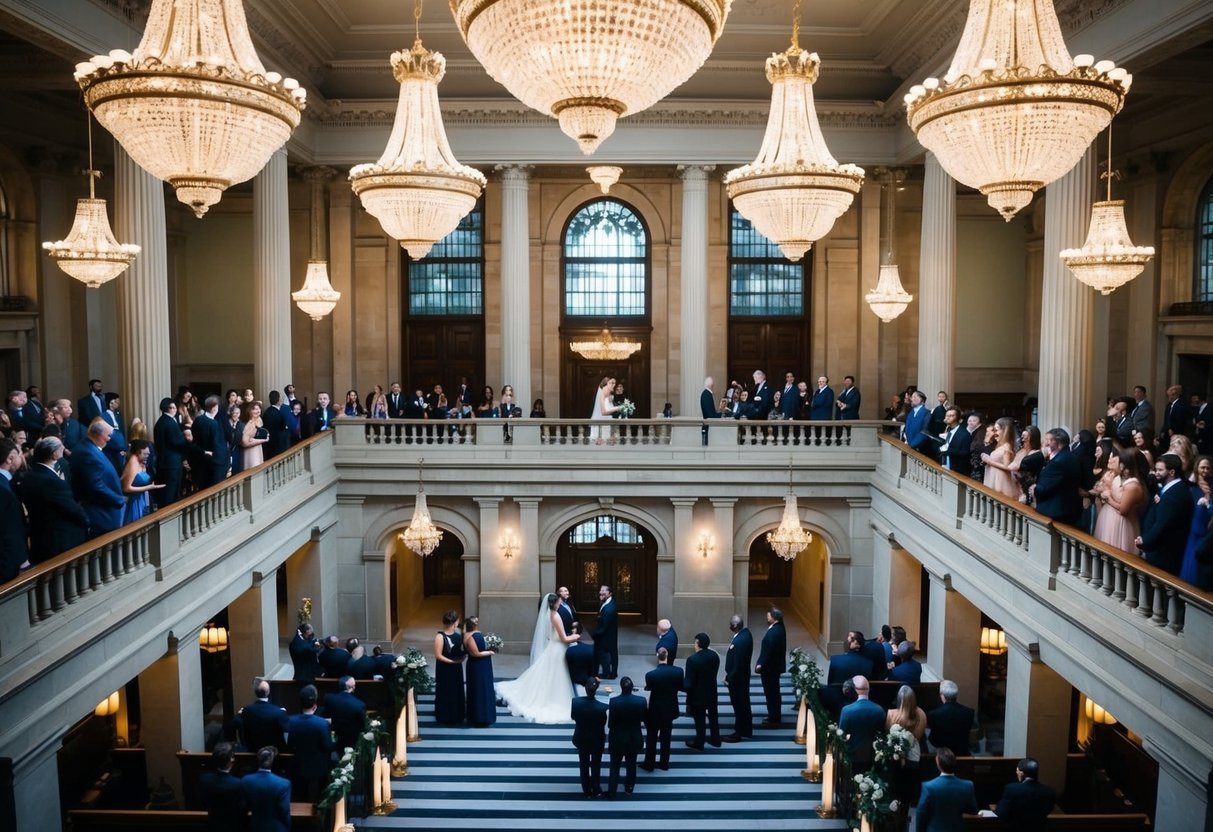
Choosing your wedding date and venue is one of the most exciting steps in planning your big day. These decisions can shape your entire wedding experience, from the theme to the guest list. Here are some key aspects to consider.
Choosing the Right Wedding Date
When it comes to selecting your wedding date, think about the season you love most. Spring and fall are often popular for their pleasant weather.
Check important dates, like holidays or family events, to avoid conflicts. If your heart is set on a specific venue or vendor, consider their availability.
Having flexibility can help you find the ideal date. It’s wise to book your date at least 12 to 18 months in advance to give yourself time for planning.
Selecting the Perfect Venue
Finding the right venue can set the mood for your entire celebration. Start by deciding if you want a traditional venue, like a chapel, or a unique spot such as a beach for a destination wedding.
Consider how many guests you plan to invite. This will help narrow down your options.
Visit potential venues to get a feel for the space. Ask about packages, including reception site options and available dates.
This is also a good time to discuss whether the venue provides services like catering or décor. Choosing the perfect venue early on can make the planning process smoother.
Managing the Essentials
When you’re planning a wedding quickly, managing essential components is key. You’ll want to focus on your budget, guest list, and securing a marriage license. Each of these areas requires careful attention to make the process smooth and efficient.
Creating a Budget
Start by defining how much you can spend on your wedding. This budget will guide your decisions and choices. Consider all expenses, including venue, catering, attire, and decor.
Create a simple table to help you outline each item:
| Expense | Estimated Cost |
|---|---|
| Venue | $___ |
| Catering | $___ |
| Attire | $___ |
| Photographer | $___ |
Make sure to include a buffer for unexpected costs. A wedding coordinator or planner can help keep you on track!
Compiling the Guest List
Next, create your guest list. Start with family and close friends. Include parents and anyone else who must be there.
Use a document or spreadsheet to organize names. Here’s a simple structure:
| Name | Contact Info | RSVP |
|---|---|---|
| Person A | Phone/Email | Yes/No |
| Person B | Phone/Email | Yes/No |
Aim to keep the list manageable if time is tight. As you confirm guests, track RSVPs. This will help when finalizing catering and seating arrangements.
Securing a Marriage License
Don’t forget to secure your marriage license! Check local requirements as they vary by location. Some areas require waiting periods, while others allow for same-day services.
Gather necessary documents such as IDs and any previous marriage dissolution papers. Visit your local office or website for details about fees and processing times. Allow time for this important step in your planning.
Details and Preparations
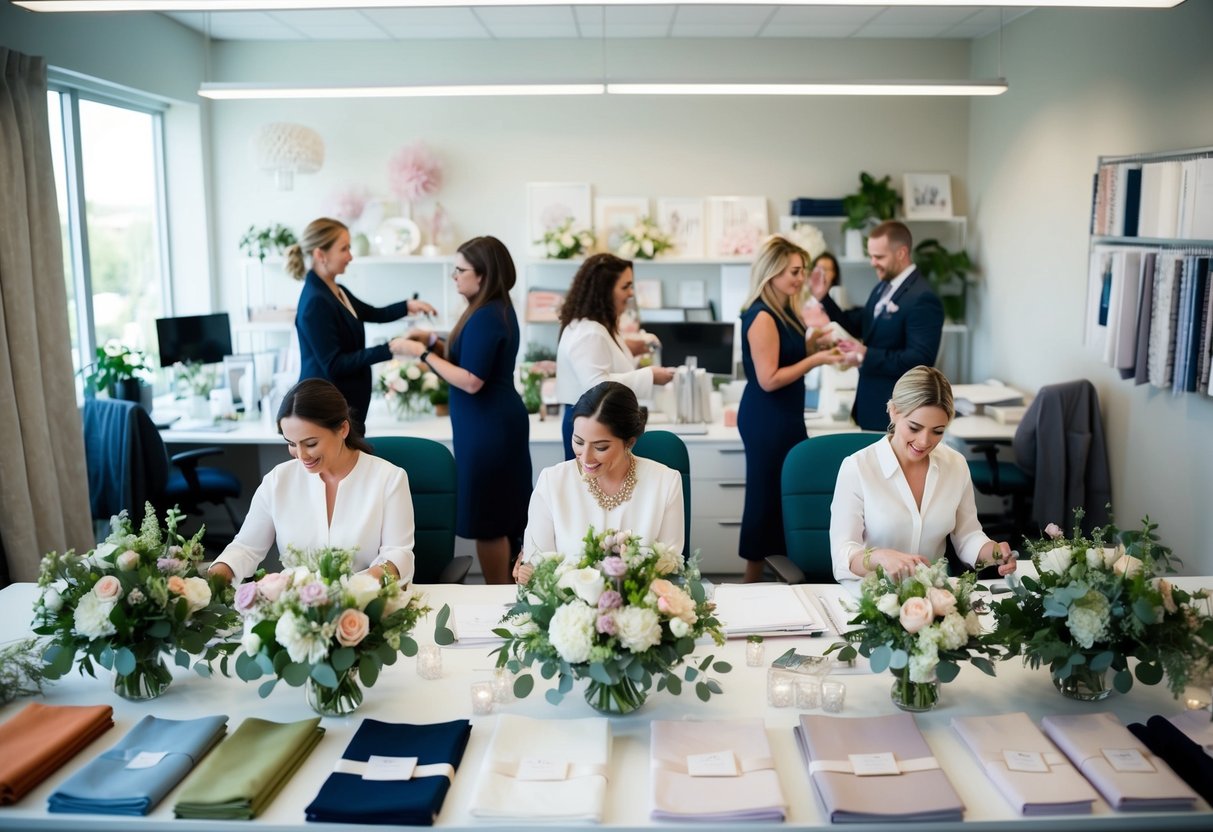
Planning your wedding quickly involves paying attention to key details and preparations. Make sure you have a clear plan for attire, vendor coordination, and invitations to ensure everything runs smoothly.
Wedding Attire and Trials
Choosing your wedding attire can be fun but requires quick decision-making. Start by selecting a style for your wedding dress or gown. Try to visit boutiques that offer rush orders if needed.
Consider booking a makeup trial and hair trial as soon as possible. This helps you visualize your look on the big day. Schedule these appointments back-to-back to save time.
If you have friends or family nearby, ask them to accompany you for additional opinions. You might also want to explore online options for customized dresses or rental gowns to speed up the process.
Vendor and Catering Coordination
Finding vendors is crucial for a fast wedding. Search for those who can accommodate short timelines. This includes photographers, florists, and DJs who have availability.
For catering, prioritize menu tastings early in your planning. Arrange for cake tastings at local bakeries to choose your wedding cake quickly.
Consider pre-set menu options to make decisions simpler. It’s helpful to have a list of preferred vendors who can provide multiple services to streamline the coordination process.
Invitations and Accommodations
Invitations are essential even when you’re in a rush. Start with quick-save-the-date options, like electronic invitations. Websites allow you to send these fast and get RSVPs online.
When you finalize your guest list, create a hotel room block for out-of-town guests. This keeps everyone together and allows for easy accommodations.
Choosing a simple design for your invitations will save time. Aim to send physical invitations early, using a reliable printing service that can meet tight deadlines.
Final Touches
As your big day approaches, it’s time to focus on the essential final touches that make your wedding memorable. From planning the ceremony to coordinating the event day, these details are crucial for a smooth celebration.
Planning the Ceremony
Begin by finalizing your wedding ceremony details. Make sure your officiant is confirmed and knows the schedule. If you have specific vows or readings, share them ahead of time to avoid confusion.
Next, think about your seating chart. This helps guests know where to sit. You can create a simple chart or use escort cards that guide guests to their designated tables. Don’t forget to send out your invitations, and consider a digital option for quicker responses.
Lastly, if you’re planning an engagement shoot or a bachelorette party, now is the time to set those dates, too. These events can add personal touches and help create memories leading up to your wedding.
Coordinating the Day of the Event
On the day of the event, you want everything to go smoothly. Create a detailed wedding day timeline. It should include when vendors arrive, when the ceremony starts, and any special moments you want to capture.
Ask friends or family for help. Assign a reliable person to handle any last-minute issues. This could be someone who can ensure the wedding party is ready and on schedule.
Consider your weekend events leading to the wedding, like the rehearsal dinner. Make sure guests have the timing and location information. With everyone in the loop, you can relax and enjoy your special day.