
What is the Gender Neutral Term for Best Man? Alternatives for Modern Weddings
Choosing the right words for your wedding can make a big difference in creating an inclusive atmosphere. You may wonder what to call the person who traditionally takes on the role of “best man.” A great gender-neutral term for best man is “Best Person” or “Person of Honor.” These terms ensure that everyone feels included, regardless of gender.
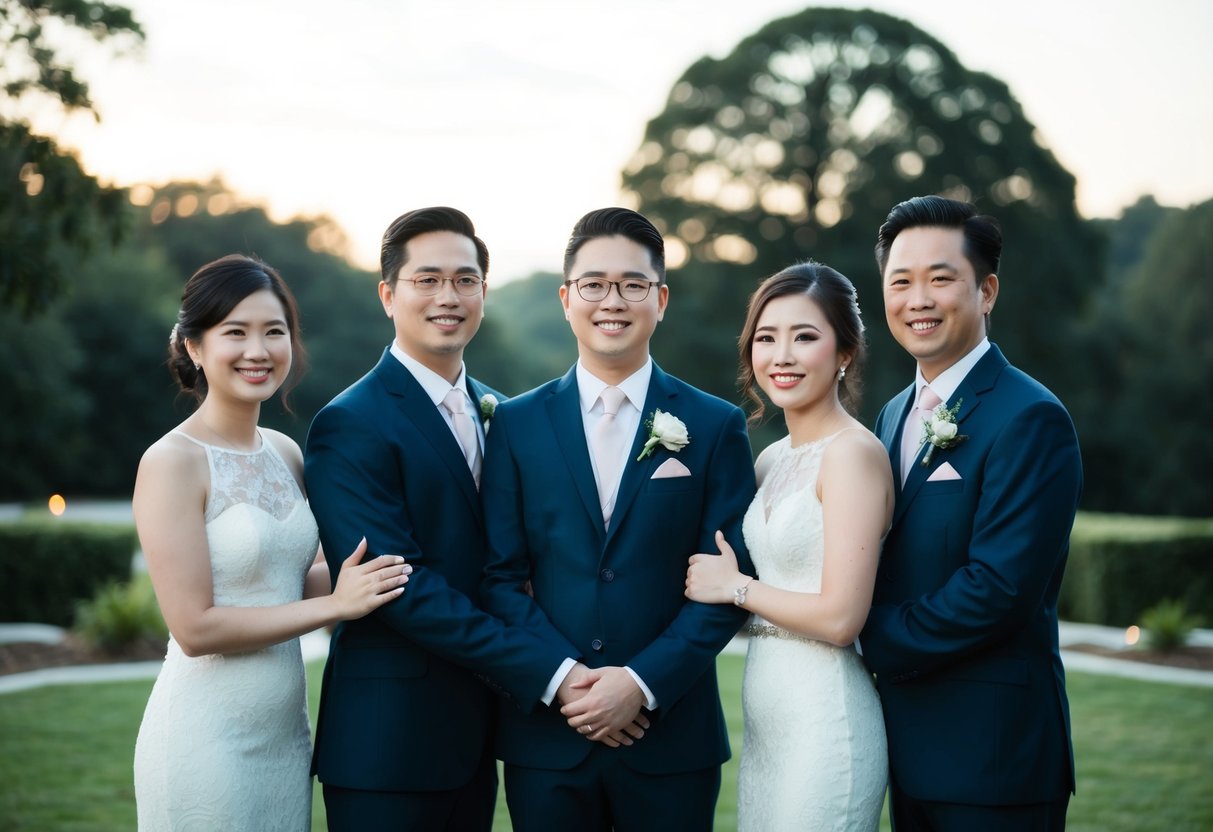
Using gender-neutral terms is an important step towards embracing inclusive language for your wedding party. Whether you’re planning a ceremony with your partner or simply want to celebrate in a way that respects everyone’s identity, selecting the right language can enhance the experience for all attendees.
As you plan your special day, keep in mind that options like “Best Person” can help you personalize your ceremony and reflect the values you and your partner hold dear. Embracing these terms allows you to honor your loved ones while ensuring that the language used aligns with everyone’s identities.
Understanding Gender-Neutral Terms in Weddings
Using gender-neutral terms in weddings helps create a more inclusive atmosphere. It allows everyone to feel welcome and represented, regardless of their gender identity.
When you plan your wedding, consider replacing traditional gendered terms with gender-neutral ones. This small change can make a big difference in how your celebration feels.
For example, instead of “best man,” you can use Best Person or Person of Honor. These terms are just as meaningful and convey the same support without assuming gender.
Here are some other common gender-neutral terms you might use:
- Bride and Groom can change to Couple or Partners.
- Maid of Honor could become Honor Attendant.
- Bridal Party can be referred to as the Wedding Party.
When sending out invitations, include names or pronouns that reflect your choices. This shows your commitment to inclusivity.
Adopting gender-neutral wedding terms is simple and effective. It allows you and your partner to personalize your event while recognizing and valuing diversity in your loved ones.
As society evolves, so should wedding planning. Embracing inclusivity through language is one positive step you can take to create a more welcoming celebration.
Roles and Titles in a Gender-Neutral Wedding
In today’s weddings, it’s important to acknowledge everyone’s identity and preferences. Using gender-neutral titles allows you to honor all members of your wedding party, making the day feel inclusive and welcoming.
The Best Person or Person of Honor
Instead of the traditional “best man,” you can choose the title “best person” or “person of honor.” This title works for anyone, regardless of gender. It keeps the role significant but removes the gender implication.
This title can be used for a close friend or family member who stands by your side. Whether they help plan or support you on your special day, it emphasizes their importance in your life without focusing on gender.
Beyond the ‘Best Man’: Options for Every Role
When considering other roles, you have many choices. For example, the “maid of honor” can become the “person of honor” as well.
You might also consider “man of honor” or “best woman” for those roles. Each title maintains the same responsibilities but removes the gender specifics.
Think about unique titles, such as “marrier” or “wedding team lead,” for the couple’s shared experience. Whatever titles you choose, make sure they reflect your values and the connections with your friends and family.
Planning a Gender-Neutral Ceremony

Creating a gender-neutral wedding ceremony can make your special day more inclusive. It’s important to choose language and traditions that welcome all identities and ensure everyone feels represented.
Selecting Inclusive Language for Your Big Day
Language sets the tone for your ceremony. Instead of using “bride” and “groom,” consider terms like “couple” or simply use your own names. This makes everyone feel included.
When choosing roles for your wedding party, think of alternatives such as “Best Person” instead of “Best Man” or “Maid of Honor.” These terms respect nonbinary identities while still honoring your closest friends.
During the ceremony, ensure your celebrant uses inclusive terms throughout. For example, instead of saying “husband and wife,” they could say “partners” or “newlyweds.” This will create a welcoming atmosphere for all your guests.
Key Considerations for Celebrating All Identities
Inclusivity is key in planning a gender-neutral ceremony. Start by discussing with your partner what traditions feel right for both of you. It might include modifying certain customs or completely changing them.
Make practical decisions, like offering gender-neutral restrooms at your venue. This small step shows consideration for all identities.
Think about representation in your decorations and programs. Use symbols that connect with various gender identities.
Finally, communicate with your guests ahead of time. Let them know what to expect, so everyone feels comfortable. This openness will help create a joyful and accepting space for your celebration.
Common Gender-Neutral Terms in Relationships
When looking for gender-neutral terms, you should consider alternatives that work for everyone. Here are some common terms you can use:
- Significant Other: This is a great option for your partner, regardless of gender.
- Spouse: A simple way to refer to your married partner without needing gendered language.
For family relationships, consider these options:
- Sibling: Use this for brothers and sisters alike.
- Parent: A neutral way to talk about your mom or dad.
- Pibling: A sweet mix of “parent’s sibling,” replacing uncle or aunt.
- Nibling: A term for your niece or nephew.
When talking about children, you can use:
- Child: Refers to your son or daughter.
- Grandchild: A word for your grandkid, no matter if it’s a boy or girl.
If you want terms for romantic relationships, here are some to keep in mind:
- Fiancé/Fiancée: Used for someone you will marry, but many just use Fiancé.
- Lover: A warm, affectionate word for your romantic partner.
These terms let you communicate easily and include everyone in your conversations. Finding language that respects all identities makes discussions about relationships more inclusive and kind.