
What Is the Groom Supposed to Wear? A Guide to Stylish Wedding Attire
As the big day approaches, you might be wondering what the groom is supposed to wear. The groom should choose attire that reflects his personal style while also fitting the overall theme of the wedding.
Whether it’s a classic black tuxedo for a formal event or a light suit for a beach ceremony, the outfit should complement the wedding venue and vibe.
When planning your look, think about the season and location of the wedding. For example, lighter fabrics and colors work well for summer outdoor weddings, while richer tones and heavier materials are ideal for winter celebrations.
Don’t forget to consider how your attire should align with the groomsmen’s outfits, ensuring a cohesive look for the entire party.
Selecting the right accessories can elevate your ensemble. From ties and pocket squares to shoes and cufflinks, these details play a crucial role in completing your look.
Pay attention to how these elements express your personality while coordinating with the wedding’s theme, helping you stand out on your special day.
Understanding Wedding Attire Codes
Wedding attire codes are essential for setting the tone of your special day. Knowing what to wear helps you look your best and respects the formality of the event. Here’s a breakdown of what each dress code means for you as the groom.
Decoding the Dress Code
Dress codes can vary from one wedding to another. They guide you in choosing the right outfit. Here are some common dress codes and what they mean:
- Black Tie: Expect a formal affair. You should wear a tuxedo, a formal white shirt, a black bow tie, and polished shoes.
- White Tie: This is the most formal. A tailcoat, white bow tie, and waistcoat are necessary.
- Semi-Formal: A dark suit and tie work here. You can wear lighter colors if it’s a daytime wedding.
- Casual Wedding: Comfort is key. A nice shirt with dress pants is perfect.
- Dressy Casual: This leans slightly more formal than casual. A blazer paired with nice chinos or slacks can work well.
Tie and Bow Tie Selections
Choosing between a tie and a bow tie can reflect your personal style and the wedding’s dress code. Here’s what to consider:
- Bow Ties are typical for black tie and formal events. They add a classic and sophisticated touch.
- Neckties can be worn for semi-formal or dressy casual weddings. Choose a tie that complements your outfit without overpowering it.
- Pre-tied vs. Self-tie: A pre-tied bow tie is simple, while a self-tie adds a personal touch and can be more stylish.
- Don’t forget to consider colors and patterns. A pop of color can be fun, but make sure it aligns with the wedding theme.
Levels of Formality for Groom Attire
Understanding the levels of formality helps you make the right choice for your attire. Here’s a quick overview:
- Black Tie Attire: Tuxedos are mandatory. Accessories are often limited to what traditionally complements this formal look.
- Semi-Formal: A good suit is your best bet. You can play with textures, colors, and some stylish shoes.
- Cocktail Attire: Creative styling is allowed here. You might choose a modern suit with a stylish pocket square or fun socks.
- Dressy Casual: Here, you can relax a bit. Combine dress pants with a smart shirt and optional blazer.
Essential Components of Groom Wear
Choosing the right attire for your wedding day is vital. You want to feel confident and stylish while fitting the occasion. Here are the essential components to consider for your groom wear.
Suit and Tuxedo Differences
Understanding the differences between a suit and a tuxedo is key to making your choice. A suit is generally less formal and comes in various styles and fabrics. It often includes a jacket and slacks.
In contrast, a tuxedo features satin lapels and is typically worn with a bow tie. Tuxedos are often reserved for more formal weddings. If you’re unsure, a good rule is to match the wedding’s dress code. For example, if it’s a black-tie event, opt for a tuxedo.
Shirt and Jacket Choices
The shirt and jacket are crucial elements of your outfit. A classic dress shirt is often white or light-colored, but you can choose other shades or patterns to express your style. Look for a shirt that fits well and is comfortable.
When it comes to jackets, you can choose between a blazer or a more tailored suit jacket. Blazers offer a slightly relaxed look, making them perfect for less formal weddings or outdoor settings. A three-piece suit, which includes a vest, adds a touch of elegance if you’re aiming for a polished look.
Pants and Footwear Basics
Selecting the right pants and footwear completes your wedding outfit. For pants, slacks that match your jacket are typically recommended. Ensure that the fit is right for mobility and comfort.
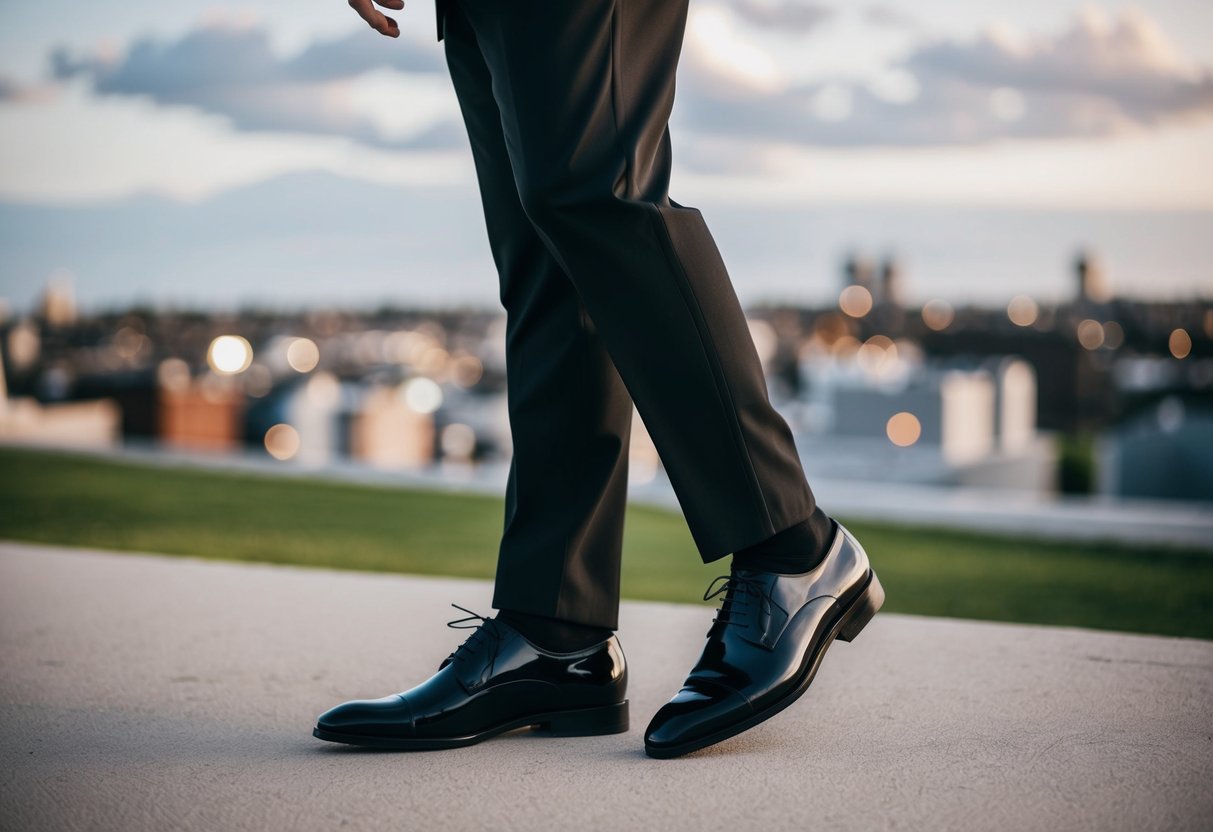
Footwear is equally important. Patent leather shoes are a classic choice for tuxedos and add a formal touch. For suits, you might opt for leather shoes in black or brown, depending on your color scheme.
Don’t forget about ties and bow ties, as these can elevate your look significantly. Choose one that complements your outfit and the wedding theme.
Accessorizing the Groom’s Look
When it comes to accessorizing your wedding attire, the right details can enhance your overall appearance. You want to choose pieces that not only look great but also complement the style and theme of your wedding.
Selecting Matching Accessories
Your accessories should create a cohesive look without overpowering your outfit. Start with the tie or bowtie. It’s important for your choice to stand out while still coordinating with your groomsmen.
If your groomsmen are wearing matching ties, consider wearing a different style or color. Using one accent color can tie your look together.
Think about coordinating your accessories, like cufflinks or tie clips, with your partner’s wedding colors.
Additionally, suspenders can add a stylish touch while also matching your groomsmen’s attire.
Pocket Squares and Boutonnieres
A pocket square can enhance your look significantly. Choose a color or pattern that complements your suit and ties. For a classic look, consider a white or cream pocket square. For a more extravagant flair, you can use a patterned or colorful one that matches your wedding theme.
A boutonniere is another essential accessory. It should reflect your wedding colors and can be something personal, like your favorite flower or a unique design. Make sure it is pinned correctly on your jacket’s lapel.
These small details can really add personality to your wedding day look.
The Role of Groomsmen in Groom’s Style
Your groomsmen play a key role in your wedding’s overall look. Their attire should complement yours while allowing you to stand out. If you choose a different style for your suit, ensure the groomsmen’s outfits coordinate with yours.
For instance, if you wear a tuxedo, your groomsmen can don matching suits or go for lighter fabrics, like linen, if you prefer a more casual atmosphere.
Matching ties or pocket squares with your groomsmen can create a unified appearance. The best man can have a slightly different accessory, giving him a standout feature while still maintaining harmony with the wedding party’s style.
Tailoring to Fit Theme and Venue
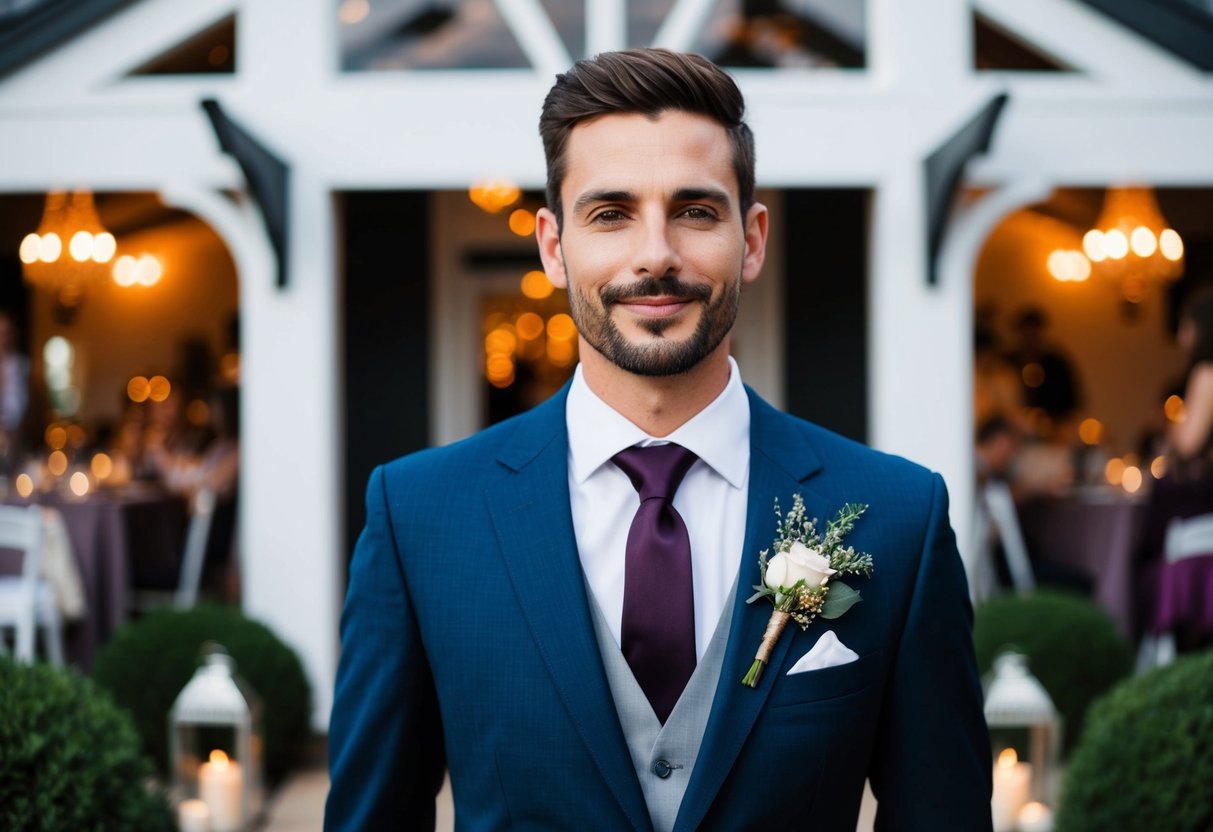
Choosing the right groom attire is crucial for matching the wedding’s theme and venue. Your outfit should align with the event’s formality and season, helping you feel comfortable and stylish.
Seasonal and Destination Wedding Considerations
When planning your look, think about the season and type of wedding. For summer weddings, lightweight fabrics like linen or cotton can keep you cool. You might select a light-colored suit that fits a more casual or semi-formal setting.
For destination weddings, consider fabrics that travel well. A custom suit often allows for easy adjustments based on the weather. If the wedding is in a tropical location, opt for breathable materials. In colder months, heavier fabrics like wool will provide warmth while still looking sharp.
Key tips:
- Summer: Light colors and breathable fabrics.
- Winter: Darker colors and heavier materials.
- Casual: Suits or tailored separates according to the venue.
Choosing Colors to Match Wedding Palette
Color plays a big role in your attire. Matching your suit to the wedding colors creates a cohesive look.
Pay attention to the color palette chosen by the couple.
For formal weddings, darker suits such as navy or charcoal can blend well with elegant themes. In contrast, for casual weddings, lighter and brighter colors add a festive touch.
Also, consider how the colors complement the venue. If it’s a rustic barn, earth tones or pastel shades can blend beautifully.
Discuss options with your fiancée to ensure your wedding suit enhances the overall style.
Color coordination tips:
- Formal: Dark shades like black, navy.
- Casual: Light or bright shades.
- Rustic venues: Earth tones or pastels.