
What Is the Groom’s Mother Responsible For? A Guide to Her Role in Wedding Planning
As the mother of the groom, you play an essential role in the wedding journey. Your responsibilities can include planning the rehearsal dinner, creating the guest list for your side, and ensuring that everything runs smoothly on the wedding day. This role can be both exciting and a bit daunting, but knowing what to expect can help you feel more confident.

Many people think that the bride’s family does most of the planning, while the groom’s family stays in the background. However, your involvement has become more prominent in modern weddings. You might also be asked to offer suggestions for vendors and help manage the seating arrangements. Keeping open communication with the couple can ensure you fulfill your duties effectively.
Understanding your role can make this time more enjoyable for you and your family. It’s all about balancing support for the couple while also enjoying the celebrations yourself. Remember that your contribution is valuable and helps make the day memorable.
Pre-Wedding Responsibilities
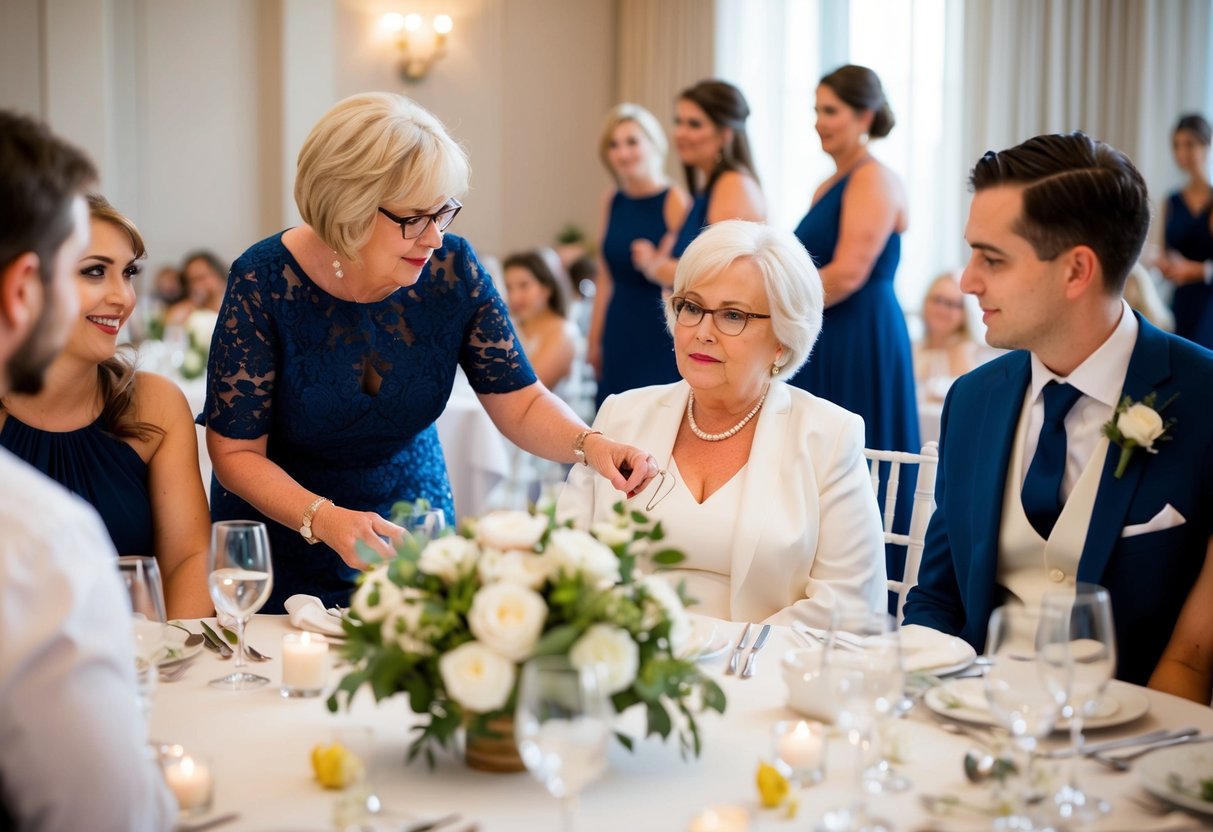
As the groom’s mother, your role in the pre-wedding phase is vital. You will be involved in several events and tasks that support the couple while honoring family traditions. Here are the key areas where you can contribute.
Bridal Shower Participation
Attending and participating in the bridal shower is an important duty. This event allows you to connect with the bride’s family and friends. It’s an opportunity to show your support and build relationships.
You may also help the bride’s family plan the shower. Offer your ideas for games, themes, or venues that reflect the couple’s personalities. If you enjoy baking or cooking, consider bringing a dish or dessert to share.
Gifting at the bridal shower is also common. Think about what the bride likes and what she might need. You could choose something personal or meaningful that fits her style.
Assisting with the Guest List
Helping with the wedding guest list is another significant responsibility. Typically, you gather names of family and friends of the groom who should be included.
It’s essential to communicate with the bride and her family about this list. Make sure everyone is on the same page regarding the number of guests, so the wedding planning stays organized.
Creating a list can also be a time to connect with family traditions. Consider inviting relatives who may not often gather for social events.
Engagement Party Contributions
The engagement party is a fun way to celebrate the couple. You can help organize this event, from selecting a venue to deciding on the guest list.
As the groom’s mother, you may host the party or assist the bride’s family in planning it. The engagement party typically includes close friends and family, fostering a sense of community.
Think about any wedding gifts you might want to arrange, like a small keepsake for the couple. You could also suggest activities or games to enhance the celebration and make it memorable.
Each of these responsibilities allows you to play a significant role in supporting the couple as they prepare for their new life together.
Financial and Planning Duties

As the mother of the groom, you have important responsibilities when it comes to finances and planning for the wedding. Your role includes managing specific wedding costs, coordinating the rehearsal dinner, and ensuring transportation runs smoothly on the wedding day.
Handling Specific Wedding Costs
You may be responsible for various wedding expenses. Common costs for the groom’s family include the rings, especially if you want to help with the bride’s rings as well.
Additionally, you might pay for the officiant’s fee, which can vary based on the type of ceremony. It’s also important to discuss how costs for the reception alcohol will be handled, as this can be a significant part of the wedding budget. Be sure to communicate with the couple about financial responsibilities to ensure everyone is on the same page.
Coordinating the Rehearsal Dinner
Hosting the rehearsal dinner can be an enjoyable and stress-free event if planned well. This dinner often takes place the night before the wedding and allows both families to get to know each other better.
As the host, you can select a venue that fits your budget and style. Decide on the menu, considering any dietary restrictions of guests. You’ll also want to send out invitations to family members and close friends to ensure they attend this important event.
If you have a co-host, you can share the responsibilities to lighten the load and make it a fun experience for everyone involved.
Wedding Day Transportation
On the big day, coordinating transportation is key to keeping everything on schedule. This includes arranging rides for the wedding party and important family members.
You might need to book limousines or other vehicles to ensure everyone arrives on time. Make a checklist of who needs transportation and confirm with the service provider a few days before the wedding.
Also, have a plan to transport items like decorations or flowers to the venue. Clear communication will help ensure all aspects of transportation are taken care of smoothly, allowing everyone to focus on enjoying the celebration.
Ceremony and Reception Roles
During the wedding ceremony and reception, the groom’s mother plays several key roles. These responsibilities help ensure that the day runs smoothly and that guests feel welcomed and included.
The Receiving Line and Guest Welcoming
One important duty is being part of the receiving line. You should greet each guest as they arrive. This sets a friendly tone for the event and shows your appreciation for their presence. Make sure to smile and engage in light conversation.
You may also want to help direct guests during the ceremony. Ensure everyone knows where to sit and answer any questions they might have. Guest welcoming is an important part of wedding etiquette, and your warm presence will make a big difference.
Corsages and Boutonnieres Management
Managing corsages and boutonnieres is another vital task. You need to ensure that all important family members receive their flowers before the ceremony starts. These floral accessories add a special touch to the day.
Typically, you will oversee the distribution of these items. Make a list of who gets what, including the groom’s parents, bridesmaids, and grandmothers. This attention to detail helps maintain traditions for the ceremony and enhances the overall look of the wedding party.
Socializing with Guests
Socializing with guests at the reception is crucial. You should make your rounds and connect with friends and family, especially future in-laws. This time allows you to strengthen relationships and celebrate together.
It’s important to check in with those who may not know many people. Introduce guests to each other and create a friendly atmosphere. Don’t forget to partake in the entertainment and enjoy the celebration! This is an excellent opportunity to share in the joy of the occasion while making everyone feel included.
After the Wedding

After the wedding day, your involvement continues. There are important tasks to manage, along with any financial details that may still need your attention. Here’s what you should focus on to wrap everything up smoothly.
Managing Post-Wedding Tasks
Once the wedding festivities are over, your responsibilities shift to post-wedding tasks. One key task is to ensure all guests get to enjoy their honeymoon. Confirm that accommodations are settled and transportation is organized for the wedding party.
Next, make sure to send out thank-you notes. These should go to everyone who gave gifts or attended, expressing your gratitude. A good tip is to encourage the groom to help with these notes to lessen the load on you.
Keep track of any remaining RSVPs from people who may not have responded before the big day. This can help in understanding final guest counts for future gatherings.
Handling Any Remaining Financial Details
After the wedding, you’ll want to finalize all financial matters. Start by reviewing wedding costs to ensure everything is settled.
This includes checking invoices for services like catering or decorations. If you covered any expenses, make a list and discuss them with your son and his partner.
Consider how to share any financial responsibilities fairly.
Don’t forget about wedding party gifts. Confirm that everyone received their tokens of appreciation. This is a nice gesture that shows your gratitude to those who supported the couple.
Lastly, maintain good communication with your family about any remaining financial commitments. That way, everyone stays on the same page.