
What Is the Here Comes the Bride Song Called? Exploring Its Meaning and History
When you think of weddings, one song often comes to mind: “Here Comes the Bride.” This iconic piece, officially known as the “Bridal Chorus,” is traditionally played during wedding ceremonies as the bride walks down the aisle. Composed by Richard Wagner in 1850 for his opera Lohengrin, this melody has become a staple in wedding traditions throughout the Western world.
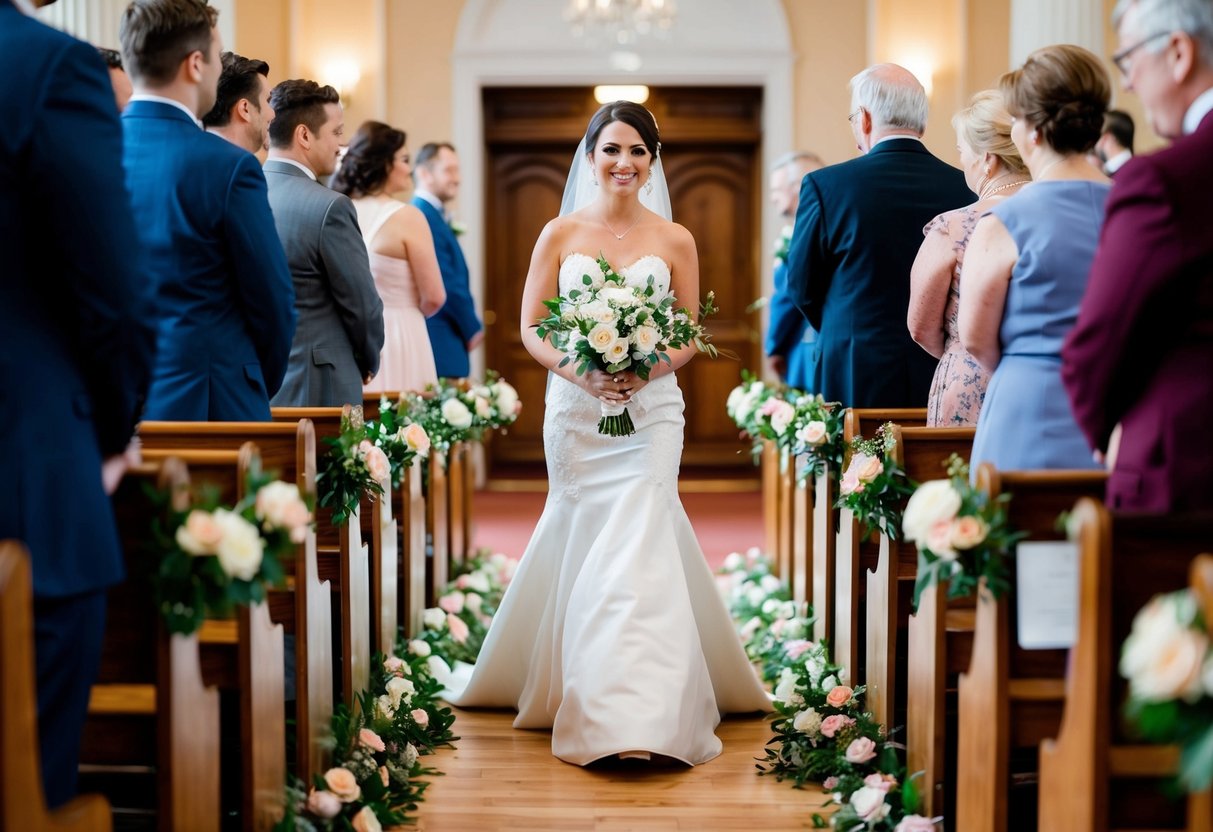
You might be surprised to learn that the name “Here Comes the Bride” is what many people use to refer to this special tune, even though its original title is the “Bridal Chorus.” This enchanting piece not only sets a romantic tone for the ceremony, but it also marks an important moment in your journey as a couple.
Understanding the history behind this beloved wedding song can make your ceremony even more meaningful. You’ll discover how this piece of music connects generations of couples and continues to be a symbol of love and commitment.
Origins and Composer
The song commonly known as “Here Comes the Bride” has rich roots in an opera that enhances its emotional weight. Understanding its origin and the composer behind it reveals much about its cultural significance today.
The Opera ‘Lohengrin’
“Here Comes the Bride” is formally called the Bridal Chorus and comes from the opera Lohengrin, written in 1850. In this opera, the song plays during a significant moment when the bride, Elsa, is escorted.
The chorus signifies love and unity, marking a key transition in the ceremony. The emotional depth of the music perfectly captures the feelings of love and hope that accompany a wedding.
This piece was first staged in Weimar, Germany, and became popular in Europe. Its transition to America occurred in the late 19th century, quickly gaining traction as a wedding staple.
Richard Wagner’s Influence
Richard Wagner, the composer of Lohengrin, greatly impacted the world of music and opera. He had a unique ability to blend music with storytelling. His works often explored themes of love, destiny, and heroism.
Wagner’s musical style emphasized emotion through powerful orchestration. This influence is evident in the Bridal Chorus, where the melody creates a grand and uplifting atmosphere.
His approach not only shaped the operatic landscape but also enriched wedding traditions. The chorus became a universal symbol of love and celebration, resonating with couples worldwide.
Cultural and Historical Significance
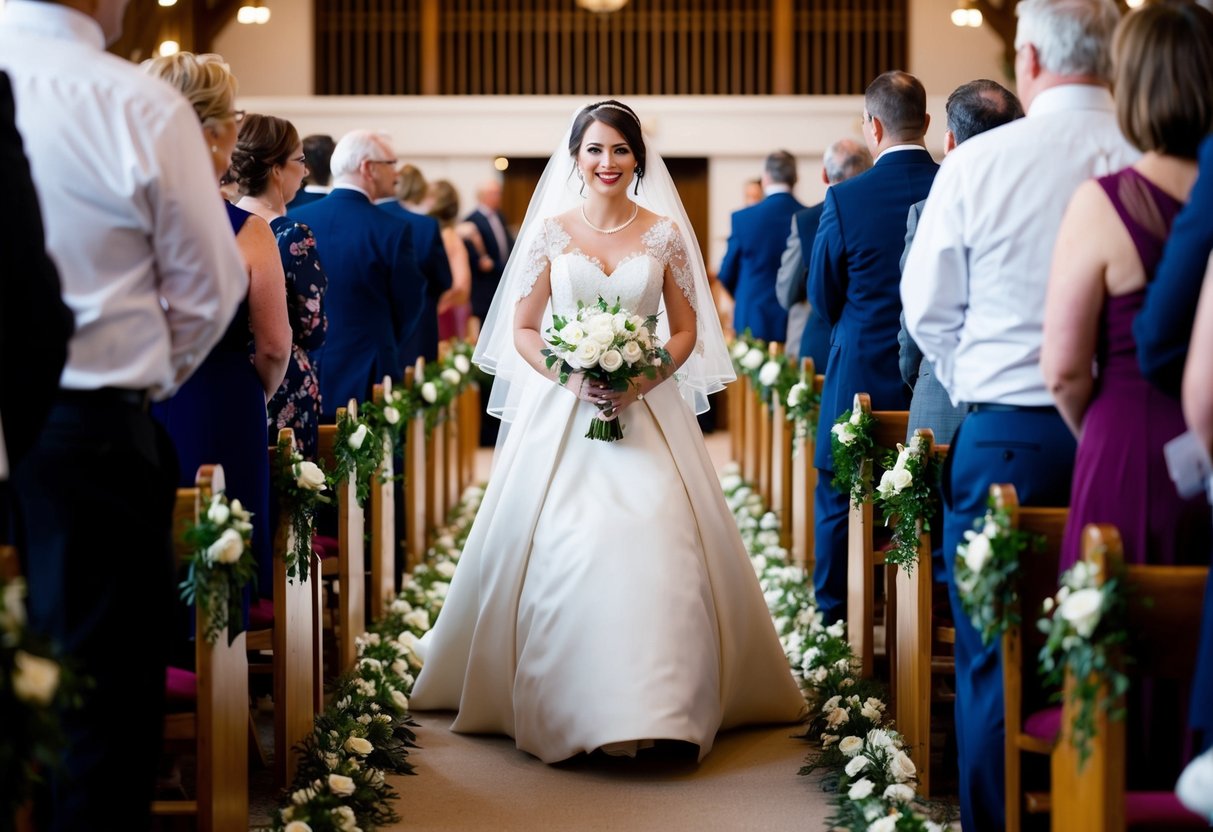
The “Here Comes the Bride” song, also known as the Bridal Chorus, has deep cultural and historical roots. Its evolution into a wedding standard reflects significant events and traditions over the years.
Princess Victoria’s Wedding
The song gained popularity during the wedding of Princess Victoria, the daughter of Queen Victoria, to Prince Frederick William of Prussia in 1858. During this grand event, the Bridal Chorus was played, marking a pivotal moment in wedding music history.
This ceremony made a substantial impact on wedding traditions. It showcased the use of classical music in modern weddings, inspiring many couples to adopt this piece for their own ceremonies.
The association between the song and royal weddings helped cement its place in bridal events, influencing countless brides in English-speaking countries to choose it for their processions.
Transition into Tradition
As the song gained traction, it began to symbolize the growing trend of white wedding dresses. This change in fashion was largely influenced by Queen Victoria’s own wedding to Prince Albert in 1840.
Before her choice, brides often wore colors like red or blue. Queen Victoria’s decision to wear white set a new standard. Soon after, brides began to adopt white dresses, and the Bridal Chorus naturally became linked with this newly embraced tradition.
You may notice that modern weddings often reflect this mix of historical significance and personal choice, making each ceremony unique yet rooted in tradition.
Associations with Western Weddings
The Bridal Chorus has become a staple at Western weddings. It signifies the bride’s arrival and has been heard at ceremonies across various cultures.
Couples today often choose it, not just for its beauty, but for its rich associations with love and unity. As a part of wedding traditions, it establishes a moment of anticipation, drawing guests’ attention to the bride’s entrance.
This song resonates with many brides, making it a cultural treasure in English-speaking countries and beyond. It represents a blend of history and modern practice.
The Influence of Queen Victoria
Queen Victoria’s influence on wedding customs cannot be overstated. Her choice to wear a white gown and use the Bridal Chorus at her wedding impacted societal norms.
As weddings became more elaborate, this song symbolized the idealized view of marriage. It also popularized the royal wedding format, encouraging others to replicate its charms.
You might find that even Jewish couples in Western cultures have adopted this song, blending it with their own traditions. Its legacy continues to thrive, connecting generations through shared moments of joy on their special days.
Musical Integration in Weddings

Music plays a vital role in enhancing the emotional atmosphere of weddings. It sets the tone for key moments, particularly during the processional when the bride walks down the aisle. Understanding the options available can help you choose the right piece for your special day.
The Importance of Processional Music
Processional music marks the beginning of the wedding ceremony. This is when the wedding party enters, culminating in the bride’s entrance. Choosing the right piece is crucial because it creates a memorable experience.
Many couples opt for traditional songs like the Bridal Chorus from Richard Wagner’s opera Lohengrin. Alternatively, The Wedding March by Felix Mendelssohn is also a popular choice. This uplifting piece is often played as the bride and groom exit.
You may also want to consider live bands or classical arrangements to give your ceremony a unique touch. The right music can enhance feelings of joy and love shared by everyone present.
Common Alternatives to the Bridal Chorus
The Bridal Chorus is a classic choice, but several modern alternatives can suit different tastes and styles. Many couples are now opting for contemporary songs that reflect their personalities.
For example, songs featured in popular films or signature tunes that resonate with your love story are perfect. You might consider selections from soundtracks like A Midsummer Night’s Dream for a whimsical feel.
Moreover, you can have a live band play a favorite song, adding a personalized touch to your ceremony. The right piece, whether classical or modern, can help make that moment unforgettable as you walk down the aisle.