
What is the Highest Position in Event Planning? A Guide to Career Advancement
If you’re curious about climbing the ladder in the event planning world, you might wonder what the highest position is. The top role is often considered the Chief Event Officer (CEO), who oversees all aspects of event strategy and execution. This position involves leading teams, managing budgets, and ensuring that events align with the organization’s goals.
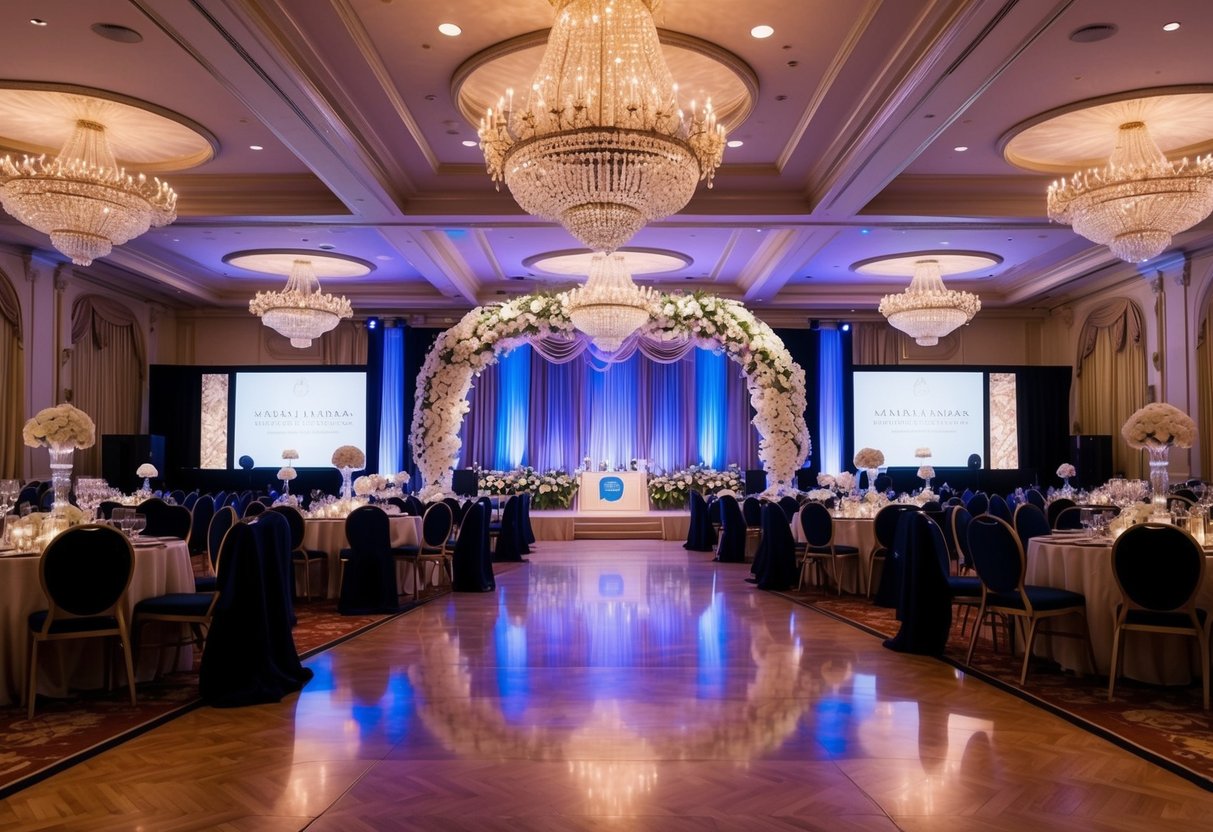
As you explore roles in event planning, you’ll encounter other important titles like Director of Events and Event Manager. Each plays a crucial part in the planning process, but the Chief Event Officer stands at the pinnacle, directing the vision and big-picture planning for events. Whether you’re interested in becoming an event coordinator or aiming for the highest position, understanding these roles can help you navigate your career path effectively.
Key Roles in Event Planning
In event planning, various roles work together to ensure successful events. Each position has its own responsibilities and levels of oversight, creating a structured hierarchy within the industry. Let’s explore these key positions in detail.
Event Coordinator Vs. Event Manager
As you start your journey in event planning, you might encounter the roles of Event Coordinator and Event Manager. The Event Coordinator is typically responsible for the day-to-day details of an event. You’ll handle logistics, vendor communications, and attendee management. This role requires excellent organizational skills and attention to detail.
On the other hand, the Event Manager oversees the entire planning process. This includes developing event strategies and managing budgets. You will ensure that all elements align with the client’s vision. The Event Manager often acts as a leader, guiding Coordinators and other staff throughout the planning.
The Ascent to Event Director Positions
If you’re aiming for higher roles, consider the path to becoming an Event Director. This position involves significant responsibility and is often found in corporate settings. As an Event Director, you’ll manage multiple events and lead a team of planners.
In this role, you design overall event strategies, focusing on broader goals. Your tasks include collaborating with clients and stakeholders, ensuring the event meets expectations. Experience as an Event Manager is often necessary before you can step up to this level.
The Pinnacle: Chief Event Officer (CEO)
Reaching the top position in event planning is the role of Chief Event Officer (CEO). The CEO is responsible for the overall event strategy of an organization. This includes not only planning but also budget allocation and team management.
In this position, you set the vision for all events, whether they’re weddings or corporate gatherings. Communication with upper management and stakeholders is crucial, as you’ll need to align the event objectives with company goals. Achieving this status requires extensive experience and proven leadership in the field.
Understanding Event Planning Hierarchies

In the event planning world, positions range from entry-level roles to senior management. Each level carries its own responsibilities and opportunities for growth. Understanding these roles can help you navigate your career path effectively.
Entry to Mid-Level Positions
At the entry level, you might start as an event planning assistant. This role involves supporting the planning and execution of events, managing logistics, and handling vendor communication. It’s a great way to gain hands-on experience.
As you gain experience, you may progress to a meeting planner or a wedding coordinator. These positions require more responsibility, including budgeting, client interaction, and scheduling. You will handle specific types of events, which can help you specialize in areas you enjoy.
Mid-level positions allow you to show your planning skills and build relationships in the industry. You may also lead small teams and guide entry-level staff, setting the stage for further advancement.
Senior-Level Positions and Responsibilities
Senior-level positions, like event director or chief event officer, are the pinnacle of the hierarchy. In these roles, you set strategic goals for the event planning team and oversee large-scale events.
Your responsibilities will include ensuring that events align with the company’s mission. You will manage budgets extensively and lead a team of planners and coordinators. This role demands strong leadership, as you will motivate your team to meet high standards.
With experience, you can also expand your role into broader corporate strategies. As a senior leader, you shape the vision and direction of your organization’s event planning efforts.
Elevating Event Planning Careers
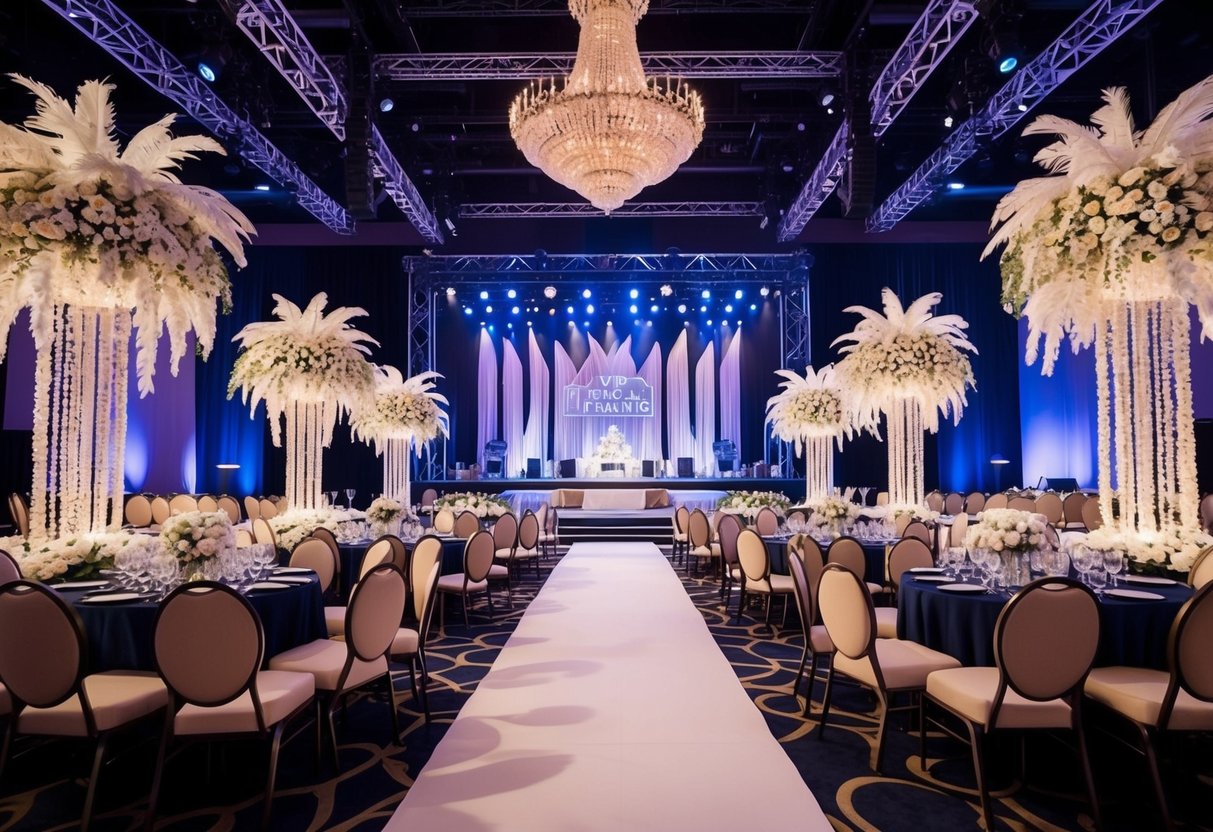
When you aim to move up in event planning, focusing on specific skills and building connections can make all the difference. Your growth in this field hinges on mastering essential abilities and expanding your professional network.
Required Skills and Expertise
To elevate your career in event planning, you need a mix of strong skills. Key areas include:
- Logistical Planning: Being organized helps you manage various aspects of events, like timelines and resources.
- Negotiation Skills: The ability to negotiate with vendors and clients can lead to better deals, enhancing your budget.
- Strategic Thinking: You should think ahead and anticipate challenges, allowing for smoother event execution.
- Problem-Solving: When issues arise, quick thinking will help you find solutions without panicking.
- Hospitality Knowledge: Understanding the hospitality industry will improve your ability to create memorable experiences.
By sharpening these skills, you can position yourself for higher roles in event planning and stand out in a crowded field.
Advancement through Networking and Professional Development
Building strong relationships in the events industry is crucial for your career growth. Networking allows you to meet professionals who can offer advice or even job opportunities. To maximize your networking:
- Attend industry events where you can meet peers and mentors.
- Join professional organizations that focus on event planning.
- Utilize social media platforms to connect with others in the field.
Additionally, consider enrolling in workshops or courses that improve your skills. Professional development is key to staying updated on industry trends. Continuous learning not only enhances your capabilities but also showcases your commitment to your career.
Industry Focal Points and Trends

You’ll find that event planning is evolving quickly. Understanding the latest focal points in the industry can help you stay on top. Key areas to consider include the variety of events you may plan and the emphasis on innovation and sustainability.
Diversity of Event Types
The event planning industry now embraces a wide range of event types. This includes weddings, corporate events, trade shows, and fundraising activities. Each type requires a unique approach and strategy. For example, weddings often focus on personalization and aesthetics, while corporate events may prioritize branding and audience engagement.
Hybrid events are also gaining popularity. They allow for both in-person and virtual attendance, making it easier to reach a broader audience. Understanding these diverse formats will enhance your ability to meet client needs and adapt your planning techniques.
Innovation and Sustainability in Event Planning
Innovation plays a crucial role in modern event planning. You’ll want to keep an eye on new technologies that enhance audience engagement. These include interactive displays or apps that facilitate networking.
At the same time, sustainability is a vital concern. Many clients are looking for eco-friendly practices in their events. This can be through choosing sustainable venues or implementing waste reduction strategies. For instance, using locally sourced materials can boost brand promotion while supporting the community.
By integrating innovation and sustainability, you can create memorable and responsible experiences that resonate with your audience.