
What is the Least Popular Wedding Color? Discover Trends in Wedding Palettes
When planning your wedding, the colors you choose can set the mood for your special day. Many couples flock to popular choices like blush pink or navy blue, but you might be curious about the lesser-known options. In recent years, only about 3% of couples selected bronze as their wedding color, making it the least popular choice. This surprising choice can offer a unique and stylish twist if you’re looking to stand out.
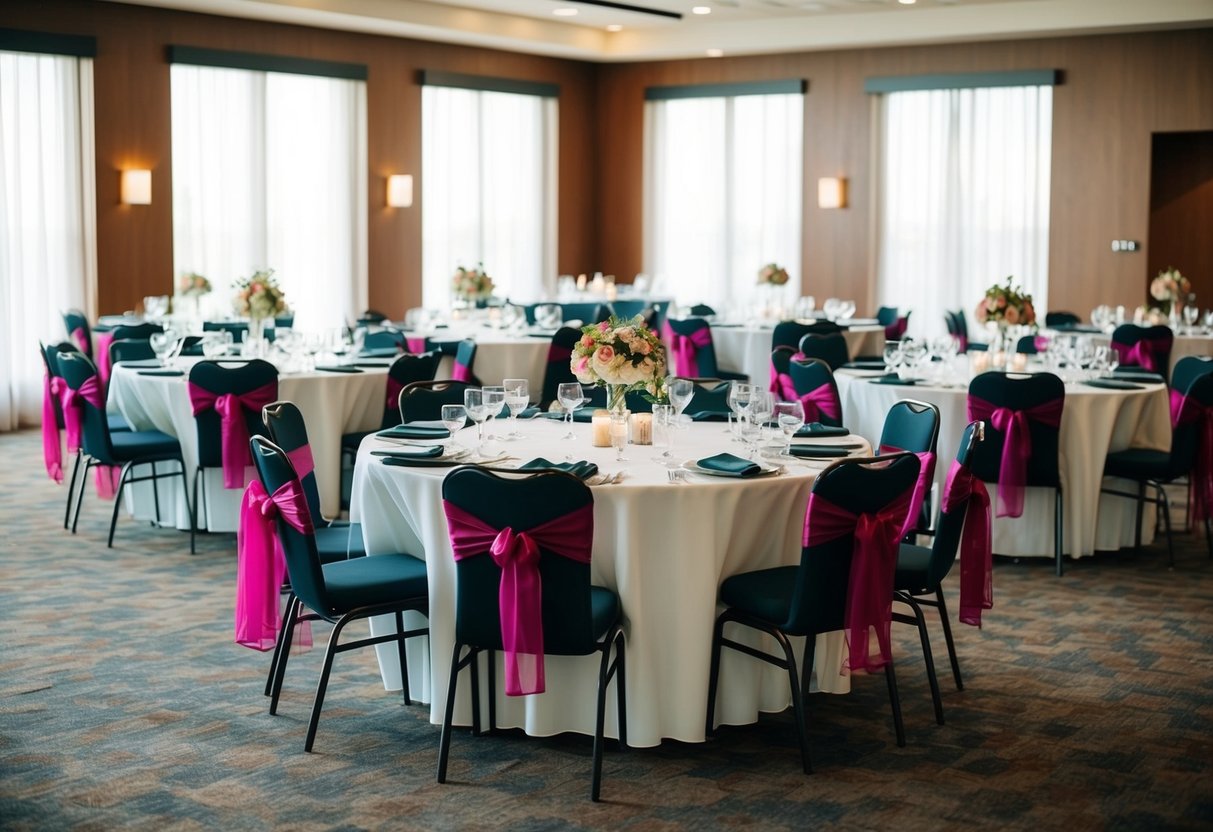
As wedding color trends evolve, what was once in vogue can quickly shift. Exploring less common colors can help you create a memorable event that reflects your personality.
Whether you are drawn to earthy tones or bold shades, knowing what’s trending helps you make informed choices that’ll impress your guests.
If you’re wondering how to incorporate bronze or other uncommon colors into your wedding, keep reading for tips and ideas! You might just find the perfect hue to make your day even more special.
Understanding Wedding Colors
Choosing the right wedding colors is essential for creating the perfect atmosphere on your special day. Colors can influence moods and set the tone, making it important to consider how they fit into your overall theme.
The Role of Color in Weddings
Colors play a significant role in weddings. They help express your personal style and set the emotional tone of the event. A well-chosen color scheme can tie various elements together, from invitations to decorations.
Many couples opt for a specific wedding color palette. Popular combinations include soft pastels or bold, vibrant hues. Using colors that complement each other can enhance the overall look of your wedding.
It’s also important to think about the season. For example, warm colors like reds and oranges are great for fall. In contrast, cool tones like blues and greens suit spring and summer themes well. You want your wedding color scheme to not only reflect your personality but also blend with your venue and season.
Color Theory and Wedding Planning
Understanding color theory can help you choose the right colors for your wedding. The color wheel is a handy tool for finding color combinations that work well together. You can create harmony by pairing complementary colors or using shades of the same hue.
When picking your wedding color combination, think about the emotions you want to evoke. For example, blue is calming, while red is often associated with passion.
Making a color palette involves selecting a primary color, then one or two secondary colors to complement it. Don’t forget to account for neutrals like whites and greys, which can balance brighter colors. By thoughtfully using the principles of color theory, you can enhance the beauty of your wedding day.
Trends and Preferences
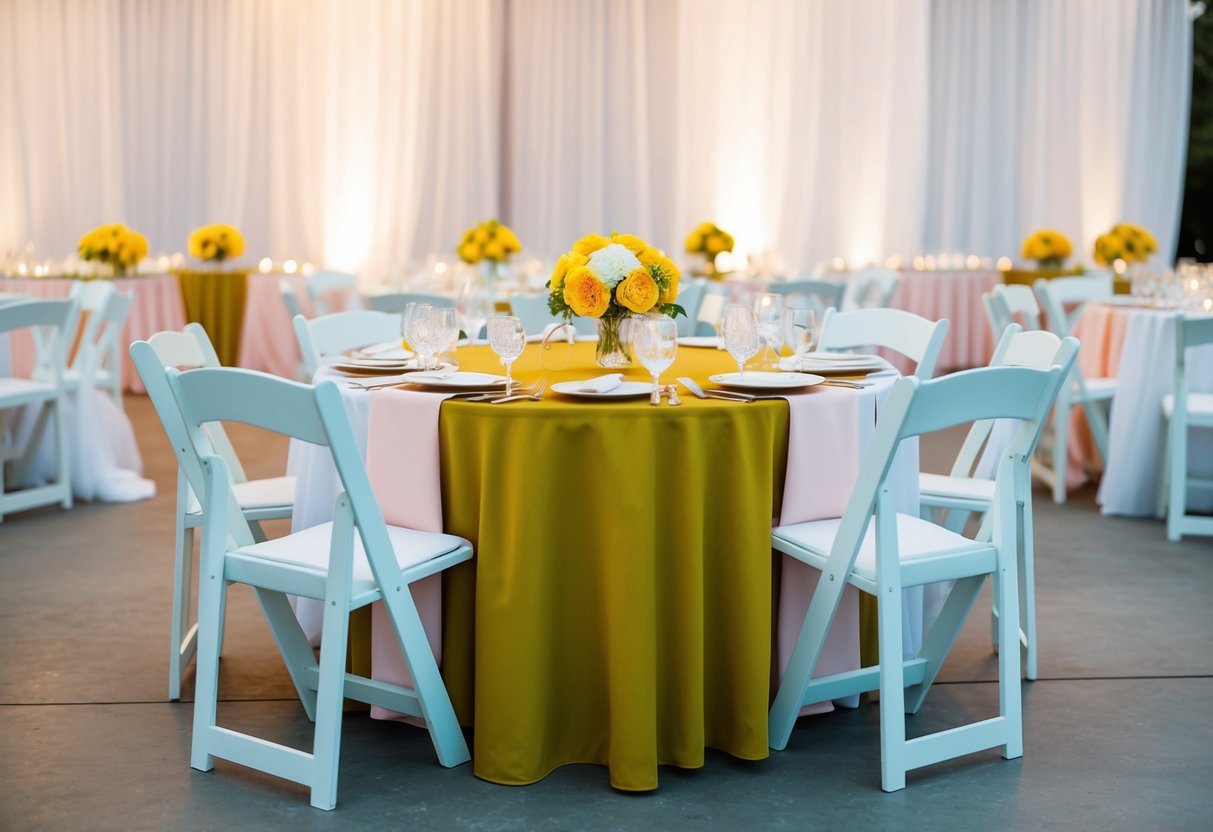
Wedding color choices are constantly changing. Couples today are looking for ways to express their unique styles. Some colors remain favorites, while others, like bronze, have fallen out of favor.
Evolving Trends in Wedding Colors
In recent years, popular wedding colors have shifted significantly. Classic hues like white and blush continue to be cherished, but newer shades are gaining traction.
For example, 2023’s Pantone Color of the Year, Viva Magenta, is a vibrant choice that reflects energy and creativity.
Couples are increasingly drawn to bold colors that stand out. Many prefer rich jewel tones or earthy shades, reflecting their personalities. Using unique combinations can create a stunning atmosphere for the wedding day.
Don’t shy away from experimenting with less common colors, as they can add a fresh touch. This trend encourages you to think outside the box and choose colors that resonate with your personal style.
Survey Insights and Unpopular Choices
According to data from The Knot’s 2022 Real Weddings Study, couples reported that the least popular wedding color is bronze. Only 3% of couples chose it for their weddings. This suggests that many couples prefer more traditional or vibrant shades.
In addition to bronze, other less common options include certain muted colors. Couples often look for colors that reflect their theme rather than sticking to what is typically chosen.
While popular colors like burgundy and navy hold appeal, don’t overlook the charm of lesser-selected hues. They can create a unique feel for your celebration. Embrace less popular shades if they resonate with your vision for the day.
Selecting the Right Color Scheme
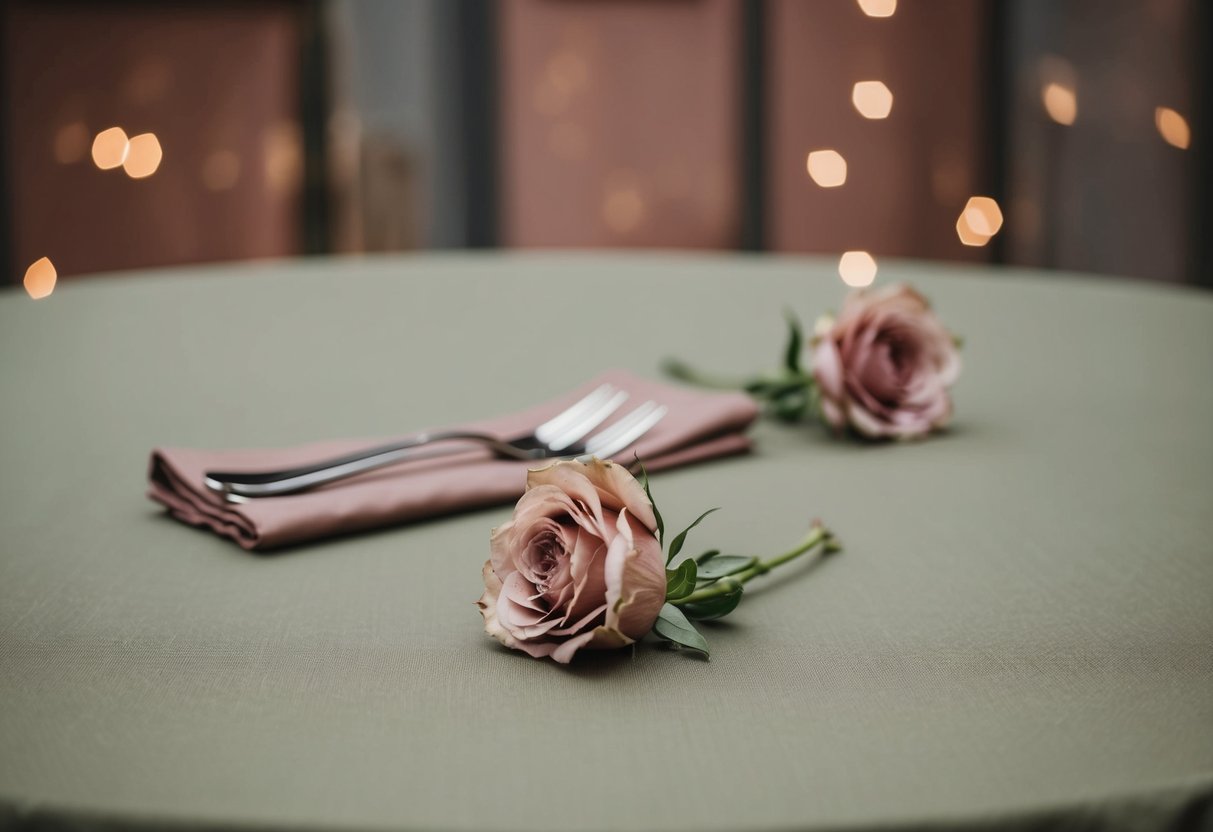
Choosing the right color scheme for your wedding is crucial. It sets the tone for the entire event and ties all elements together, from floral arrangements to table centerpieces. Here are some key points to consider when selecting colors that reflect your personality and match your venue.
Choosing Colors for Season and Venue
When picking colors, consider the season when your wedding will take place. For spring, soft pastels like blush pink and lavender work well. Summer favors bright colors like coral and turquoise.
In autumn, rich colors such as burgundy and mustard create warmth, while winter is great for icy blues and silver.
Your venue also plays a big role in your decision. A beach wedding may align with sea greens and sandy tones. A rustic barn could embrace earth tones and woodsy hues.
Collaborating with a wedding planner can help you visualize how your chosen colors interact with the venue’s decor.
Creating a Personalized Color Scheme
To create a personalized color scheme, think about meaningful colors in your life. This could be your favorite shades or colors that remind you of special memories. A unique color palette can stand out and give your wedding a personal touch.
Create a cohesive look by using three to five colors. One main color can be dominant in your decor and attire, while the others serve as accents.
For instance, if you choose navy blue as your main color, you might add gold and blush for a touch of elegance.
Ask your floral designer how your palette can influence the types of flowers and arrangements used. By carefully selecting your color scheme, your wedding will reflect your style while ensuring that every detail, from the centerpieces to the cake, harmonizes beautifully.
Specific Color Analysis
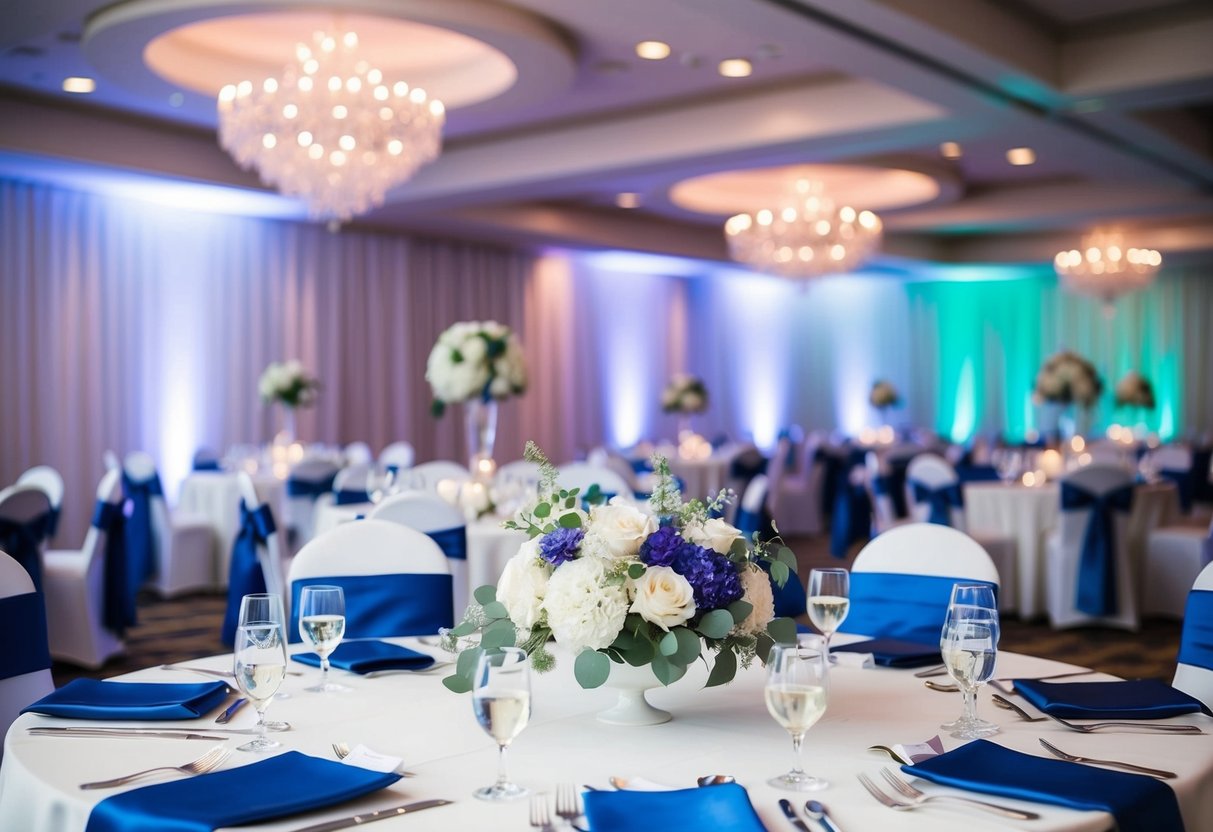
Selecting the right colors for your wedding can be both exciting and overwhelming. By considering less common colors and how to blend them with popular choices, you can create a unique and memorable color palette that reflects your style.
Considering Less Common Colors
While many couples gravitate towards popular shades like white, blush pink, or deep burgundy, opting for less common colors can set your wedding apart.
For example, bronze is a color that made a mark as the least popular wedding choice, but it offers a distinct elegance.
Think about hues like lavender or mustard yellow as bold statements. These colors can bring sophistication and an air of uniqueness to your theme. Combine earth tones like deep green or rich magenta with neutral colors for a balanced look.
Using unexpected colors can also reflect personal stories or cultural backgrounds, making your celebration even more special.
Combining Popular and Unique Colors
Mixing popular colors with unique shades allows you to create visually appealing contrasts and harmonies.
Consider pairing classic shades like ivory or champagne with jewel tones such as emerald green or royal blue.
This approach adds a layer of glamour and opulence to your color scheme.
For instance, you could use light blue alongside bronze accents, giving a sophisticated feel to your wedding attire and decor.
Using a complementary color scheme can enhance the overall look.
Try deep burgundy with cream for warmth or navy blue with gold for a lavish touch.
This balance also makes it easier to find decor and flowers that match, ensuring a cohesive appearance throughout your celebration.