
What is the Meaning of Bridal Wear? Understanding Its Significance in Weddings
When planning your wedding, one of the most exciting decisions you’ll make is about your bridal wear. Bridal wear refers to the special clothing and accessories a bride wears on her wedding day, including the wedding dress, veil, and other elements that reflect her personal style and cultural traditions. These outfits hold deep meaning, often symbolizing new beginnings and the unique journey of love.
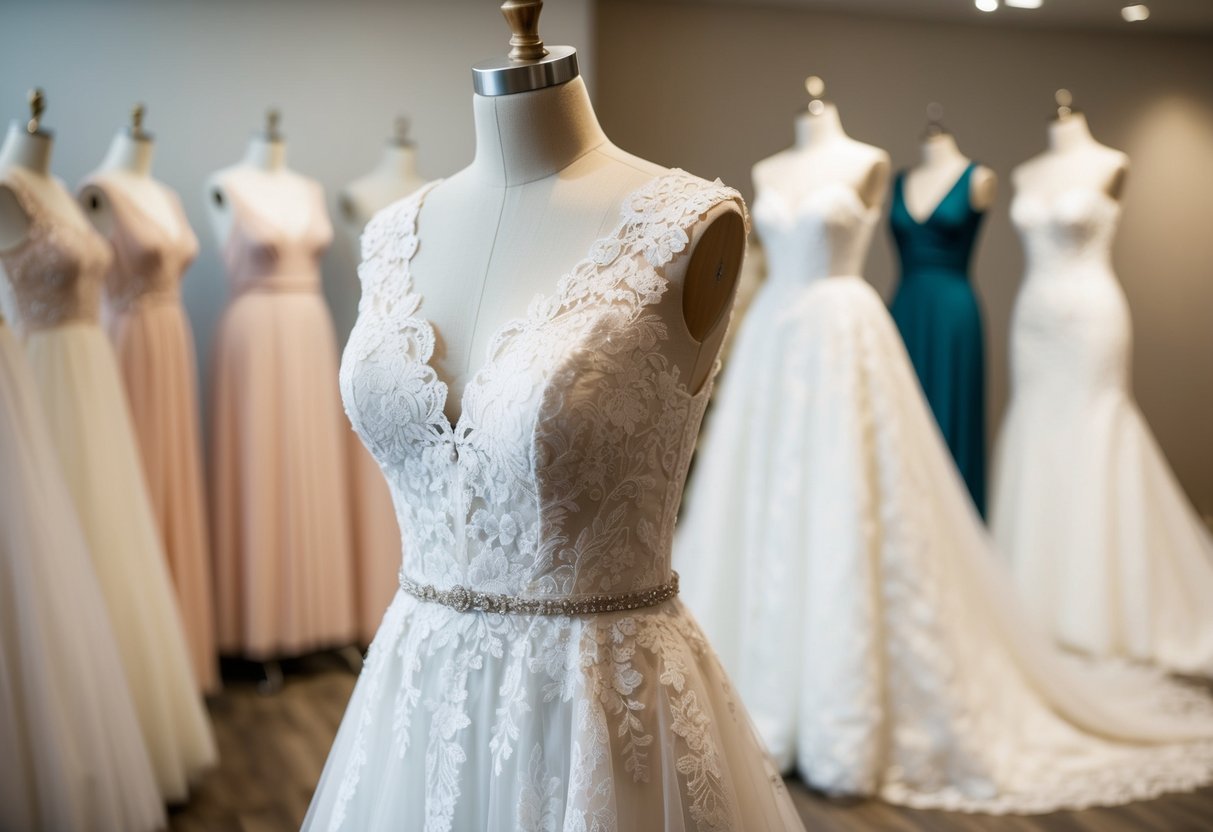
Choosing the right bridal wear allows you to express who you are while honoring the traditions that matter to you. From classic white gowns to vibrant colored dresses, each choice tells a story about your preferences and heritage. This exploration of styles and symbolism can truly enhance your overall wedding experience, making it even more memorable.
As you consider your bridal wear, think about how these garments represent your individuality and values. Each detail, from the fabric to the accessories, adds to the narrative of your special day. Every bride deserves to feel beautiful and confident, reflecting her unique journey in love.
History and Evolution of Bridal Wear
Bridal wear has a rich history that reflects cultural significance and individual expression. Key moments, like the choice of the white wedding dress, have played a pivotal role in shaping what we think of as modern bridal fashion.
Origin of the White Wedding Dress
The idea of a white wedding dress has roots that date back many centuries. Before this trend began, brides often wore their best dresses, regardless of color.
The shift to white is widely credited to Queen Victoria‘s wedding in 1840. She wore an elegant white gown made of silk satin, which was quite unusual at the time. This choice inspired many women to follow suit. As a result, the white wedding dress became a symbol of purity and innocence.
Influence of Queen Victoria
Queen Victoria’s wedding to Prince Albert marked a turning point for bridal wear. Her choice of a white wedding dress changed the perception of bridal attire. The trend she started soon spread across Europe and the United States. Many brides began to seek out white gowns, making them a popular choice for weddings. This trend established a new cultural heritage in bridal fashion, where white became synonymous with weddings.
Bridal Fashion Through the Ages
Bridal fashion has continuously evolved over the decades, reflecting changing tastes and styles.
In the Victorian era, dresses often featured long trains and intricate lace. The early 20th century brought shorter hemlines and simpler designs.
As time progressed, brides began to embrace more personalized styles. The 1920s and 1930s introduced more relaxed silhouettes. Designers like Vera Wang further reshaped the industry by offering modern takes on classic styles.
Today, bridal wear includes a variety of colors, fabrics, and designs that cater to individual preferences and cultural backgrounds. This evolution highlights the significance of personal identity in wedding ceremonies, making bridal fashion a unique expression of love and commitment.
Elements of Bridal Attire
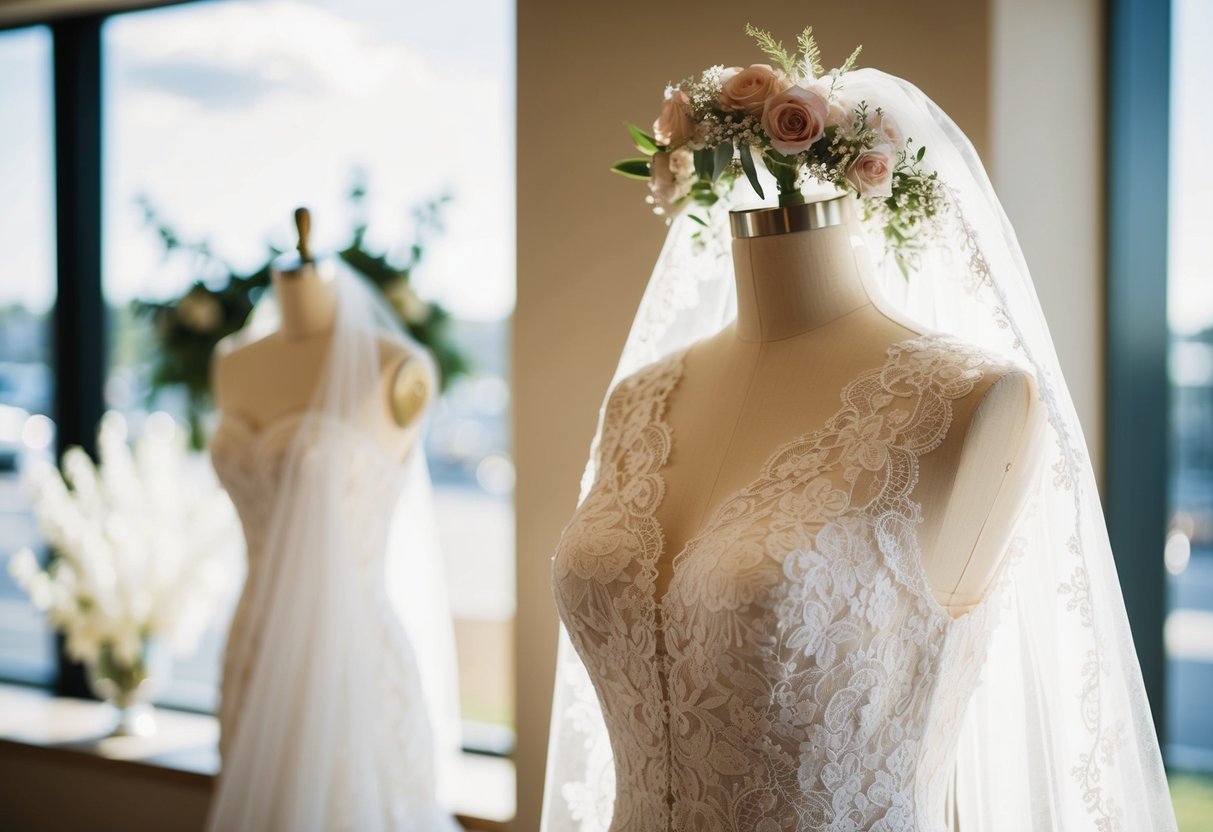
Bridal attire includes key parts that define your bridal look. Understanding these elements will help you choose pieces that reflect your personal style and make you feel beautiful on your special day.
Wedding Gowns and Their Fabrics
The wedding gown is often the centerpiece of your bridal look. Common fabrics for gowns include silk, satin, and lace. Each material offers a unique feel and appearance.
- Silk is known for its luxurious texture and smooth finish, providing a graceful drape.
- Satin has a glossy surface and is often used for more structured silhouettes.
- Lace adds a delicate touch, often used as an overlay or detail.
Many gowns include embellishments like beads or sequins, enhancing their beauty. When choosing your gown, consider how the fabric complements your figure and the overall theme of your wedding.
Significance of Veils and Jewelry
Veils play a significant role in bridal attire. Traditionally, veils symbolize modesty and purity. They enhance your bridal look, adding an elegance that complements the gown.
You can choose from various styles, from sheer and simple to ornate with embellishments. The right veil can frame your face beautifully while you walk down the aisle.
Jewelry also adds charm to your overall appearance. Classic pieces like pearls or diamonds can elevate your look. Consider delicate earrings or a stunning necklace that reflects your personal style. Both veils and jewelry can serve as memorable family heirlooms, connecting your wedding to generations past.
Modern Interpretations and Styling
Bridal fashion has evolved to reflect contemporary styles. Many brides now embrace unique interpretations of traditional attire.
This can mean bridal gowns with bold colors or non-traditional silhouettes. You might choose a sleek jumpsuit instead of a gown or add a colorful sash for fun.
Styling also plays a key role. Mixing and matching vintage and modern pieces allows for personal expression. Accessories like statement belts or unique shoes can tie your look together beautifully. By combining these elements, you create a memorable and distinct bridal look that is unmistakably yours.
Cultural Diversity in Bridal Wear
Bridal wear reflects a rich tapestry of cultural traditions from around the world. Understanding the differences between Western and Eastern bridal attire helps you appreciate the significance behind each style. Here are some highlights of these diverse traditions.
Western and Eastern Bridal Traditions
In Western cultures, bridal gowns are often white, symbolizing purity and new beginnings. This tradition became popular after Queen Victoria wore a white dress for her wedding in 1840. Brides typically choose elegant styles defined by lace, satin, and intricate designs. They often accessorize with veils and bouquets.
In contrast, Eastern cultures emphasize vibrant colors and unique fabrics. For instance, in Indian weddings, brides often wear red sarees, which symbolize auspiciousness and prosperity. Chinese brides typically don a red qipao or cheongsam, adorned with gold embroidery, representing good luck and happiness. These color choices reflect deep cultural heritage and beliefs, making every piece meaningful.
Incorporating Cultural Dresses Such as Qipao
The qipao is a beautiful representation of Chinese culture. Traditionally worn by brides, it features a high neckline and a fitted silhouette. The design often includes bold colors and intricate patterns, conveying prosperity and good fortune.
In modern weddings, many brides choose to incorporate a qipao into their attire to honor their heritage. This choice showcases cultural pride and adds a unique touch to the celebration. Whether worn alone or paired with Western elements, the qipao enriches the bridal look with its historical significance and beauty.
Embracing diverse bridal wear traditions allows you to celebrate your background and highlight the beauty of cultural diversity in your wedding.
Planning Your Wedding Attire
Choosing your wedding attire is an exciting part of the planning process. You’ll want to consider your gown, how it fits with your wedding theme, and ways to personalize your look. Each part is important to make you feel special on your big day.
Choosing the Right Gown for Your Ceremony
Selecting the perfect gown is key to feeling beautiful on your wedding day. Consider different styles that suit your body shape. A-line gowns are flattering and versatile, while ball gowns offer a classic look.
Think about the fabric as well. Lightweight materials like chiffon are great for summer weddings, while heavier fabrics like satin provide warmth for cooler months. Don’t forget to consider details like beading or embroidery to add a personal touch.
Make sure to schedule fittings to see how the gown looks and feels on you. An experienced bridal shop can help you find the right fit and style that aligns with your vision.
Coordinating with Wedding Theme and Bridesmaids
Your wedding theme sets the tone for the entire event. Whether it’s rustic, modern, or vintage, your gown should reflect that style. For example, a flowy bohemian dress works well for an outdoor ceremony, while sleek designs suit a formal venue.
When coordinating with your bridesmaids, consider their dresses carefully. Select colors that complement your gown. You can opt for the same fabric but different styles to fit each bridesmaid’s shape.
Involve them in the decision-making process to ensure they feel comfortable. A cohesive look will enhance the overall aesthetic of your special day.
Personalizing Bridal Look with Color and Detail
Adding color options and details can make your bridal look unique.
Incorporate a splash of color through accessories like sashes or shoes that match your wedding palette. You can also choose a gown with colored embroidery for an unexpected twist.
Don’t forget to select jewelry that complements your attire. Necklaces can enhance your neckline and draw attention to your features.
Keep in mind that subtle details, like fabric choices and beading, can elevate your overall look.
Feel free to let your personal style shine through, making your bridal outfit a true reflection of who you are.