
What Is the Meaning of Wedding Officiant? Understanding Their Role in Your Ceremony
When planning your wedding, you might wonder about the role of a wedding officiant. A wedding officiant is the person who legally performs your marriage ceremony. They ensure it meets all legal requirements and that you receive your marriage certificate. They guide you through the process of exchanging vows and help create a meaningful ceremony that reflects your unique relationship.
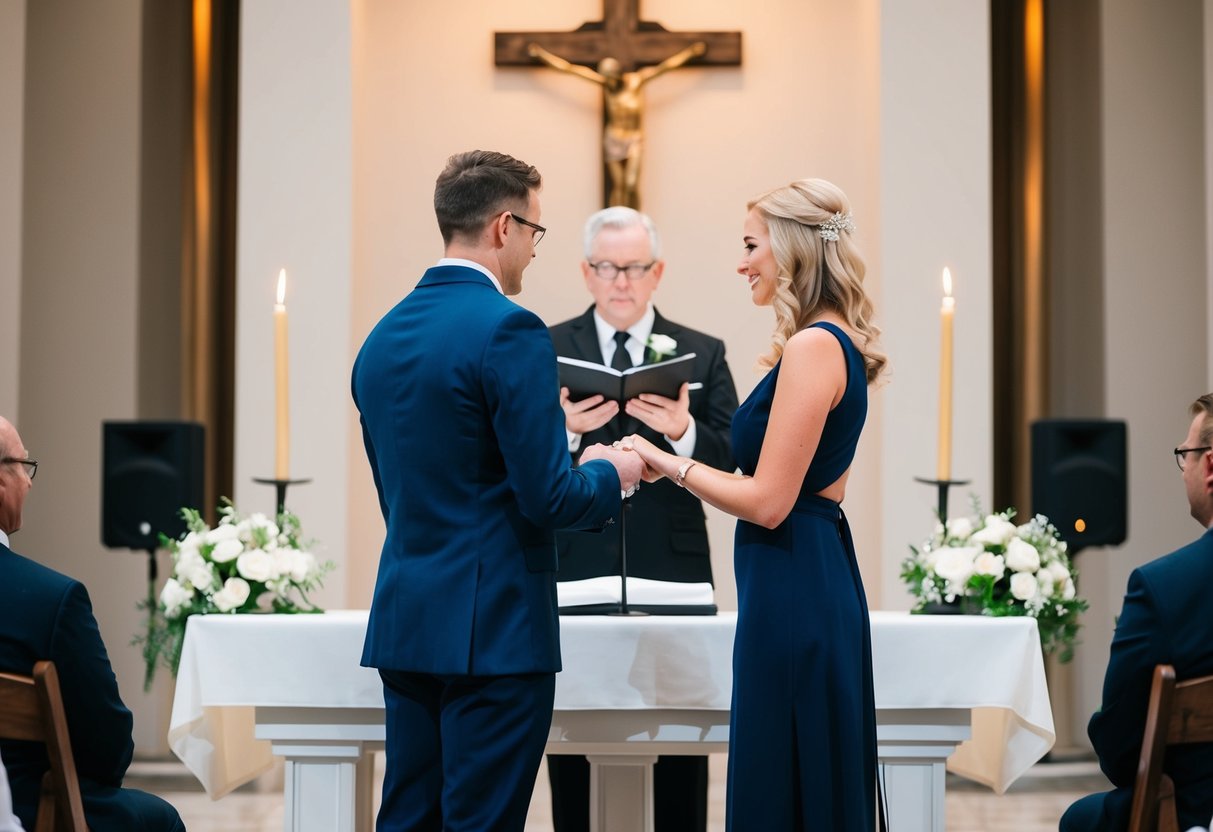
Choosing the right officiant can make a significant difference in your big day. They work with you to understand your vision, personalize your vows, and ensure everything runs smoothly. From non-religious to traditional settings, their job is to make your ceremony special and memorable.
Understanding the role of a wedding officiant can help you feel more confident in this important decision. They are essential in bringing your love story to life on such a significant occasion.
Understanding the Role of a Wedding Officiant
A wedding officiant plays a key part in your special day. They not only make sure the ceremony runs smoothly but also help create a memorable experience tailored to your wishes.
Types of Wedding Officiants
There are several types of officiants you can choose from. Each type offers a unique experience based on your beliefs and preferences.
-
Religious Officiants: This includes ministers, priests, rabbis, and imams. They often incorporate spiritual elements and traditions into the ceremony, making it meaningful for couples who value their faith.
-
Civil Officiants: These include justices of the peace and other officials who are authorized by the state. They focus on legal aspects, ensuring you meet all requirements for marriage.
-
Celebrants: These officiants specialize in personalizing the ceremony and often work closely with couples to include unique rituals or stories. Celebrants can blend both secular and spiritual elements, offering flexibility.
Choosing the right officiant shapes your wedding and sets the tone for your ceremony.
Duties and Responsibilities
Your wedding officiant has several important duties to ensure everything goes off without a hitch.
-
Legal Requirements: They ensure you have the marriage license and meet the legal requirements for marriage. This is crucial, as without it, you won’t be legally married.
-
Ceremony Script: Officiants often help you create the ceremony script. This includes vows, readings, and any special rituals. Their role is to make sure your ceremony reflects your love story.
-
Guiding the Ceremony: On the wedding day, officiants lead the ceremony, keeping the flow organized. They coordinate participants, like readers and musicians, ensuring everything happens at the right time.
With the right officiant, your wedding can be a beautiful and personal event, allowing you to celebrate your love in your own special way.
Creating a Personalized Ceremony
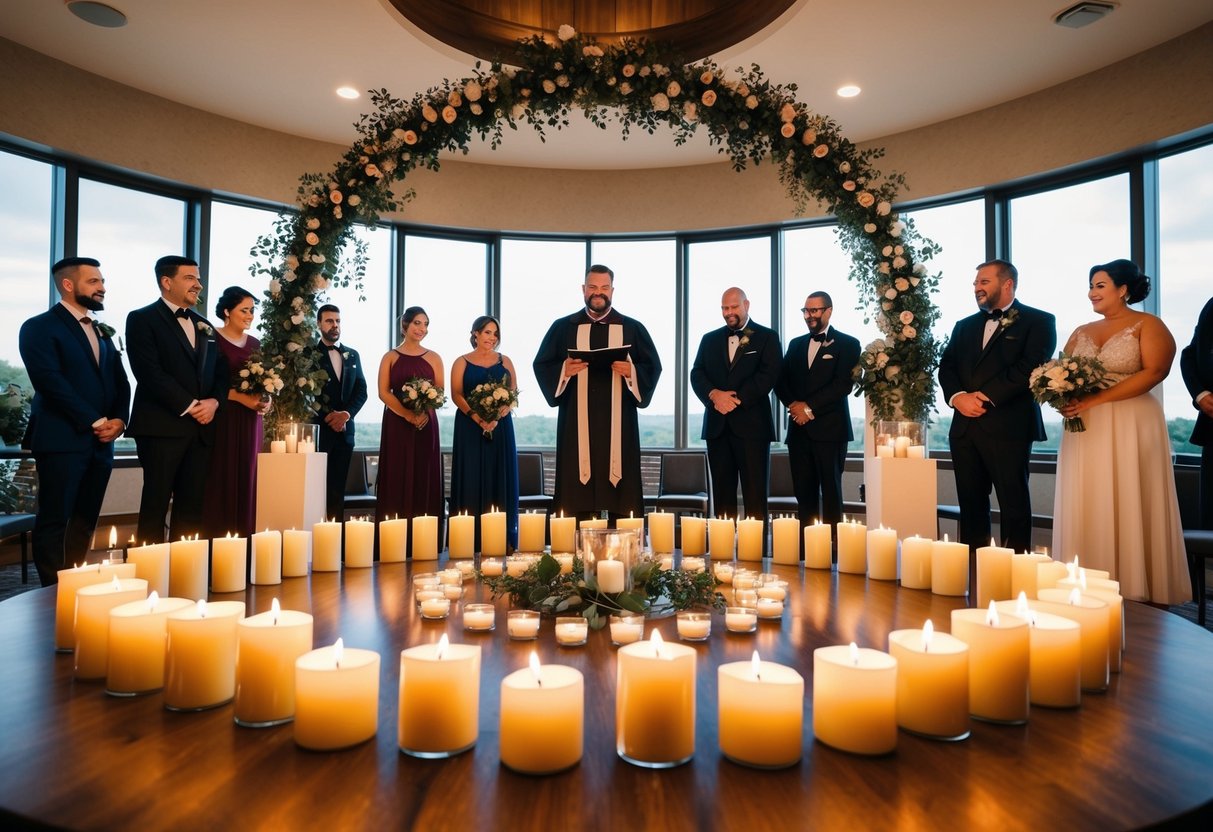
A personalized wedding ceremony reflects your unique love story. It incorporates elements that are important to you and your partner, ensuring the event feels meaningful and memorable.
Incorporating Personal Vows
Writing your own wedding vows is a beautiful way to express your love and commitment. Think about what makes your relationship special and share anecdotes that highlight those moments.
Your vows can include promises and intentions for your marriage. Take your time crafting these vows; they should resonate with your feelings. You could consider using quotes or readings that align with your beliefs—whether they’re religious or secular.
Make it authentic by speaking from the heart. This is your chance to show your partner how much they mean to you. It also invites emotional support from family and friends, making the moment even more special.
Customization and Rituals
Customization is key to crafting a memorable ceremony that reflects your beliefs and values. You can choose various rituals that align with your culture or personal preferences.
Think about incorporating rituals like lighting a unity candle, exchanging rings, or sharing blessings that represent your love. You may also include family traditions to honor your roots.
A professional wedding officiant can help guide you in selecting and organizing these elements for a smooth flow. They can ensure your ceremony feels cohesive while celebrating your love story. Additionally, their expertise helps create an atmosphere of warmth, making everyone feel welcome.
Legal and Ceremonial Aspects of Officiating
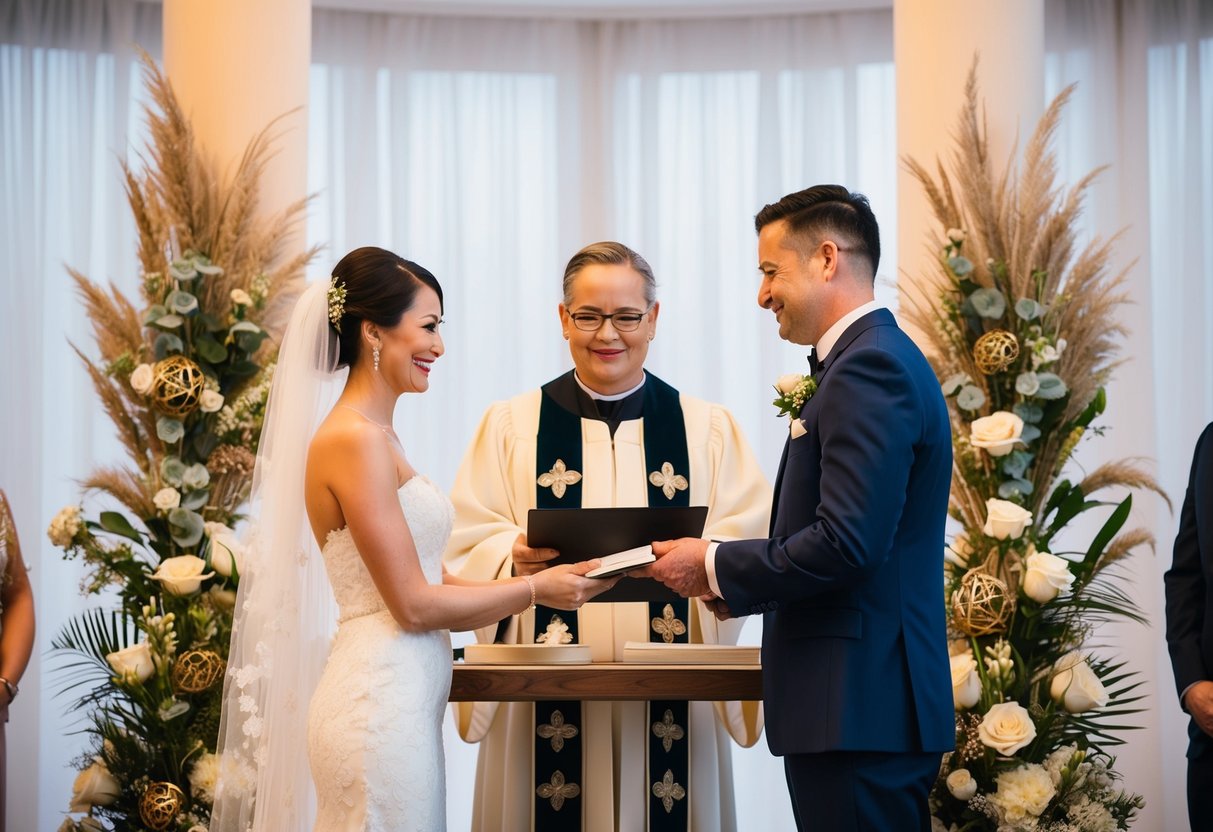
When you take on the role of a wedding officiant, you step into a position that blends legal obligations with ceremonial duties. It’s essential to understand the laws and processes that ensure the marriage is official and meaningful. This section will cover specific marriage laws and the importance of completing the marriage license correctly.
Understanding Marriage Laws
Each state has its own marriage laws, which you must know as an officiant. These laws determine who can officiate a wedding, how marriages are conducted, and the necessary documentation. Some states allow friends or family members to become officiants through ordination, while others require a religious leader or justice of the peace.
Before the ceremony, ensure the couple meets legal requirements for marriage. This typically includes age restrictions and obtaining a marriage license. You should check the state’s regulations to confirm what is needed. Understanding these laws helps you guide the couple properly, ensuring their vows are recognized as legally binding.
Completing the Marriage License
Filling out the marriage license is a critical responsibility for you as the officiant. After the ceremony, you must complete and sign the document accurately. This includes the names of the couple, the date of the ceremony, and where it took place.
Make sure the license is signed by both parties and any witnesses present. Once completed, you should return it to the appropriate government office to finalize the marriage. Failure to do this can lead to complications for the couple when they seek their marriage certificate later on. Your careful attention to this detail ensures they are legally married and can enjoy all the benefits that come with it.
Choosing the Right Officiant for Your Wedding
Finding the right officiant is key for your wedding day. You want someone who can create a ceremony that reflects your beliefs and values. Consider important factors and how your officiant will work with other wedding vendors to ensure everything goes smoothly.
Factors to Consider
When choosing a wedding officiant, think about their experience and style. There are different types of officiants, including religious officiants, civil officiants, and professional celebrants. Each brings a unique touch to the ceremony.
Check if they are an ordained minister or trained professional. Discuss what you want in your ceremony. This could be traditional vows or something more personalized.
Flexibility is also important. Will they accommodate your requests? Ask about their process, including meetings before the big day to ensure you both feel comfortable.
Working with Wedding Vendors
Your officiant will work closely with other wedding vendors. This includes your wedding planner, photographer, and venue staff.
Make sure they are willing to collaborate. An experienced officiant should know how to fit into the overall wedding plan. They may even offer suggestions for coordinating with other professionals.
Having a clear communication channel between all parties will make the day flow smoothly. This teamwork is especially important during the rehearsal to establish timings and cues.
Involving your officiant in the planning process can ensure that your vision is brought to life.