
What Is the Meaning of Wedding Rehearsal? A Guide to Its Importance and Purpose
A wedding rehearsal is an important step in your wedding planning journey. It’s a practice run where you and your wedding party go through the ceremony details to ensure everything flows smoothly on the big day. This pre-wedding gathering helps everyone feel more comfortable and confident, making the actual ceremony less stressful for you.
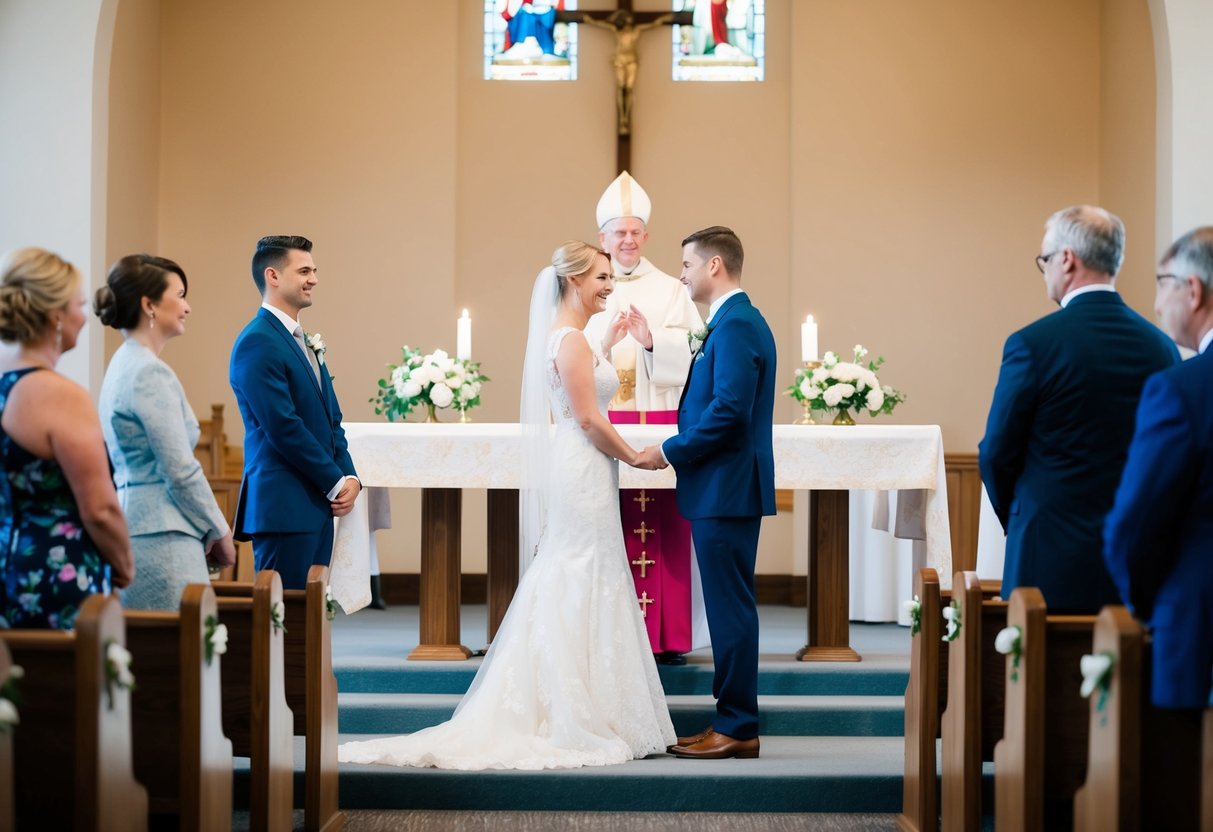
During the rehearsal, you’ll familiarize yourself with the venue layout and the sequence of events, like the processional and exchange of vows. It allows you to address any last-minute concerns and work out logistics with your officiant. You’ll also get a chance to connect with your loved ones, making it a joyful experience leading up to your wedding.
Participating in a wedding rehearsal can ease pre-wedding jitters and create a sense of unity among your wedding party. Embracing this opportunity will set a positive tone as you prepare to celebrate your love with friends and family.
The Purpose of a Wedding Rehearsal
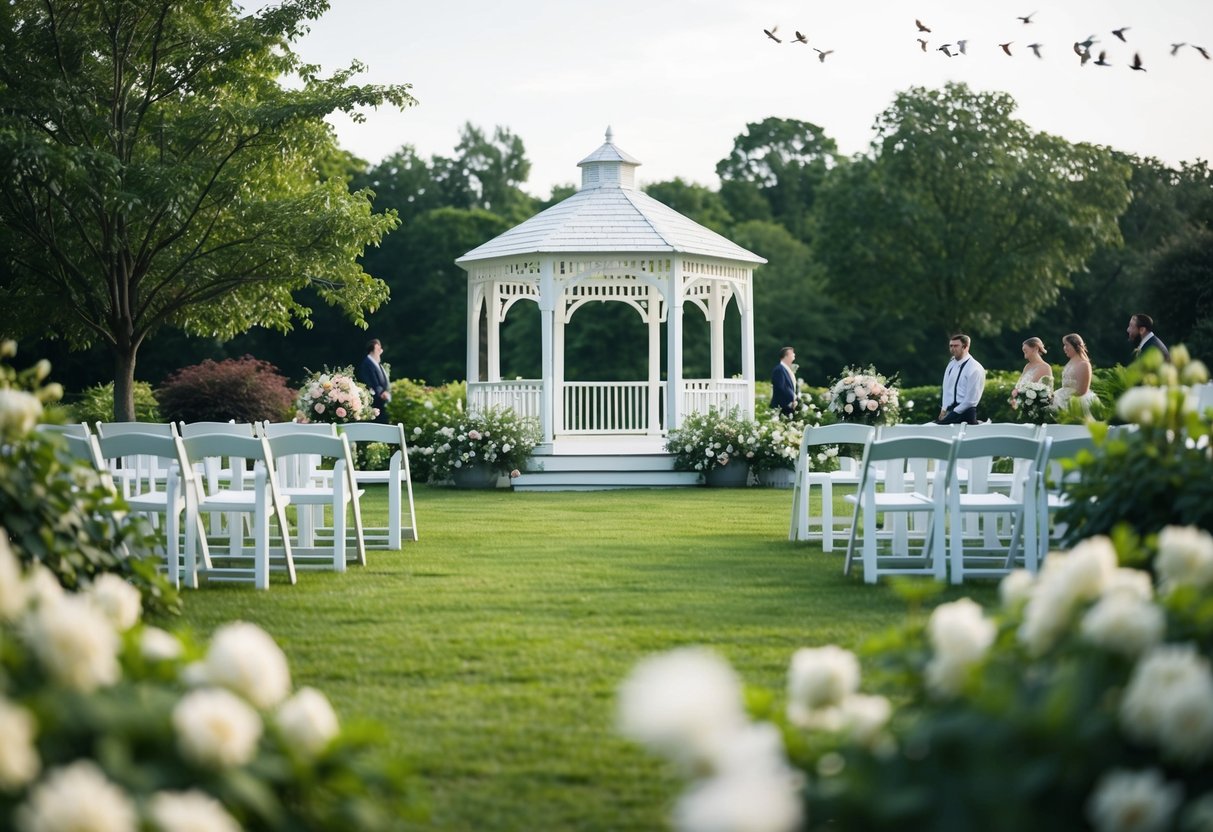
A wedding rehearsal is a key step in preparing for your special day. It helps you understand the ceremony’s flow and ensures that everyone knows their roles. This practice run can make your wedding day more relaxed and enjoyable.
Understanding the Wedding Rehearsal
A wedding rehearsal is designed to give you and your wedding party a clear picture of the ceremony. During this time, you will walk through each part of the wedding, including the processional and recessional. This practice allows everyone to get familiar with their positions and movements.
The rehearsal usually takes place one or two days before your wedding. It is a great opportunity to address any last-minute questions or concerns. This way, everyone feels more confident and prepared.
Roles and Responsibilities
Every person in your wedding party has a specific role. During the rehearsal, you will detail who walks where and when. For example, you will practice how the bridesmaids and groomsmen enter and exit.
Also, you’ll discuss important tasks, like who holds the rings and when. This helps reduce nervousness on the big day. Knowing exactly what to do can make everyone feel more secure and ready.
Wedding Day Preview and Practice
The rehearsal gives you a sneak peek into your wedding day. You will practice all the important elements, which can include vows and ring exchanges. This walk-through ensures that everything flows smoothly.
You also get to figure out timing, which can be very helpful. For instance, knowing how to time your walk down the aisle can create a beautiful moment. Practicing these elements makes the real event feel more natural and less stressful.
Having a successful wedding rehearsal leads to a smoother ceremony. It’s a wonderful way to share moments with loved ones before the big celebration. So, enjoy this time—it sets the stage for your perfect day!
Planning the Rehearsal
Planning your wedding rehearsal is a crucial step that helps ensure everything runs smoothly on your big day. This involves deciding where it will take place, creating a checklist to keep you organized, and coordinating with key people like your officiant and wedding planner.
Choosing the Rehearsal Location
Selecting the right location for your wedding rehearsal sets the tone for the event. Most couples choose the actual ceremony site, as it allows everyone to become familiar with the space. Sometimes, a different location may be picked for convenience.
When making this choice, consider accessibility for all members of the wedding party. Make sure it is easy for everyone to get to. If possible, visit the venue ahead of time to visualize the setup. You can also think about timing; scheduling the rehearsal close to the rehearsal dinner can help streamline everything.
Creating a Wedding Rehearsal Checklist
A wedding rehearsal checklist helps you stay organized and ensures you don’t miss any important details. Start by listing key items like confirming the date and time. Aim to set the rehearsal one or two days before the wedding.
Include names and contact information for all attendees, such as family, wedding party, and officiant. It’s important to have a way to communicate any last-minute changes. You can also note down the order of events for the rehearsal, which will help everyone know what to expect. This simple tool covers both logistics and communication, making it vital for a smooth rehearsal experience.
Coordinating with the Wedding Officiant and Wedding Planner
Effective communication with your officiant and wedding planner is essential for a successful rehearsal. Reach out to your officiant early to discuss the ceremony details. This allows them to guide you through what to expect during the actual event.
If you have a wedding planner or coordinator, involve them in the communication process too. They can help address any lingering concerns and ensure everyone is on the same page. Schedule a time to meet with them before the rehearsal to go over the game plan. This collaboration keeps everyone organized and helps create a relaxed atmosphere as your wedding day approaches.
Key Elements of the Ceremony Rehearsal
Preparing for a wedding rehearsal involves focusing on the critical aspects of the ceremony. You will want to ensure everyone knows their roles and the order of events, making the big day run smoothly.
Processional and Recessional Order
The processional is when the wedding party walks down the aisle, and the recessional is how everyone exits after the ceremony. You need to decide the order in which each member of the wedding party will enter and exit.
Typically, the processional starts with any flower girls and ring bearers, followed by the bridesmaids. The maid of honor enters before the bride, while the groomsmen walk in with the best man. A clear order helps avoid confusion, so practice this part carefully.
The recessional is much simpler. Generally, the bride and groom lead the way, followed by the wedding party in reverse order. Make sure to rehearse this as well, so everyone knows where to go once the ceremony ends.
Assigning Roles to the Wedding Party
Every member of the wedding party has a specific role to play. Assigning these roles clearly during the rehearsal is crucial. You want to make sure everyone understands their responsibilities to avoid any surprises on the wedding day.
Start with the maid of honor and best man, as they often have key duties, like holding rings or helping with wedding planning tasks. Next, clarify the roles for the bridesmaids and groomsmen. Ensure they know when and where to walk, as well as any specific tasks they might have during the ceremony.
Don’t forget about the flower girl and ring bearers. Even their small roles can be important, so practice how they fit into the processional. Clearly assigning roles helps everyone feel more at ease and ready to make your day special.
Music Cues and Choreography
Music plays a big part in setting the mood of your wedding ceremony. During the rehearsal, it is important to go over the music cues with your day-of coordinator. Discuss when each piece of music starts and finishes for both the processional and recessional.
Make sure to practice with the music to sync movements. It helps everyone know when to start walking down the aisle.
Consider any special choreography, like when to pause or turn. If you’ll have any unique rituals, like a unity ceremony, rehearse these moments too. This preparation will ensure that the timing is perfect, and the flow feels natural.
Final Run-through
The final run-through ties everything together. After covering the details in previous sections, gather the wedding party for a complete practice. This should mirror the actual ceremony as closely as possible.
Walk through the entire event, from the moment you enter the venue until you leave. Remind everyone to pay attention to their cues and stick to their assigned roles. This full rehearsal builds confidence and ensures everyone knows what to expect.
Encourage questions and address any concerns. You want everyone to feel comfortable and prepared, ensuring a smooth and joyous occasion on your wedding day.
The Rehearsal Dinner
The rehearsal dinner is a fun and meaningful part of the wedding celebration. It serves as a time for the couple’s loved ones to gather, relax, and prepare for the big day ahead. Here are the important aspects of this special event.
The Significance of the Rehearsal Dinner
The rehearsal dinner usually takes place the night before the wedding. This gathering allows everyone to run through the ceremony details. You can ease any pre-wedding jitters by becoming familiar with how things will flow on the big day.
This event is also a chance for the bride and groom to thank their wedding party and family. Special speeches and toasts often occur, making it a heartwarming occasion. It builds excitement while creating lasting memories with your nearest and dearest.
Hosting and Invitations
Hosting the rehearsal dinner is traditionally the responsibility of the groom’s family. However, many couples choose to share this task with both families or take it into their own hands.
Inviting your close family, the wedding party, and partners is common. Ensure to send invites early, so everyone can plan ahead. You can opt for a large gathering or a more intimate dinner based on your preferences.
Consider your budget when planning the menu and venue. You could go for a casual dinner or a more formal meal. Whichever style you choose, make sure it’s enjoyable and fits with your overall wedding theme.
Pre-Wedding Celebration and Relaxation
The rehearsal dinner is a fantastic way to unwind before the wedding day. It’s a time for laughter, stories, and bonding with those who matter most to you.
In this relaxed setting, couples can introduce family and friends to one another. This helps strengthen relationships before the wedding chaos begins.
Include fun elements like games, a photo slideshow, or a shared toast. All these additions make the evening memorable.
Make space for everyone to enjoy themselves, and remember that this is your celebration.