
What Is the Most Formal Time of Day for a Wedding? Discovering the Perfect Moment for Elegance
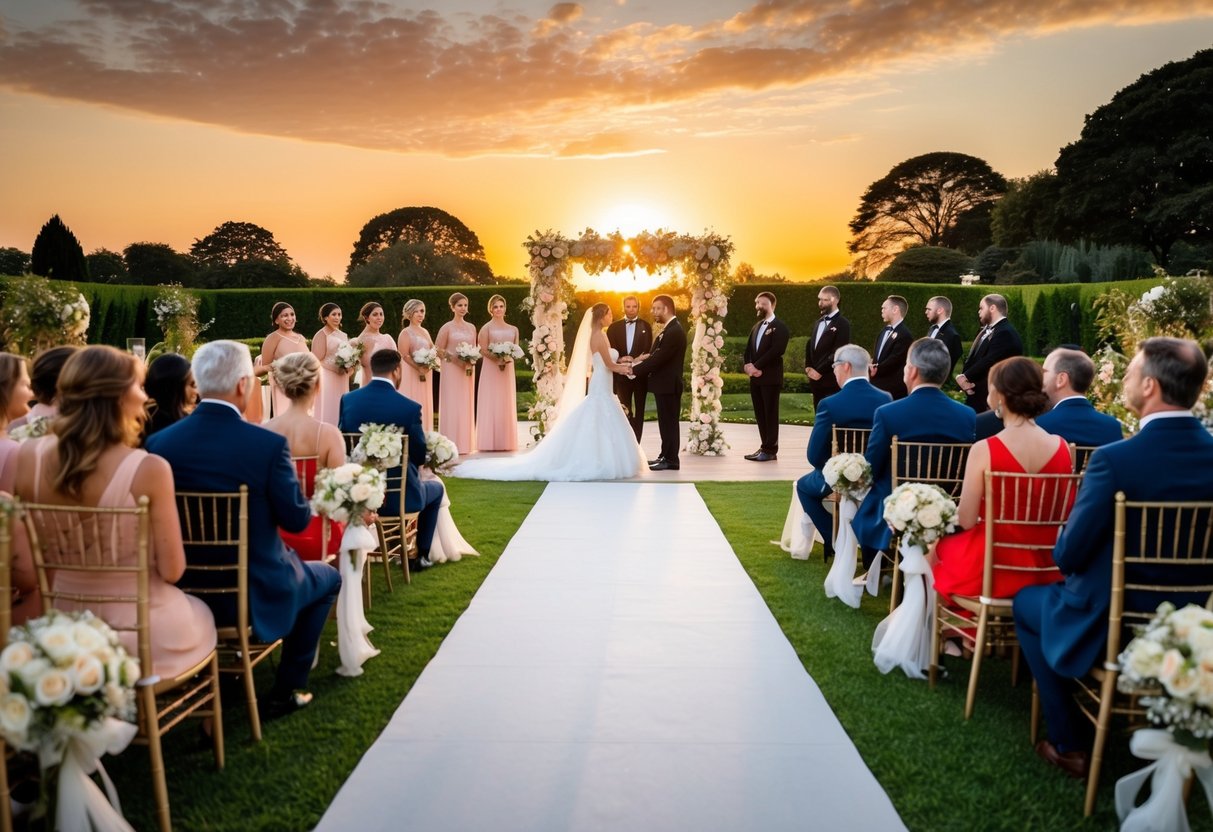
When planning your wedding, one important factor to consider is the time of day you choose for your ceremony. Typically, the most formal time of day for a wedding is after 5:00 p.m. Guests are expected to wear formal attire during these events. Choosing a late afternoon or evening ceremony can set the tone for a sophisticated celebration, where elegance is at the forefront.
If your wedding day is in the morning or early afternoon, you might find that the level of formality shifts. Daytime weddings often allow for more casual attire, which might not align with your vision of a formal event. Understanding these nuances can help you communicate your dress code clearly to your guests.
Finding the perfect balance between timing and formality ensures that your special day reflects your style. This will help create the memorable atmosphere you want while keeping your guests informed and comfortable.
Determining the Level of Formality for Your Wedding
Choosing the right level of formality for your wedding is essential. This choice affects everything from your attire to your venue. Understanding dress codes and how the time of day influences formality can help you make informed decisions.
Understanding Wedding Dress Codes
Wedding dress codes guide guests on what to wear. The most common categories include:
- Black Tie: Men usually wear formal attire, like a tuxedo, while women wear an evening gown.
- White Tie: This is the most formal option, requiring a tailcoat and a formal ball gown.
- Semi-Formal Attire: This includes a cocktail dress for women and a dark suit or blazer for men.
- Cocktail Attire: Meanwhile, this attire invites bright colors and shorter dresses for women, paired with suits for men.
Understanding these codes helps set your wedding’s tone. Ensure you clearly communicate the chosen dress code on your invitations to guide your guests effectively.
Selecting the Right Time for Formality
The time of day significantly impacts the wedding’s formality level.
For daytime weddings, a more relaxed atmosphere is common. You might consider lighter colors and fabrics. A semi-formal or even casual dress code is often appropriate.
Meanwhile, evening weddings usually call for more formal attire. Dusk to dark suggests black tie or white tie options. The later the event, the more formal the expectations.
Choose your wedding time wisely, as it will help shape the experience for both you and your guests.
Planning a Formal Evening Wedding
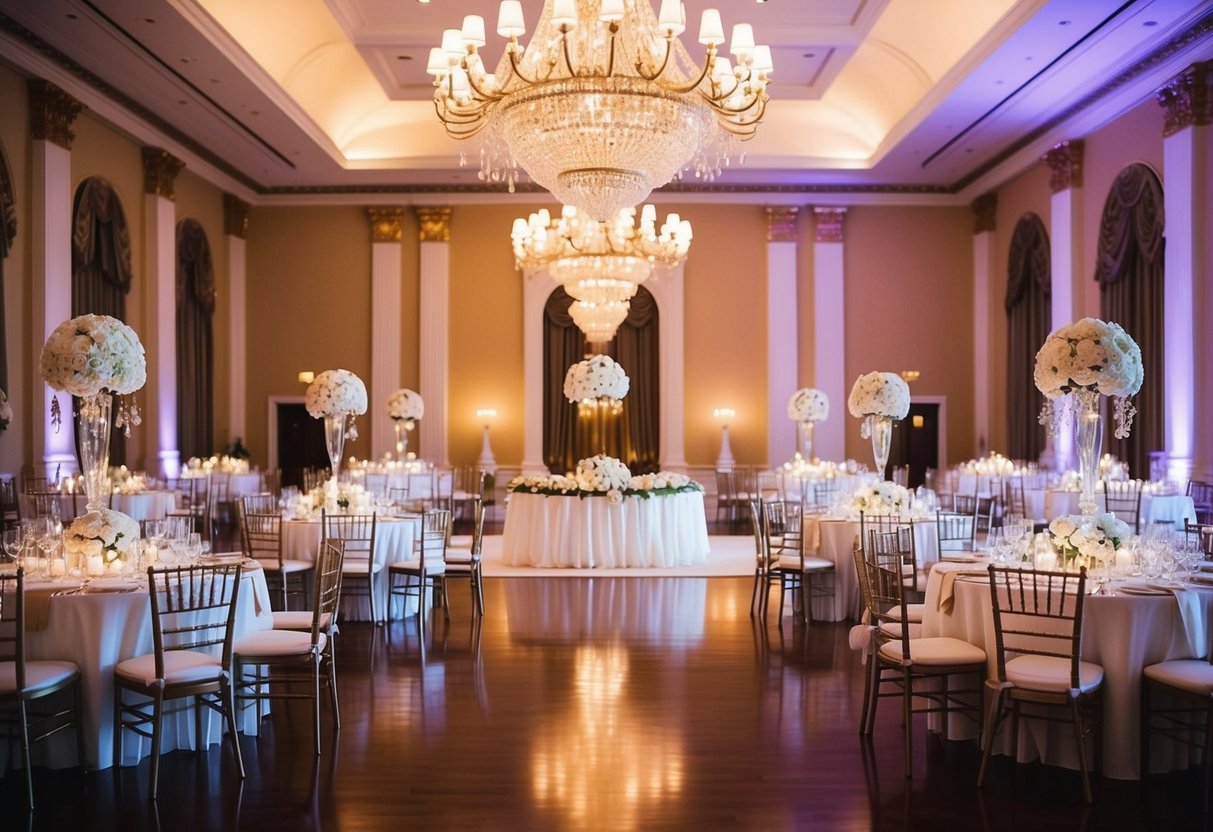
When planning a formal evening wedding, you’ll want to pay attention to venue selection, timeline logistics, and important traditions. Each detail contributes to the overall atmosphere and flow, making your special day memorable.
Choosing the Perfect Venue
Selecting the right venue is crucial for a formal evening wedding. Look for locations that are known for their elegance, such as ballrooms, upscale hotels, or historic estates. These venues typically offer stunning aesthetics that enhance the formal vibe.
Consider the venue’s capacity to ensure it can comfortably accommodate your guest list. Check for amenities like beautiful lighting and scenic backdrops, which are key for evening ceremonies and receptions.
Also, think about accessibility and parking for your guests. A well-chosen venue not only sets the tone for your celebration but also makes your guests feel special.
Crafting Your Wedding Day Timeline
Creating a detailed wedding day timeline is essential for a smooth formal evening. Start by scheduling your ceremony to begin around sunset. This timing allows for beautiful lighting for photos and a dreamy atmosphere.
After the ceremony, plan a cocktail hour for guests to socialize while you take your pictures. This can be about an hour long. Following that, transition into the reception.
Be sure to time key moments like the first dance and speeches strategically, giving your evening a seamless flow. A clear schedule helps you manage your day effectively, ensuring you enjoy every moment without stress.
Important Evening Wedding Traditions
Formal evening weddings often incorporate special traditions that enhance the experience. The first dance is a significant moment and typically occurs shortly after dinner, allowing everyone to gather and witness this special occasion.
To create a lively atmosphere, plan for a fun after-party with festive music and dancing. It encourages your guests to let loose and enjoy the celebration.
Lastly, consider including a send-off tradition, such as a sparkler exit or balloon release. This adds a memorable touch to your evening as you begin your new journey together.
Attire and Presentation for a Formal Wedding
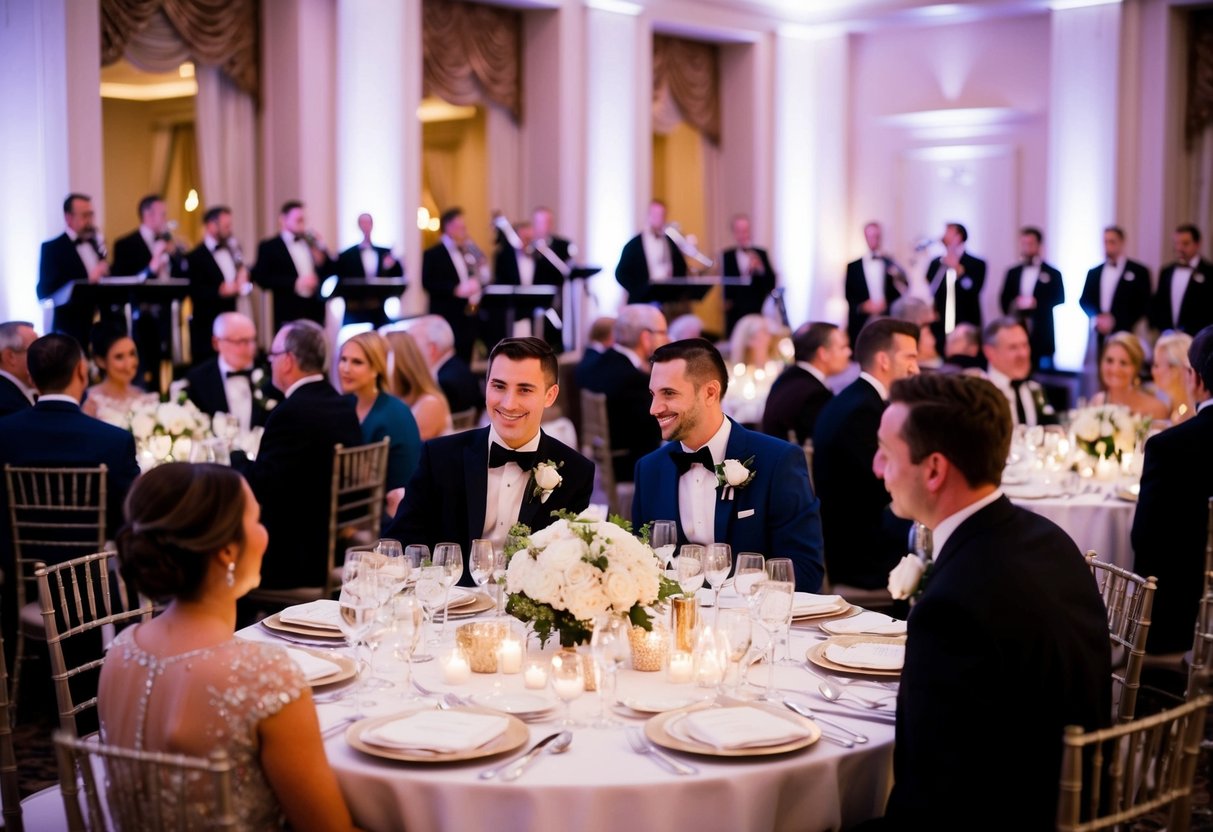
When planning for a formal wedding, both the bridal party and guests should put extra thought into their attire and presentation. This section will cover what’s important for getting ready and attire guidelines for the special day.
Hair, Makeup, and Preparing the Bridal Party
For a formal wedding, hair and makeup play a big role in the overall look. The bridal party should aim for polished styles that match the formality of the occasion. Consider hairstyles like elegant updos or soft waves, which complement formal dresses beautifully.
Makeup should enhance natural features. A refined look often includes classic elements like defined eyes and soft lip colors. Don’t forget to have a trial run before the big day to ensure everything looks perfect.
Prepare your bridal party with a well-organized schedule for getting ready. Assign tasks to streamline the process and ensure everyone is looking their best by the time the ceremony starts.
Guest Attire Guidelines
Guests attending a formal wedding should adhere to the wedding dress code as stated in the invitation. For black-tie attire, men should wear a tuxedo, while women might opt for long evening gowns or elegant cocktail dresses.
Accessories can elevate your look, so consider adding statement jewelry, sophisticated shoes, and a classy clutch. Opt for fabrics that exude elegance, such as silk or satin.
Always be mindful of the time of day. Evening events typically call for more formal wear, while daytime weddings may allow slightly less formal options, like a chic tea-length dress. Understanding these guidelines will help you show respect for the couple’s special day.
Capturing the Memories
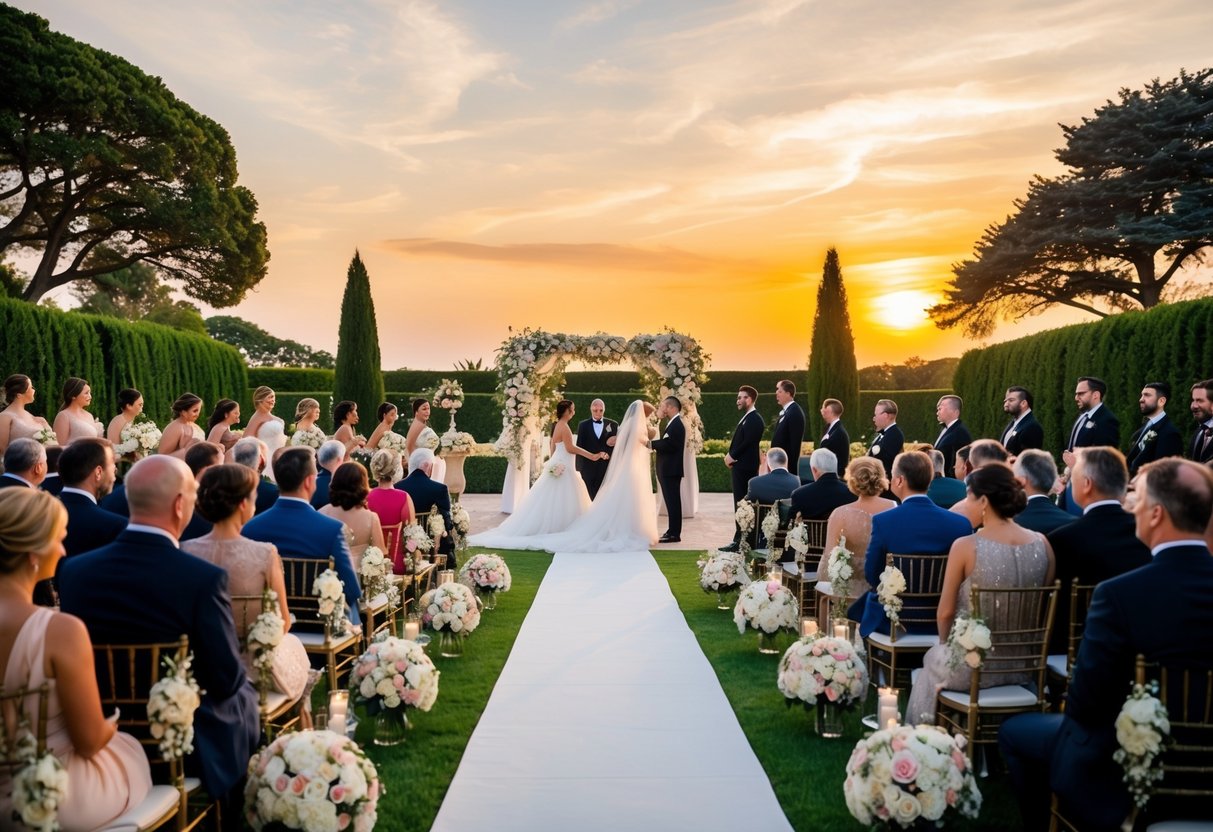
Capturing memories during your wedding is essential for reliving your special day. Choosing the right photographer and organizing your family and individual portraits will help ensure every moment is beautifully documented.
Hiring the Right Photographer
Finding the right wedding photographer is key to ensuring your memories are captured perfectly. Look for someone whose style aligns with your vision, whether it’s traditional, candid, or a mix of both.
Meet with potential photographers to discuss their approach. Ask about their experience with wedding activities like the first look and other special moments. Make sure to review their portfolios to ensure they can capture the essence of your day.
Don’t forget to discuss your timeline with the photographer. This will help them prepare for the most important moments. A good photographer will have creative ideas and be flexible with changes.
Organizing Family and Individual Portraits
Planning your family and individual portraits saves time and stress. Start by making a list of the shots you want, including immediate family and special friends.
Consider scheduling a “first look” moment to capture those emotions before the ceremony. This adds intimacy to your memories.
Set aside time in your timeline for these portraits. Communicate with your photographer about who will be in each shot. This ensures everyone knows where to be and when.
During the shoot, relax and enjoy the moment. Your photographer will guide you, helping capture genuine smiles and interactions. These portraits will be cherished for years to come.