
What is the Normal Order of a Wedding Ceremony? A Simple Guide to Your Big Day
When planning your wedding, knowing the typical order of a wedding ceremony can help create a smooth and memorable experience. The normal order includes key moments such as the processional, ritual readings, vows, and the pronouncement of marriage. Each element plays an important role in bringing your ceremony to life.
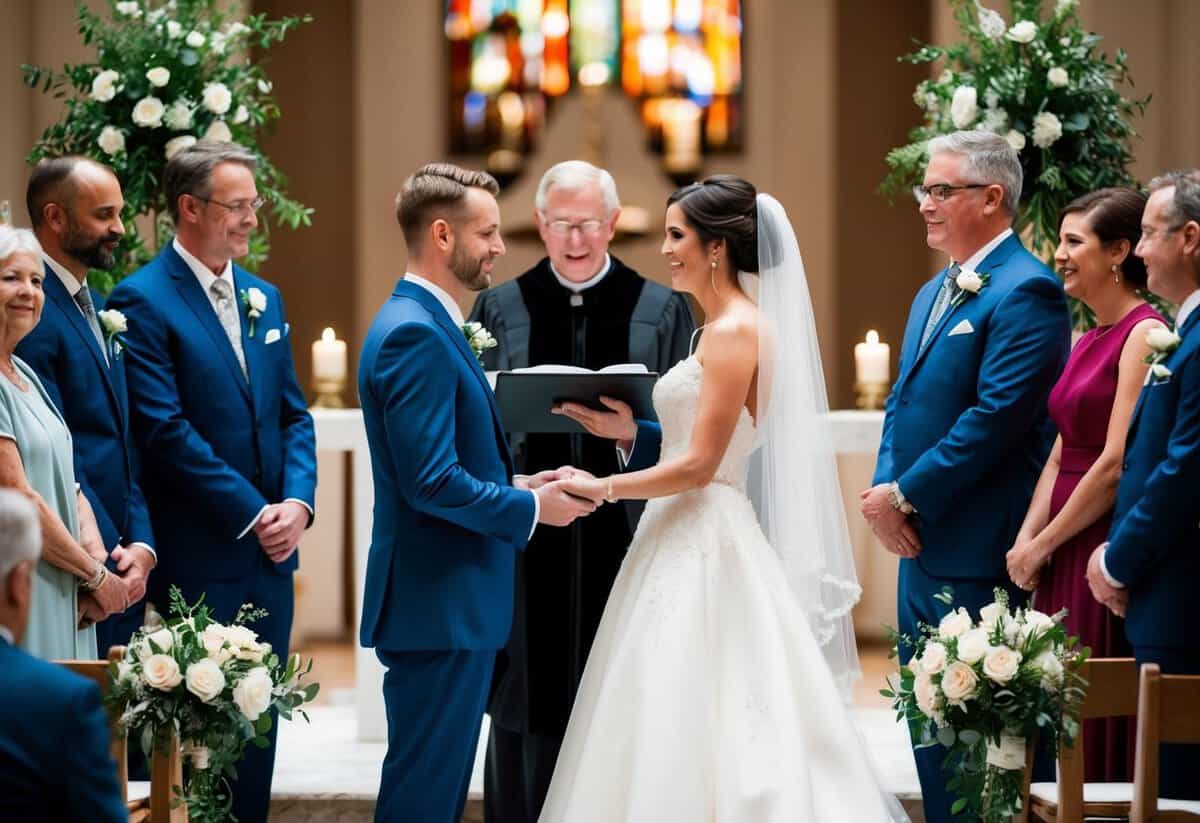
Usually, the ceremony starts with the seating of guests, followed by the entrance of the wedding party. You will exchange vows and rings in front of your loved ones, marking one of the most significant parts of the day. Understanding this outline can help you feel more prepared and excited as you get ready to tie the knot.
Whether you are planning a traditional ceremony or something more unique, knowing the standard sequence can guide you in crafting a ceremony that reflects your personality and beliefs. With the right order, your wedding will not only be organized but also meaningful for you and your guests.
The Ceremony Begins
As the wedding ceremony starts, there are important elements to consider, like the prelude music and the order in which the wedding party processes down the aisle. This sets the tone for the rest of the event and engages your guests.
Prelude and Processional Order
Before the ceremony kicks off, the prelude music plays. This soothing background music welcomes guests and builds anticipation for the ceremony. It usually begins about 30 minutes before the processional starts.
Then comes the wedding processional order. It typically starts with family members, such as the groom’s parents, followed by the groomsmen. Next, bridesmaids walk down the aisle, often in pairs.
Finally, you’ll see the flower girls and ring bearer, who add a touch of charm. The highlight is when the bride appears, usually escorted by her father. This moment is powerful and emotional, marking the start of the ceremony.
Officiant and Welcome Address
Once everyone is in position, the officiant greets the guests. This welcome address sets the stage for the ceremony. The officiant usually shares a few opening remarks to create a warm atmosphere.
You may also hear a brief story about the couple’s journey together. This personal touch helps guests connect with your love story.
Once the welcome is complete, the officiant may invite everyone to take their seats and prepare for the vows. This transition signals the start of the actual ceremony, leading to heartfelt moments you’ll cherish forever.
The Main Ceremony
The main ceremony is a crucial part of any wedding. It includes significant moments like readings, blessings, and the exchange of vows and rings that celebrate your commitment to each other.
Readings and Blessings
During the ceremony, you may choose to include readings that resonate with you. These can be poems, love letters, or religious passages. Personal selections help create a meaningful atmosphere.
If your wedding is religious, a blessing can be given by the officiant. This is an opportunity to seek support and guidance for your marriage.
In a Jewish wedding, for example, the ketubah is often read, which is a marriage contract that outlines your commitments. In a Christian wedding, a biblical passage might be shared to emphasize the spiritual aspect of your union.
You can easily personalize this part of the ceremony, making it reflect your unique love story.
Vow and Ring Exchange
The exchange of vows is one of the most emotional moments of the ceremony. Here, you express your love and commitment to each other. You can keep it traditional or write your own vows for a personal touch.
Following your vows, the ring exchange symbolizes your commitment. Each wedding ring is a circle, representing never-ending love.
In different traditions, this moment may vary. For instance, in a Hindu wedding, you might partake in a unity ceremony, symbolizing the joining of two families. Meanwhile, many nondenominational ceremonies focus on the emotional connection you share.
These exchanges mark the official union and are treasured memories for years to come.
Concluding the Ceremony
As your wedding ceremony wraps up, it’s time for a few important elements that seal the day’s joy. This part includes heartfelt closing remarks, the official pronouncement of marriage, and the memorable recessional, where you and your partner make your exit.
Closing Remarks and Pronouncement
The closing remarks often set the tone for touching moments. This is when the officiant shares final thoughts about love, commitment, and the journey ahead for you and your partner.
After the remarks, the officiant will make the pronouncement of marriage. This is a significant moment where you are officially declared husband and wife (or partners, depending on your preference). In Jewish ceremonies, there might also be traditions like the breaking of the glass, symbolizing joy and commitment. The officiant might offer a brief prayer or say “Sheva Brachot,” which means seven blessings, celebrating your union.
Recessional and Exit
Once pronounced, it’s time for the recessional. You and your partner will lead the way down the aisle, often accompanied by joyful music. This moment marks the beginning of your married life together and is filled with smiles from family and friends.
During the exit, guests may throw rice, flower petals, or confetti, creating a festive atmosphere. Remember to take your time to enjoy this moment; it’s the joyful celebration of your love. As you leave, embrace your family and friends who have gathered to support you, and cherish the love surrounding you on this special day.
Transition to Celebration
Once the ceremony wraps up, it’s time to shift gears and celebrate your big day! This transition marks the beginning of the reception, where the fun truly begins.
As you walk down the aisle, your bridal party will follow. This includes your bridesmaids, groomsmen, and special roles like the best man and maid of honor. Don’t forget the adorable flower girl and ring bearer who add charm to this moment!
After the ceremony, you can enjoy a brief moment with your guests as the wedding officiant introduces you as a married couple. This is the perfect time to soak in all the love and joy surrounding you.
Next, the order of events continues at the reception. Here’s a quick list of what to expect:
- Cocktail hour: Guests mingle and enjoy drinks.
- Dinner: Enjoy a delicious meal with family and friends.
- Toasts: Hear sweet words from the best man, maid of honor, and others.
- Dancing: The dance floor opens! You’ll kick it off with your first dance.
Make sure to plan ahead for each part of your celebration. This keeps things smooth and allows everyone to enjoy the night. After the formalities, let loose and dance the night away! It’s your special day, so celebrate it your way!