
What Is the Old English Word for Bride? Discover Its Meaning and History
The Old English word for bride is “bryd.” This term referred to a woman who was either newly married or about to be married. Understanding this word gives you a glimpse into historical wedding practices and how language shapes our views on relationships.
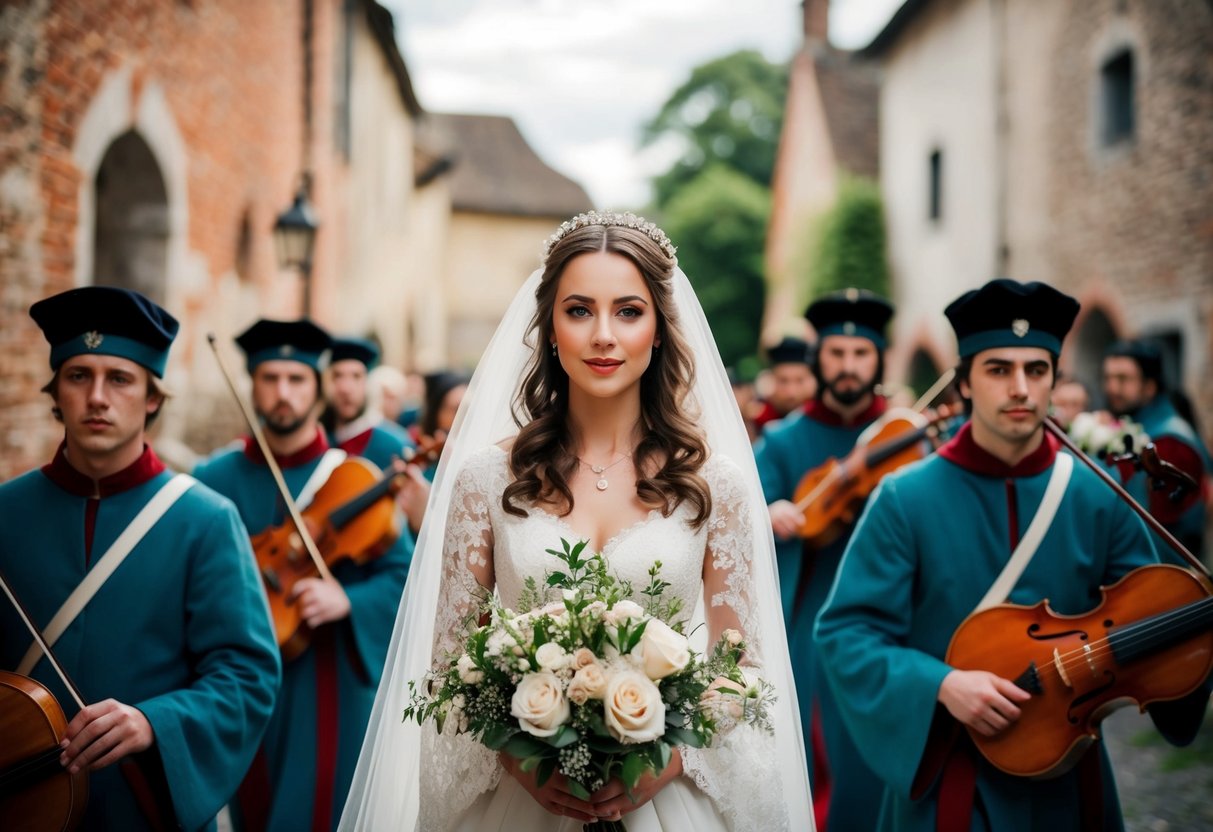
When you think about weddings today, many customs have deep roots in history. The concept of a bride has evolved, but the excitement surrounding this role remains strong.
By exploring the Old English origins, you can appreciate how these traditions have carried on through the centuries and how they continue to influence modern weddings.
As you dive deeper into the topic, you’ll discover fascinating insights into the significance of the word “bryd” and the customs that have shaped the way we celebrate marriage today. This journey into language and tradition will not only enhance your knowledge but also enrich your understanding of weddings and the roles within them.
Origins and Etymology of ‘Bride’
The word “bride” has fascinating roots you can explore. It comes from the Old English term bryd, meaning a woman who is newly married or about to be married.
This Old English word is linked to Proto-Germanic bruthiz, which meant “woman being married.” This shows how words can connect across languages and time.
You might see similar words in other languages too. For example, in Old Frisian, the word is breid. In Dutch, it is bruid, and in German, you find Braut.
The Middle English period also recorded the word, as it evolved from its Old English form.
Understanding these connections helps you appreciate the word’s history. Each language carries a bit of its past, making it rich and interesting.
So, next time you hear “bride,” you can think about its journey from bryd in Old English to its current form. It’s a small piece of a much bigger linguistic puzzle!
Cultural Significance and Marriage Customs
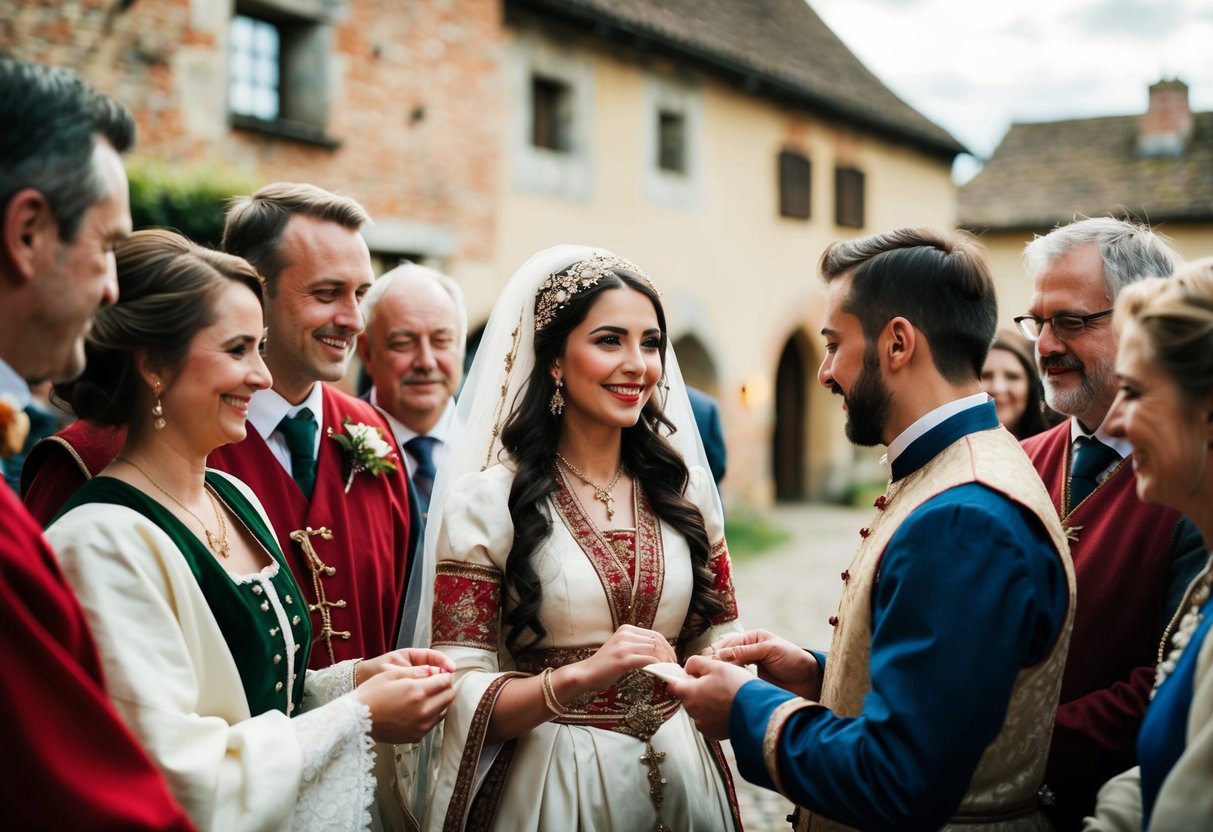
Marriage customs hold deep cultural significance across different societies. Understanding these traditions gives insight into how various cultures celebrate love and commitment. From bride prices to unique ceremonies, each aspect reflects values and beliefs that shape the marriage experience.
Traditions from Around the World
Around the globe, traditions associated with brides and marriage vary widely. In some cultures, a bride price is paid by the groom’s family, symbolizing the value of the bride. In others, a dowry is given by the bride’s family to ensure her well-being.
In India, for example, weddings often last several days. They include vibrant celebrations, rituals, and gatherings with loved ones. In many Western cultures, a more straightforward approach is taken, centered on the exchange of vows.
These traditions highlight the cultural context of marriage. They create a sense of community, showing how both families unite through the partnership.
The Marriage Ceremony
Marriage ceremonies can be elaborate or simple, but they always mark a significant union. Rituals vary: some couples exchange rings, while others may light candles.
In a traditional Western wedding, the bride walks down the aisle, showcasing her dress and symbolizing her journey to commitment. In contrast, in some African cultures, ceremonies involve group dancing and colorful attire, emphasizing community involvement.
Each ceremony serves as a public commitment of love and partnership. Whether simple or elaborate, they celebrate the beginning of a new chapter in life, highlighting both the couple’s future and their cultural heritage.
Roles and Representations
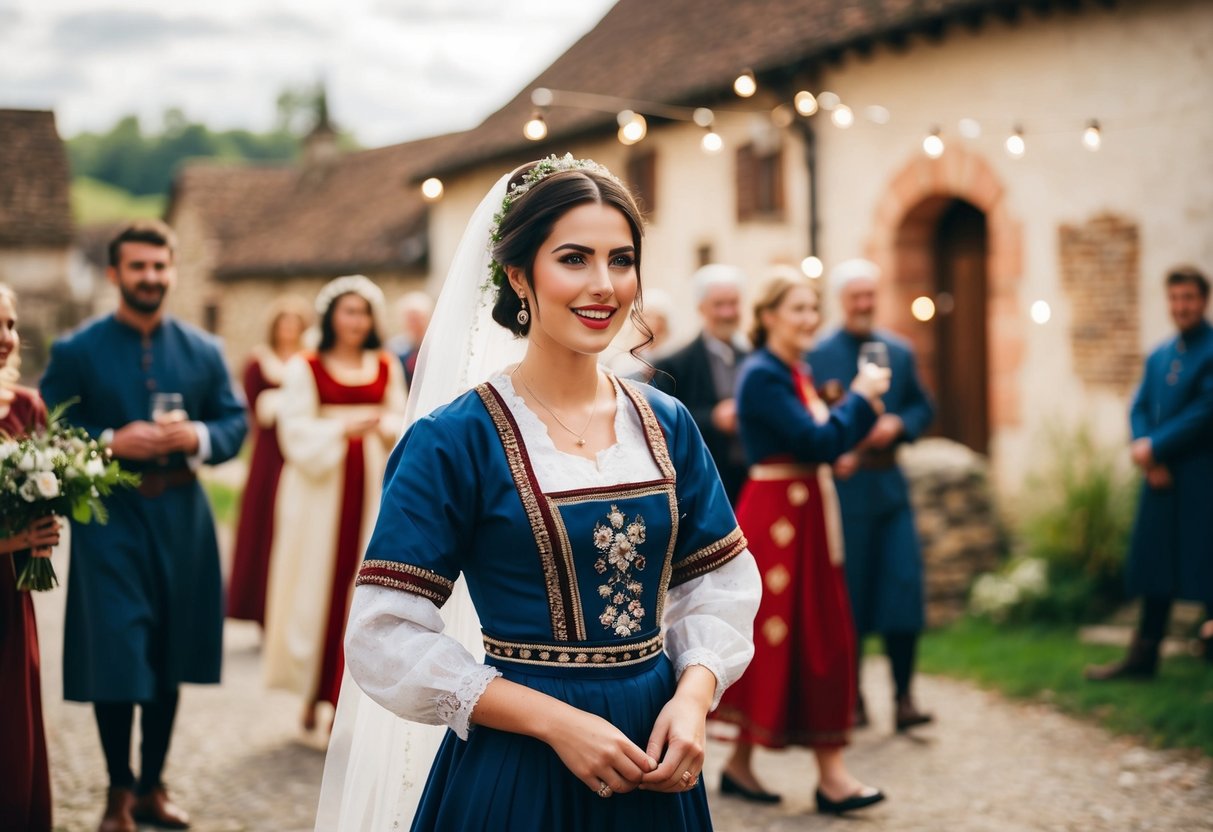
When it comes to weddings, the roles of individuals involved carry unique meanings and traditions. From the bridal party to different types of brides, each role adds to the celebration in remarkable ways.
The Bridal Party
The bridal party plays a vital part in the wedding ceremony. This group typically includes the bride, groom, bridesmaids, groomsmen, bridesman, and sometimes, a maid of honor.
- Bridesmaids support the bride, helping her prepare for the big day.
- Groomsmen often assist the groom with planning and logistics.
- Bridesman or male attendants can join the party, adding a modern twist.
Each person in the bridal party adds to the celebration, providing emotional support and ensuring everything runs smoothly. Their roles reflect the balance of responsibilities and the joy of unity during the wedding.
Different Types of Brides
Brides come in various forms, each with a distinct story. Common types include:
- Newlyweds are typically excited about their future together.
- War brides married soldiers during wartime, often facing challenges.
- Child brides sometimes marry young due to cultural traditions.
- Mail-order brides seek partnerships through international matchmaking.
- Picture brides used photographs to arrange marriages across distances.
Understanding these categories helps appreciate the diverse meanings behind the term “bride.” Each type has its significance in culture and society, showcasing the rich tapestry of wedding customs.
Symbolism in Bridal Attire and Accessories
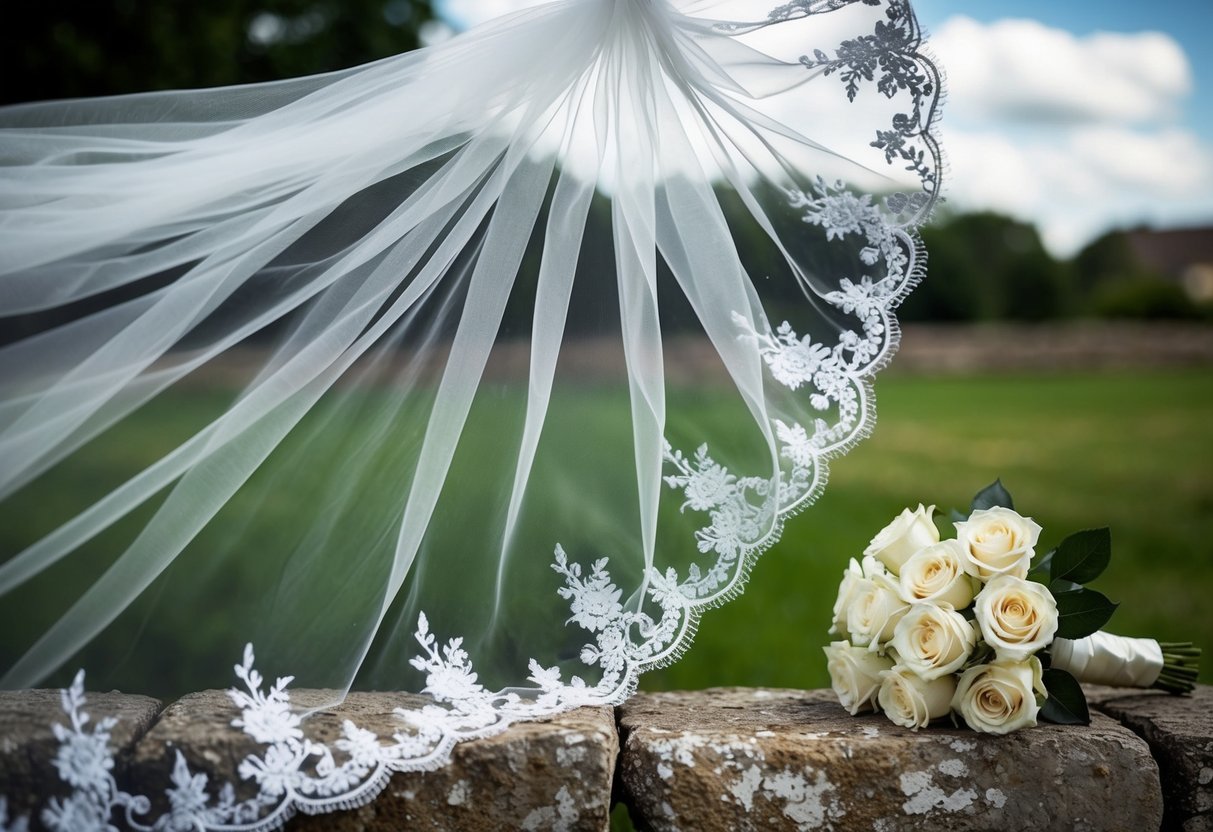
Bridal attire and accessories carry deep meanings that reflect traditions and values. From the gown to the bouquet, each element has its own symbolism, highlighting themes like purity, hope, and beauty.
The Wedding Dress and Veil
The wedding dress is often white, symbolizing purity and innocence. This tradition dates back to Queen Victoria, who popularized white dresses in the 19th century. Many brides feel like a blushing bride in this special attire, as it marks their entry into a new life.
The veil serves as a powerful accessory. Traditionally, it was thought to ward off evil spirits. It also represents modesty and the bride’s transition from her family to her husband. Wearing a veil adds an air of mystery and elegance to the overall bridal look.
The Meaning Behind the Bouquet
Bouquets are significant in bridal customs. Flowers often symbolize different feelings. For example, roses represent love, while lilies symbolize purity. The combination of these flowers can convey your personal message for the day.
Carrying a bouquet also ties into the theme of hope. Many brides believe that the flowers bring good luck in marriage. In some traditions, tossing the bouquet at the wedding signals that the next person to marry will catch it and find love. This playful act continues to be a fun part of wedding celebrations.