
What Is the Order of Precedence Seating? Understanding Formal Event Seating Arrangement Rules
Understanding order of precedence seating helps you navigate social and formal events with ease. This system outlines the proper ranking of individuals based on their status, ensuring that everyone knows where to sit.
Whether at a wedding, a diplomatic event, or a business meeting, correct seating arrangements reflect respect and honor.
When you grasp the basics of this protocol, you enhance the experience for everyone involved. Knowing who sits where can prevent awkward situations and promote smooth interactions. This can be especially important in settings where hierarchy matters, such as government, military, or corporate gatherings.
Being familiar with order of precedence seating allows you to participate more fully and confidently in any event. You’ll not only impress your peers but also foster an atmosphere of mutual respect. Understanding these seating arrangements can make the difference in how an event flows and how guests feel.
Understanding the Basics of Order of Precedence
The order of precedence refers to the rules used to determine the ranking of guests at formal events. This system is important for creating appropriate seating arrangements based on various factors.
Key Factors in Order of Precedence:
- Seniority: Higher-ranking individuals usually sit in the front or center.
- Protocol: Specific guidelines help decide who is more important based on titles or roles.
- Etiquette: Following these rules shows respect and maintains harmony at events.
In formal settings, such as banquets or ceremonies, proper etiquette is crucial. Seating arrangements are made to honor relationships and status.
Typical Seating Order:
- Host/hostess
- Guest of honor
- VIPs and senior officials
- General guests
You might notice that the guest of honor often has a special position next to the host. This shows acknowledgment of their importance.
Understanding and applying the order of precedence helps create a respectful atmosphere at events. It guides you in how to arrange seating properly, ensuring everyone feels valued.
The Protocol for Government Officials
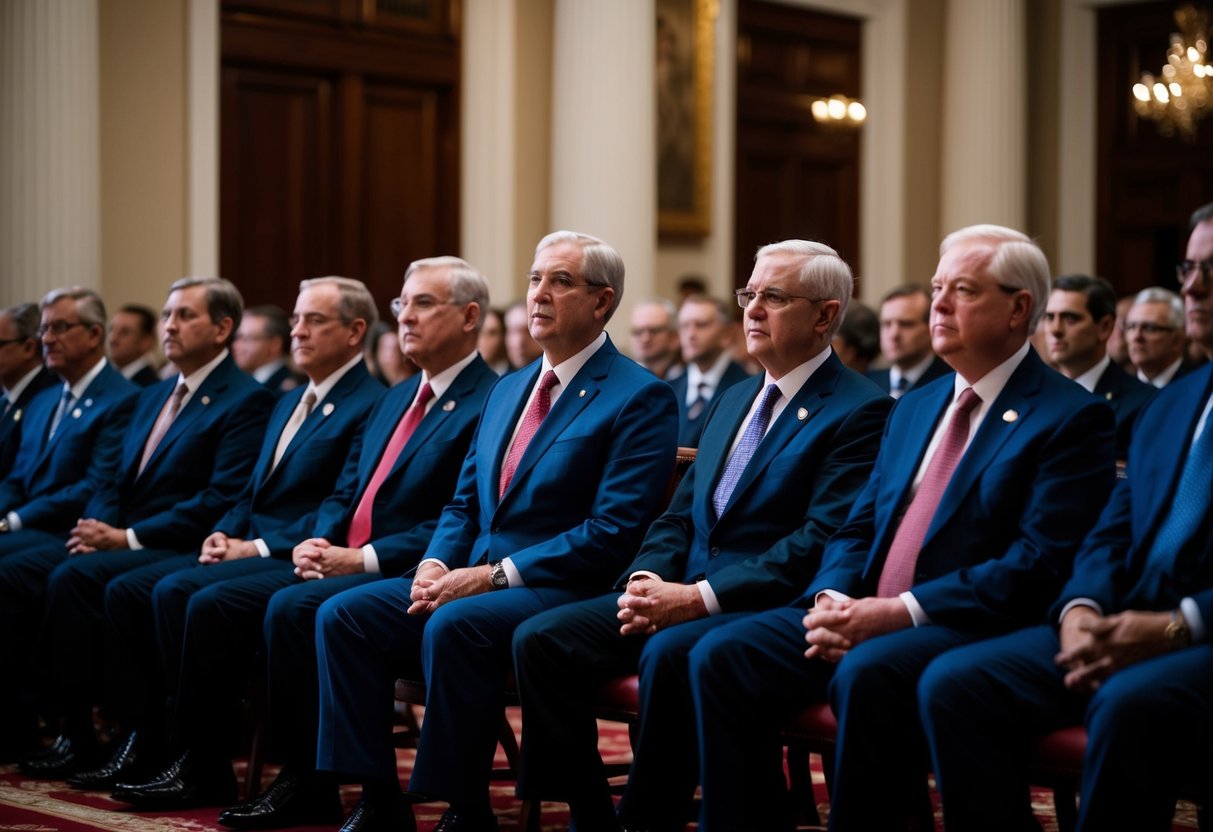
When it comes to seating arrangements, the protocol for government officials is essential. It ensures that the right people sit in the right places during official events. This section covers key aspects of how this protocol works across various levels of government.
Federal Executive Office Considerations
In the federal government, the order of precedence is particularly important. The President of the United States holds the highest position, followed by the Vice President and then members of the Cabinet. This includes the Secretary of State, who is often seen as a key player in both domestic and international affairs.
Former presidents also hold a prominent place during official functions. They are usually seated near the current president, recognizing their past leadership. This arrangement shows respect for their service and helps maintain order during significant events.
The executive departments follow in rank, with their heads being acknowledged based on their role and seniority. This system ensures clarity and respect during formal gatherings.
Legislative and Judicial Branches
In the Legislative Branch, officials such as senators and representatives from the House of Representatives are ranked by seniority. The Speaker of the House occupies a leading position, followed by the Majority and Minority Leaders.
When seating judges from the Judicial Branch, the highest-ranking judge, often the Chief Justice, is seated first. Other justices are then arranged based on their seniority. This thoughtful arrangement reflects the balance of power between branches and acknowledges their distinct roles within the government.
State and Local Government Officials
At the state level, the Governor typically ranks highest during official events. When governors gather with federal officials, they are seated according to their state’s size and importance.
Local officials, including mayors and council members, follow state leaders in importance. Their seating reflects the structure of local governance and acknowledges their role in serving community needs.
Special Event Seating Strategies
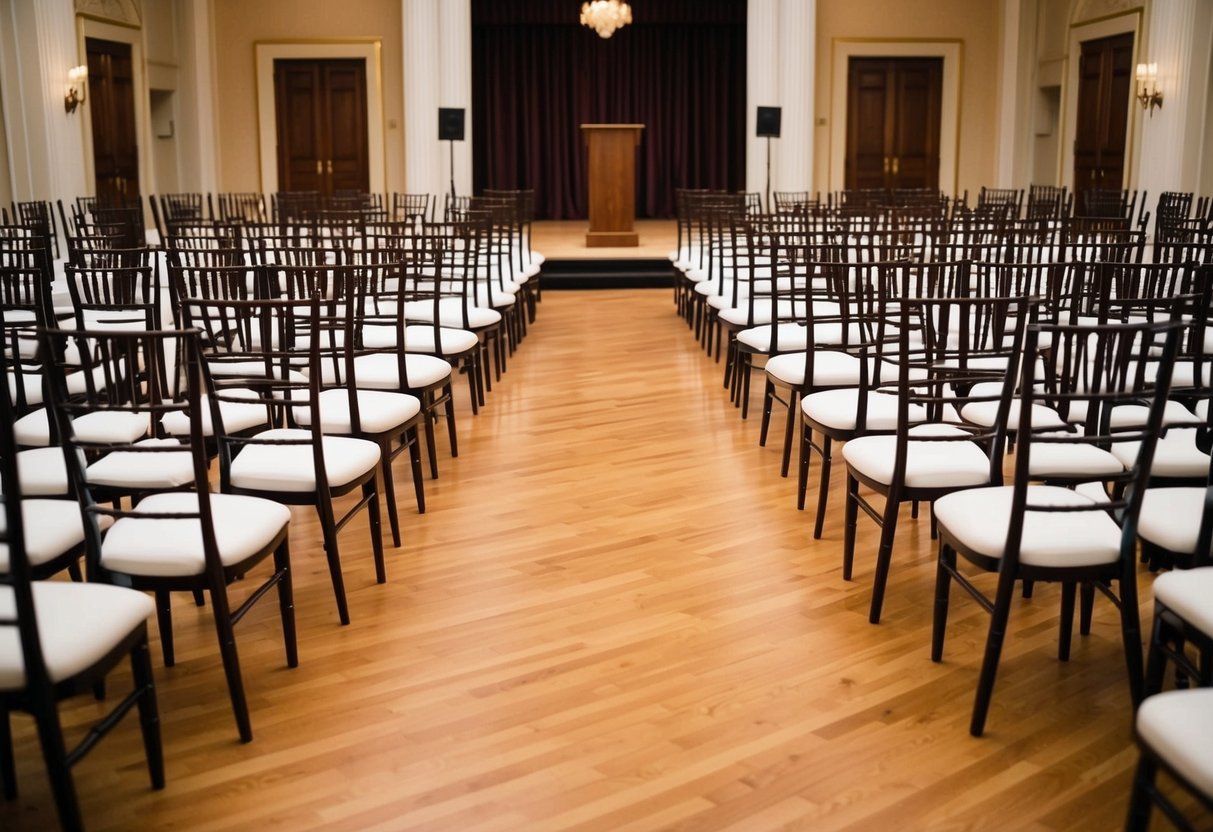
Seating arrangements play a crucial role in the success of special events. You want to ensure that each guest feels welcomed and knows their position and rank, especially during formal occasions. Below are effective strategies for different types of seating setups.
Formal and Ceremonial Functions
For formal and ceremonial occasions, creating a clear seating plan is essential. Start by placing the highest-ranking guests in prime positions. This means seating them closest to the host.
Consider using a linear arrangement, where guests are seated in a straight line or U-shape. This promotes visibility and ensures everyone can engage in conversations.
In a ceremonial context, having designated seats for key individuals can enhance the event’s significance. It’s also wise to prepare name cards to guide guests to their assigned spots. This adds a polished touch and helps avoid confusion.
Round Table and Social Event Setups
Round tables promote interaction and engagement, making them ideal for social events. They allow everyone to see each other, fostering conversation. You should consider the number of guests per table to maintain comfort.
When setting up round tables, place guests with similar interests or relationships together. This enhances the overall experience for everyone. You can also mix guests of different rankings to encourage networking.
It can be helpful to have a seating chart available outside the event to inform guests of their assigned tables. This approach creates a friendly atmosphere and makes it easier for guests to mingle while respecting their positions.
Incorporating Military and Diplomatic Protocol
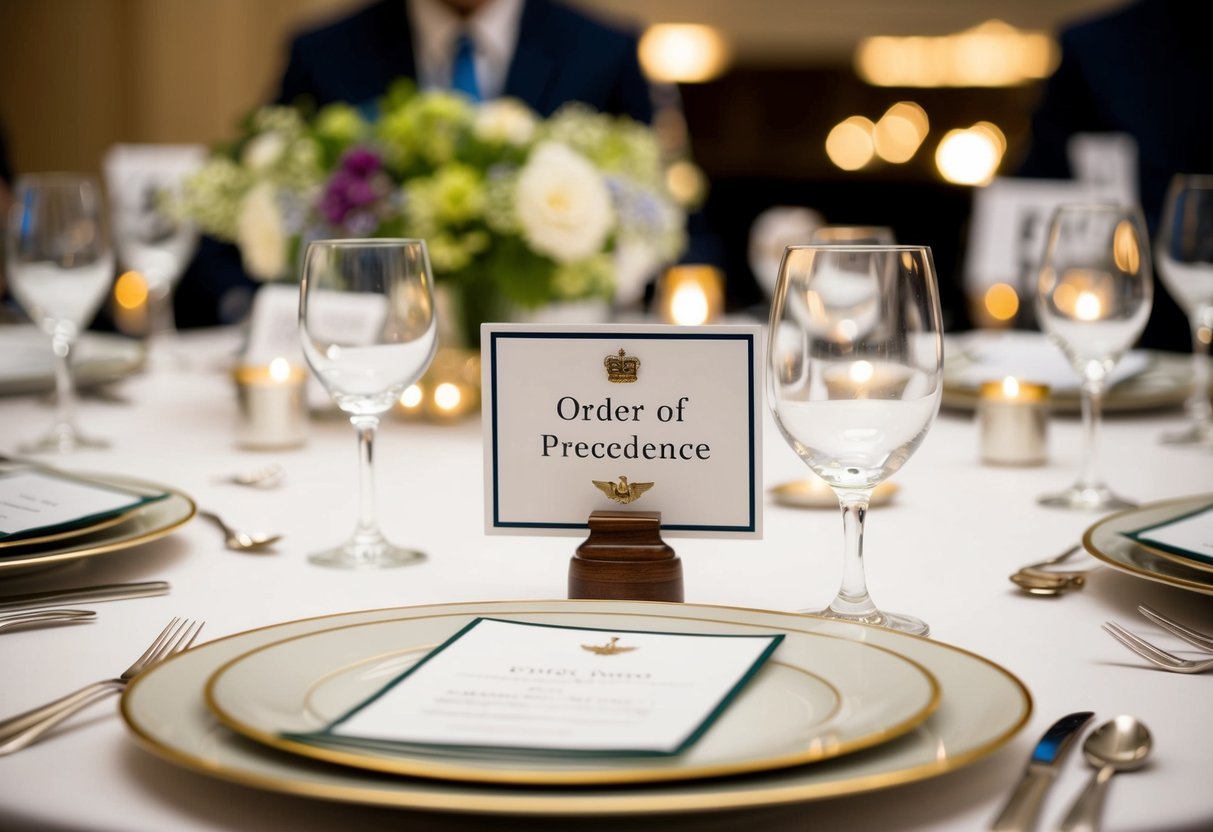
Understanding military and diplomatic protocol is crucial for proper seating arrangements. This ensures that everyone’s rank and position are respected during formal events.
Military Personnel and Ranks
When seating military personnel, rank significantly matters. The highest-ranking officials, like Admirals and Generals, should always be placed at the head of the table.
In a typical military setting, joint chiefs of staff hold top positions, followed by assistant secretaries and other officers. Retired officers may be seated based on their last held rank.
In a more casual setting, it’s still good practice to recognize the standing of each individual. Ensure that the seating reflects hierarchy, making everyone feel acknowledged while attending the event. This respect fosters better communication and relationships.
Ambassadors and International Representatives
Seating for ambassadors and international representatives follows strict guidelines. The host country usually decides the order. Generally, the ambassador of the nation where the event takes place holds the highest seat, followed by other consuls general.
When multiple foreign officials attend, arrange them based on rank and the countries they represent. This order reflects the Department of Defense protocols, which helps maintain diplomatic decorum.
Failing to follow seating protocols may lead to misunderstandings and create offense. Respecting their rank fosters goodwill and helps in building strong international ties.