
What Is the Penalty for Fake Marriage in the UK? Understanding the Consequences and Legal Ramifications
If you are considering getting married in the UK, it’s important to understand the legal implications. Engaging in a sham marriage for the purpose of gaining UK immigration or legal immigrant status can lead to serious consequences. The penalty for fake marriage can include significant fines and even imprisonment for those involved.
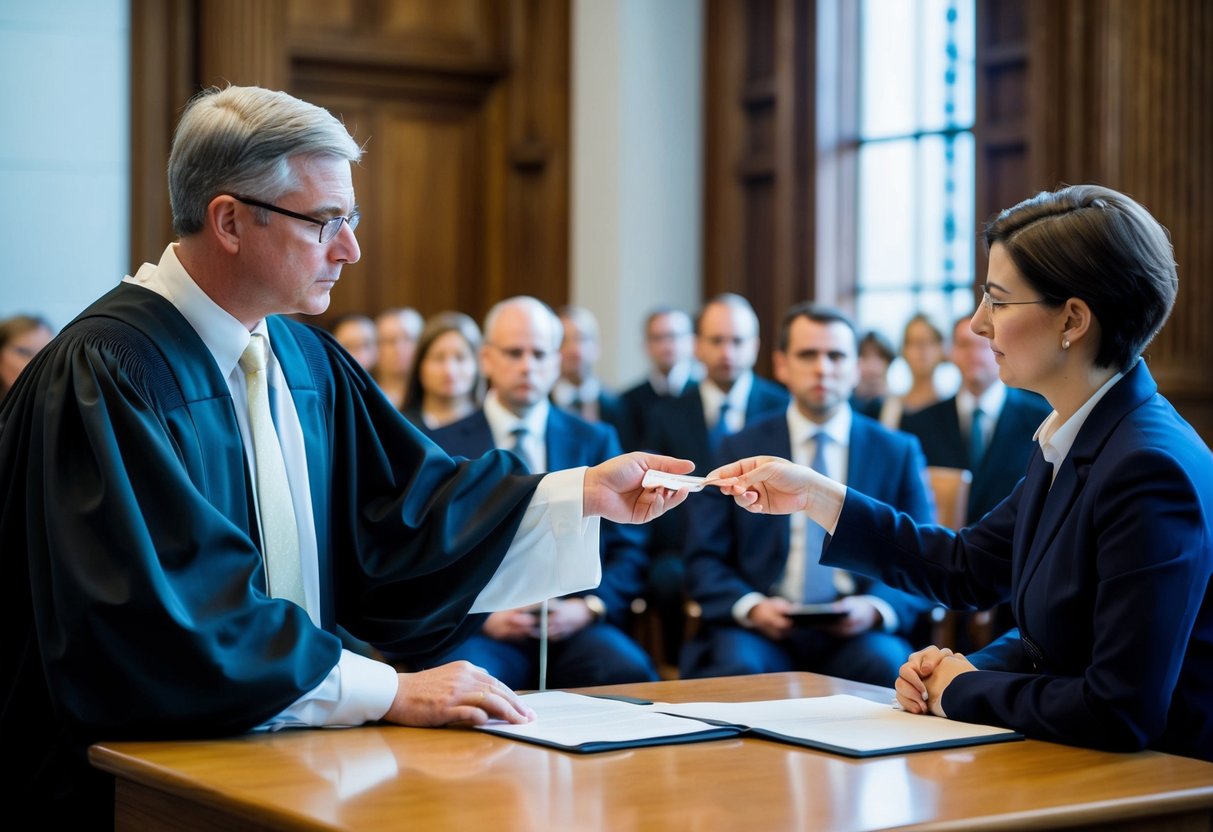
Sham marriages are often seen as a way to bypass immigration controls, but authorities take these cases very seriously. If you are caught participating in marriage fraud, you could face legal action that not only affects your immigration status but also your ability to travel or live legally in the UK in the future.
Navigating the rules around marriage and immigration can be tricky. Understanding the penalties involved may help you make informed decisions about your future and relationships.
Let’s explore this topic in detail and uncover what you need to know about the risks of fake marriages in the UK.
Understanding Sham Marriages and Immigration Fraud

Sham marriages are recognized as serious offenses in the UK, particularly concerning immigration laws. Understanding these terms can help you navigate the complexities of legal relationships and avoid penalties associated with fraud.
Defining a Sham Marriage
A sham marriage is a legal union entered into for the purpose of gaining immigration benefits rather than for genuine companionship. In the UK, this means one partner typically seeks to obtain a visa or residency through marriage. Authorities take this seriously, as it undermines the integrity of immigration laws.
Sham civil partnerships also fall under this category. These are often viewed with the same scrutiny as traditional marriages. Governments aim to prevent abuse of the immigration system by identifying and penalizing these arrangements.
Marriages of Convenience vs. Genuine Relationship
A marriage of convenience refers to a partnership where at least one party primarily benefits in a way that is not emotional or romantic. While these can sometimes be sincere arrangements (like combining finances), they can also be part of immigration fraud.
In contrast, a genuine relationship involves emotional support, companionship, and commitment. If you are considering marriage, ensure it is based on love and trust. Authorities evaluate the authenticity of marriages, looking for indicators that reflect true connections between partners.
How Sham Marriages are Identified
Authorities utilize various methods to identify sham marriages, conducting investigations and interviews. These investigations may include reviewing your living situation, finances, and social interactions with your partner.
Immigration officers often look for inconsistencies in statements. For example, they might question how you met your partner or ask about shared experiences. Documenting your relationship, such as photos and communication logs, can help.
Both marriage and civil partnerships undergo scrutiny to ensure authenticity. Be prepared to demonstrate the validity of your union to avoid issues.
Legal Repercussions and Penalties
When individuals engage in fake marriages in the UK, they face serious legal consequences. Understanding the specifics of these repercussions can help you stay informed and aware of the laws surrounding marriage and immigration.
Offences and Immigration Law
Fake marriages fall under immigration fraud in the UK. When you enter into a marriage solely for immigration benefits, it is considered a serious offence. This can lead to criminal charges, with penalties including imprisonment for up to seven years.
Additionally, under UK immigration law, authorities may initiate investigations into your marriage. The Home Office closely monitors marriage registrations and can conduct inquiries if fraud is suspected. Such actions can impact your immigration status significantly.
Role of the Home Office and Crown Prosecution Service
The Home Office is responsible for controlling immigration in the UK. They investigate suspected cases of marriage fraud and can issue removal orders for those found guilty. Their role is crucial in ensuring that marriages are genuine and not used to bypass immigration controls.
The Crown Prosecution Service (CPS) then takes on the responsibility of prosecuting these cases. If the Home Office presents a case of fraud, the CPS can bring charges against individuals involved. Their collaboration is vital for maintaining the integrity of the immigration system.
Consequences for Individuals Involved
If you’re found to have participated in a fake marriage, you may face severe consequences. First, you could be subject to deportation. This means you may be removed from the UK and barred from returning for a set period.
Additionally, both you and your partner may incur hefty fines or face imprisonment. Your immigration status will also be jeopardized. This could mean losing your right to remain in the country or even being denied future visas.
It’s important to note that being involved in a fraudulent marriage not only has immediate legal penalties but can also affect your long-term ability to travel or reside in the UK.
Preventative Measures and Investigation Process

To combat fake marriages, the UK has implemented various measures aimed at prevention and investigation. These efforts involve multiple agencies and processes working together to ensure compliance and integrity in marriage registrations.
Immigration Compliance Efforts
The Home Office plays a key role in monitoring and regulating marriages in the UK. Immigration compliance efforts include regular training for staff on how to detect and report suspicious marriages.
Additionally, the Home Office collaborates with local authorities and law enforcement to investigate possible cases of sham marriages. They analyze patterns and trends, which help identify instances of organized crime related to marriage fraud.
This extensive monitoring system works as a deterrent. It ensures that only legitimate marriages are allowed, helping to protect the integrity of the immigration system.
Designated Register Offices’ Role
Designated Register Offices are crucial in the marriage registration process. These offices receive special training on spotting fraudulent applications and understanding common indicators of sham marriages. When an application raises suspicion, staff are trained to take appropriate action.
They may request further documentation or conduct interviews to gather more information. If they suspect fraud, they have the authority to report these cases to the Home Office for further investigation. In this way, they act as the first line of defense against marriage fraud.
This cooperation between offices enhances the effectiveness of marriage investigations.
Tools for Immigration Enforcement
Immigration enforcement uses a variety of tools to address sham marriages. One crucial tool is the sham marriage investigation scheme, which allows officials to scrutinize the circumstances of proposed marriages.
This includes checking for discrepancies in personal information or details about the relationship. Furthermore, they handle any cases involving organized crime rings more rigorously, as these can have deep connections to illegal immigration.
The use of freedom of information requests helps gather intelligence about suspected fraudulent activities, keeping enforcement proactive. Together, these tools form a comprehensive approach to uphold the integrity of the marriage process in the UK.
Implications of Sham Marriages on Immigration Policy

Understanding the effects of sham marriages on immigration can help you navigate the complexities of the system. In the UK, these marriages can significantly impact residency rights and immigration policies, especially post-Brexit.
Impact on EU Settlement Scheme
The EU Settlement Scheme allows EU citizens and their families to secure their residency rights in the UK. However, if a marriage is deemed sham, it can lead to denial of rights within this scheme.
Key Points:
- Applications may be refused if authorities suspect a marriage is not genuine.
- Couples may need to provide evidence of a real relationship, including joint finances or cohabitation.
Getting a spouse visa under these circumstances requires careful documentation. If a marriage is found fraudulent, the consequences could lead to deportation and a ban on future entry.
Changes in UK Immigration Post-Brexit
Following Brexit, the UK has introduced new immigration rules that specifically address issues like sham marriages. The government is more vigilant in preventing marriage fraud aimed at gaining residency.
Key Changes:
- EU citizens now face the same immigration checks as other nationalities.
- The Immigration and Asylum Act 1999 outlines specific laws against marriage fraud.
If officials suspect a sham marriage, they can conduct thorough investigations. This scrutiny means that both EU and non-EU citizens may find it harder to obtain residency through marriage alone.
Rights and Risks for European Economic Area Nationals
If you are a European Economic Area (EEA) national, stricter immigration policies now affect your rights. You still have the right to reside in the UK, but sham marriages can jeopardize those rights.
Considerations:
- EEA nationals may face closer scrutiny if they marry a UK citizen.
- Proven marriage fraud can make you lose your settlement rights.
To protect your residency rights, make sure that your marriage is genuine and well-documented. Couples should also be aware of their responsibilities and the implications of their marital status on immigration.