
What is the Personality of a Wedding Planner? Insights into Their Unique Traits
As you dive into the world of wedding planning, you might wonder what it takes to succeed in this exciting field. Wedding planners typically possess a unique blend of personality traits that help them excel in creating unforgettable experiences for couples. These traits include openness, which allows them to be imaginative and embrace new ideas, and conscientiousness, ensuring they are organized and reliable in executing plans.
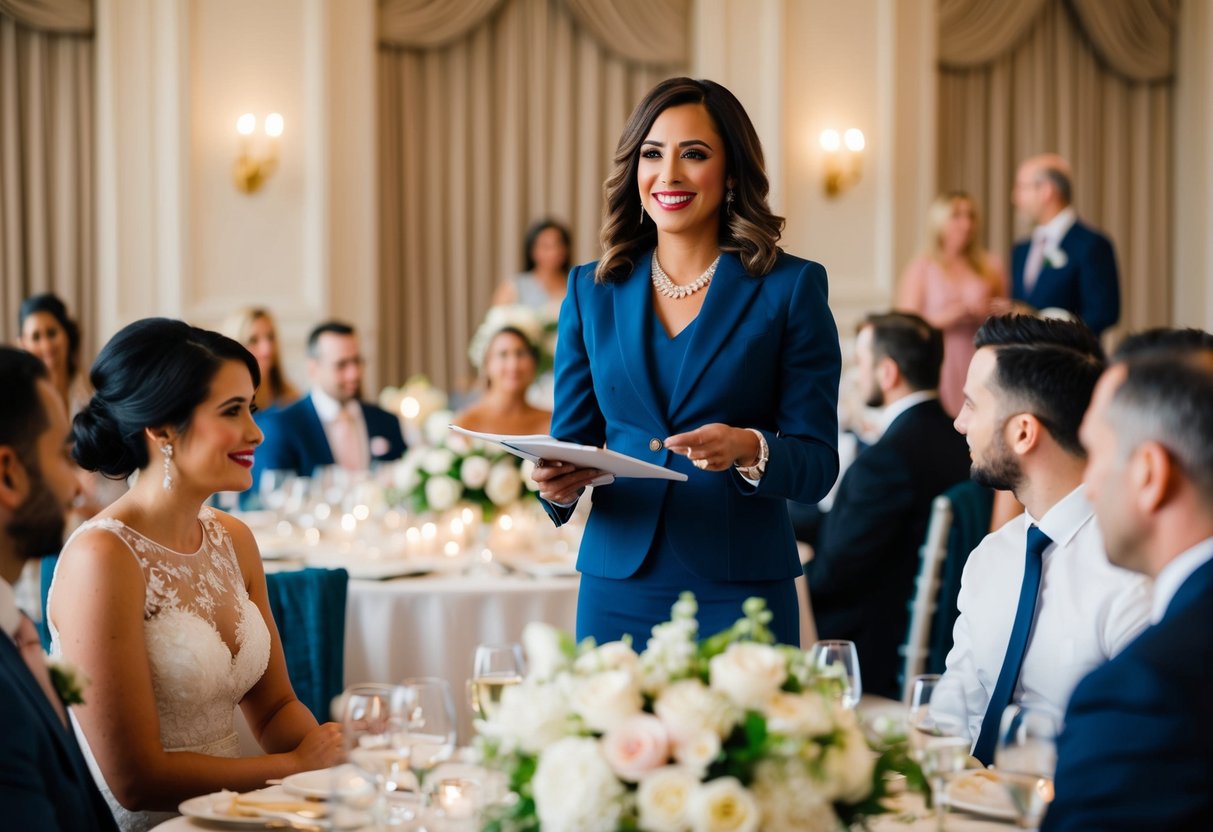
Communication skills are also vital. A successful wedding planner listens carefully to clients’ needs and works well with vendors. They remain calm under pressure and adapt to unexpected challenges, helping to ensure everything runs smoothly. The right mix of charisma and flexibility makes it easier for you to connect with clients and navigate the often emotional journey of wedding planning.
If you’re curious about what personality traits make an ideal wedding planner, understanding these qualities can inspire you as you explore this rewarding career path.
Core Personality Traits of a Wedding Planner
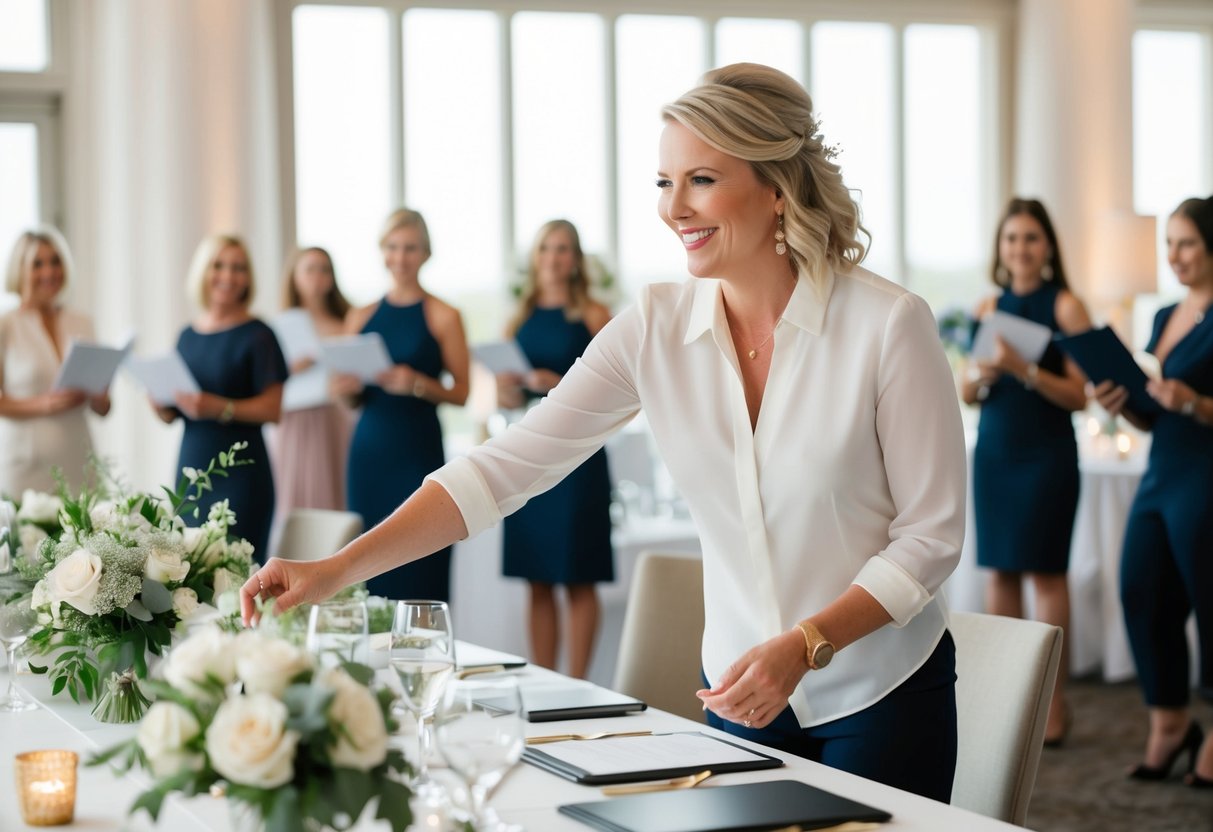
Wedding planners possess a unique mix of personality traits that make them successful in their roles. Key qualities include creativity, excellent organizational skills, and strong interpersonal skills. These traits help them navigate the challenges of planning a memorable event.
Creativity and Artistic Vision
As a wedding planner, your creativity shines through your artistic vision. This means you can design stunning weddings that reflect the couple’s personality.**
You often brainstorm creative themes, decor ideas, and innovative solutions to bring those visions to life. Your ability to think outside the box is vital for problem-solving when unexpected issues arise.
Many planners spend time keeping up with trends and developing their creative talents to make each wedding unique. Whether it’s coming up with a new way to arrange flowers or designing a themed reception, your creativity sets you apart.
Organizational Mastery
Strong organizational skills are essential for any wedding planner. You need to manage a multitude of details, from budgets to schedules. Your organizational mastery helps ensure no aspect of the wedding is overlooked.
Using tools like checklists and timelines allows you to keep track of tasks effectively. Attention to detail is also important in this role; every element must align with the couple’s vision.
Good time management is another aspect of organization that you must master. Balancing various tasks and deadlines ensures that everything runs smoothly on the big day.
Interpersonal Skills and Empathy
Interpersonal skills play a crucial role in your job as a wedding planner. You must communicate effectively with clients, vendors, and guests. Listening to the couple’s needs and desires ensures that you create a wedding that feels personal and special.
Your empathy allows you to understand the emotions and stresses your clients may feel. Your patience helps you navigate tense situations, keeping everyone calm and focused. Leading with compassion and understanding fosters a trusting relationship that makes working together enjoyable.
By honing these interpersonal skills, you become a partner in the wedding planning journey, helping couples through every step.
Professional Skills and Experience

In the wedding planning industry, having the right skills and experience is crucial for success. You need to communicate well, solve problems quickly, and manage events effectively. Each of these areas plays a significant role in helping you stand out as a wedding planner.
Effective Communication and Problem-Solving
Strong communication skills are essential for a wedding planner. You’ll work with brides, grooms, vendors, and venues. Clear, concise conversations ensure everyone is on the same page. This helps avoid misunderstandings and confusion.
Problem-solving is another key skill. Events can change at a moment’s notice. You need to think on your feet and find solutions quickly. Whether it’s a vendor cancellation or last-minute weather changes, knowing how to address issues keeps the event running smoothly.
Event Planning Expertise
Expertise in event planning is necessary for organizing successful weddings. You should have a deep understanding of all aspects of planning a wedding. This includes timelines, themes, and vendor coordination. Developing a detailed checklist can be helpful in managing your tasks.
Hands-on experience is invaluable. Working on various events enhances your knowledge of what works best. Each wedding is unique, so learning from past experiences helps you adapt to new challenges. You’ll build a reputation for professionalism and reliability in the industry.
Financial and Budget Management
Budget management is a critical skill for any wedding planner. You need to create budgets that align with clients’ expectations and needs. Understanding costs for venues, catering, and decorations will help you make informed decisions.
Keeping track of expenses throughout the planning process is vital. Use spreadsheets or budgeting software to monitor spending. This transparency builds trust with your clients. An effective financial strategy can ensure a beautiful wedding within budget, leading to satisfied couples and recommendations for future work.
Building a Trustworthy Reputation
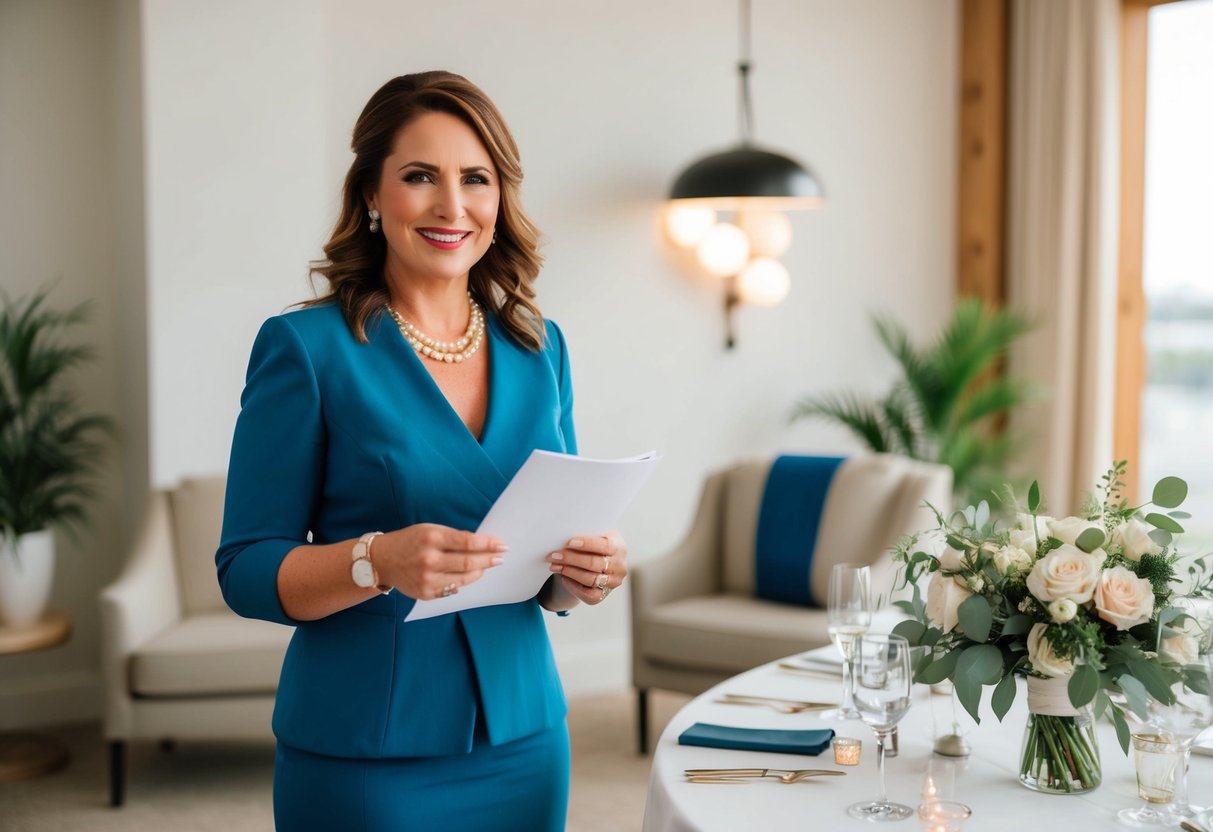
When you’re hiring a wedding planner, a trustworthy reputation is essential. It helps ensure your big day runs smoothly. Trust comes not just from experience but also from the planner’s ability to build strong relationships and be reliable and flexible.
Cultivating Professional Relationships
To build trust, your wedding planner must cultivate positive relationships with various wedding vendors and service providers. This means networking with caterers, florists, and venues. Strong connections help planners negotiate better prices and services for you.
Your planner should also communicate openly with you throughout the planning process. They need to listen to your ideas and preferences with charisma and enthusiasm. This approach makes you feel valued and understood.
A planner who treats their connections well builds a trustworthy reputation. They become known for their reliability and care, ensuring you have the best team for your wedding.
Ensuring Reliability and Flexibility
Reliability is a key trait of a good wedding planner. You want someone who follows through on their promises and sticks to important deadlines. This means they should provide you with updates and be available for discussions.
Flexibility is equally important. Planning a wedding can come with surprises. Your planner should adapt to changes calmly and efficiently. If a vendor needs to change a date or style, your planner should handle it without stress.
A passionate wedding planner is one who genuinely cares about your vision. This passion drives their commitment to ensure everything aligns with your dreams. Trust in your planner’s ability to manage challenges and you’ll enjoy a better wedding planning experience.
Navigating the Wedding Industry
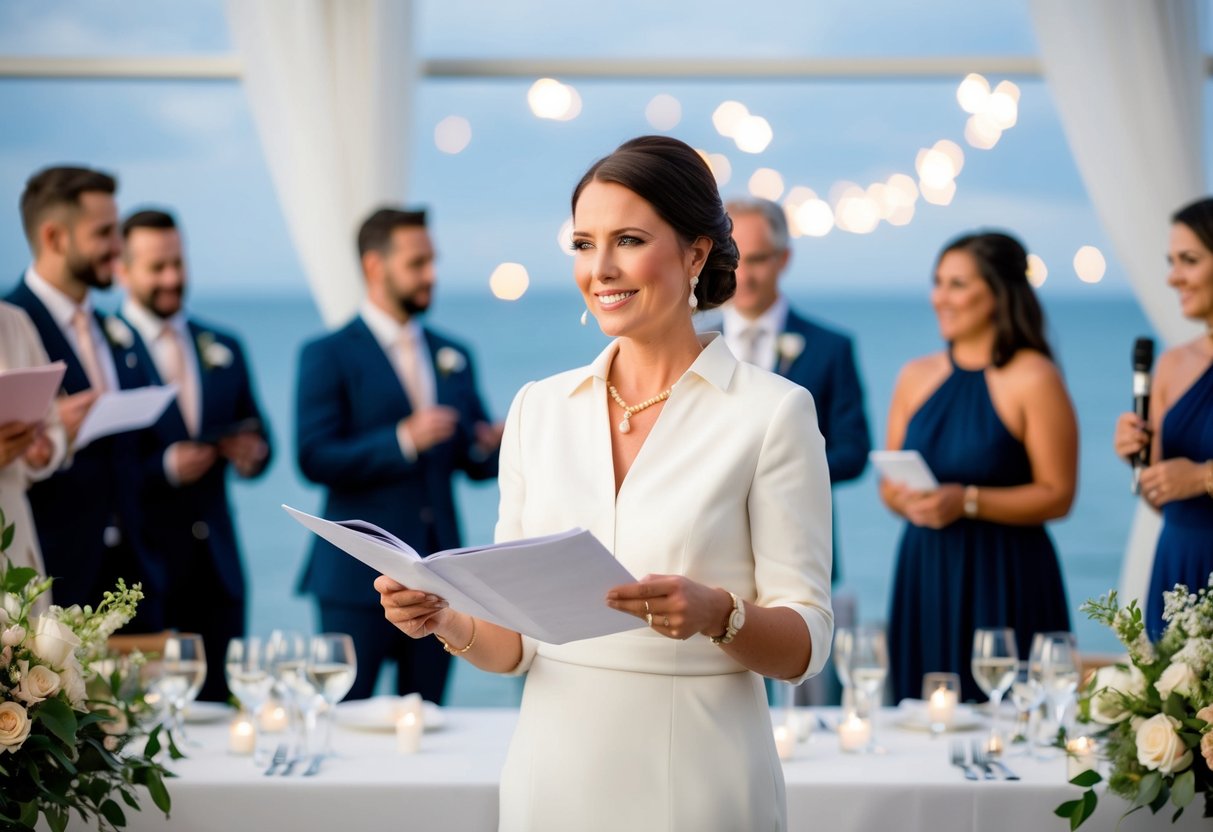
Navigating the wedding industry requires clear communication and strong organization skills. You must work closely with various vendors and select the perfect venue to create a memorable experience for your clients.
Working with Vendors and Service Providers
When working with wedding vendors and service providers, communication is key. You need to establish good relationships that build trust and teamwork. Always be clear about your expectations and timelines.
Consider the following important vendors for a successful wedding:
- Caterers: Discuss menu options that fit the couple’s vision and budget.
- Florists: Ensure they understand the creative vision and color palette.
- Photographers: Review the couple’s preferred styles and must-have shots.
Managing these relationships requires organization. Use tools like spreadsheets or planning apps to keep track of vendor contacts, contracts, and responsibilities. This way, you can ensure every detail aligns with the couple’s wishes.
Selecting the Perfect Wedding Venue
Choosing the right wedding venue can transform the wedding experience. Think about the couple’s style, guest count, and budget when exploring options. If they prefer a beach wedding or an elegant ballroom, tailor your search accordingly.
Visit potential venues and take notes on key features like:
- Capacity: Does the venue comfortably host their guest list?
- Ambiance: Does it match the couple’s desired theme?
- Accessibility: Is it easy for guests to reach?
Venue selection also involves understanding logistics, like parking arrangements and vendor access. Collaborate with the venue coordinator to iron out these details. This proactive approach helps you create a seamless experience, just like renowned planner David Tutera would recommend.