
What Is the Proper Seating Arrangement for a Wedding? A Guide to Making Your Guests Comfortable
Planning a wedding involves many details, and one important aspect is the seating arrangement. The proper seating arrangement for a wedding ensures that your guests feel comfortable and enjoy the celebration.
It’s not just about where people sit; it’s about creating a welcoming atmosphere during both the ceremony and the reception.
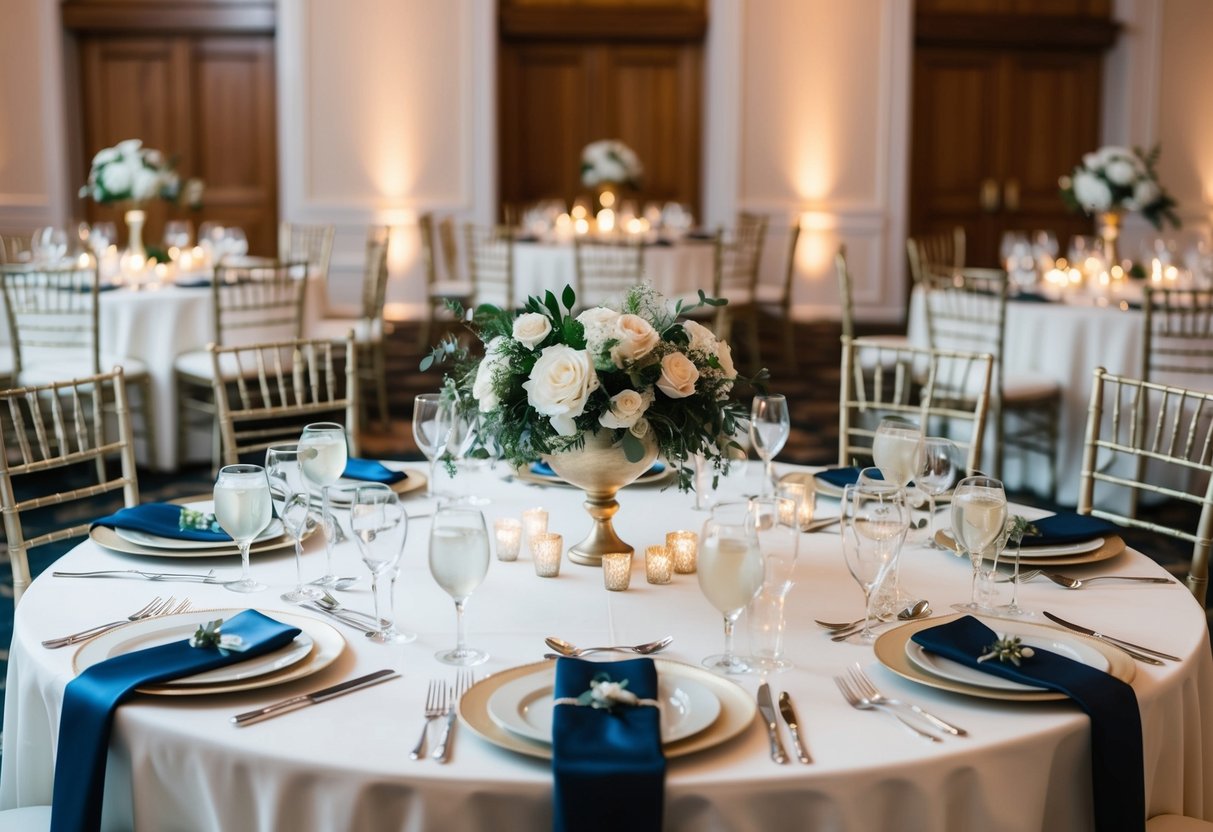
At the wedding ceremony, guests typically sit by the bride’s and groom’s sides. This offers a clear distinction between families and helps guests feel part of the couple’s special day.
During the reception, consider organizing tables so that guests can interact with friends and family, promoting a fun and engaging environment.
Getting the seating right can make a big difference in how much everyone enjoys the day. Keep in mind your guest list and the relationships among guests as you create your seating plan. This thoughtful approach will help you create memorable moments for everyone involved.
Understanding Seating Arrangements
Creating the right seating arrangement for a wedding involves thoughtful planning. You need to consider table shapes and the atmosphere you want to create for your guests. Each choice affects how people interact during the celebration.
Types of Seating Arrangements
There are different types of seating arrangements to choose from. The most common options include assigned seating and open seating.
Assigned seating means you place guests at specific tables. This can help avoid awkward situations by grouping friends or family members together.
Open seating allows guests to choose where to sit. This creates a relaxed vibe but can lead to some confusion, especially if the venue is large.
When using tables, you can opt for round tables for a more intimate feel. Alternatively, rectangular tables work well in a more formal setting. Think about the table shapes that best match your wedding theme.
Seating Chart Etiquette
Creating a wedding seating chart requires good etiquette. First, be sure to clearly display the seating chart in an easy-to-find location. This will guide your guests smoothly to their seats.
Label tables with numbers or names to help people find their spots. It’s also nice to group guests by relationships, such as families or friends. This helps create a friendly atmosphere.
Make sure to communicate your seating plan to your guests in advance if you have assigned seating. This gives everyone time to prepare and helps avoid last-minute confusion.
Assigning Seats vs. Open Seating
Choosing between assigned seats and open seating depends on your wedding style. Assigned seating can make the day feel organized. It gives guests a clear idea of where to go and helps you control the flow of the event.
On the other hand, open seating encourages mingling and socializing. Guests might enjoy the freedom to choose their seats and meet new people.
Ultimately, think about what will work best for you and your guests. Both options have their benefits. Just remember to plan ahead for whichever choice you make!
Planning the Wedding Reception Seating
Creating a comfortable and organized seating arrangement is essential for a smooth wedding reception. A well-planned seating chart helps guests find their spots easily and encourages a pleasant atmosphere throughout the event.
Creating the Wedding Seating Chart
Start your seating chart by listing all your wedding guests. Keep track of your guest count to ensure you have enough seats for everyone. You can use digital tools or templates to simplify this task.
Next, think about the different tables you’ll have. Consider a head table for you and your wedding party. A sweetheart table can be a sweet option for just the two of you.
Don’t forget to set aside space for the parents of the couple and think about a kids’ table for younger guests.
Ensure that every single guest knows where to sit, which helps prevent confusion on the big day.
Organizing Tables and Assignments
Giving thought to table assignments improves your guests’ experience. Group people based on their relationships. For example, place family members together and consider a singles table for single guests. This helps foster conversation and connections.
Use a layout that allows easy movement. Typically, round tables work well for guest interaction. Each table should have a designated number of seats, matching your seating chart.
Clearly label all tables with signs or numbers. This guiding system makes it easier for guests to locate their assigned spots.
Special Considerations for Guests
In planning your seating, think about the unique needs of your guests. Consider any dietary restrictions or accessibility concerns.
Placing guests with similar interests together can help create a lively atmosphere. If you have guests who don’t know each other well, mix them with those who are more outgoing to encourage conversation.
It’s also good to create a balance between different age groups to ensure all guests feel included.
Ceremony Seating Essentials
Creating a comfortable and respectful seating arrangement for your wedding ceremony is essential. This ensures that guests feel included and the event flows smoothly. Here are some key points regarding how to arrange seating effectively.
Seating Arrangement for the Wedding Ceremony
For the seating arrangement, consider a layout that allows all guests to see the ceremony clearly. A common choice is a traditional setup with rows of chairs facing the altar. You can use straight rows or a slight curve for a more intimate feel.
Important roles to consider:
- Ushers: They can guide guests to their seats and help direct the flow during the ceremony.
- Parents of the Couple: Usually, the bride’s family sits on the left, and the groom’s on the right. Make sure to designate the front rows for both families to honor their roles.
You might choose to include decorative elements like flowers along the aisles. Just ensure they don’t obstruct views.
Reserved Seating for Family and VIPs
Reserved seating is a vital aspect of your wedding ceremony. Setting aside seats for family members and special friends shows them they are valued.
Typically, the front rows are reserved for the couple’s parents and close family. Use simple signs or a special ribbon to mark these seats.
Checklist for Reserved Seating:
- Immediate Family: Consider having a spot for siblings, grandparents, and other key family members.
- VIP Guests: If you have mentors or important figures in your life, they should also get priority seating near the front.
This thoughtful arrangement enhances the experience for those who played significant roles in your life.
Final Touches and Event Planning
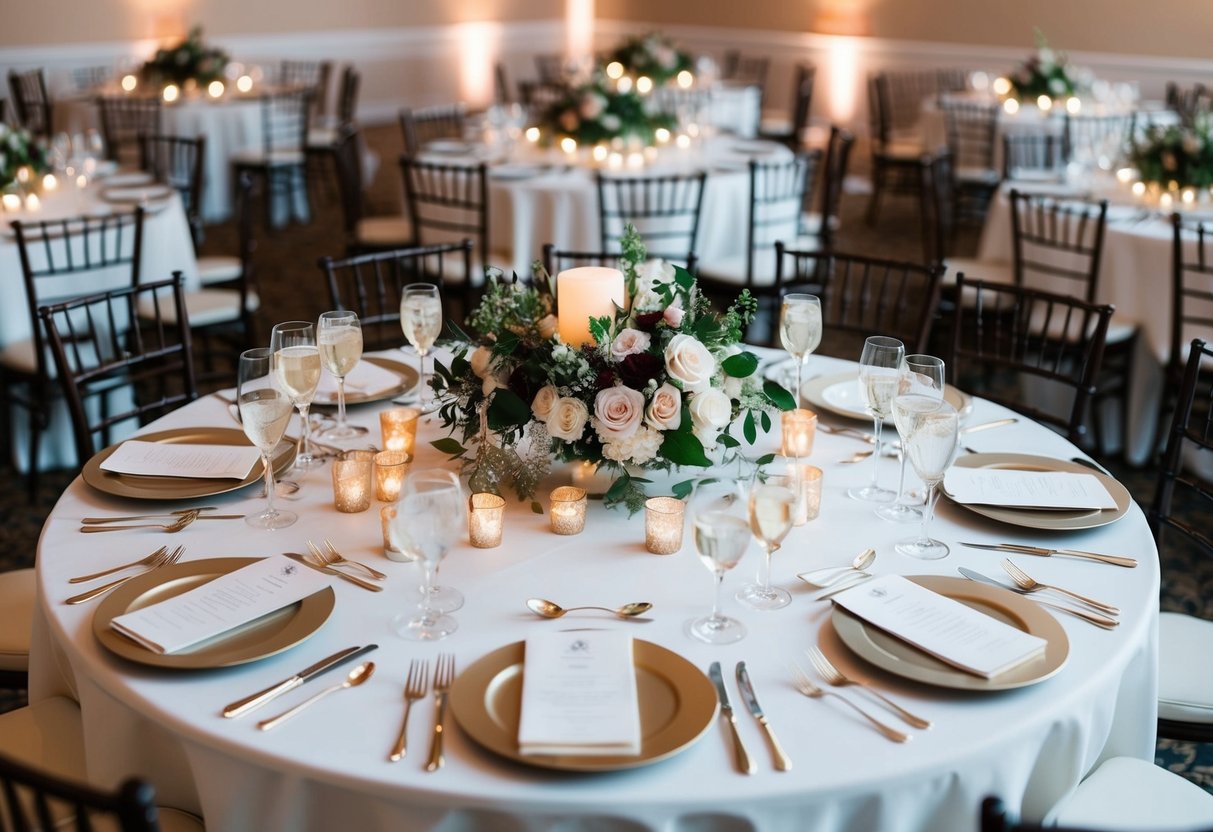
As your wedding day approaches, the final details become crucial in ensuring a smooth experience for you and your guests. Paying attention to place cards, escort cards, and table numbers, along with coordinating with your wedding planner, can make a big difference in the overall flow of the event.
Place Cards, Escort Cards, and Table Numbers
Place cards and escort cards serve an important purpose in your seating arrangement. Place cards are specific to each guest, showing them where to sit at their designated table.
On the other hand, escort cards indicate which table they will be seated at without specifying the exact seat.
Consider using a creative design that matches your wedding theme. Simple ideas include personalized messages or floral arrangements to enhance the presentation.
Table numbers help guests quickly locate their designated area. Ensure they are clear and visible from a distance.
For added flair, you could include small notes about the guests’ connection to you or fun facts about the table. This personal touch can enhance the dining experience and encourage conversation among your friends and family.
Coordinating with the Wedding Planner
To refine your seating arrangements, you need to communicate effectively with your wedding planner. Discuss your layout preferences, such as a sweetheart table or family-style seating.
Your wedding planner can also help you create a comprehensive seating plan. This should include RSVPs and guest preferences, helping to avoid awkward situations on the big day. If you have special guests or family dynamics to consider, share this information to ensure everyone feels comfortable.
A good planner will guide you in the right direction, ensuring that your vision comes to life without compromising on any details, such as the placement of cards or table settings. With proper coordination, your event will run more smoothly, creating a memorable experience for everyone.