
What is the Purpose of a Wedding Ceremony? Exploring Its Significance and Traditions
A wedding ceremony is a meaningful event that marks the beginning of a new chapter in your life. The primary purpose of a wedding is to declare your love and commitment to one another in front of family and friends. This special day symbolizes unity and the promises you make, creating a foundation for your marriage.
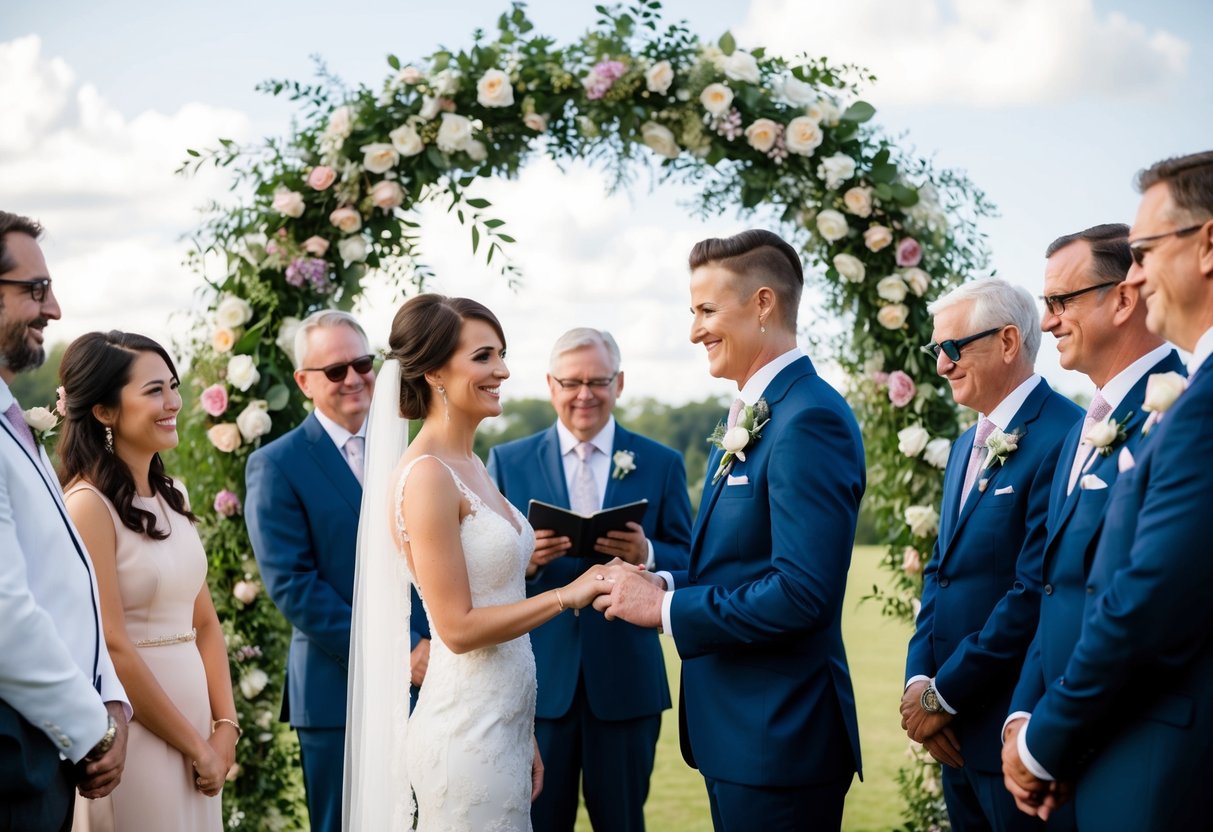
During the ceremony, you and your partner will exchange vows, committing to support and cherish each other. This ritual not only strengthens your bond but also serves as a public acknowledgment of your love and dedication.
It’s a celebration that honors your promises and reflects the joy of starting a new life together.
As you prepare for your wedding, remember that this ceremony is more than just traditional aspects; it is a heartfelt reflection of your relationship. Embracing the significance of this day will make it even more memorable as you step into your future as a married couple.
Understanding Wedding Ceremonies
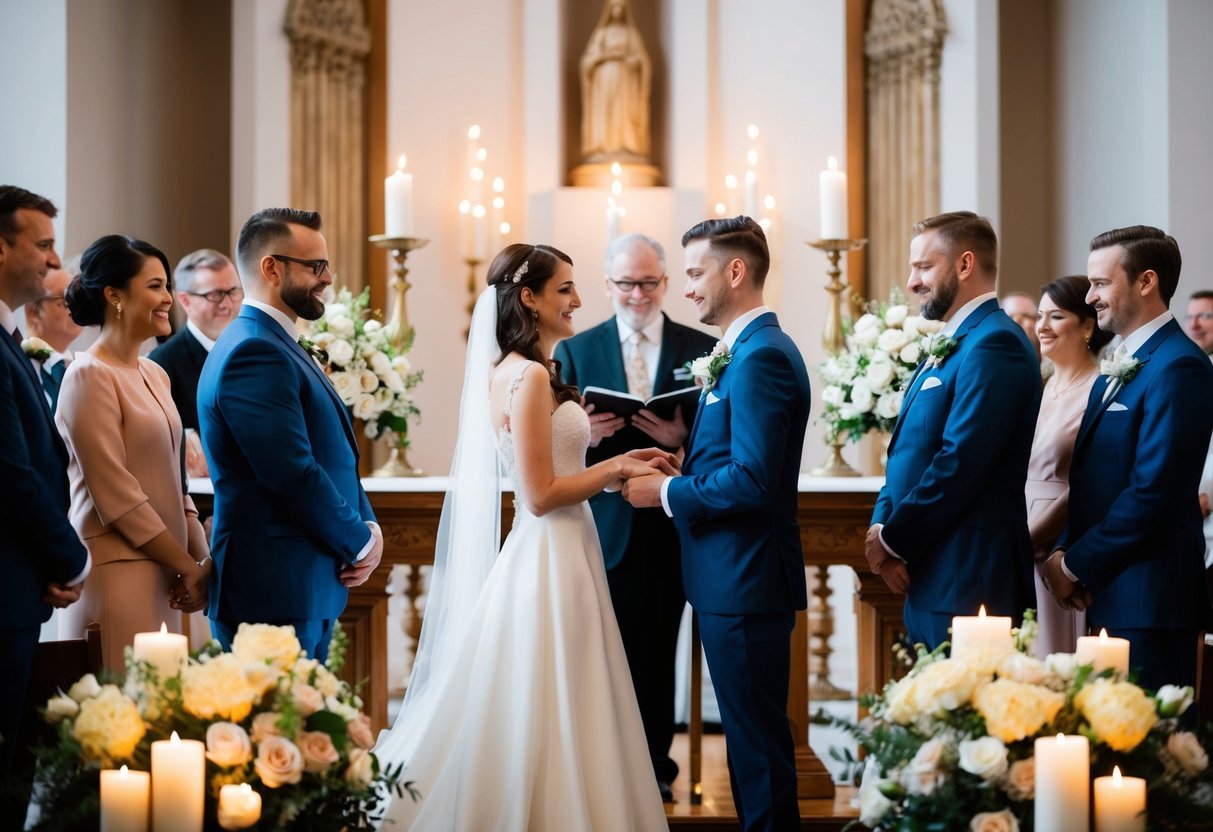
Wedding ceremonies are important events that bring together cherished traditions and special rituals. They allow couples to express their love and commitment through vows and other meaningful acts.
Historical Significance
Throughout history, wedding ceremonies have served as a way to formalize unions and signify commitment. The practices vary widely but often include the exchange of vows, which symbolize the promises made to one another.
In ancient cultures, weddings often involved rituals to gain blessings from deities. These historical elements have shaped modern ceremonies. Many couples still include historical traditions, such as handfasting or unity candles, to honor their heritage.
These historical aspects not only provide depth to the ceremony but also connect you with generations before you.
Cultural Variations
Cultural differences play a huge role in how wedding ceremonies are conducted. Each culture celebrates love and commitment in unique ways, often featuring specific rituals.
For example, in some cultures, couples may perform a tea ceremony to show respect to their families. In others, the use of wedding crowns or elaborate dancing can be a central part of the celebration.
Vows may differ in wording and significance, reflecting cultural beliefs about marriage. You might also see variations in attire, from traditional garments to modern dresses and suits.
These elements make each ceremony special and reflective of the couple’s background and choices.
The Symbolism of Marriage
Marriage is rich in symbolism, representing deep commitments and bonds between partners. Two important aspects of this symbolism are the exchange of rings and unity rituals, both of which highlight fidelity and connection.
Exchange of Rings
The exchange of rings is one of the most recognized symbols in a wedding ceremony. Rings represent commitment and fidelity. When you slip a ring onto your partner’s finger, you’re making a promise to love and cherish them for life.
Wedding rings are often circular, symbolizing eternity, with no beginning or end. This shape reminds you that your love should be everlasting. The material, often gold or platinum, signifies purity and wealth, making this ritual even more meaningful.
Many couples choose to engrave their rings with names or dates, adding a personal touch that strengthens the bond you share.
Unity Rituals
Unity rituals are meaningful parts of wedding ceremonies. These rituals symbolize the merging of two lives into one.
A popular unity ritual is the lighting of a unity candle. In this, each partner lights a candle and then together, they light a third candle. This act signifies the joining of your lives while still honoring your individual identities.
Other unity rituals include handfasting or sand ceremonies. Each of these represents a promise to uphold fidelity and support each other through life’s ups and downs. By participating in a unity ritual, you reinforce your commitment and establish a strong foundation for your marriage.
Roles and Responsibilities
In a wedding ceremony, specific people play crucial roles to ensure everything goes smoothly. Each individual has unique duties that contribute to the overall success of the event, providing support and guidance to the bride and groom.
The Bridal Party
The bridal party includes the closest friends and family of the couple. Their main job is to support you throughout the planning and on the big day.
The bridesmaids help with tasks like choosing dresses, planning showers, and being emotional support. During the ceremony, the bridesmaids walk down the aisle and stand by your side. They also hold your bouquet during the vows.
Each member of the bridal party plays a significant role in creating a joyful atmosphere and ensuring that you are calm and happy.
Officiating Clergy
The officiating clergy is a key figure in your wedding ceremony. This person leads the ceremony and ensures that everyone follows the proper procedures. They guide you through your promises and vows.
The officiant also manages the legal aspects, such as signing the marriage license. Their experience helps address any unexpected emotional moments, keeping the ceremony flowing smoothly. A good officiant can make your ceremony feel personal and meaningful, reflecting your love and commitment.
Planning a Wedding Ceremony
Planning a wedding ceremony is an exciting and essential part of your special day. It involves choosing the right venue and crafting an experience that reflects your love story and brings together family and friends.
Selecting the Venue
Choosing the right venue sets the tone for your ceremony. Consider locations that hold personal significance, like where you had your first date or a family member’s garden.
Think about the size of the venue and how many guests you want to invite. A smaller venue can create an intimate atmosphere, while a larger space may be perfect for a big celebration.
Also, check availability and whether the venue includes amenities like seating or sound systems. You may want to visit multiple venues to find the one that feels perfect for you.
Creating a Memorable Experience
To make your ceremony unforgettable, think about unique elements that express your relationship. Music is an important aspect; choose songs that have meaning for both of you.
Incorporating personal vows can add a heartfelt touch. You might also consider including family traditions or cultural rituals that honor your heritage.
Don’t forget to involve your guests in meaningful ways. You could have them share their wishes or blessings during the ceremony. These moments will strengthen the bonds between you, your family, and friends.