
What is the quickest and cheapest way to get married? A Simple Guide for Happy Couples
If you’re wondering about the quickest and cheapest way to get married, you’re not alone. Many couples today seek to tie the knot without the stress and expense that often comes with traditional weddings. One of the best options is to elope or have a simple civil ceremony at your local courthouse. This approach allows you to focus on what really matters—your love.
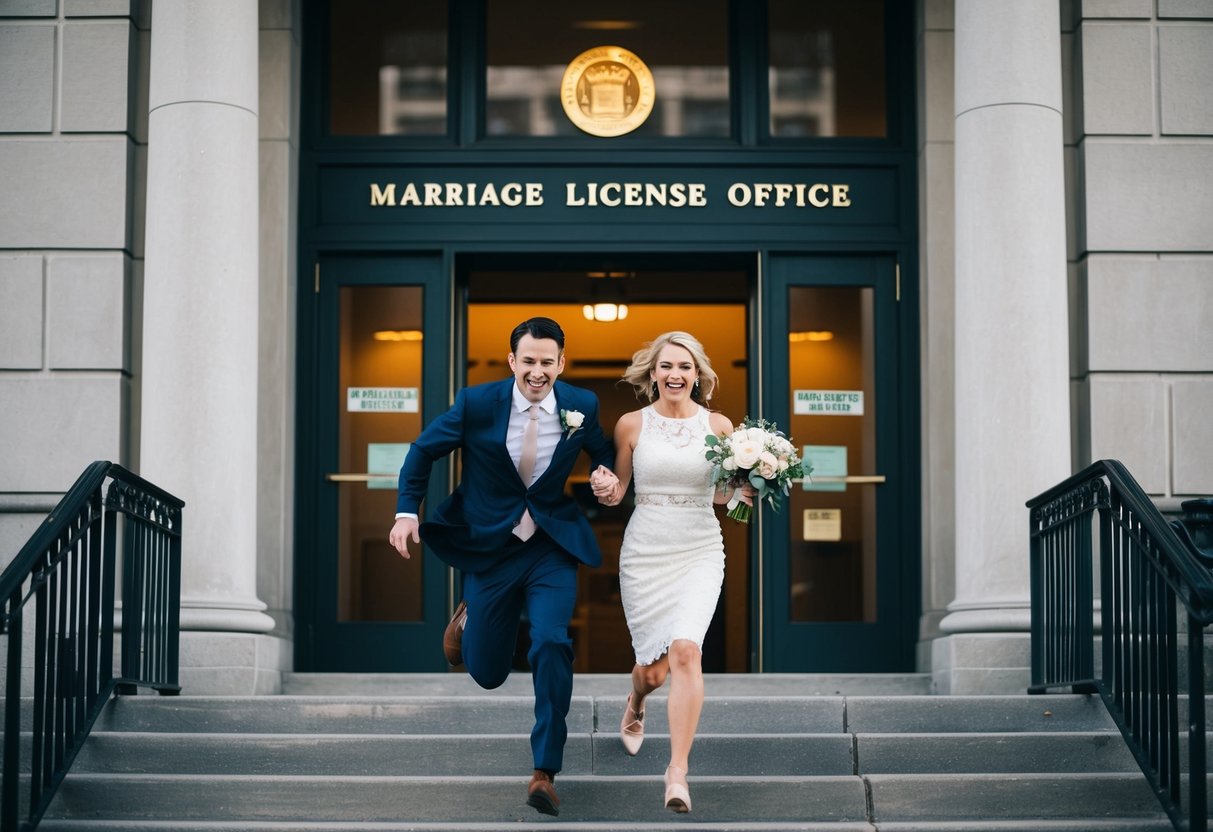
A courthouse wedding is usually quick to arrange, often requiring just a marriage license and a small fee. You can invite a few close friends or family members to share the moment, making it an intimate yet memorable occasion. Choosing to elope can also save you from the headaches of planning a big event, while still giving you a meaningful experience.
Whether you prefer a low-key courthouse ceremony or a romantic elopement, both options offer a wonderful way to start your journey together without breaking the bank. Exploring these choices can make your wedding day special and stress-free.
Understanding Different Types of Weddings
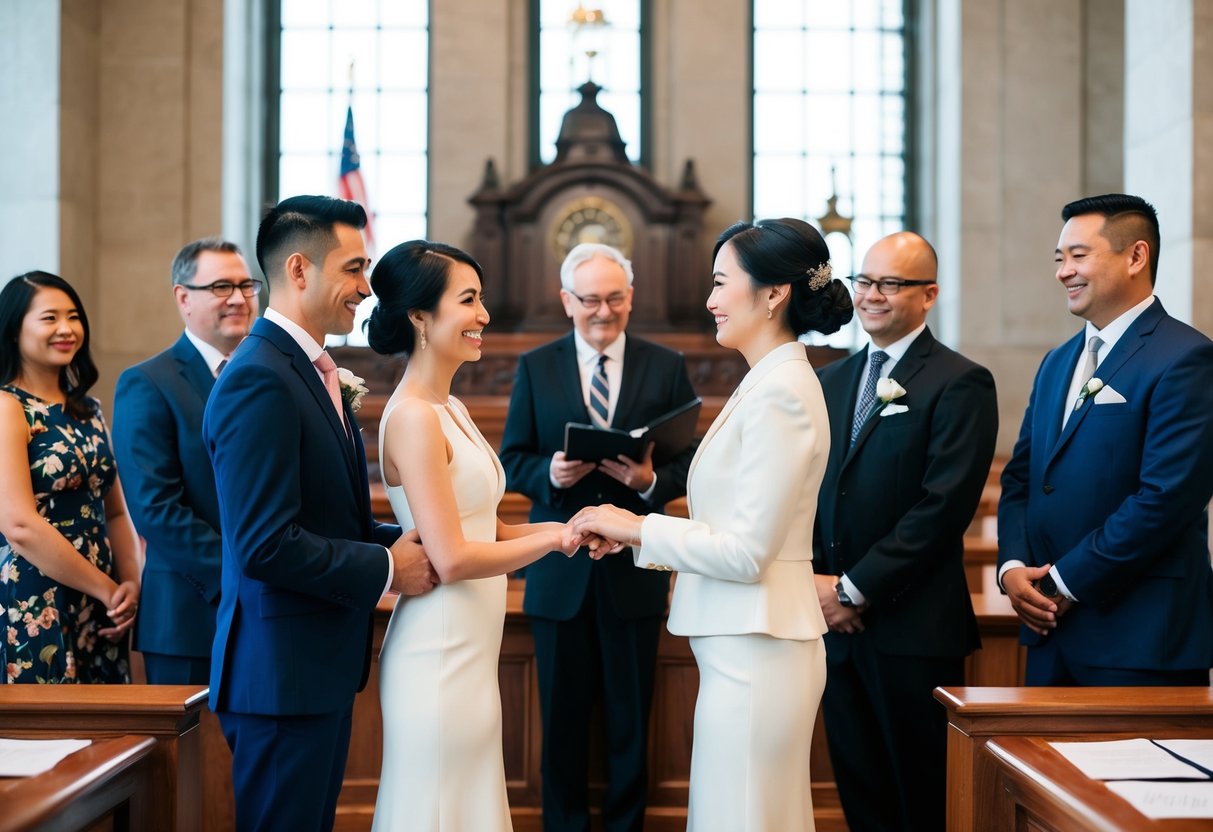
When planning your wedding, it’s helpful to know the various options available. Each type of wedding can fit different styles, budgets, and preferences. Here are some popular choices for couples looking to tie the knot quickly and affordably.
Elopement Versus Traditional Wedding
Elopement is a popular alternative to a traditional wedding. It typically involves just the couple, often in a beautiful or meaningful location. This option is private and can be spontaneous. Choosing to elope allows you to skip many planning details and save money.
In contrast, a traditional wedding often includes a larger guest list, a venue, and various services like catering and music. This can lead to higher costs and more stress. If time and budget are limited, elopement can be a delightful and memorable choice for you.
Civil Ceremony and Courthouse Weddings
Civil ceremonies offer a straightforward and budget-friendly way to get married. These events are often held in a courthouse or local government office. You typically need to book an appointment and bring a few documents, like your marriage license.
This option usually involves minimal decoration or themes, keeping costs down. Many couples appreciate the simplicity and efficiency of courthouse weddings. It allows you to focus on your commitment without the added stress of planning a large event.
Backyard and DIY Weddings
Backyard weddings are a charming and cost-effective way to celebrate your big day. Hosting at home or a family member’s backyard can save you money on venue fees. You can personalize the space with decorations that reflect your unique style.
A DIY wedding means you handle various aspects yourself, such as flowers, food, and decorations. This option allows for creativity and can make your wedding feel special. Just keep in mind that you may need help from friends or family to pull everything together.
Micro and Intimate Weddings
Micro weddings are gaining popularity for their focus on a small guest list, usually under 20 people. This type of wedding allows you to create a close-knit celebration. With fewer guests, you can invest more in unique experiences, like a special meal or memorable venue.
Intimate weddings can also take place in cozy spaces, such as a restaurant or a picturesque park. The key is to prioritize meaningful interactions over large gatherings. This setup can create lasting memories without the stress of a big event.
Logistics of a Quick and Affordable Wedding
Planning a quick and affordable wedding can be straightforward with the right approach. You can save time and money by choosing the right state for marriage, securing your marriage license efficiently, and planning a simple ceremony.
Selecting the Easiest States for Marriage
Some states make it easier and quicker to get married than others. States like Idaho, Utah, Wyoming, Colorado, and Montana have minimal requirements.
In these states, you often don’t need a waiting period. This means you can get married on the same day you apply for your marriage license.
If you consider eloping, these states can provide scenic backdrops without the hassle. Moreover, these states are friendly to all couples, including same-sex marriage.
Securing a Marriage License Efficiently
Getting your marriage license is a key step. Start by checking your selected state’s requirements. Most states require identification and a small fee.
Some places even offer the possibility of applying online, allowing you to skip long lines. Before heading to the courthouse, confirm the office hours and whether you need an appointment.
In states like Utah, you can get your license immediately and marry the same day. This option saves time and can make your wedding feel spontaneous and special.
Planning a Simple and Low-Cost Ceremony
Your ceremony doesn’t have to be elaborate to be meaningful. Consider a simple and low-cost event that focuses on what truly matters: your commitment to each other.
You can choose a small gathering with just a few friends or family members. Outdoor locations can provide beautiful settings without a high venue cost.
Consider using a local officiant or even a friend who can legally perform weddings in your state. This choice can further reduce expenses. Don’t forget to check if your marriage certificate is handled through the officiant or if you’ll need to file it yourself afterward.
Cost Management for Your Wedding
Managing costs effectively can help you create a beautiful wedding without breaking the bank. By focusing on budget-friendly choices for your venue and catering, you can keep your expenses in check while still having a memorable day.
Setting and Sticking to Your Wedding Budget
Start by determining your total wedding budget. Know how much you can spend, factoring in all wedding expenses, such as the venue, catering, and decorations. The average cost of a wedding can be around $28,000, but you can spend less by prioritizing what’s most important to you.
List out each category of your budget. For example:
- Venue Costs
- Catering Costs
- Attire
- Decorations
Once you have your list, decide on limits for each category. You might allocate more for photography but less for flowers. Track your spending as you go. Using an app or spreadsheet can help you keep everything organized.
Finding an Affordable Venue
Choosing the right venue can significantly impact your wedding budget. Look for spaces that are affordable yet still fit your vision. Consider non-traditional venues like parks, community centers, or even a friend’s backyard. These options often have lower rental fees compared to formal event spaces.
Request quotes from several venues and ask about package deals. Many venues offer services for decorating and catering, which can save money overall. Also, consider booking during off-peak seasons or weekdays, as this can reduce venue costs.
Saving on Catering and Other Expenses
Catering can be one of the highest wedding costs. To save money, think about serving a buffet instead of a sit-down dinner. This can reduce staffing needs and food waste.
Explore options like food trucks or potluck-style receptions where guests bring dishes. If you prefer a caterer, aim for simplified menus to keep costs low.
Don’t forget about other expenses, like wedding favors and decorations. You can DIY many items, such as centerpieces or photo displays. This can add personal touches without driving up costs.
Alternative Wedding Trends and Ideas
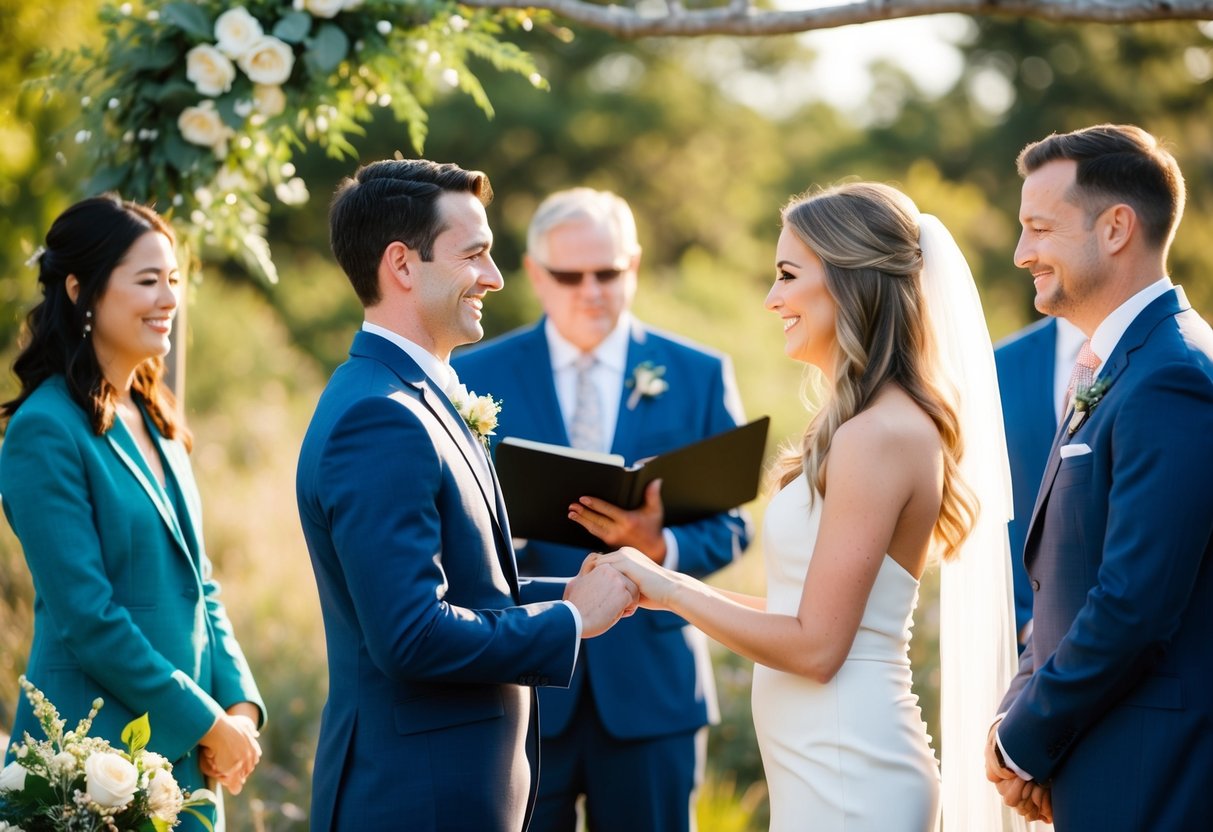
If you’re looking for quick and affordable ways to tie the knot, alternative wedding options can help you save time and money. From remote ceremonies to unique locations, here are some ideas to consider.
Remote and Online Ceremony Options
Hosting a remote or online wedding ceremony has become increasingly popular. This option allows you to invite friends and family from anywhere without the travel costs.
Using platforms like Zoom or Skype can make your ceremony personal yet budget-friendly. You can choose to have a simple officiant or a close friend lead the ceremony. The only costs may include the marriage license and perhaps a small donation to the officiant.
For a more interactive experience, consider live-streaming your ceremony. This way, your loved ones can witness your vows in real time. Plus, it’s a great way to include those who cannot travel.
Off-Peak Wedding Dates for Lower Costs
Selecting an off-peak wedding date can significantly lower your expenses. Most venues and vendors offer discounts during off-peak seasons, which commonly are from late fall to early spring.
Think about holding your wedding on a weekday or during non-traditional months. These choices can save you money on venue rental, catering, and even flowers since demand is lower.
Creative Celebrations in Non-Traditional Locations
Unique wedding locations can make for memorable celebrations at lower costs. Instead of traditional venues, look into places like parks, beaches, or even your backyard.
These non-traditional spots often require less decoration, as nature provides a beautiful backdrop. You’ll also save on rental fees that come with conventional venues. Just be sure to check local regulations about gatherings.
Consider celebrating in a popular wedding destination like a scenic mountain or a quaint town. You can turn your wedding into a mini-vacation for you and your guests while keeping costs reasonable. A wedding planner familiar with these areas can offer valuable insights and help manage your budget effectively.