
What Is the Rule for the Wedding Ring Cost? A Simple Guide to Budgeting for Your Special Day
When planning your wedding, one big question often comes up: how much should you spend on a wedding ring? A good rule of thumb is to budget between $150 and $4,000. Most couples spend around $300 to $2,000. Your financial situation will play a significant role in this decision, so it’s important to spend what feels comfortable for you.
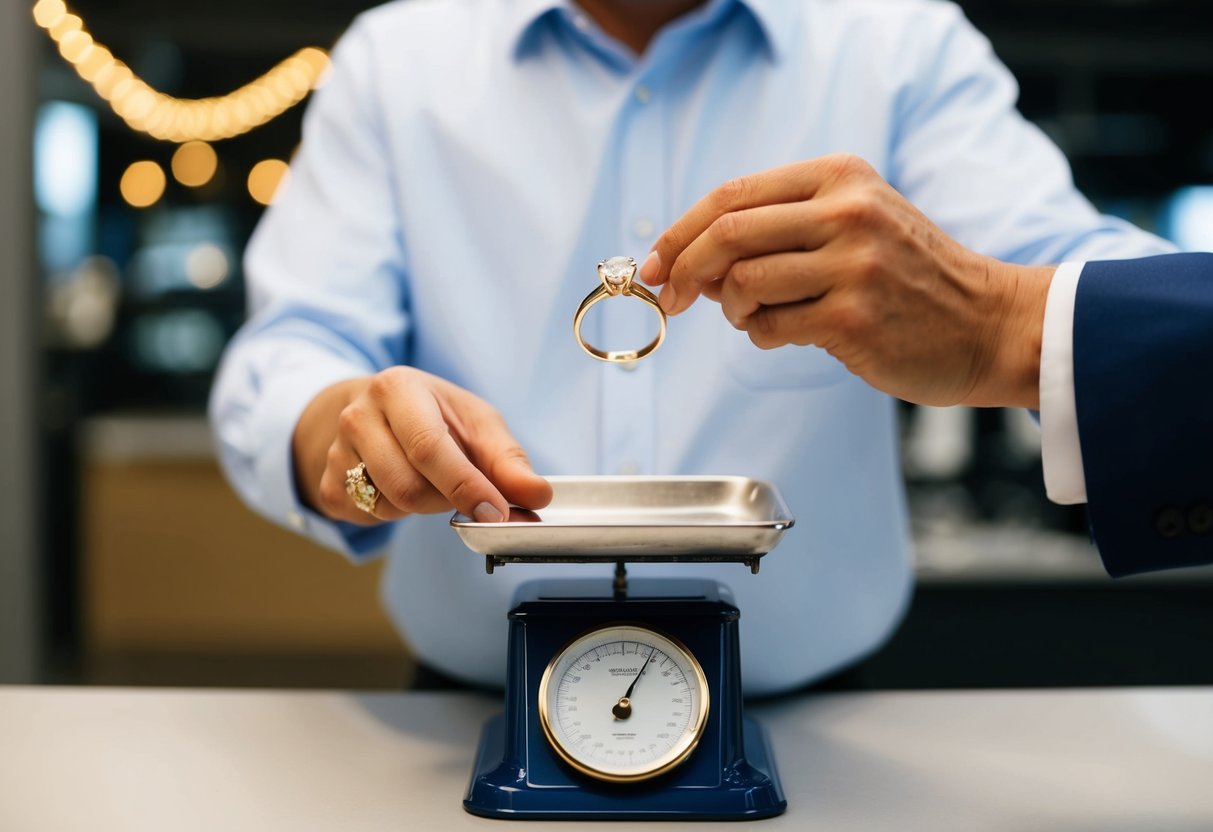
Choosing the right amount involves balancing your desires with your budget. Think about what is most important in a ring, whether it’s the material, size, or design. This will help you make an informed decision that fits your unique needs while keeping your finances in check.
As you explore options, consider that wedding rings can vary widely in price based on factors like the quality of materials and craftsmanship. By understanding the typical costs, you can find the perfect ring that symbolizes your commitment without overspending.
Understanding Wedding Ring Costs
When planning for wedding rings, it’s important to think about both the historical context and the specifics of the ring itself. Costs can vary widely based on factors like material, design, and even current trends.
Historical Context and Modern Expectations
Traditionally, wedding rings symbolized commitment and love. In the past, couples often chose simple bands made from basic metals. Today, many people seek more personalized styles.
The average engagement ring cost has risen significantly, often exceeding $5,000. In contrast, the average wedding ring cost typically ranges from $1,100 for women to around $510 for men. These prices reflect the popularity of various materials and the desire for intricate designs.
Many now recommend putting 2-3% of your total wedding budget towards your rings. Decide what fits your style and budget, while keeping in mind that the ring’s meaning is more important than its price.
The Anatomy of a Ring
When choosing your wedding ring, consider its key components: material, design, and added features.
- Material: Popular options include gold, platinum, and alternative metals like tungsten. Each has a different cost and look.
- Design: From classic styles to more elaborate settings, the design can impact the price. Simple bands are usually less expensive.
- Extras: Some couples opt for diamonds or gemstones in their bands. This can raise the overall cost.
Understanding these elements helps you make a choice that reflects your personality and commitment. Prioritize what matters most to you for a ring that you’ll cherish.
Factors Influencing Ring Prices
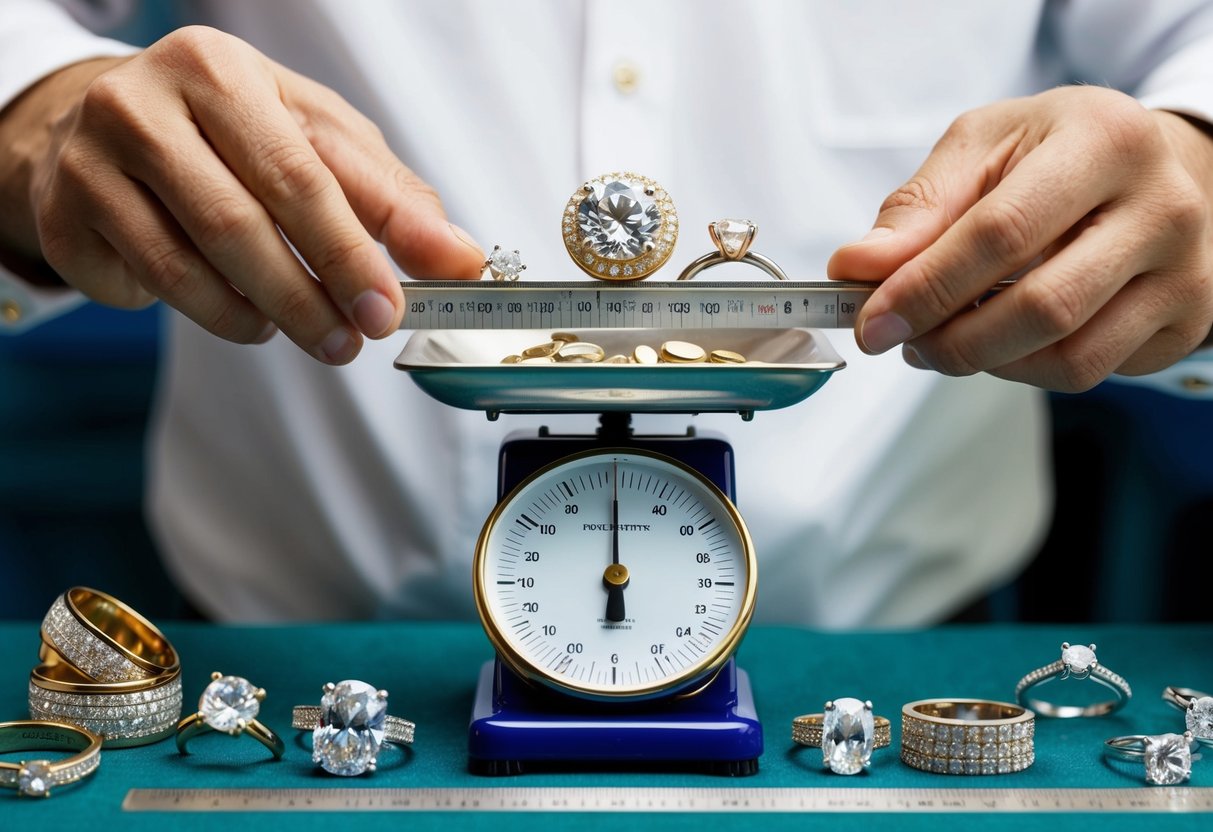
When choosing a wedding ring, understanding the different factors that impact its price can help you make a smart decision. Key elements include the materials used, the characteristics of any gemstones, and the level of craftsmanship involved.
Materials and Metals
The type of metal you select plays a big role in the price. Popular options include platinum, which is durable and hypoallergenic but typically more expensive. White gold and yellow gold are also popular choices. They are more affordable than platinum but still stylish. Rose gold offers a unique hue that many find appealing, while sterling silver is the budget-friendly option. Keep in mind that the karat (or purity) can affect cost as well. Higher karat gold is softer and more expensive, whereas lower karat gold is stronger but less pure.
Gemstone Characteristics
The characteristics of gemstones contribute significantly to the overall cost of a wedding ring. For example, diamonds are often the top choice, with price influenced by the four Cs: cut, color, clarity, and carat. A well-cut diamond can sparkle beautifully and capture attention. For other options, consider rubies, emeralds, or sapphires. Each stone has its unique value. For example, emeralds can be more expensive due to their rarity, while lab-grown diamonds offer an eco-friendly and often cheaper alternative to natural ones.
Craftsmanship and Customization
The craftsmanship of a ring affects both its beauty and its cost. Custom-designed rings often come at a higher price due to the skilled labor involved. You can choose unique settings and styles that truly reflect your personality. Engaging a jeweler to create a one-of-a-kind piece will likely increase costs, but you’ll receive something special. Even small details, like engraving or intricate designs, can add to the price. It’s essential to balance what you want with your budget while ensuring that your ring is a reflection of your love.
Budgeting for Your Wedding Rings
Setting a budget for your wedding rings is an important step. Knowing how much to spend can help you find the perfect rings without stressing your finances. Consider the average costs and type of metal you prefer, and use some tips to get the best value for your budget.
Calculating Your Ring Budget
When planning your ring budget, start by looking at the average costs of wedding rings. Typically, a wedding band can cost anywhere from $1,000 to $6,000, depending on materials and designs.
Some people follow the “two to three month salary rule,” suggesting you spend that amount on both rings combined.
Remember to include both your engagement ring and wedding ring in this budget plan. If your engagement ring budget is around $6,100, as is common, make sure your wedding ring budget complements it nicely.
Decide on the type of metal, as this can significantly affect costs. Gold, silver, and platinum have different price points that you should factor in.
Ways to Maximize Value
To get the most value from your ring budget, shop around. Compare prices at different jewelers, and look for sales or discounts.
Buying from lesser-known designers or online retailers can lead to great savings without sacrificing quality. For example, you may find beautiful rings on sites like Etsy or directly from an independent jeweler.
Consider customization, too. A custom design may provide a unique ring at a better value than popular brands.
You can also choose less expensive metals or simpler designs. These options often look stunning while saving you money. Don’t forget to ask about warranties or return policies to protect your investment.
Additional Costs
When planning for wedding rings, it’s important to consider costs beyond the purchase price. This includes expenses like insurance and long-term maintenance, which can help protect your investment.
Insurance and Warranties
Purchasing insurance for your wedding rings is an essential step. This protects against loss, theft, or damage. Many jewelers offer warranties that cover repairs or resizing.
When insuring, it’s vital to know the value of both your engagement ring and wedding band. Engagement ring costs can often be higher than wedding rings, especially if they feature lab-grown diamonds.
You can estimate your wedding ring cost by providing your insurer details like value, type of metal, and gemstones. Regular appraisals can ensure you have the correct coverage.
Long-Term Maintenance
Caring for your wedding rings is key to keeping them looking their best. Regular cleaning is essential. You can do this at home using mild soap and water or have it professionally cleaned.
Check for loose stones or scratches, especially on more expensive rings. Some rings may also need periodic resizing, especially if your fingers change size over time. Repair costs can vary, often leading to additional expenses.
You should also consider how often you want to get your rings appraised. This is especially useful for maintaining their value, particularly for the most expensive wedding ring options.