
What is the Rule for the Wedding Ring Finger? Understanding the Traditions and Meanings
When it comes to wedding rings, you might wonder what finger they are supposed to go on. Many Western cultures traditionally wear wedding rings on the fourth finger of the left hand. This custom stems from the belief that this finger has a vein that connects directly to the heart, symbolizing love and commitment.
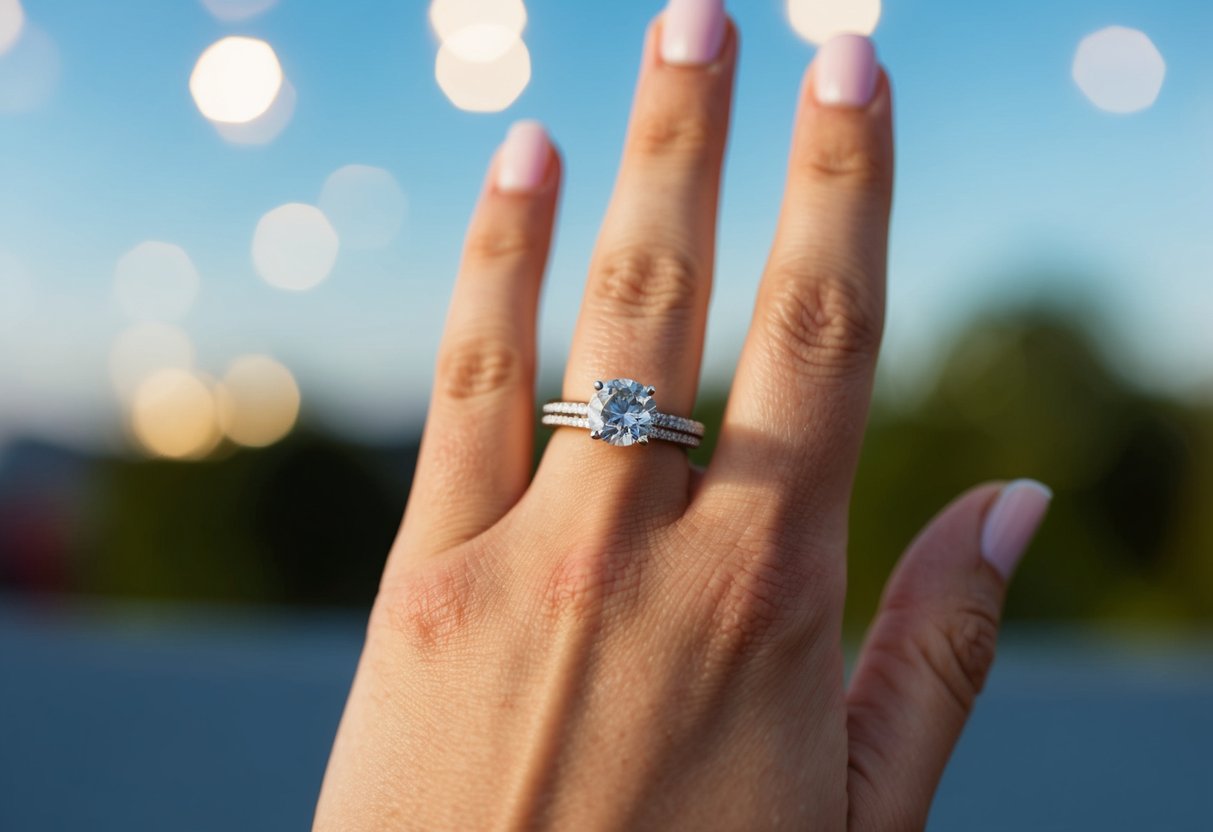
However, practices can vary around the world. In some countries, like Russia and Germany, couples wear their wedding rings on the right hand. This difference shows how cultural traditions can shape what might seem like a simple decision.
Understanding the significance behind the wedding ring finger can add more meaning to your special day. Knowing where to wear your ring is just one part of the beautiful journey of love and commitment.
The History and Significance of the Wedding Ring
The wedding ring has a rich history and deep meanings tied to love and commitment. From ancient beliefs to various cultural traditions, the significance of this piece of jewelry goes beyond its beauty.
Ancient Beliefs and the Vena Amoris
In ancient cultures, rings symbolized eternity and unbroken bonds. The belief in the vena amoris, or “vein of love,” suggested that a vein runs directly from the fourth finger of the left hand to the heart. This idea made it customary to wear wedding rings on this finger as a symbol of love’s connection.
Egyptians were among the first to use rings in marriage. They often used braided reeds or leather as a sign of commitment. Later, the Romans adopted this practice, solidifying the tradition of wearing rings during ceremonies. This cultural shift emphasized the importance of the ring in uniting two hearts.
Cultural Traditions in Wedding Jewelry
Different cultures have unique customs surrounding wedding rings. In some Hindu weddings, the groom places a silver ring on the bride’s toe, symbolizing devotion. Meanwhile, in Jewish traditions, the ring is often placed on the index finger, marking commitment.
Materials also vary across cultures. Gold is widely seen as a symbol of wealth and prosperity, making it the metal of choice for many. In other regions, gemstones may carry special meanings, enhancing the ring’s emotional significance.
These traditions reflect the values and beliefs of each culture, showing that while styles may differ, the essence of a wedding ring as a symbol of love remains universal.
Wedding Ring Finger Traditions Around the World
Different cultures have unique traditions regarding which hand and finger to wear wedding rings. These customs can tell you a lot about history, romance, and values in various societies.
Western Cultures and the Left Hand
In Western cultures, it is traditional to wear the wedding ring on the fourth finger of the left hand. This practice dates back to the Ancient Egyptians, who believed that this finger contained a vein that led directly to the heart, called the vena amoris.
Most people in countries like the United States, Canada, and the United Kingdom follow this custom. Engagement rings are also worn on this finger until the wedding day. This symbolizes a commitment to love and partnership. You might notice that even those who do not follow religious traditions often prefer this method.
Variations in Different Cultures
Cultural differences play a significant role in the placement of wedding rings. For instance, in some Eastern European countries, Orthodox Christians wear wedding rings on the right hand. This choice can reflect religious beliefs and customs.
In India, wedding rings are not as common as in the West. Instead, during Indian weddings, brides often receive toe rings called bichiya, which symbolize marriage. Some cultures even allow couples to choose which hand to wear their rings based on personal preference or family traditions.
Same-Sex Couples and Modern Adaptations
With the rise of same-sex marriage, traditions are adapting. Many same-sex couples choose to wear wedding rings on the left hand, like their heterosexual counterparts.
However, others might choose the right hand to signify breaking from traditional norms. This flexibility allows you to express your unique relationship, regardless of traditional guidelines. Modern weddings often incorporate personal meanings into ring placement, showing that love knows no boundaries.
Choosing Your Wedding Ring
When it comes to selecting your wedding ring, several important factors will guide your decision. You’ll need to consider your personal style, the meaning behind the ring, and the comfort it offers. Each of these points plays a crucial role in creating a symbol of your love.
Factors Influencing Ring Selection
Your choice of a wedding ring often reflects your unique personality. Start by considering the metal type that suits you best, such as gold, white gold, or platinum. Each metal has its characteristics and price points.
Next, think about the design. Do you prefer a classic look or something more modern? A simple band may fit well with your lifestyle, while a diamond-encrusted ring can add a touch of glamour.
Don’t forget about the size and fit. A well-fitting ring will ensure comfort for daily wear. It’s advisable to get your finger measured professionally, especially if you plan to wear a wedding band alongside an engagement ring.
Engagement and Wedding Ring Placement
Traditionally, the engagement ring is worn on the fourth finger of your left hand. This finger is often referred to as the ring finger because it is believed to be connected directly to the heart. After the wedding ceremony, many choose to stack the wedding band next to the engagement ring.
However, placing the rings can differ across cultures. In some places, couples wear wedding rings on their right hand as a sign of commitment. It is vital to understand these cultural variations when selecting your rings and deciding on your ring placement.
Personal Symbols and Comfort
Your wedding ring can hold deep personal significance. Many people choose to engrave their rings with meaningful dates or messages, adding an extra layer of personalization.
Comfort is also key. You’ll want to ensure that you can easily wear your wedding ring every day. Consider the ring’s width and thickness, as these factors can impact how the ring feels on your finger.
Ultimately, blending personal symbols with comfort will help you choose a wedding ring that feels perfect for you.
Beyond Wedding Rings: Other Types of Commitment Jewelry
There are many types of jewelry that symbolize commitment beyond traditional wedding rings. You can choose from promise rings, commitment rings for LGBTQIA relationships, or even signet rings, which all hold special meanings for different situations.
Promise Rings and Their Meaning
Promise rings are tokens of commitment between partners. They often represent a promise of fidelity or a commitment to a serious relationship without being an engagement ring.
You might wear a promise ring on your left hand. However, some choose to place it on their right hand, index finger, or middle finger, depending on personal preferences. The design can vary widely, allowing you to choose something that truly reflects your bond.
These rings can be simple bands or adorned with gemstones. The most important thing is that they symbolize a mutual commitment in your relationship.
Commitment Rings in LGBTQIA Relationships
In LGBTQIA relationships, commitment rings serve a similar purpose as in traditional ones, offering a way to express loyalty and dedication.
These rings can reflect personal styles and identities. You may choose unique designs, such as vibrant colors or meaningful symbols, that resonate with both partners.
When it comes to wearing commitment rings, there are no strict rules. You can choose to wear your ring on any finger that feels right.
Signet Rings and Alternative Options for Single Men
Signet rings have made a comeback as alternative options for single men looking to express their identity. Originally, people used these rings for sealing documents. Now, they can symbolize individuality and personal style.
You can wear a signet ring on your right hand, often on the pinky or ring finger. It can feature unique engravings or family crests, making it a personal statement piece.
This type of jewelry allows you to express commitment to yourself or your personal goals. Ultimately, the choice of jewelry is about expressing who you are and what you value in your life and relationships.