
What is the Rule of Thumb for Wedding Guest List? Tips for Creating Your Perfect List
Creating a wedding guest list can feel overwhelming, but a simple guideline can help. A solid rule of thumb is to expect 75-80% of your invited guests to actually attend the wedding. Understanding this can help you plan better, ensuring that your venue can accommodate everyone and that you stay within budget.

It’s also useful to consider the traditional breakdown of the guest list. Many couples divide their invites into three parts: one-third for the bride’s family, one-third for the groom’s family, and the remaining third for the couple’s friends. This approach can help you keep things fair and balanced while planning your wedding.
As you navigate this important part of wedding planning, remember that each couple’s situation is unique. By using these rules of thumb, you can create a guest list that reflects your values and ensures that those closest to you are part of your special day.
Determining Your Wedding Size and Budget
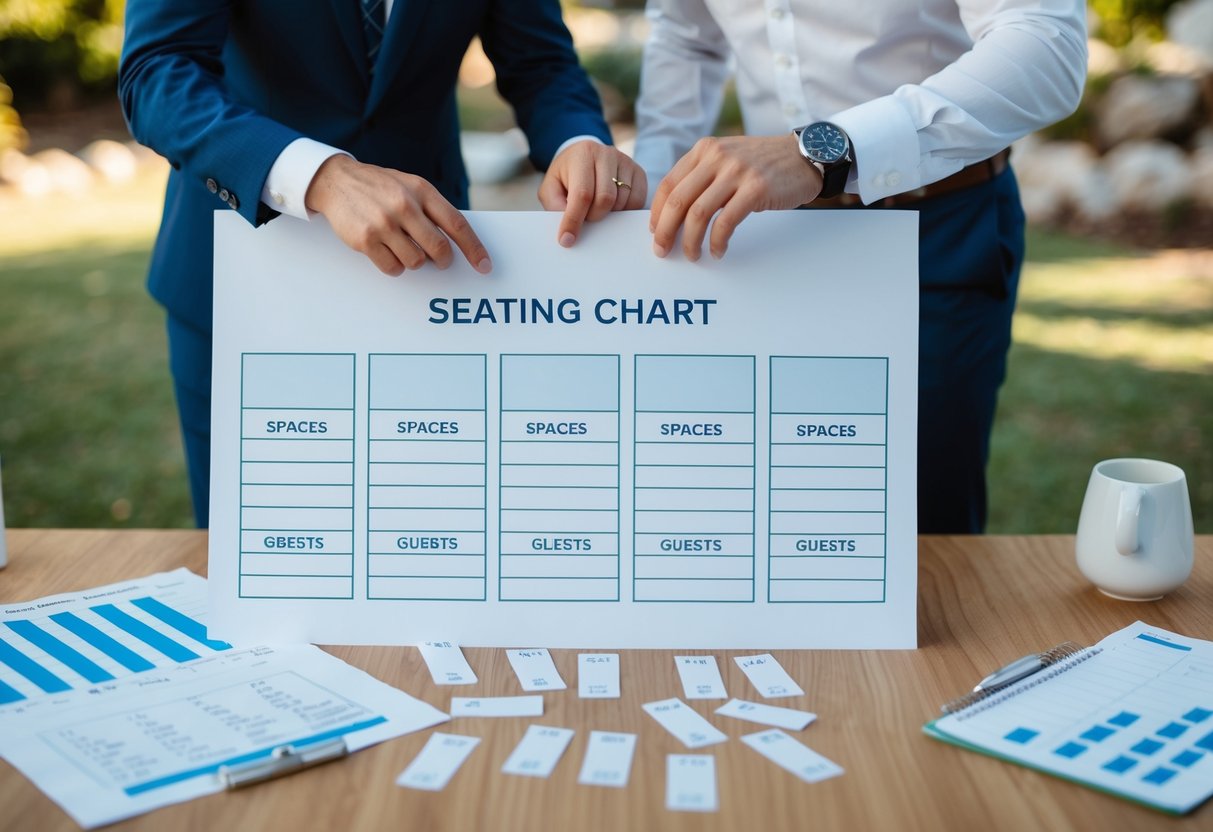
When planning your wedding, it’s essential to balance your guest list with your budget. The size of your wedding can shape not only the atmosphere but also how much you spend. Here are important factors to consider.
Setting Your Wedding Vision
Start by thinking about the kind of wedding you envision. Are you dreaming of a large wedding with all your friends and relatives, or is a smaller, more intimate wedding more your style?
Creating a clear picture helps you define your guest list. For example, a micro wedding often includes 10 to 20 guests, while a small wedding might have around 50. A large wedding usually welcomes 150 guests or more.
Defining your vision early makes it easier to set limits on your guest list. This step will help you avoid feeling overwhelmed later during the planning process.
Understanding the Impact of Venue Capacity
Venue capacity plays a big role in determining your wedding size. It’s crucial to choose a location that fits your vision and budget.
When looking for a venue, ask about their maximum guest capacity. If your list exceeds this number, you may need to adjust your plans.
For instance, if the venue holds 100 guests and your list grows to 150, you’ll need to rethink the guest list or consider a different venue. Remember that smaller venues often create a cozy feel, which can be perfect for an intimate wedding.
Allocating Your Wedding Budget
Your budget is a major factor in determining your guest list size. Ideally, you should allocate about 50% of your budget to catering and venue costs.
For instance, if your budget is $10,000, you might want to spend about $5,000 on food and the venue. More guests typically mean higher costs.
Consider using a tiered approach: limit the core group to close friends and family, then add guests based on your budget. This method allows you to enjoy your day without worrying about overspending.
Who to Invite: Crafting Your A-List
Creating your A-list involves making tough decisions about who will share in your special day. Start by focusing on your immediate family and close friends, then consider guests like coworkers and acquaintances.
Prioritizing Immediate Family and Close Friends
Your immediate family should be at the top of your list. This includes parents, siblings, and grandparents. Their support and presence are crucial on your big day.
Next, think about your close friends. These are the people who have stood by you through thick and thin. Inviting them makes the day feel more personal and meaningful. You may want to decide how many guests you can include in total. Generally, aim for about 75-80% of invited guests to attend.
Considering Plus-Ones and Children
Deciding whether to allow plus-ones can be tricky. If you have a close friend dating someone significant, inviting them may feel right. Set a guideline for your plus-ones. For example, only allow them for single guests or those in serious relationships.
When it comes to children, think about your guest list. Do you want a small, adult-only celebration, or is a family-friendly atmosphere important? You might ask parents to find childcare if your focus is on adults only. Clearly communicate your wishes in the invitations to avoid confusion.
Work Colleagues and Acquaintances
Inviting coworkers can be another tough call. If you’re close to certain colleagues, they may earn a spot on your A-list. Think about the dynamics—would they really enjoy celebrating with you?
Limit the number of work guests to keep your list manageable. You can also make distinctions between close colleagues and more casual acquaintance. Generally, a good guideline is to only invite those you interact with regularly or who are supportive of your journey. Keeping it personal helps create a more intimate setting.
Managing Your B-List and Guest List Etiquette
When planning your wedding, managing your guest list, especially your B-list, is crucial to ensure you stay within budget and create the perfect atmosphere. Here’s how to handle it effectively.
Creating Your B-List Strategically
Start by determining your total guest list size based on your venue and budget. This helps you identify how many guests you can invite initially. Once you know that, create your A-list—these are must-have guests.
Next, make a B-list. This group should consist of people you’d like to invite but would be okay not having if space is tight. Be careful to keep your B-list private to avoid hurt feelings.
When preparing for your B-list, consider recent interactions. Friends or family you’ve seen often might get priority over distant acquaintances. This way, you keep your list meaningful and focused.
Navigating Invitations and RSVPs
Timing is key when sending out wedding invitations. Send your first round at least 10-12 weeks before the wedding, giving your A-list guests time to respond.
Set an RSVP deadline about 3-4 weeks before your big day. This will allow you to assess any declined invitations. Once you have this information, it’s time to send out your B-list invitations.
Be mindful of how you communicate with your B-list. A personal touch, like a call or handwritten note, shows you care. This approach makes your guests feel valued, even if they aren’t on the main list.
Pay attention to your seating chart as well. If your B-list guests can attend, ensure they are placed where they can enjoy the celebration without feeling like an afterthought.
Wedding Guest List Templates and Tools

Creating your wedding guest list can feel overwhelming, but using templates and digital tools can make the process much smoother. These resources help you stay organized and ensure you don’t miss anyone important.
Utilizing Templates for Organization
Using a wedding guest list template can save you time and help you stay organized. A good template typically includes sections for guest names, addresses, and their relationship to you.
Here are some key benefits of using a template:
- Structure: Having categories makes it easier to sort and filter your guests.
- Details: You can also add columns for RSVP status, meal preferences, or special notes.
You can find free templates online, such as those from Wedbuddy and other wedding planning sites. These templates help you track numbers and coordinate with family members who are also contributing to the list.
Leveraging Digital Tools for Efficiency
Digital tools can simplify the guest list creation process. For example, online platforms like WeddingWire allow you to manage your guest list easily.
Benefits include:
- Real-time updates: You can see changes instantly as you receive RSVPs.
- Collaboration: Share access with family members who are helping with planning.
These tools often have user-friendly features, such as checklists and reminders, to help you stay on track. Many digital tools can also assist you in tracking RSVPs and coordinating travel plans for guests if you’re hosting a destination wedding.