
What is the Salary Rule for Engagement Rings? Understanding the Guidelines for Your Budget
When planning for the purchase of an engagement ring, many people wonder about the salary rule. Traditionally, this rule suggests that you should spend about three months’ salary on an engagement ring. This guideline often creates pressure, leading you to question what is truly necessary for your engagement ring budget.
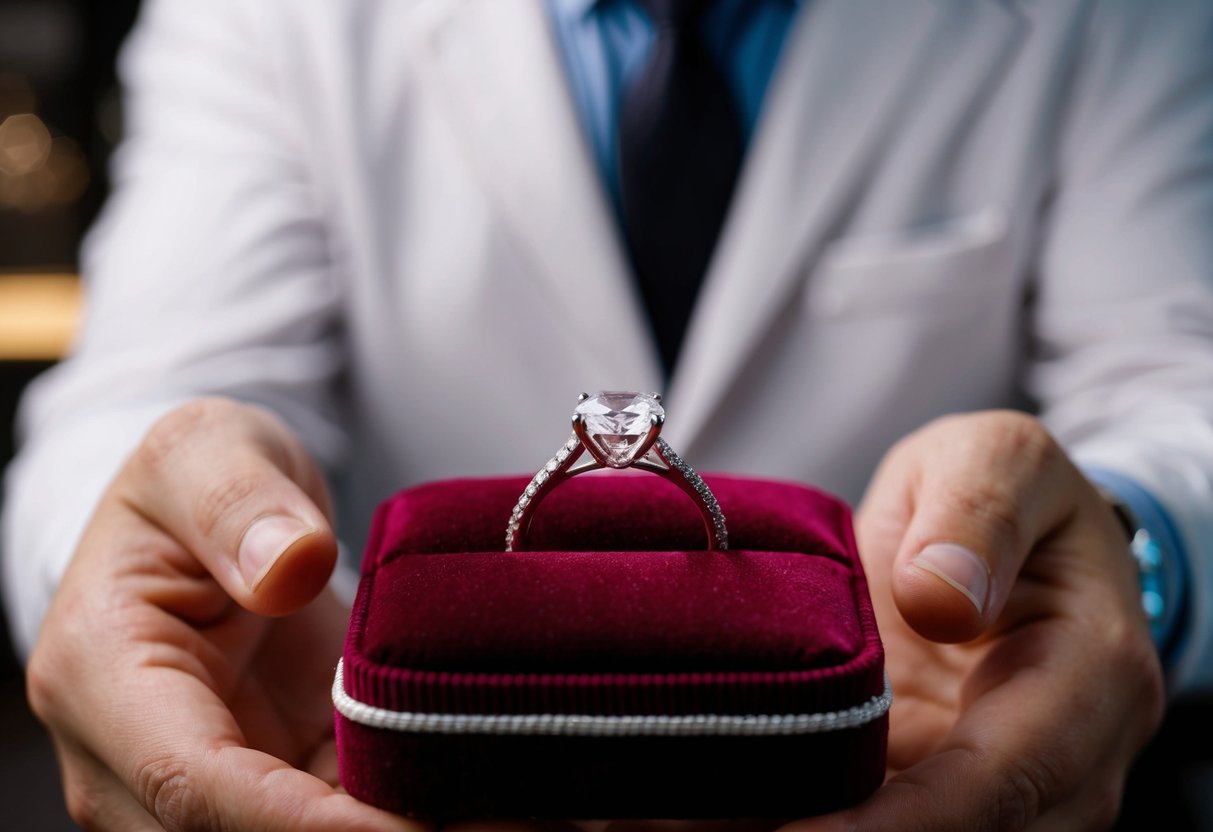
Understanding this rule can help you make an informed decision based on your financial situation, rather than feeling obligated to follow outdated wedding etiquette. By focusing on what feels right for you and your partner, you can prioritize love and commitment over societal expectations.
As you explore your options, consider what elements are most meaningful to you in an engagement ring. It’s essential to balance your personal style with your budget so that you can find a piece that symbolizes your unique relationship without breaking the bank.
Understanding Engagement Ring Budgets
When planning for an engagement ring, setting a budget is key. Two important topics to consider are the 3-month salary rule and the average costs of engagement rings to help you make an informed decision.
The 3-Month Salary Rule Explained
The 3-month salary rule suggests that you should spend three months’ worth of your salary on an engagement ring. This idea gained popularity from a marketing campaign by De Beers in the 1930s.
While it can provide a guideline, this rule may not fit everyone. For example, if you earn $60,000 a year, that would mean a ring costing $15,000. Many couples find this amount unreasonable.
Ultimately, it’s important to set a budget that feels right for you and your partner. You should consider your financial situation, personal values, and relationship dynamics when determining how much to spend.
Average Engagement Ring Costs
Engagement ring costs can vary widely depending on several factors. According to recent data, the average cost of an engagement ring in the United States is around $6,000. However, prices can range from a few hundred to several thousand dollars.
Factors affecting the price include the type of metal, the size and quality of the diamond, and the brand. You might find that a simple design with a smaller stone can be just as meaningful as a larger, more expensive ring.
When setting your budget, think about what matters most to you. Whether it’s a specific stone or unique design, focus on finding a ring that suits your style and budget.
Choosing the Right Ring
When choosing the right engagement ring, you want a ring that reflects your partner’s style and fits within your budget. The key aspects include selecting the right diamonds or gemstones, considering carat weight and size, and the type of setting you choose.
Selecting the Diamond or Gemstones
The most popular choice for engagement rings is the diamond. Diamonds are celebrated for their brilliance and durability. You may also consider other gemstones, like sapphires or emeralds, especially if they hold special meaning.
Think carefully about the 4 Cs of diamonds: Cut, Color, Clarity, and Carat weight. The cut affects how light reflects off the diamond, enhancing its sparkle. Opt for a shape your partner loves, be it round, princess, or cushion. Remember that semi-precious stones can offer unique colors and styles, allowing you to customize the ring further.
Considering Carat Weight and Size
Carat weight refers to the actual weight of the diamond or gemstone. One carat equals 200 milligrams. Rings with higher carat weights are often more expensive due to their rarity.
When deciding on carat weight, think about your partner’s lifestyle. If they have an active job or hobbies, a smaller, sturdier stone might be more practical. A ring with a lower carat weight can still look beautiful, especially with a clever setting that makes the stone appear larger.
Engagement Ring Settings
The setting plays a critical role in the ring’s overall look. It holds the diamond or gemstone in place and showcases its beauty.
Popular settings include prong, bezel, and halo styles. A prong setting lifts the stone high, maximizing exposure to light. A halo setting surrounds the main stone with smaller diamonds, adding sparkle and making the center stone look larger. Consider the metal type as well, as options like white gold, yellow gold, or rose gold can dramatically change the ring’s appearance.
Additional Costs and Considerations
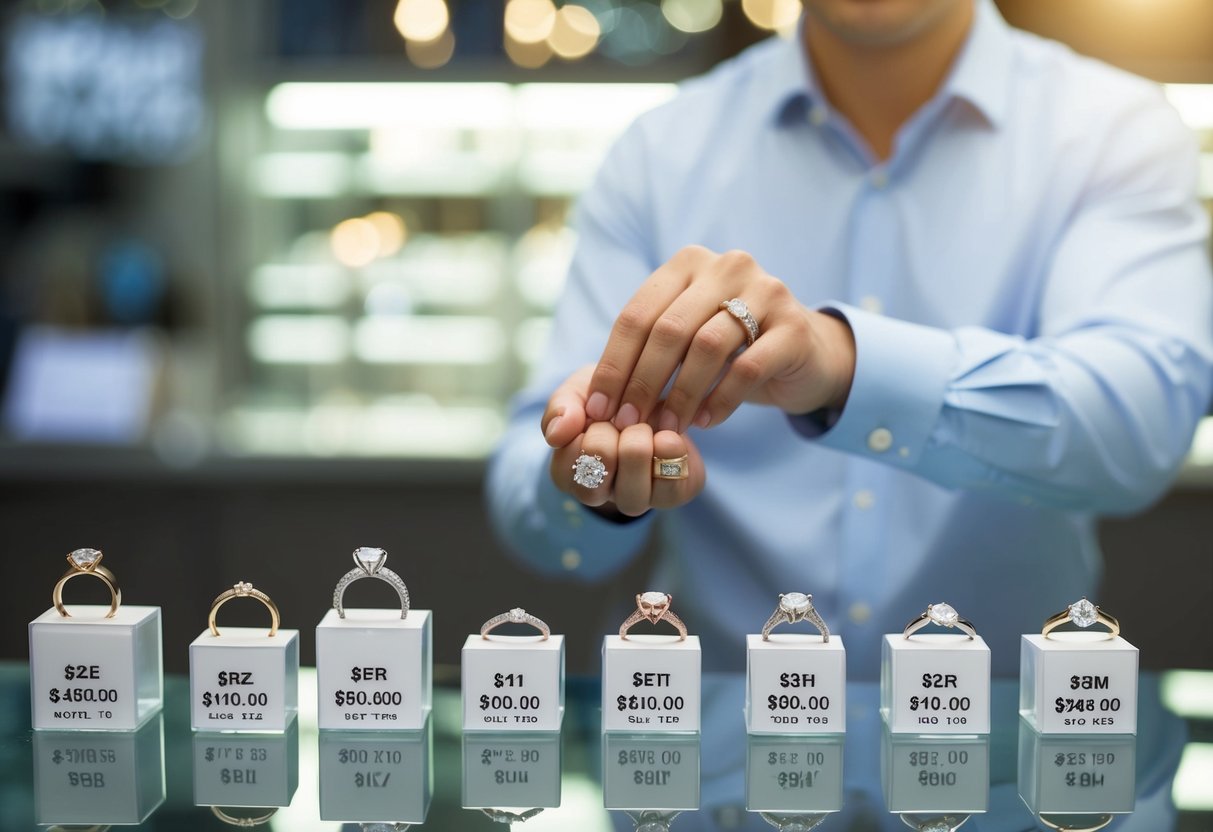
When buying an engagement ring, it’s important to think about more than just the ring’s price. Additional costs, especially related to warranties and services, can add up and impact your overall budget. Here are some key details to consider.
Warranty and Services
Many jewelers offer warranties on engagement rings. A warranty can protect your purchase from defects and certain types of damage. This feature is valuable because it can save you money on repairs down the line.
Look for warranties that cover:
- Manufacturer defects: Issues that arise during production.
- Stone replacement: In case of a lost diamond or gemstone.
- Routine maintenance: Services like cleaning or tightening loose stones.
It’s also helpful to inquire about additional services. These can include resizing or adjusting settings, which may be necessary for a comfortable fit. Understanding these aspects can influence your decision-making when selecting the perfect ring.