
What is the Seating Arrangement in Protocol? Understanding Formal Event Etiquette
When attending formal events or meetings, understanding the seating arrangement in protocol helps establish respect and order. Whether you’re hosting a gathering or participating in one, knowing where to sit can make a significant difference.
Proper arrangements can reflect hierarchy, relationships, and balance among guests.
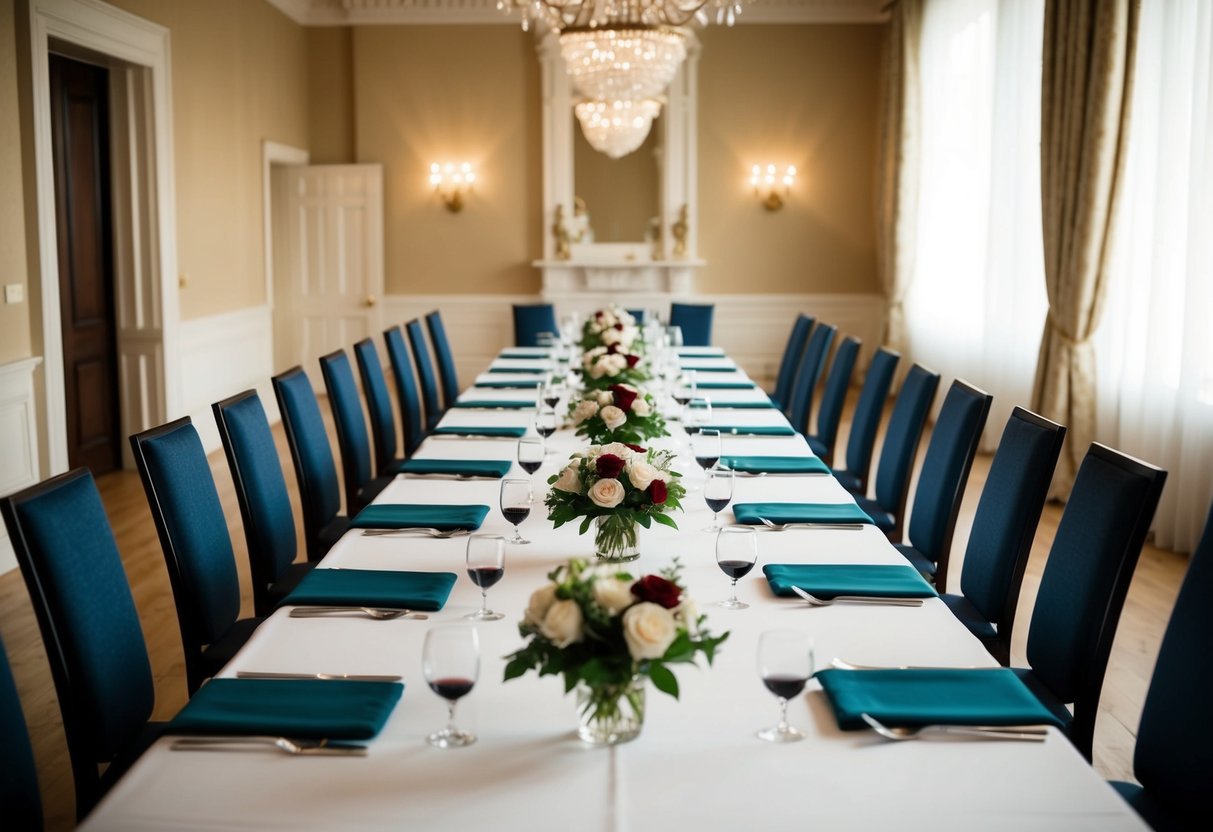
In many cases, the guest of honor sits to the right of the host, which is considered a position of prestige. At formal events, hosts and co-hosts are often seated opposite each other. Meanwhile, guests are arranged in a way that alternates ranks and maintains balance. This thoughtful seating helps promote conversation and engagement among attendees.
By paying attention to seating protocols, you ensure that everyone feels valued and respected. This not only enhances the experience for guests but also supports the goals of the event.
Knowing these basics can turn a simple gathering into a well-organized and enjoyable occasion.
Understanding Protocol in Seating Arrangements
Seating arrangements in formal events follow specific guidelines rooted in tradition and protocol. These arrangements help to define roles and ensure a respectful atmosphere.
Understanding the historical context and the types of seating options available will enhance your ability to plan effective meetings or gatherings.
Historical Context of Seating Protocol
Seating protocol has deep historical roots, often reflecting societal hierarchies and traditions. In many cultures, the placement of individuals at a table signifies their status or importance.
For example, leaders may sit at the head of the table, while other guests are arranged according to rank.
In formal settings, this arrangement promotes respect and acknowledges the authority of higher-ranking individuals. Traditionally, events like banquets or formal meetings used strict seating arrangements.
Knowing this history can help you create a respectful and organized atmosphere for your events.
Different Types of Seating Options
There are several types of seating arrangements you might consider for formal events. Below are common options:
-
Alternating Seating: This method mixes guests, seating men and women or individuals from different groups together. This encourages mingling and conversation.
-
Table Configurations: Round tables promote interaction among all guests, while rectangular tables align with formal proceedings, allowing for clear hierarchical structures.
-
Fixed Seating: For events like conferences, fixed rows help manage large audiences and create a clear order for speakers and guests.
Choosing the right seating option depends on the event’s purpose and the relationships among attendees. Each type of arrangement serves its own role in facilitating effective communication and respect among participants.
Determining Seating Hierarchies
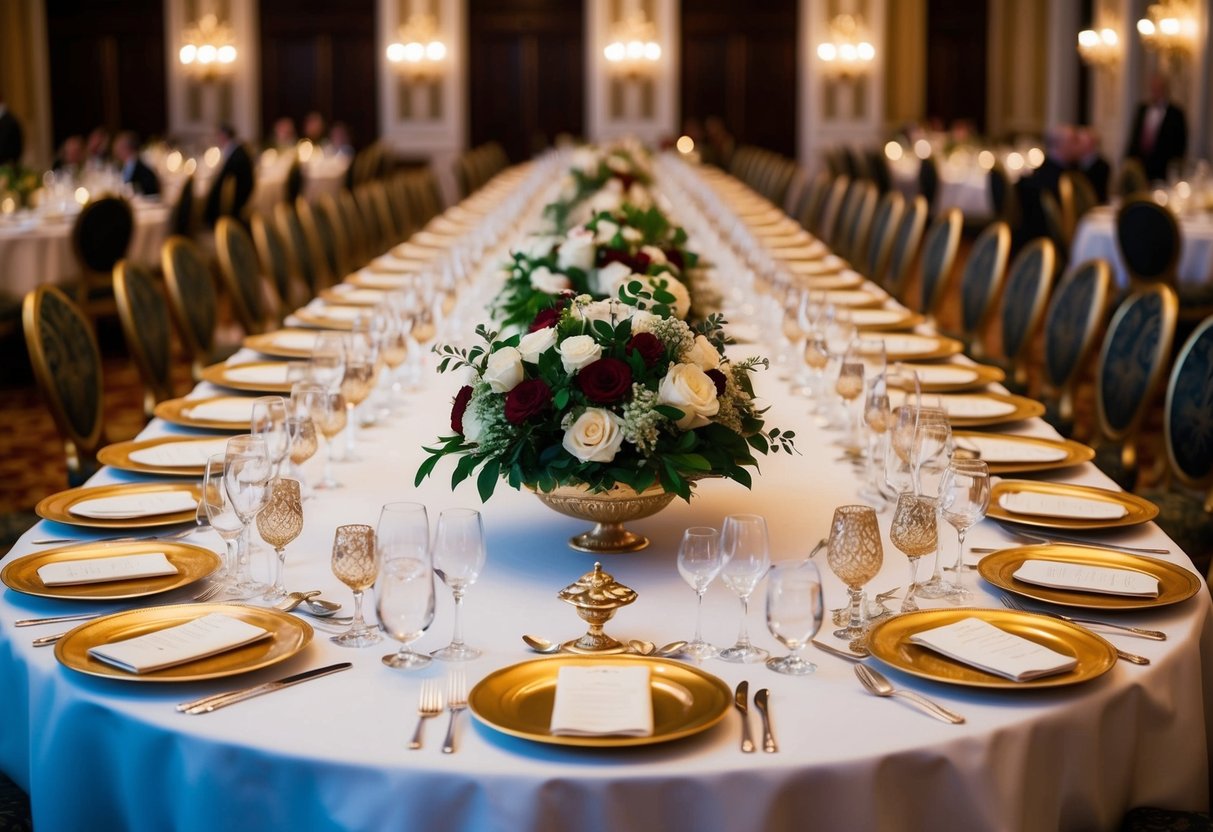
Seating hierarchies play a crucial role in events and gatherings. Understanding how to arrange seating based on different factors can significantly enhance the overall experience for everyone involved. Here are key considerations for determining seating hierarchies.
Influence of Position and Rank
In many situations, a person’s position and rank heavily influence their seating arrangement. Higher-ranking officials typically sit at the front or center, which symbolizes their importance.
For example, heads of state often have designated seats that reflect their status.
When planning your seating chart, create a list of attendees ranked by their roles. This list will help you decide who sits where.
Make sure to consider official titles and the context of the event. For instance, at a formal dinner, placing the guest of honor closest to the host is standard practice.
Age and Seniority Considerations
Age and seniority can also impact seating arrangements. In many cultures, older individuals are given priority in seating due to their experience and wisdom.
It is a sign of respect to arrange seating so that senior members are positioned well, often at the front or along the sides.
When considering seniority, take note of the individuals’ backgrounds and contributions. This adds depth to the respect shown through seating.
For example, a senior executive should be seated near the top leadership during a corporate event, while younger employees can be arranged accordingly to foster inclusivity.
Gender Roles in Seating Etiquette
Gender can influence seating etiquette, depending on cultural norms and expectations. In some traditions, there might be specific seating arrangements that favor certain genders.
It’s essential to be aware of these customs to avoid unintentionally offending anyone.
To create a comfortable environment, strive for balance. Ensure that both men and women are represented in prominent seating positions, particularly in mixed-gender events.
This demonstrates a commitment to equality and respect. Remember to communicate with your guests beforehand to understand their preferences and ensure an inclusive atmosphere.
Practical Guidelines for Seating Arrangements
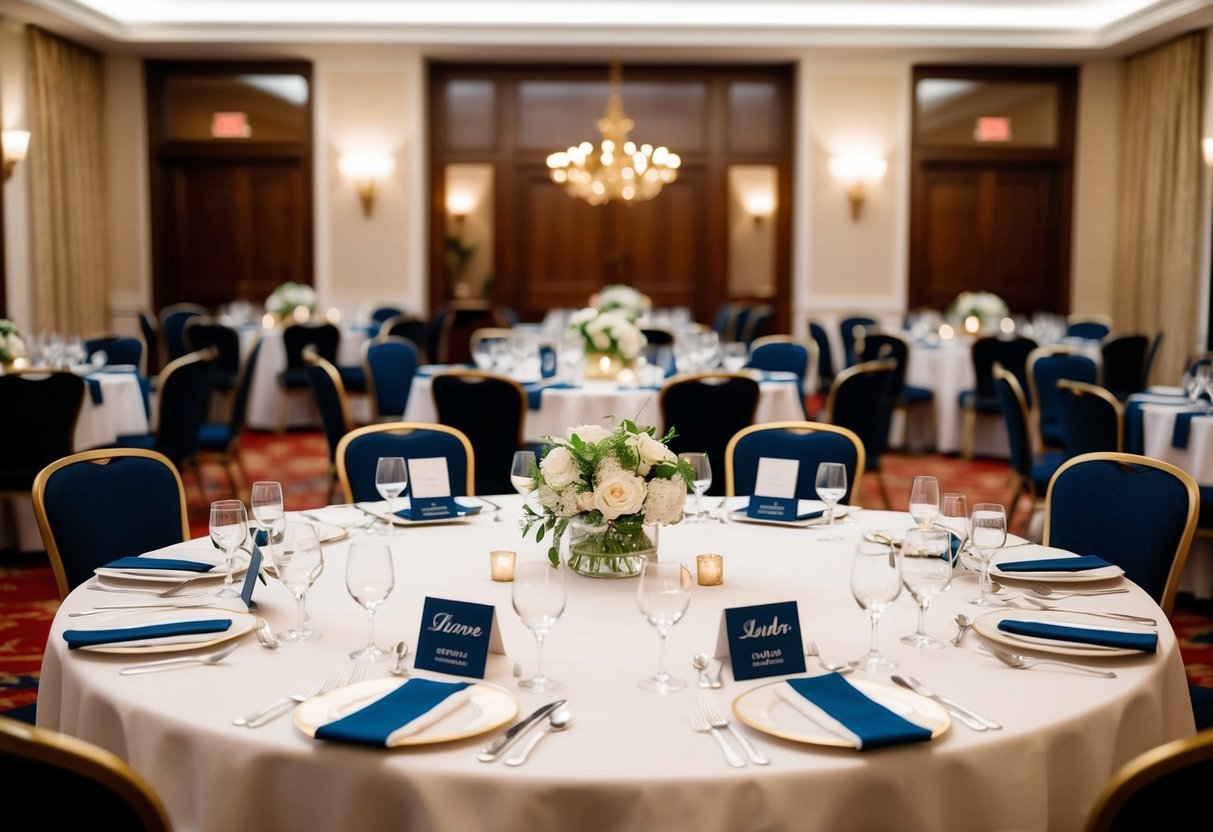
When planning seating arrangements, it’s essential to consider the order of precedence and how to effectively manage mixed events. Knowing the rules of etiquette will help create respectful and functional seating plans. Let’s look at these important elements.
Setting the Order of Precedence
Establishing the order of precedence is crucial in any formal setting. This means ranking individuals based on their roles, titles, or achievements.
To set this order, start by listing attendees and determining their ranks. Use the following guidelines:
- Leaders first: Always seat top officials or hosts at the head of the table.
- Hierarchy matters: Position individuals according to their authority. Those with higher ranks sit closer to the center or front.
- Gender and age: In some cultures, seating may also depend on gender or age, with seniors seated before juniors.
Being mindful of these points ensures that everyone feels acknowledged and respected.
Navigating Seating at Mixed Events
Mixed events, such as social gatherings or dinners, require a different approach. Here, you want to blend guests and hosts to encourage interaction and networking.
Follow these tips for successful seating:
- Mix it up: Alternate guests and hosts around the table. This fosters conversations and helps break down barriers.
- Know your guests: Be aware of personalities and interests so you can pair people who will enjoy conversing with each other.
- Flexible arrangements: Be ready to adjust seating based on individual needs, including accessibility or comfort.
Using these strategies helps create a welcoming atmosphere for everyone involved.