
What is the Seating Etiquette for the Parents at a Wedding? Essential Tips for a Smooth Ceremony
When planning a wedding, one of the important details to consider is the seating etiquette for parents. Typically, the bride’s parents sit on the left side during the ceremony, while the groom’s parents sit on the right. This traditional setup helps create a cohesive family atmosphere as everyone gathers for the big day.
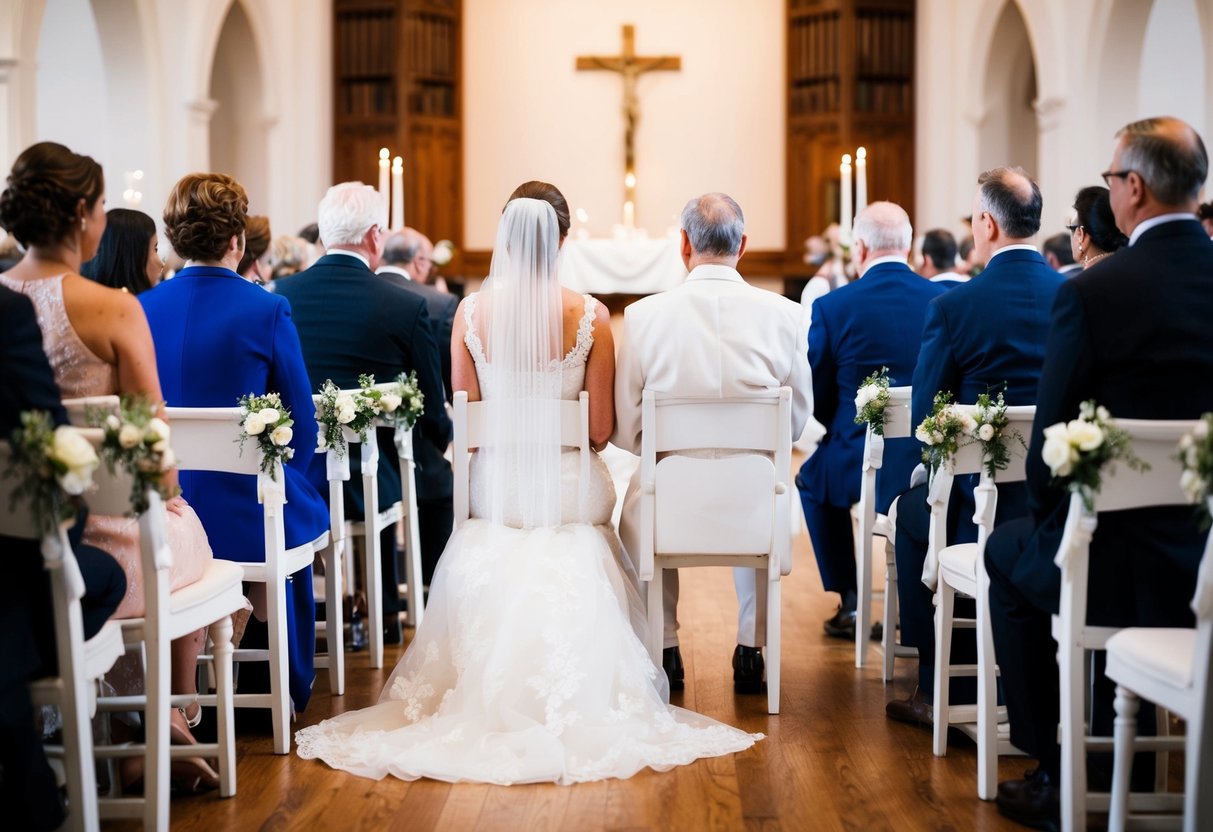
During the processional, the parents often follow the wedding party, adding to the emotional weight of the moment as they walk down the aisle.
For the reception, couples can choose to seat parents together at a special table or let them mix with their friends. Whatever you decide, clear communication with your families will make the seating arrangements smoother and more enjoyable for everyone.
Getting the seating right ensures that family dynamics are respected while making your wedding a memorable occasion. By understanding these expectations, you can set the tone for your celebration and honor those who mean the most to you.
Determining the Seating Arrangement
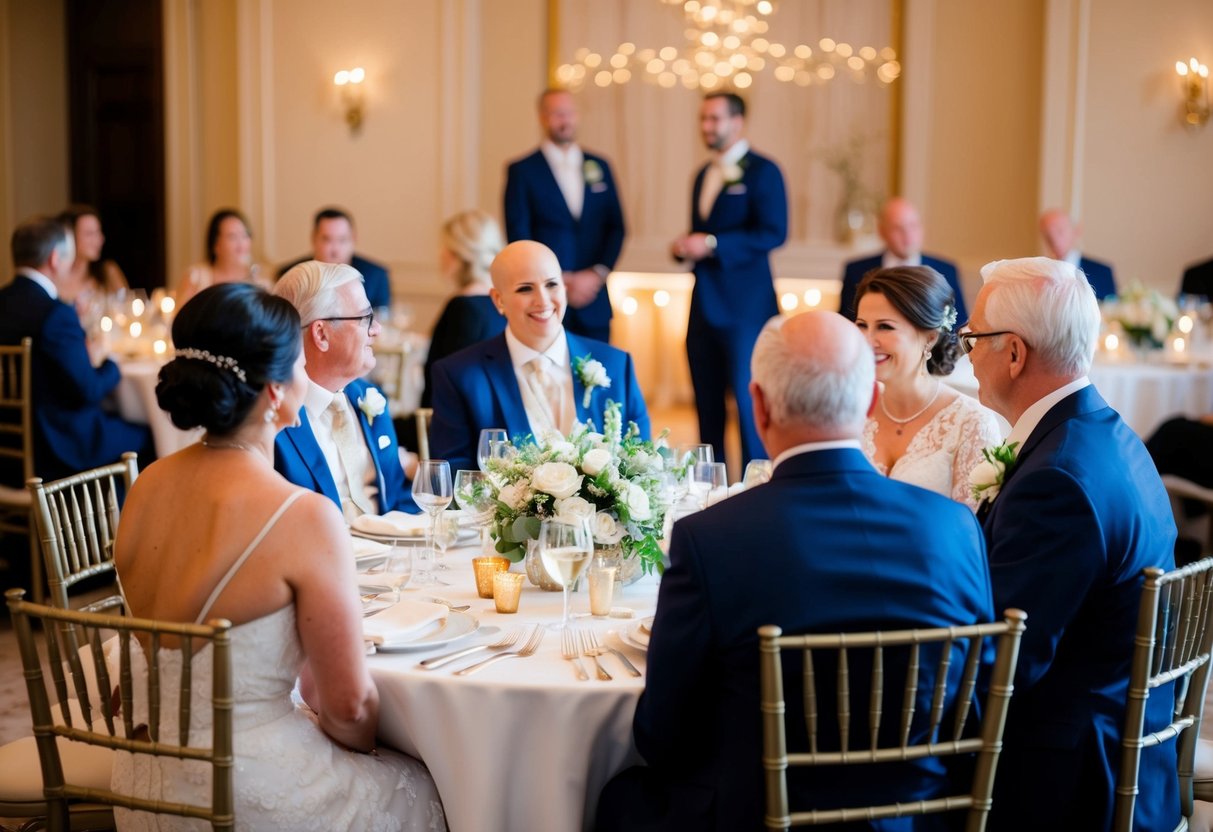
Creating the seating arrangement can feel overwhelming, but following some straightforward guidelines can make it manageable. You’ll want to consider the needs of your parents and ensure they are comfortable during the ceremony and reception.
Principles of Seating Chart Etiquette
When arranging the seating for your wedding, start by understanding the key principles of seating chart etiquette. Begin with seating your parents in a prominent position, usually at the front. This honors their role in your life.
If space allows, consider placing grandparents at the same table. Keeping family together fosters a more pleasant atmosphere. Also, be mindful of any family dynamics that may affect seating choices.
Consider dietary restrictions when creating your seating chart. Make a list of each guest’s preferences to prevent any discomfort during meals. This shows you care about their experience.
Involvement of the Wedding Planner
Your wedding planner can be an invaluable resource in managing the seating arrangement. They often have experience handling conflicts and know how to create a balanced seating environment.
Share your preferences and concerns with your planner as soon as possible. They can help develop a clear seating chart based on your input. This collaboration helps address any potential issues early.
Additionally, planners can suggest effective layouts for the tables. They understand flow and guest interaction, which can enhance the overall experience.
Understanding Table Assignments
Understanding table assignments is crucial for creating an enjoyable atmosphere. When making these assignments, think about guest relationships. Place people who get along together and separate those who might not.
Group guests by social circles. For example, you might group college friends at one table and family members at another. This encourages conversation and connection throughout your celebration.
Finally, create a clear and easy-to-read seating chart. Use names and table numbers so guests can find their seats without confusion. A well-ordered chart makes the day flow smoothly.
Organizing Specific Seating Areas
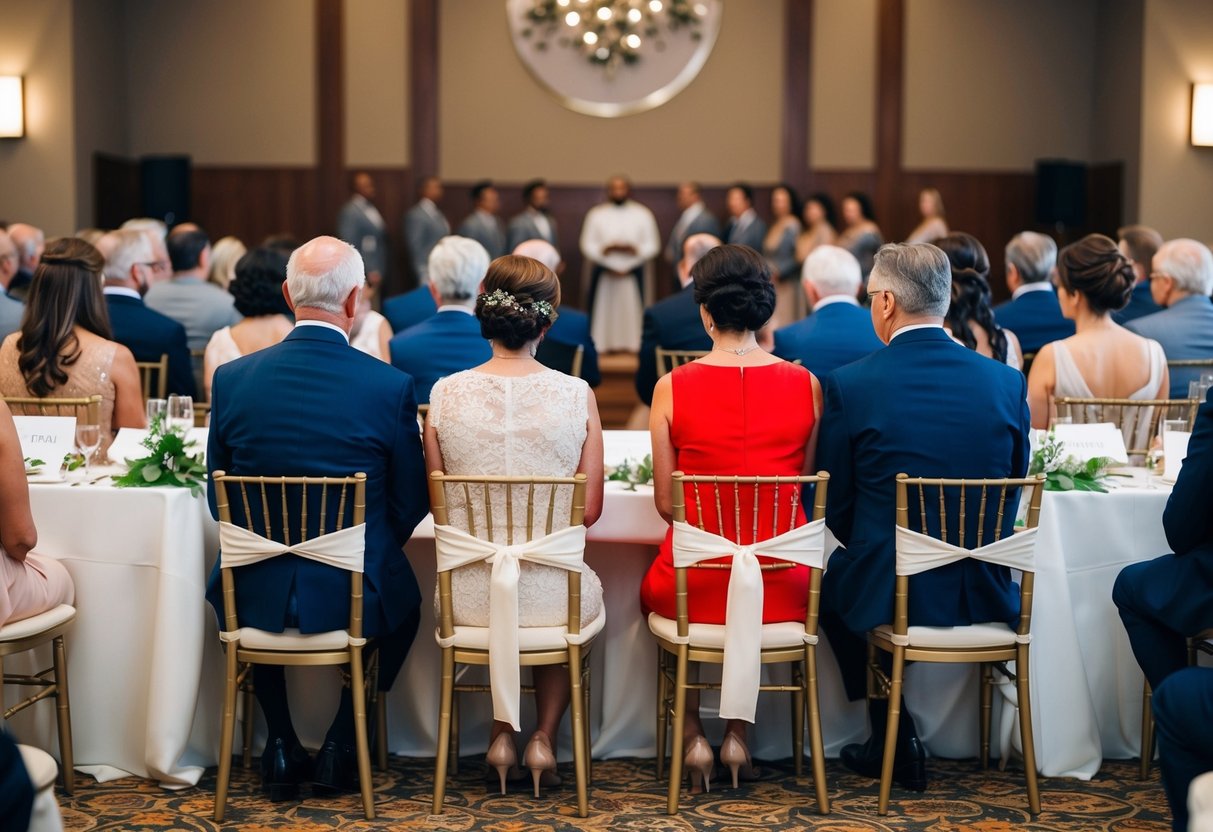
When planning your wedding seating chart, it’s essential to think about where to place your parents and key family members. Organizing specific seating areas for the wedding party, head table, divorced parents, and grandparents will help create a warm and inviting atmosphere.
Seating Arrangements for the Wedding Party
The wedding party holds a special place at the reception. Typically, the bridesmaids and groomsmen sit near the couple, either at the head table or a designated table close by.
You can arrange this table in a U-shape or a long format. This setup encourages interaction among the wedding party and the couple. It’s also a good idea to mix the seating to foster friendships, such as pairing bridesmaids with groomsmen.
Selecting the Head Table or Sweetheart Table
Choosing between a head table and a sweetheart table is important. The head table usually accommodates the entire wedding party. This is a great way to include your closest friends and family in your big moment.
On the other hand, the sweetheart table is more intimate, meant only for you and your partner. Place it in a spot where everyone can see you, often elevated slightly. This creates a romantic atmosphere while keeping you in the center of attention.
Placement for Divorced Parents
Managing the seating of divorced parents can be sensitive. Consider placing them at separate tables to avoid any uncomfortable situations.
If space allows, you can also seat them with other family members or friends. Make sure to communicate with both parents about their preferences beforehand. This will help everyone feel more at ease during your special day.
Arranging the Grandparents’ Seats
Grandparents should be given special consideration when organizing seating. Place them at a table that’s easy for them to access and provides a good view of the festivities.
If space permits, seating all grandparents at one table is a thoughtful choice. If that doesn’t work, aim to seat them near the couple at adjacent tables. Ensuring grandparents feel comfortable and included is a lovely way to honor them on your wedding day.
Special Considerations for Reception Seating
When planning your wedding reception seating, it is essential to consider the comfort and happiness of your guests, especially your parents. A well-thought-out seating chart helps to create a joyful atmosphere. Here are some key aspects to keep in mind.
Designing the Wedding Reception Seating Chart
Start by creating a clear wedding reception seating chart. This chart helps you visualize where everyone will sit. You can make it on paper or use online tools.
Make a list of all your guests and note their relationships to the couple. Prioritize seating for parents and close family members at prominent tables. This arrangement shows appreciation for their support and involvement.
Be sure to avoid placing guests who have unresolved issues at the same table. This helps maintain a positive vibe throughout the celebration.
Deciding on Table Shapes and Arrangements
Choosing the right table shapes and arrangements can impact the flow of your wedding reception. Round tables encourage conversation, while rectangular tables work well for larger groups.
Consider your venue’s layout when arranging tables for optimal traffic flow. Make sure there is enough space to move comfortably between tables. Round tables typically seat 8-10 guests, whereas rectangular tables can accommodate larger groups.
Next, think about how to group guests. Sit families together and place friends who are compatible at the same tables. This helps create a warm atmosphere where everyone feels included.
Assigning Seats at the Singles’ and Kids’ Tables
Assigning seats at the singles’ and kids’ tables is important for keeping everyone happy. For singles, try to seat them with others who share common interests to foster new connections.
For the kids’ table, seat children of similar ages together. This arrangement encourages interaction and fun activities.
Also, providing some games or coloring materials can keep them entertained too.
Make sure the kids’ table is close to parents or guardians so they can check in easily. This way, parents can relax knowing their children are nearby and happy.