
What is the Shortest Amount of Time to Plan a Wedding? Essential Tips for a Quick Celebration
Planning a wedding can sometimes feel overwhelming, especially if you’re short on time. You might be wondering about the quickest way to pull everything together for your special day. Believe it or not, you can plan a wedding in as little as three weeks if you are ready to make quick decisions and prioritize key details.

While the average time to plan a wedding is about 15 months, circumstances can sometimes lead to a shorter engagement. In such cases, focusing on the essentials—like booking a venue and selecting vendors—becomes crucial. With some organization and a clear vision, you can create a beautiful celebration even within a tight timeline.
So, whether you have a short engagement or just want to keep it simple, knowing your options can make the process smoother. Let’s explore how to efficiently navigate the wedding planning process and get you to your big day with as little stress as possible!
Setting Your Wedding Timeline
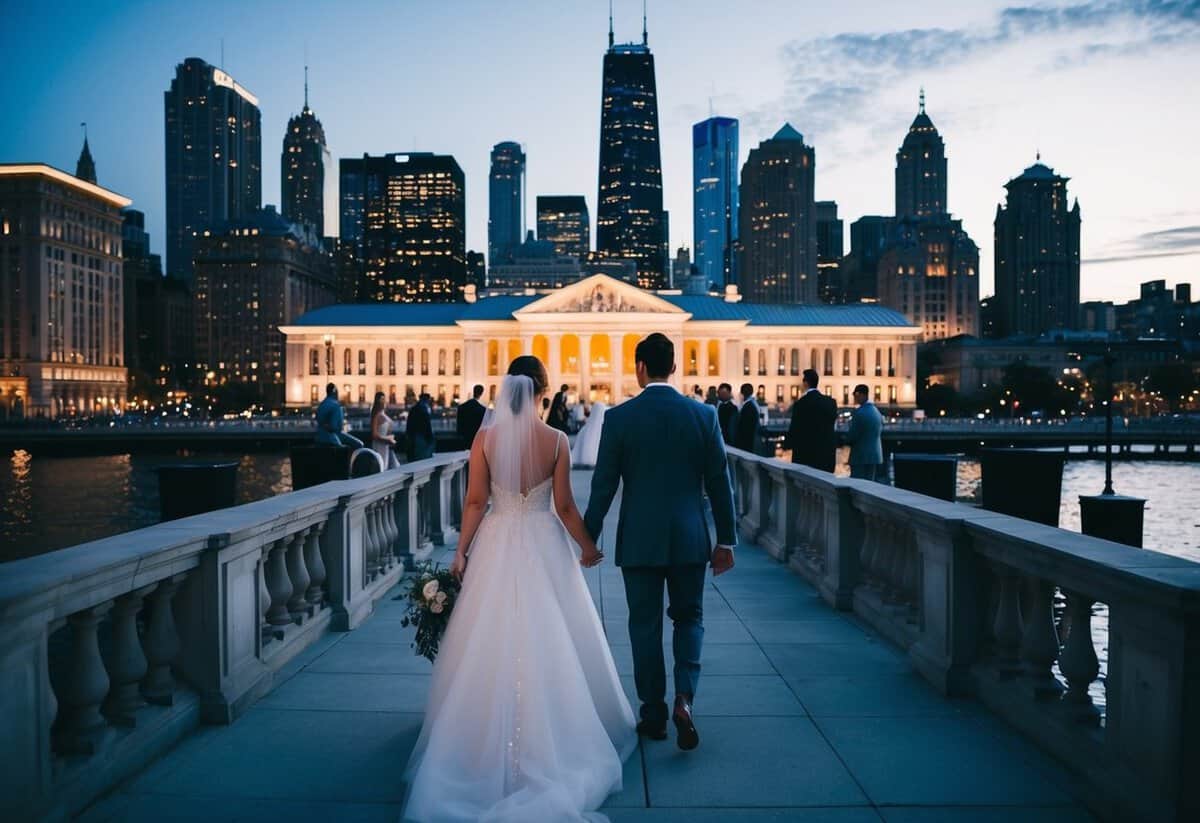
When planning a wedding, creating a clear and realistic timeline is essential. This helps you stay organized and ensures that you don’t miss any important steps. Here are key areas to focus on as you develop your timeline.
Determining the Date
Choosing your wedding date is the first step in setting your timeline. Consider whether you want a short engagement or a long engagement. A short engagement typically means planning within a few months, which can be exciting yet challenging.
Think about the season, as certain times of the year are more popular for weddings. Weekday weddings can also be a great option if you want to save money and secure a venue on short notice. Make sure to check with important guests to avoid scheduling conflicts.
Creating a Planning Checklist
Having a detailed checklist can simplify your planning. Start by listing essential tasks like booking the venue, hiring vendors, and sending invitations. Then, break each task into smaller steps to make it manageable.
For a short engagement, prioritize tasks based on urgency. Focus on the most important details first, such as the venue and caterer. Use a planning checklist to track your progress and ensure you stay on schedule. Remember, this is your day, so customize the checklist to fit your needs.
Understanding the Planning Process
The wedding planning process can be overwhelming, but it’s also an exciting journey. Begin by setting a budget that reflects your priorities. This will guide your decisions throughout the planning.
If you’re planning a last-minute wedding, be prepared to make quick choices. Keep your timeline flexible, allowing for adjustments as needed. Research and book vendors as soon as possible to secure your preferred options. By staying organized and focusing on relevant steps, you can enjoy a smooth planning process.
Budgeting and Selecting Vendors
Planning a wedding involves careful budgeting and choosing the right vendors. These steps are crucial to ensure that your special day goes smoothly and stays within your financial limits.
Creating a Wedding Budget
Start by setting a realistic budget for your wedding. Calculate how much you can spend overall, considering contributions from family, savings, and any potential loans.
List essential expenses like the venue, catering, and attire. You may want to allocate funds for entertainment and decorations too.
Using wedding packages can help simplify costs. Many venues offer set packages that include everything you need, which can reduce decision fatigue. Make sure to prioritize what matters most to you and to adjust your budget as necessary.
Booking Your Venue and Vendors
Choosing a wedding venue is one of the most important decisions you will make. Look for places that fit your style and budget. Don’t forget to ask about available wedding packages, which can often save money.
Once you settle on a venue, begin booking your vendor team. Discuss your needs and compare different wedding vendors to find the best fit. Research their reviews, portfolios, and prices to ensure you make informed choices.
Remember to book in advance, as popular vendors may fill up quickly. Secure your venue and vendors early to avoid stress later on.
Important Pre-Wedding Arrangements

Planning your wedding involves several important arrangements. These steps help ensure that everything runs smoothly on your big day. Focus on legalities and creating a great guest experience.
Handling Legalities
One of the first tasks you should tackle is obtaining your marriage license. Requirements vary by state, so check your local regulations. It’s usually best to apply a few weeks before your wedding.
Choosing an officiant is another key step. You may select a religious figure, a judge, or a friend who can become ordained. Make sure to discuss the ceremony details with them in advance.
Additionally, finalize your guest list. This helps set the number of invitations you’ll need. Depending on your timeline, you can also send out save-the-dates to give guests ample notice.
The Guest Experience
Creating a memorable guest experience starts with thoughtful invitations. Plan to send out wedding invitations at least six to eight weeks before the day.
Include all important details like the date, time, and location. You might want to create a wedding website too. This can keep guests updated on any changes.
Don’t forget about your wedding party. Share their roles clearly so everyone knows what to expect. Offering a little welcome gift, like a personalized note or treat, can make them feel appreciated.
Finalizing Details and Logistics

When planning a wedding on short notice, focusing on the specifics of attire, rings, and the day’s itinerary is essential. You want everything to run smoothly while keeping stress to a minimum.
Choosing Attire and Rings
Selecting your wedding dress and rings is a top priority. Start with your wedding gown. If time is tight, consider visiting bridal shops that offer off-the-rack options for a quicker purchase. For rings, think about your preferences—classic or modern styles.
Try to finalize these choices within a week or two. Use wedding planning apps to keep track of designs, sizes, and styles. Remember, involving a few trusted friends can help refine your selections.
Pre-Wedding Events
Pre-wedding events like the bridal shower and bachelorette party should be simple yet enjoyable. Opt for smaller gatherings to save time and make planning easier.
Coordinate with friends to delegate tasks. For instance, assign someone to handle invitations or party themes. A relaxed rehearsal dinner, possibly at a favorite restaurant, can help everyone bond before the big day.
Keep the guest list shorter to reduce stress and logistical challenges. And don’t forget to communicate all details clearly with your bridal party so everyone is on the same page.
The Wedding Day Itinerary
Creating a detailed itinerary for the wedding day is crucial. Start by outlining the ceremony schedule. Include when the guests arrive, when to walk down the aisle, and when the reception begins.
Also, include key times for hair and makeup, as well as for photos. Then, assign roles to your bridal party so they know how to best support you throughout the day.
Using a wedding planning app can help keep everything organized. Share the itinerary with your vendors, so they know when and where to set up. This could help make your destination wedding flow smoothly, ensuring a successful celebration.