
What Is the Simplest Way to Get Married? A Step-by-Step Guide for Couples
When thinking about getting married, you might wonder what the simplest way is to tie the knot. The easiest option is often to have a quick online wedding. This allows you to skip much of the traditional planning and stress involved in a big ceremony. Imagine saying “I do” from the comfort of your home, with just a few clicks.
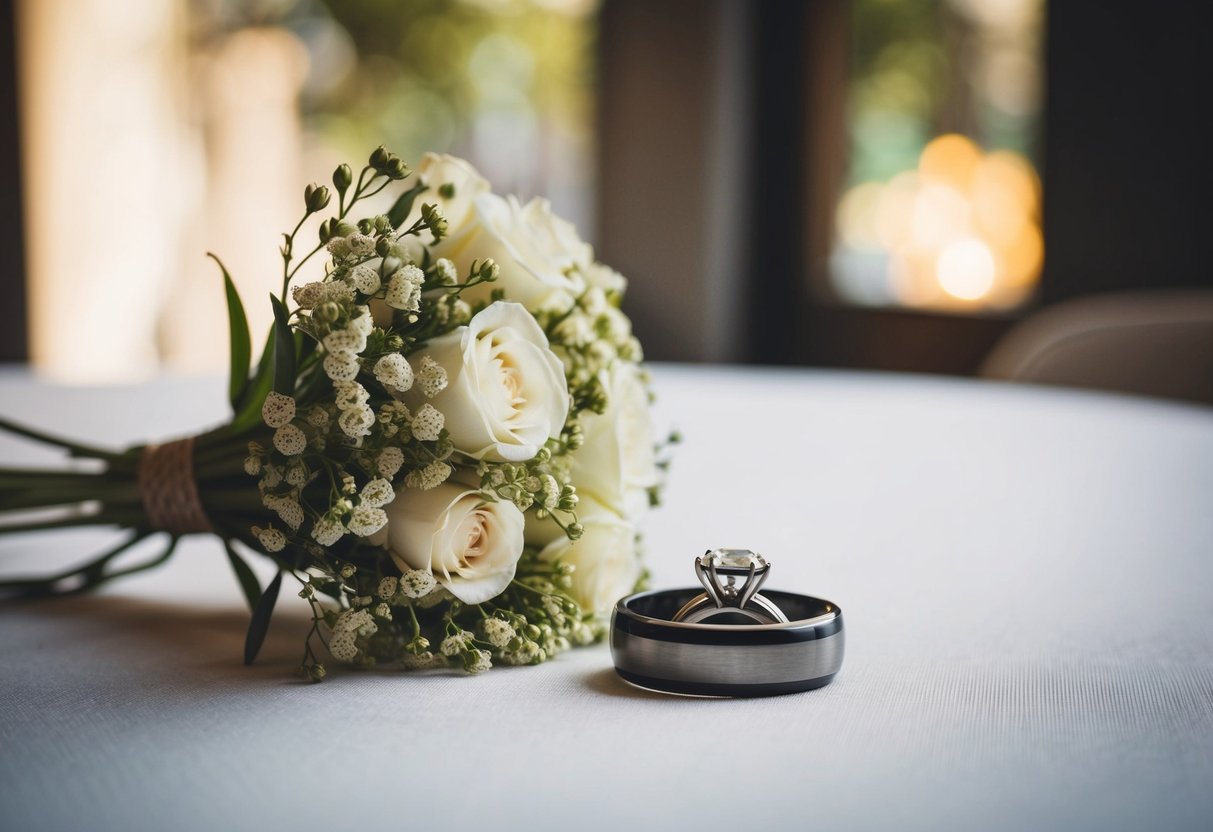
You can also consider eloping or having a small civil ceremony. These alternatives can be both meaningful and budget-friendly, giving you the chance to focus on your relationship rather than the details of a large event. With these options, you’ll find that getting married can be a seamless and enjoyable experience.
No matter which path you choose, remember that your wedding should reflect your relationship. Keep it simple and make it special in a way that feels right for you. The joy of becoming a couple is what truly matters.
Understanding the Basics of Marriage
Getting married involves understanding some important aspects. This includes legal requirements and the different types of marriages you can choose from. Let’s break down these key areas to help you make informed decisions.
Legal Considerations
Before tying the knot, make sure you know the legal requirements in your state. The first step is obtaining a marriage license. This document allows you to legally get married and varies by location regarding fees and waiting periods. In many cases, you can apply for the license at a city or county office.
Once you have your license, you must get married before it expires. This is usually between 30 to 90 days after issuance. After the ceremony, you’ll receive a marriage certificate, which serves as legal proof of your marriage. Be sure to keep this safe, as it may be needed for tax purposes or legal matters in the future.
Types of Marriages
There are several types of marriages to consider. A civil ceremony is a non-religious option performed by a judge or officiant, usually at a courthouse. This can be a simple and quick way to get married.
Same-sex marriage is now recognized in many places, allowing couples of the same gender to marry legally. The process for obtaining a marriage license and the steps to get married are similar to opposite-sex couples.
You might also consider a traditional wedding or an elopement. Each option has its unique charm, depending on what you want your special day to look like.
Planning Your Wedding
Planning a wedding involves several key steps that will help make your special day memorable and stress-free. Choosing the right venue, attire, and officiant are essential parts of the process. Each decision adds to the overall experience of your ceremony and celebration.
Selecting the Venue
The venue sets the tone for your wedding. Whether you choose an indoor or outdoor setting, consider your style and budget. Make sure the location has enough space for your guests and fits your vision for the day.
-
Outdoor Weddings: These can provide a beautiful backdrop with nature as your decor. Think about the season and possible weather changes.
-
Indoor Venues: These offer more control over the environment. Look for options that allow you to personalize the space, like adding special decorations.
Don’t forget to check for amenities like parking and restrooms. It’s best to visit several places before making your final decision.
Choosing the Right Attire
Your wedding attire reflects your personal style. Start by deciding if you want something traditional or modern. Consider the venue when selecting your outfit.
-
Wedding Dress: Explore styles that make you feel comfortable and confident. Think about the fabric and fit, especially if your wedding is in a warm location.
-
Groom’s Attire: A tailored suit or tuxedo can complement the overall theme. Make sure it fits well and feels good to wear throughout the day.
Finally, don’t forget about accessories and shoes. They can elevate your look and complete your ensemble.
Selecting an Officiant and Vows
Your officiant plays a key role in your ceremony. This person will lead you through the wedding vows and ensure your union is official.
-
Finding an Officiant: You may choose a religious figure, a judge, or a friend who is ordained. Make sure they understand your vision and style for the ceremony.
-
Wedding Vows: Personal vows can make your ceremony special. Decide whether you want to write your vows or use traditional ones.
Take the time to practice, especially if you’re writing your own. This will help you feel more comfortable and confident on your big day.
Streamlined Marriages
If you want to get married quickly and easily, there are great options available. You can choose between elopement or virtual weddings. Each option offers a unique way to celebrate your commitment without the stress of traditional ceremonies.
Elopement Options
Eloping allows you to skip the elaborate planning often associated with weddings. You can choose a beautiful location that holds special meaning for you and your partner.
Some popular elopement ideas include:
- Beach Destination: Say your vows with the ocean as your backdrop.
- Mountain Retreat: A quiet spot in nature can create a romantic setting.
- City Hall Wedding: Visit your local city hall for a fast and simple ceremony.
Eloping can also save you money. You won’t need to spend on large guest lists or extensive decorations. This way, you can focus on what really matters: each other.
Virtual Wedding Advantages
Online weddings make it easy for you to tie the knot from the comfort of your home. Using services like MarryFromHome allows for a simple and stress-free experience.
Benefits include:
- Convenience: No travel required. You can invite friends and family to join online.
- Cost-Effective: You can save on venue costs and decorations.
- Flexible Timing: Schedule your virtual wedding when it suits you best.
With online weddings, you’ll feel connected to your loved ones, even if they aren’t physically present. Plus, you can look back on your unique ceremony with fond memories.
Making It Official
Getting married requires you to make everything official. This means obtaining a marriage license and knowing what to do after your wedding day. Here are the important steps to ensure you are legally recognized as a married couple.
Obtaining Your Marriage License
To start, you’ll need to visit your local county clerk’s office. The specific requirements may vary by location, so it’s a good idea to check their website in advance.
Typically, both partners must be present to apply for the marriage license. Make sure to bring valid identification, such as a driver’s license or passport. Some states may also require a waiting period, so inquire about that.
Once you have the license, it’s valid for a certain number of days—usually 30 to 90—so plan your wedding day accordingly. You can often get married the same day you receive the license, provided you have a ceremony planned.
Post-Wedding Procedures
After your special day, you’ll need to turn in the signed marriage license to the county clerk’s office. You usually need to do this within a few days to ensure your marriage is officially recognized.
Once the office processes your license, they will mail you your official marriage certificate. This document is crucial for name changes and other legal matters.
If you want multiple copies of your certificate, request them during this process. They can be important for changing your name or updating legal documents. Always keep your marriage certificate in a safe place, as you may need it in the future for various purposes.