
What is the Tradition of Crying Before a Wedding? Exploring Emotional Moments and Meaning Behind the Tears
Crying before a wedding is a touching tradition practiced by some cultures, most notably by the Tujia people in China. This heartfelt ritual symbolizes a bride’s love, loyalty, and gratitude towards her family, allowing her to express deep emotions before starting a new chapter in her life. It reveals how cultural heritage can shape beautiful wedding traditions that resonate with the values of community and family.
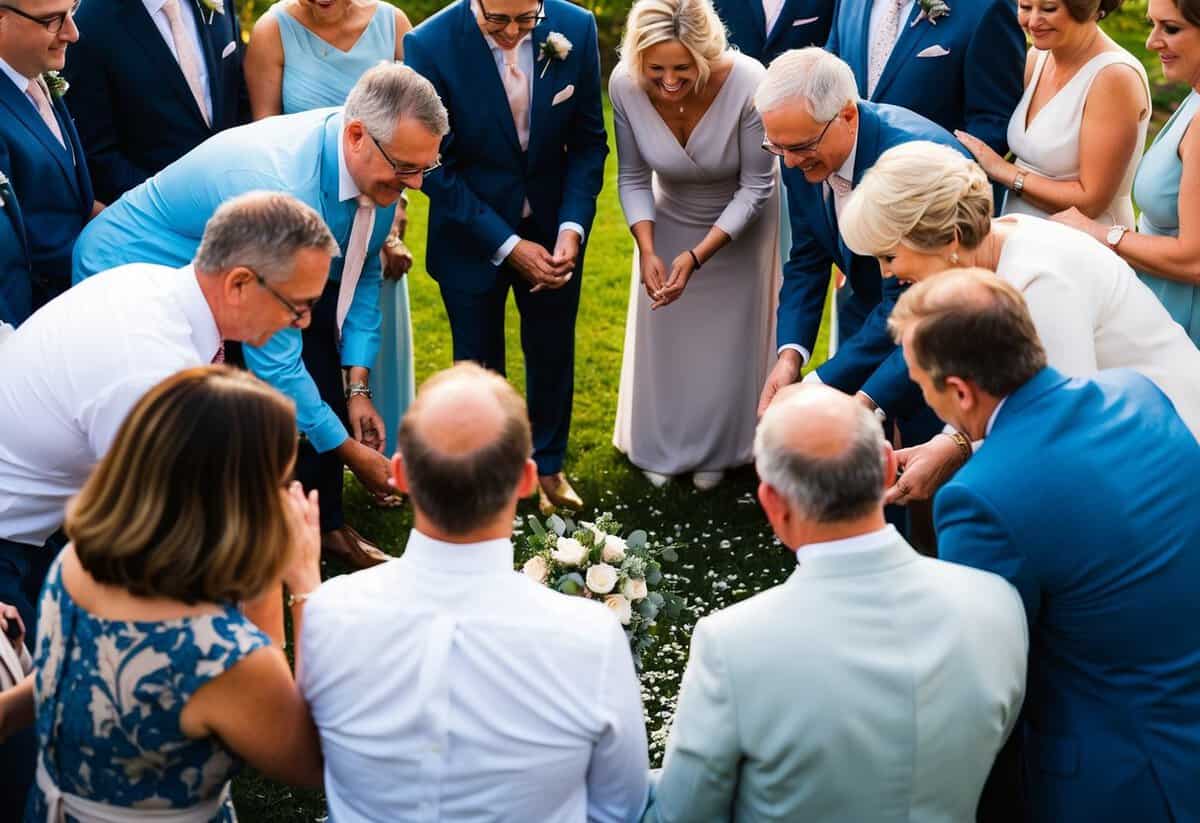
As you explore this custom, you might find it fascinating how the crying ritual is not just about sadness; it also blends joy and anticipation.
Brides often start crying a month before the wedding, signifying emotional release and the beginning of their journey into married life. Understanding this practice gives you a glimpse into how traditions can reflect the profound connections we have with our loved ones.
Historical Origins of Crying Rituals
Crying rituals have deep historical roots, especially within the context of marriage in ancient cultures. These practices often symbolize emotions tied to love, family, and societal values. Understanding their origins reveals the influences of past traditions on modern practices.
Warring States Period Background
During the Warring States Period in China (475-221 BC), many social customs began to take shape. This time was marked by political turmoil and shifting alliances, which affected family structures and values. The crying ritual emerged as a way for brides to express their feelings before marriage.
These rituals were seen as a sign of a bride’s intelligence and virtue. Crying showcased her emotional depth and connection to family. This practice aligned with the Confucian ideals of the three obediences and four virtues, emphasizing loyalty and dedication. It was believed that this demonstration of sorrow and affection brought good luck to the marriage.
Cultural Significance of Tears
Tears have always held significant meaning across cultures. In the context of the crying marriage ritual, they signify more than just sadness. They reflect the emotional journey of a woman transitioning into a new phase of life.
For the Tujia people, the act of crying is both a personal and communal experience. The ritual highlights the cultural richness of their heritage, capturing a blend of joy and sorrow. It serves to strengthen familial bonds and reinforces the bride’s commitment to her new role.
These historical practices remind you of the profound emotional connections tied to marriage. They illustrate the intricate balance of tradition, emotion, and cultural values that shape such important life events.
Tujia Ethnic Minority’s Traditions
The Tujia Ethnic Minority showcases unique traditions, especially regarding marriage. Two key aspects are the crying marriage song and the pivotal role of matchmakers, which highlight their rich culture.
Crying Marriage Song of the Tujia
The crying marriage song is a special feature in Tujia weddings. A bride usually starts crying about 15 days before her wedding. This is not just sadness; it’s a heartfelt expression of her emotions.
During this time, she sings while crying, creating a blend of joy and sorrow. This tradition shows her love and loyalty to her family. The Tujia people view how well a girl cries and sings as a measure of her intelligence and virtue.
These songs often tell stories, connecting to Tujia culture and folklore. They reflect family values and the significance of marriage in their community.
Role of Matchmakers and Customary Practices
Matchmakers play a vital role in the Tujia matrimonial system. In many cases, marriages are arranged, which is a common practice among the Tujia people.
The matchmaker helps families find suitable partners based on social status and compatibility. They consider many factors, ensuring a good fit for both families.
Customs also involve various pre-wedding rituals. These include exchanges of gifts and meetings between families. Such practices strengthen relationships and set a solid foundation for the marriage. Through these traditions, the Tujia people maintain their cultural identity and bond with one another.
Ceremonial Elements and Symbolism
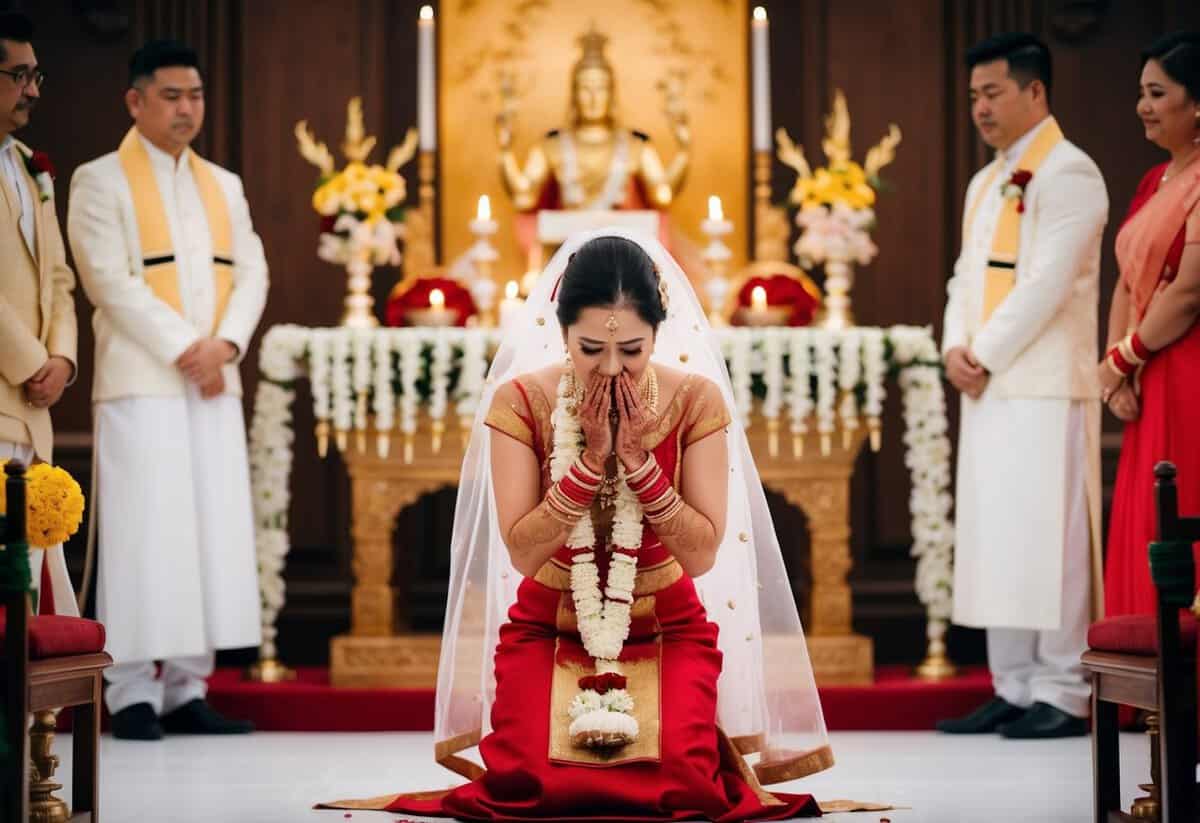
The tradition of crying before a wedding carries multiple layers of meaning and serves as a poignant part of the wedding ceremony. It is a way to express deep emotions while also connecting the bride to her community and family.
Interpreting the Layers of the Crying Tradition
Crying before a wedding, especially in cultures like those of the Tujia people in China, symbolizes a bride’s sincere emotions. This ritual often reflects her reluctance to leave her childhood home and her family ties.
You may notice the bride expressing her feelings through unique forms of crying songs or chants, known as “Crying Marriage Songs.” This ceremonial act may also include gestures like the bride sitting in a zuo tang (a traditional bridal chair), where she might express her emotions more freely. Each tear shed can represent love, loyalty, and a bittersweet farewell, making the wedding atmosphere quite rich and emotional.
Social and Communal Aspects
The crying ritual involves not just the bride but also her family and neighbors. Friends and family often join in, creating a shared experience that reinforces community bonds. When you participate in this custom, you witness how deeply connected everyone is to the wedding ceremony.
This ritual can enhance the wedding atmosphere, transforming it into a communal event filled with shared emotions. As the bride cries, it encourages others to express their feelings too, solidifying support for her transition into married life. This lively participation can make the ceremony memorable for everyone involved.