
What is the Traditional Wedding Script UK? A Guide to Ceremony Customs and Rituals
When you plan your wedding day, you’ll find it helpful to understand the traditional wedding script in the UK. The traditional wedding script includes key elements like love, marriage vows, and the significance of joining two people together in a commitment. This script typically features sections that welcome guests, describe the importance of marriage, and include the exchange of vows and rings.
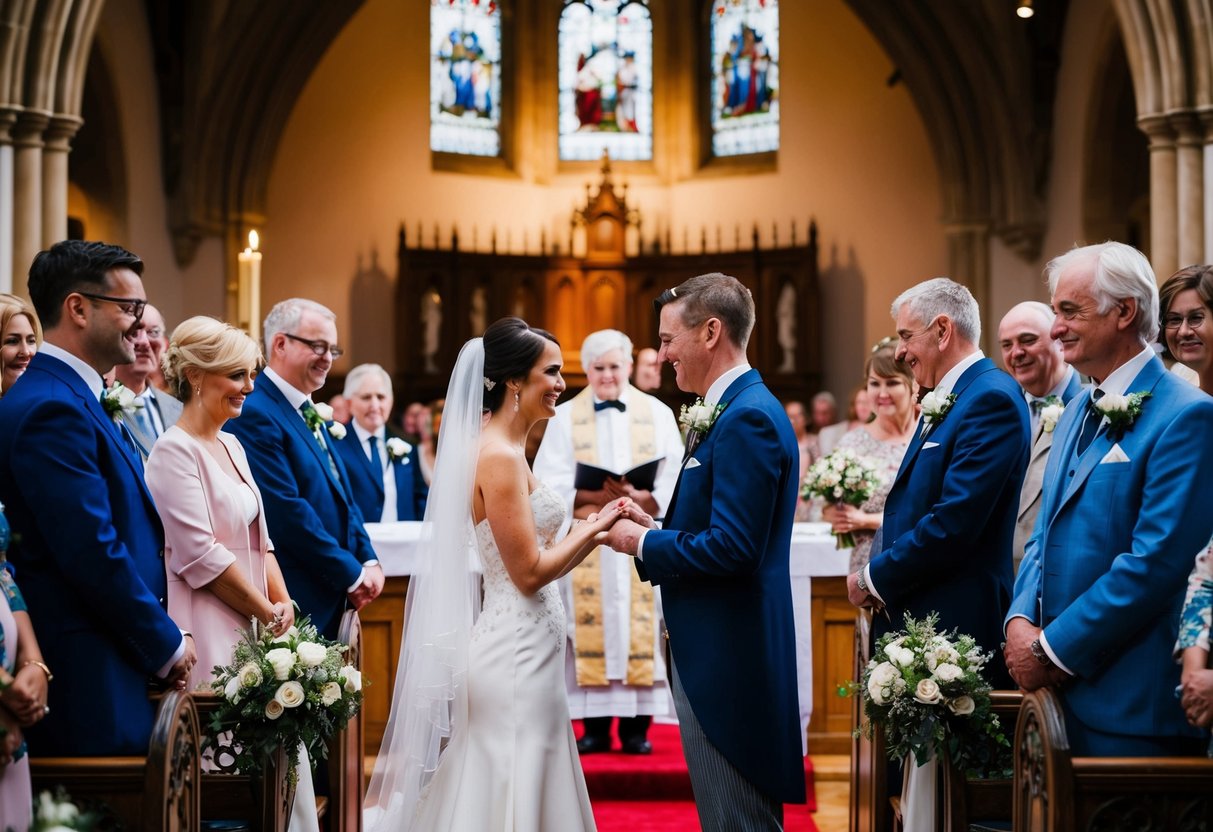
Incorporating these elements into your ceremony can create a heartfelt atmosphere that resonates with both you and your guests. By knowing what to expect in a traditional script, you can better prepare for this meaningful moment and make your wedding day truly special. The shared vows not only symbolize your love but also serve as a lasting promise to each other as you embark on your journey together.
The Structure of a Traditional UK Wedding Ceremony
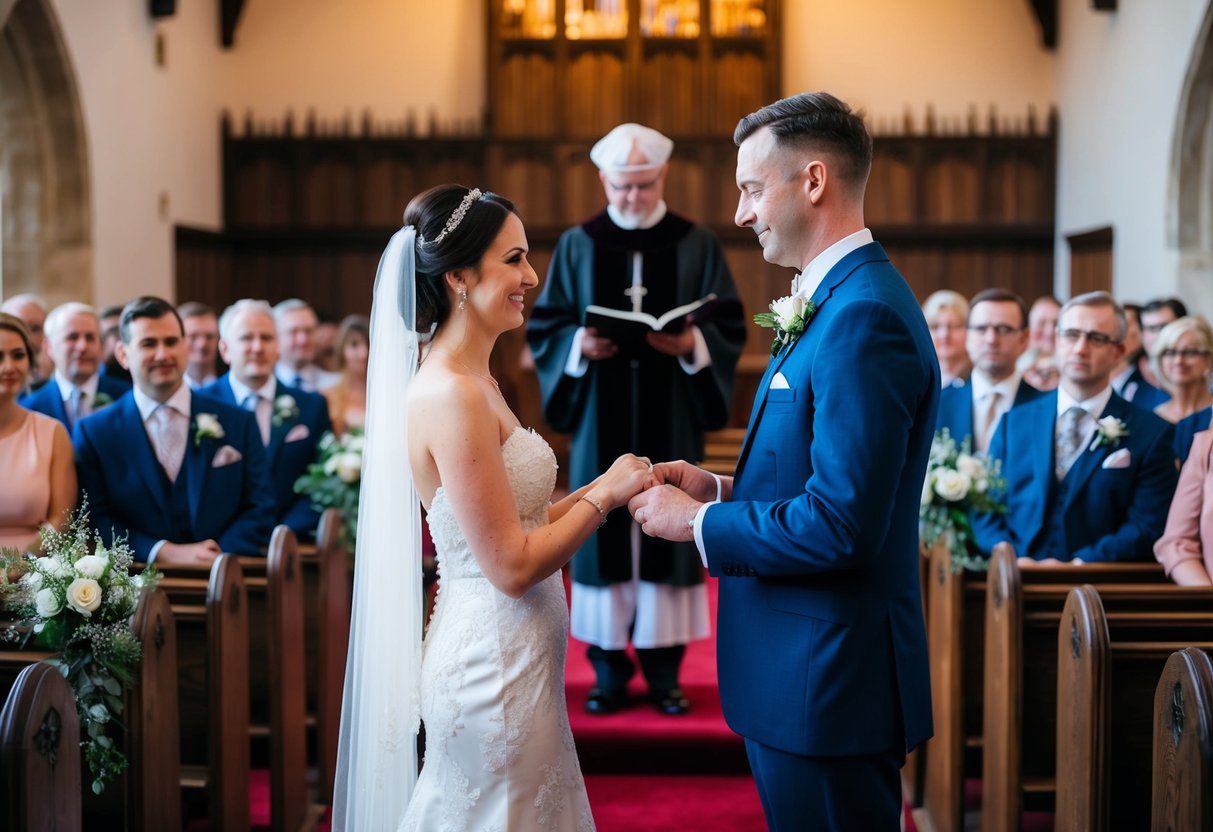
A traditional UK wedding ceremony has a clear structure that helps guide the event. Each part plays a significant role in celebrating the couple’s love and commitment. You will find familiar elements throughout, focusing on welcome words, meaningful readings, and vows exchanged.
Opening Remarks and Welcome
The ceremony begins with opening remarks. This is a warm welcome from the officiant, who sets the tone for the event. The officiant often introduces the purpose of the gathering, emphasizing the love and commitment you and your partner share.
This part may include a brief story or personal touch about your journey together. It can create an inviting atmosphere where guests feel a connection to you both. The officiant will also remind everyone to turn off their phones and enjoy the moment fully.
Hymns and Readings
Next, hymns and readings add depth to the ceremony. You may choose a hymn that has special meaning for both of you, encouraging guests to participate in singing. This creates a joyful and inclusive environment.
After the hymns, readings often take center stage. These can be from religious texts, poetry, or quotes that resonate with your relationship. Select pieces that reflect your values and feelings. Often, family or friends may be asked to read, adding a personal touch to the ceremony.
Marriage Vows and Declarations
At the heart of the ceremony are the marriage vows and declarations. This is where you promise to love and support each other for a lifetime. The officiant will guide you through this part, ensuring you both speak clearly and sincerely.
You can choose traditional vows or create your own. Personal vows often express your unique feelings and hopes for the future. After the vows, you will make declarations, which affirm that you are intent on marrying each other. This is a powerful moment that highlights the commitment you are making in front of your loved ones.
Key Elements of the Wedding Service

In a traditional wedding service in the UK, specific elements play a major role in making the ceremony meaningful. Understanding these components can help you feel more prepared for your special day.
The Role of Common Worship and Book of Common Prayer
The Common Worship and the Book of Common Prayer are central to many traditional wedding services. These texts provide a structure that guides you and your officiant through the ceremony.
Common Worship is known for its modern language options, while the Book of Common Prayer uses traditional, poetic language. You can choose based on what feels right for you.
Both texts ensure that the marriage service includes essential aspects, such as prayers, readings, and the couple’s vows.
The Exchange of Wedding Vows
The exchange of wedding vows is one of the most important moments in your ceremony. This is when you express your love and commitment to each other.
Typically, you will be asked to repeat phrases after your officiant. You can also personalize your vows to make them unique.
In traditional services, vows often include promises to love, cherish, and support one another. This part of the ceremony is filled with emotion and significance, making it a memorable highlight.
Blessings and Pronouncements
After you exchange vows, the officiant performs blessings and pronouncements. This marks the official union of you and your partner.
During this part of the service, you will typically hear a blessing that asks for divine favor on your marriage.
The officiant will then pronounce you married, allowing you to share your first kiss as a married couple. This moment often brings joy and celebration, as family and friends witness the start of your new life together.
Planning the Ceremony
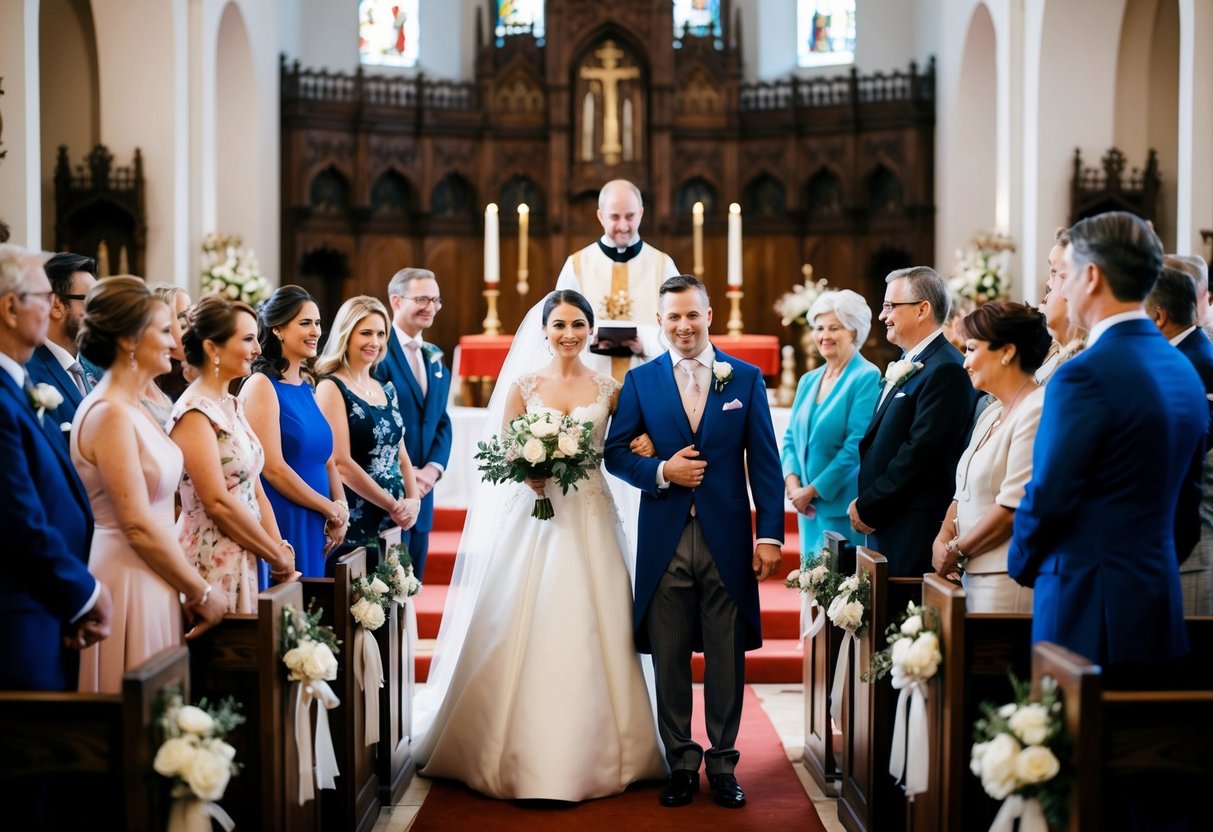
Planning your wedding ceremony is a special task that sets the tone for your big day. It can reflect your love and commitment as a couple. With a few key elements in mind, you can create a meaningful experience.
Choosing the Right Ceremony Script and Planner
Selecting the right ceremony script is crucial. You want it to resonate with your love story and commitment. There are many styles available, from traditional to modern. Many couples prefer a more personalized approach, while others stay true to classic elements.
Consider hiring a ceremony planner who understands your vision. They can help you choose or create a script that captures your intentions. This professional guidance can ensure every detail aligns with what you want for your special day.
Personalizing Your Wedding Ceremony
Personalization makes your ceremony unique. You can include readings, vows, or rituals that reflect your journey together.
Think about elements like songs or poems that are significant to you both.
Incorporating family traditions can add a heartfelt touch. You might want to include unity ceremonies, like lighting candles or mixing sand.
These symbolize your lifelong commitment and the joining of two families.
Remember, each decision reflects your love. Focus on what feels right for you, making your day truly memorable.