
What is Too White to Wear to a Wedding? A Guide to Appropriate Attire
When you’re attending a wedding, choosing the right outfit is important, and a common question arises: what is considered too much white? Wearing white to a wedding can be tricky. Traditionally, this color is reserved for the bride, and the general rule is that guests should avoid it.
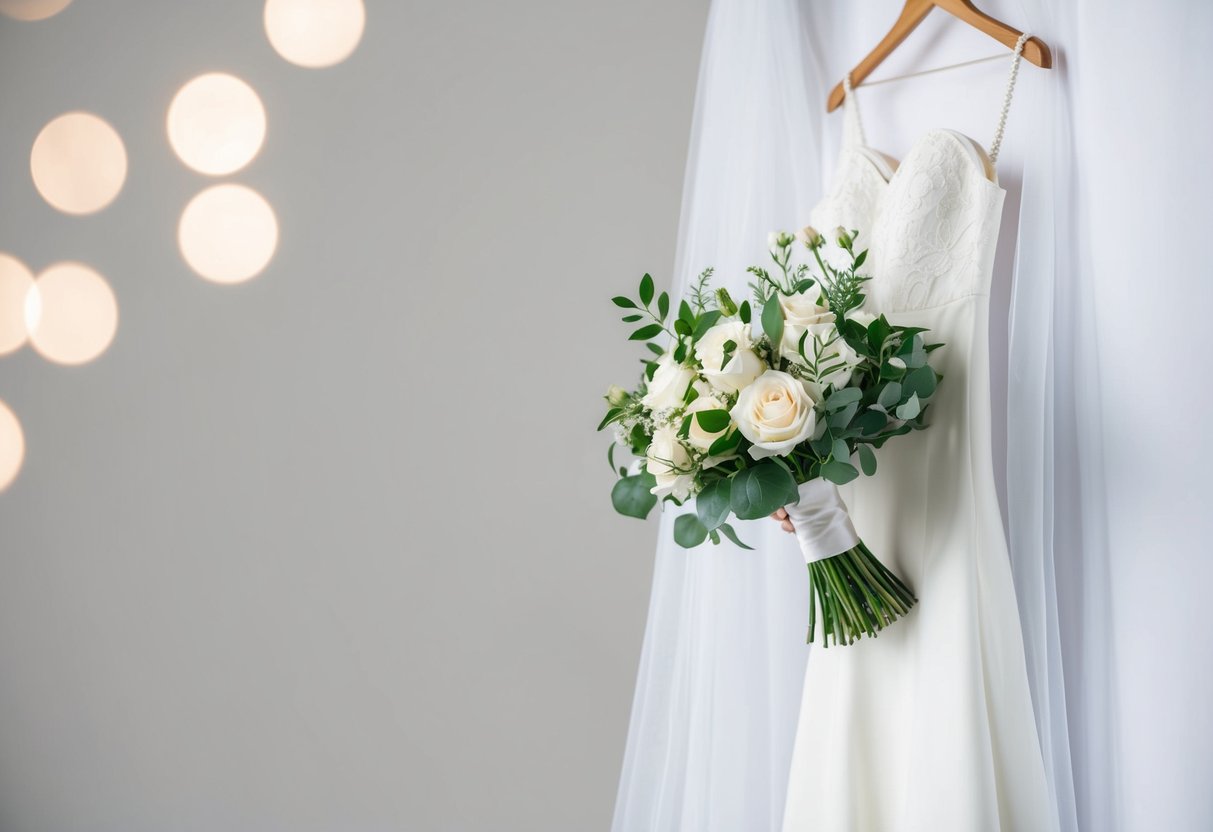
So, can you wear white to a wedding? While the etiquette may vary depending on the couple’s preferences, it’s usually best to steer clear of any outfit that is predominantly white. Small white accents can be acceptable, but if you find yourself wondering if your outfit looks too much like a wedding dress, it likely does.
Understanding what to avoid can help you look great while respecting the special day. Consider other colors that fit the occasion, and remember that your goal is to celebrate the couple, not steal the spotlight with your outfit.
Understanding Wedding Etiquette
When you’re invited to a wedding, knowing what to wear is essential. This section covers the significance of white at weddings, accepted guest attire, and how regional and cultural factors can influence your choices.
The Significance of White at Weddings
White has traditionally symbolized purity and innocence. In Western cultures, it is often reserved for the bride, making it a special color for her. Wearing white as a guest can cause confusion and even offend the couple, as it can be seen as an attempt to overshadow the bride.
Though some couples are more relaxed about this rule today, it remains important to think about the bride’s feelings. If you’re unsure, asking the couple or someone close to them can provide clarity. Being respectful of this tradition helps maintain the special atmosphere of the day.
Accepted Wedding Guest Attire
Wedding guest attire typically varies based on the dress code set by the couple. Common dress codes include formal, semi-formal, and casual. Each comes with its own set of rules on what is acceptable and what might be considered a fashion faux pas.
For a formal wedding, men might wear a suit and tie, while women can choose an elegant dress. If the event is more casual, lighter fabrics and colors may be appropriate.
It’s always best to check the invitation for hints about attire. Respecting the dress code shows consideration for the couple’s wishes and the event’s overall vibe.
Regional and Cultural Considerations
Different cultures and regions have unique meanings associated with colors and styles. In some cultures, wearing white is not taboo, while in others, certain colors may be reserved for specific guests or rituals.
For example, in some Asian cultures, red is a color of celebration, while black may be seen as inappropriate for weddings. Understanding these regional norms helps you avoid unintentional blunders.
When attending a wedding, consider the couple’s background and consult with friends or family who may know the traditions. This can ensure that your attire aligns with cultural expectations.
Selecting Appropriate Colors and Patterns
When choosing what to wear to a wedding, it’s important to pick colors and patterns that complement the occasion while avoiding anything too white. You’ll want options that allow you to look lovely without drawing attention away from the bride.
Alternatives to White
If you’re considering colors that are close to white, such as ivory, cream, or champagne, think twice. While these shades can be beautiful, they can easily be mistaken for bridal attire.
Opt for soft pastels or rich jewel tones instead. Shades like blush, lavender, or mint green are great choices. They bring a fresh look without stepping on any toes.
Make sure you stay away from anything that resembles the bride’s dress. This means avoiding ivory and cream, as well as any designs that might be primarily white.
Navigating Prints and Backgrounds
When it comes to patterns, floral designs can be a lovely choice for weddings. White floral prints on colorful backgrounds add a vibrant touch. Just ensure these prints are not too minimal, as small white flowers on a white background might be seen as too bridal.
Larger floral dresses can work well, particularly when the main color is not white or cream. Bright backgrounds with bold designs can really make you stand out in a delightful way.
Patterns like stripes or polka dots are also acceptable as long as they don’t lean too heavily on white. A dress with a predominately bright color and just a touch of white can be perfect.
Accessorizing Your Outfit
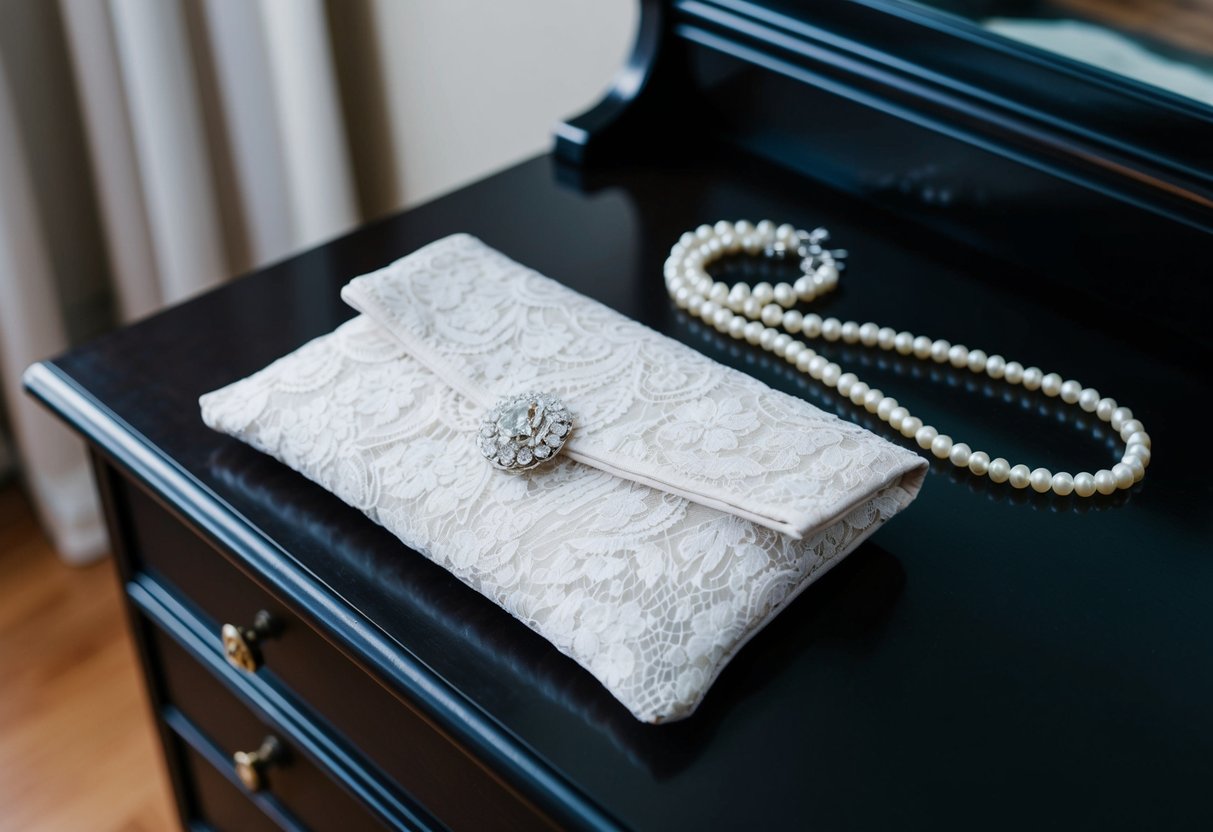
Accessorizing your outfit for a wedding is an important step. The right shoes and jewelry can enhance your look without taking attention away from the bride.
Complementary Wedding Shoes
Choosing the right wedding shoes is essential to complete your guest look. Opt for shoes that are comfortable enough to wear throughout the event.
Classic colors like nude, gold, or deep hues work well with a variety of dresses. Avoid white shoes, especially if the bride is wearing white.
Instead, consider shoes with elegant embellishments like small jewels or lace details. Block heels or stylish flats can be great choices, especially if the wedding is outdoors.
Make sure your shoes match the formality of your outfit. Pairing a casual dress with formal shoes can clash. Always think about the venue and the dress code when selecting your footwear.
Jewelry and Accent Pieces
When it comes to jewelry, aim for pieces that enhance your wedding guest outfit without overpowering it.
Subtle earrings or a delicate necklace can add just the right amount of shine.
Choose jewelry that complements your dress color. For example, gold tones often pair beautifully with warmer colors, while silver looks great with cooler shades. Avoid large, flashy pieces that might distract from the bride.
Also, consider adding an accent piece like a clutch or scarf. These can be in subtle tones or light patterns that add interest without being too bold. The goal is to create a cohesive look that feels polished and respectful for the occasion.
Special Considerations for Guests
When attending a wedding, it’s important to pay attention to the details. Your outfit should respect the couple’s wishes and the event’s theme. Two key factors to consider are the dress code indicated on invitations and any specific attire for the bridal party and close family.
Dress Codes Indicated on Invitations
Wedding invitations often include dress codes that guide guests on appropriate attire. Here are some common ones:
- Formal: Think long gowns for women and tuxedos for men.
- Cocktail: A shorter dress or nice suit is usually suitable.
- Casual: More relaxed choices, like sundresses or dress pants and a nice shirt.
If the invitation specifies “white” or “colorful,” aim to follow that direction. Wearing white is generally advised against unless the couple specifies otherwise. In some cases, you might see an invitation that allows or even encourages white attire, especially if the bride is wearing another color. Always think about what the couple might prefer to avoid any fashion faux pas.
Role-Specific Attire for Bridal Party and Close Family
If you are part of the bridal party or a close family member, your attire often differs from general guests. Here are some key points to keep in mind:
-
Bridal Party: Members usually wear coordinated outfits chosen by the couple. Ask the bride or planner for guidance if you’re unsure about wearing white.
-
Close Family: Parents or siblings may have special attire requests to avoid overshadowing the couple. Make sure to confirm if there are any specific colors or styles to avoid.
Understanding these nuances can help you choose your wedding attire wisely. If you’re uncertain about any clothing choices, always check in with the couple.