
What Is Traditional for a Bride to Wear? A Guide to Timeless Wedding Attire
When it comes to weddings, the attire of the bride is a centerpiece of the celebration. Different cultures around the world have their own unique traditions that shape what a bride wears on her special day.
Traditional bridal attire often reflects cultural heritage and can include stunning gowns, colorful lehengas, or elegant sarees.
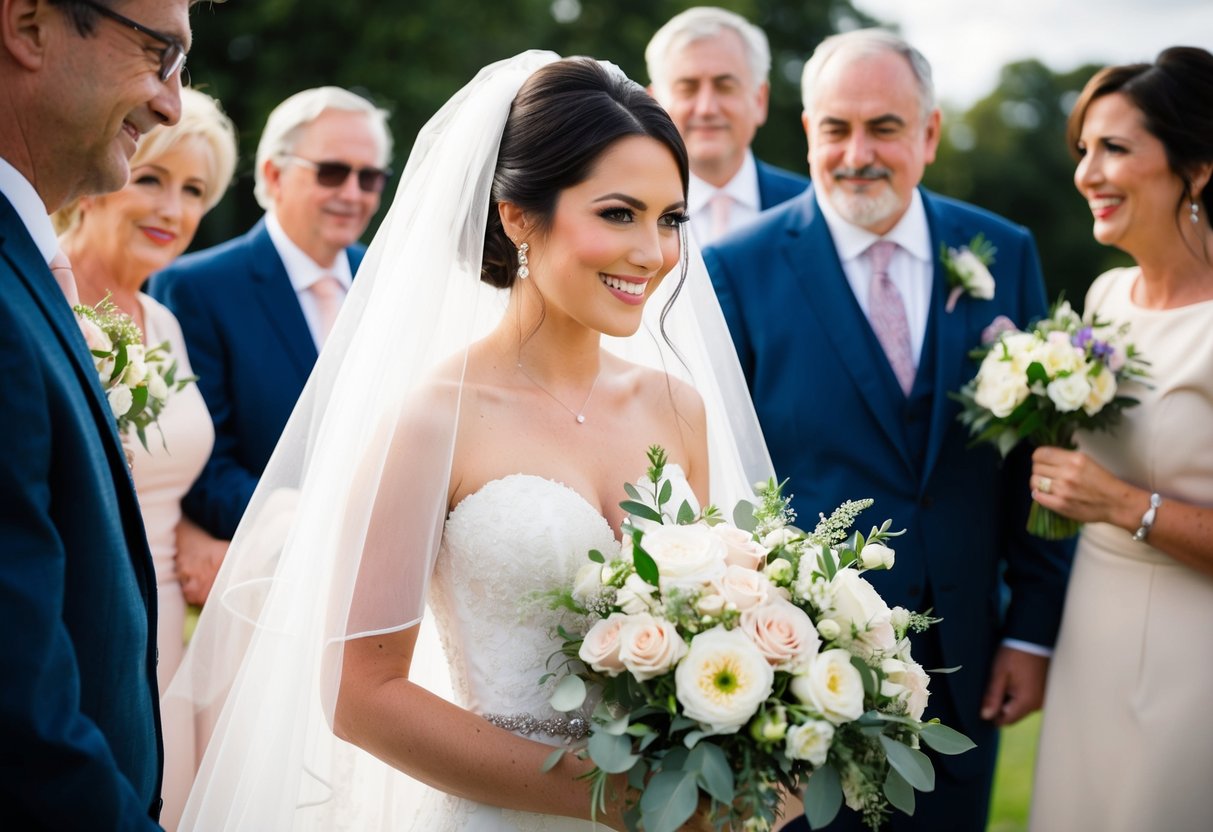
Choosing your wedding attire can be a joyful yet daunting experience. You might want to consider how different styles represent your personal taste and background.
From the iconic white dresses seen in Western weddings to the vibrant ensembles common in Indian ceremonies, each choice is steeped in tradition and meaning.
As you explore the options, think about what resonates with you. Whether you are drawn to classic, modern, or culturally rich outfits, understanding the significance behind each type of bridal attire can help you select the perfect dress that makes your wedding day unforgettable.
Cultural Wedding Attire
Cultural wedding attire showcases the rich traditions and unique customs of different communities. Each outfit carries deep meanings and reflects the values of the culture it belongs to.
Let’s explore some prominent examples of bridal wear from various cultures.
Indian Bridal Wear
In Indian weddings, brides often wear a lehenga, saree, or gharara. These outfits are usually vibrant, featuring intricate embellishments and zari work that add elegance. The bridal lehenga is a popular choice, consisting of a long skirt, a blouse (choli), and a dupatta. Each region has its own style, like the traditional lehenga choli from Rajasthan or the graceful sarees from Kerala.
Indian wedding attire is not just about the look; it holds cultural significance related to rituals. For example, red is a favored color symbolizing prosperity and fertility. Indian weddings also involve rituals where the bride’s attire plays an important role, creating a visual tapestry of tradition and celebration.
Traditional Dresses Across Cultures
Many cultures have their own distinct bridal wear that reflects their values and customs. For instance, in Japanese weddings, brides may wear a kimono, which signifies purity and simplicity. The Japanese wedding attire typically includes elaborate weaving patterns and is often adorned with beautiful decorations.
In China, the qipao is popular for brides, representing elegance and grace. This fitted dress often comes in bright red, symbolizing good luck. In Scotland, grooms often wear kilts, while brides may opt for a gown with regional tartan patterns, connecting to their heritage.
Each cultural attire not only enhances the beauty of the bride but also integrates meaningful practices into the wedding ceremony.
The Western Wedding Gown
The Western wedding gown is a unique blend of tradition and personal style. Over time, it has evolved to include various designs and embellishments, making it a special choice for brides. This gown can reflect not only the bride’s personality but also the culture of the ceremony.
Evolution of the Gown
The traditional Western wedding gown has changed significantly over the years. Historically, brides often wore long, flowing white dresses that symbolized purity. These gowns typically featured corsets and intricate lace details.
Today, you can choose from various styles, including ball gowns, A-line silhouettes, and even short dresses. Many brides incorporate earthy tones or rustic fabrics to connect with the Western theme.
Designs may also include denim, a nod to cowboy culture, paired with classic elements. No matter what style you choose, the Western wedding gown offers versatility while still honoring tradition.
Accessorizing the Gown
Accessorizing your Western wedding gown can elevate your overall look. Traditional jewelry like gold jewelry and elegant earrings complement the gown beautifully. Consider wearing pieces that match the embellishments on your dress.
Footwear is also important. Classic lace-up boots or stylish heels can enhance your style while staying comfortable.
Don’t forget about adding a veil or a cowgirl hat to bring in that Western flair. Each accessory will reflect your personality and contribute to the festive atmosphere of your wedding day. Be mindful of how each piece ties into the theme of the ceremony to create a cohesive look.
Religious and Ritual Significance
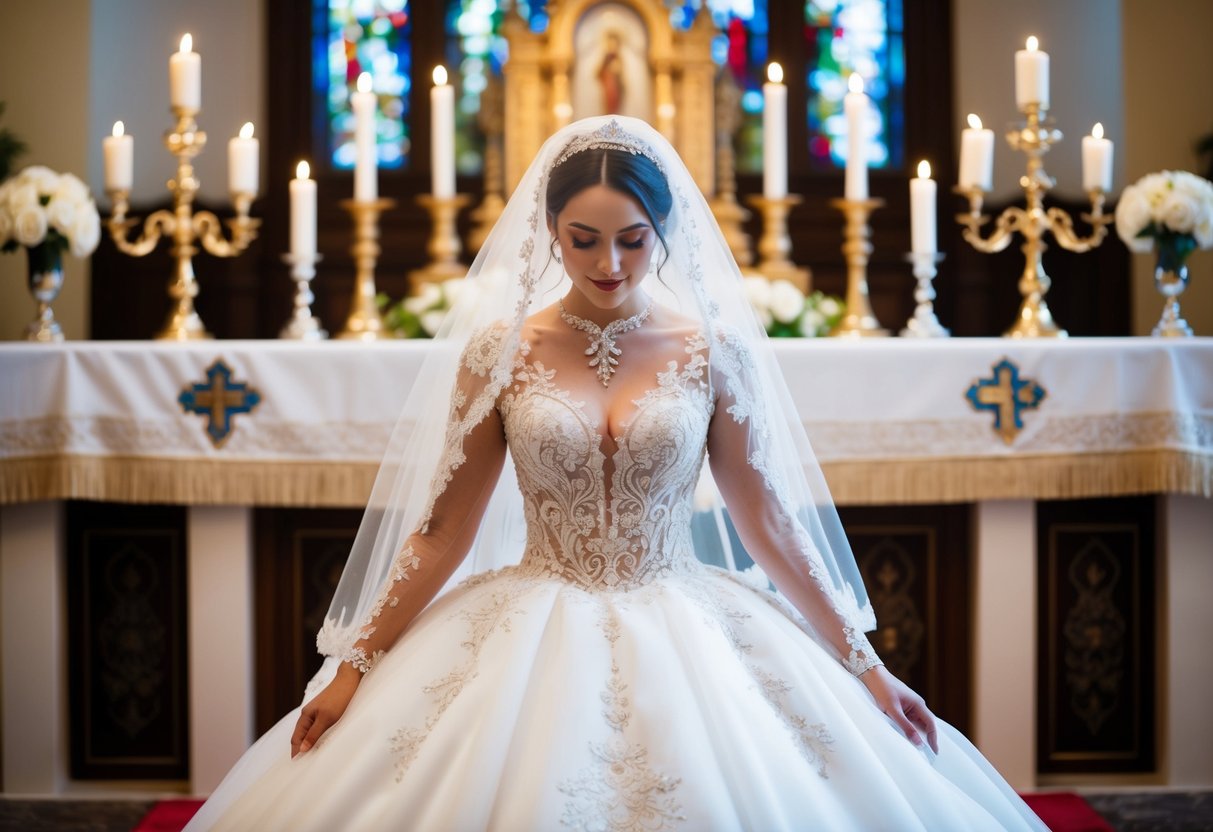
When it comes to what a bride wears, religious meanings and rituals play a huge role. Different cultures have their unique customs, colors, and attire that make wedding ceremonies special.
Color and Symbolism
The colors chosen for a bride’s attire often hold deep significance. In many cultures, red symbolizes love, joy, and prosperity. It’s common to see brides in red sarees or lehengas, often paired with a choli and a dupatta.
In contrast, some Western brides prefer white, symbolizing purity and new beginnings. This color choice represents the sacredness of marriage.
Additionally, colors like gold and green may also appear. Each color carries meanings that resonate with individual beliefs and cultural customs, adding a layer of symbolism to the wedding attire.
Ritual-Specific Attires
Different wedding rituals often call for specific garments.
For instance, during the haldi ceremony, brides might wear simpler attire as turmeric is applied to their skin. This practice purifies and beautifies the bride before the main event.
During the sangeet, a festive celebration, vibrant attire becomes the highlight. This can include elaborate kurta or embroidered outfits that allow for movement while dancing.
In some cultures, the sherwani is a traditional outfit for grooms, representing their role in the ceremony.
Each piece of clothing serves a purpose, marking the significance of each ritual while celebrating the couple’s union.