
What is Traditional Wedding Etiquette? A Guide to Timeless Customs and Modern Practices
When planning your wedding, understanding traditional wedding etiquette can make your day smoother and more enjoyable for everyone involved. Traditional wedding etiquette includes guidelines about invitations, guest behavior, and the roles of the wedding party. Knowing these customs helps you honor the occasion while reflecting your personal style.
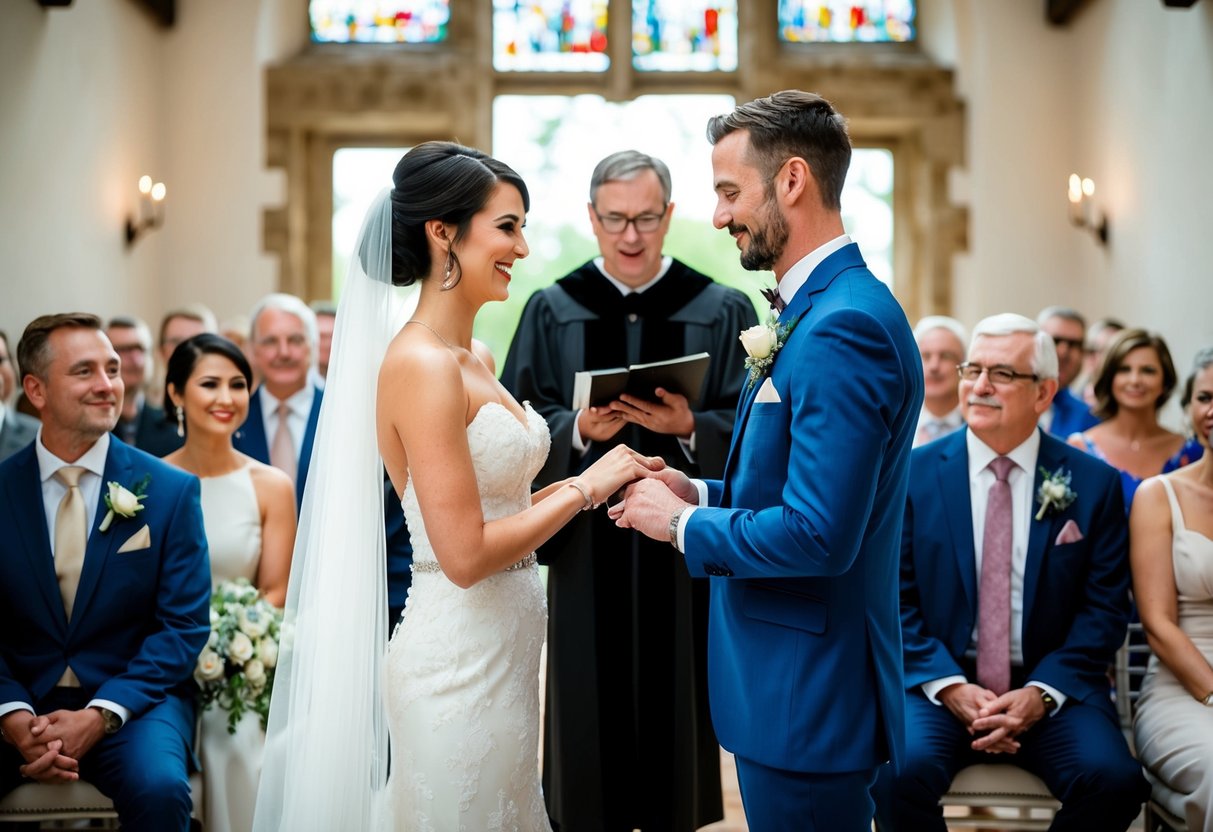
On your special day, you’ll want to create an atmosphere of joy and celebration. Paying attention to etiquette not only helps in organizing the event but also ensures that your guests feel comfortable and valued. From how to address invitations to the timing of speeches, these traditions play an essential role in creating lasting memories.
If you’re ready to dive deeper into the world of wedding etiquette, exploring these practices will help you confidently navigate your wedding day. You can incorporate meaningful traditions while still making the celebration uniquely yours.
Before the Wedding
Planning your wedding is an exciting time filled with many important details. You need to think about how to announce your engagement, manage your guest list, and send out invitations. Each step requires attention to etiquette to keep things smooth and enjoyable.
Engagement and Announcements
Once you get engaged, it’s time to share your exciting news! Many couples choose to announce their engagement through social media or personal calls. This is where common courtesy plays a big role; consider informing close family and friends before posting online.
You might also want to host an engagement party. This is a great way for families and friends to meet and celebrate. An etiquette expert recommends keeping your guest list small and intimate for this event.
Planning and Invitations
When you start planning, staying organized is key. Create a detailed list of what you need to do. Identifying a wedding planner can ease this process, as they know the ins and outs of wedding etiquette.
When your planning is moving along, it’s time to send out invitations. Aim to send them at least 8 weeks before your wedding date. Be clear about who is invited. If you’re allowing plus ones, let guests know in advance. This can help avoid awkward situations later.
Make sure to include an RSVP request so you can manage your guest count effectively.
Guest Considerations
Your guest list is one of the most crucial parts of your wedding planning. Think carefully about who you want to invite. Including close family and friends is a must, but don’t forget about those who have supported you.
Consider any special requests from your guests. For example, if your friends are bringing their children, be clear about your guest policy. Communicate openly to ensure everyone understands the seating arrangements and any guidelines.
Being mindful of your guests’ feelings and preferences is a wonderful way to show respect and care as you prepare for your big day.
Wedding Ceremony Etiquette
Understanding your role during the wedding ceremony is important for everyone involved. From the wedding party to other guests, everyone has responsibilities that help make the day special and smooth.
Roles and Responsibilities
Each member of the wedding party has a unique role to play. The bride and groom are, of course, the stars of the day. They exchange vows that reflect their love and commitment. The maid of honor supports the bride, helping with details like the dress and flowers.
The best man has the important job of looking after the groom, holding the rings, and delivering a speech during the reception. Bridesmaids provide support and help keep everything organized. Lastly, the father of the bride plays a key role during the ceremony, often walking the bride down the aisle and giving her away, symbolizing his blessing.
During the Ceremony
During the ceremony, guests should arrive on time and quiet any distractions, like cell phones. As the couple exchanges their vows, it’s important to be respectful and attentive.
If you’re part of the wedding party, stand where you’re supposed to and pay attention to the couple. When the vows are being spoken, this moment is sacred, and everyone should focus on the couple’s words. Participating in traditional moments, like clapping after the ceremony, is also expected. Following these traditions helps honor the couple and creates a warm, supportive atmosphere.
Reception and Celebrations
Attending a wedding reception is a joyful experience filled with traditions that bring family and friends together. Here, you will learn about the key customs that make receptions special, including the fun dances and dining practices that you will likely encounter.
Wedding Reception Traditions
Wedding receptions are rich with traditions. One common custom is the bouquet toss, where the bride tosses her bouquet to single women. It symbolizes good fortune in finding love.
Another important moment is the first dance. Newlyweds often choose a meaningful song that reflects their relationship. This dance marks the transition into married life.
Seating arrangements also play a significant role. It’s traditional to seat close family near the couple. This helps create a warm atmosphere that encourages mingling and celebration.
Dining and Dancing
The dining experience at a reception is just as important as the dance floor. Meals can range from a formal sit-down dinner to a casual buffet. Whatever the choice, ensure that options cater to various dietary needs to keep guests happy.
After dinner, dancing often takes center stage. The couple usually invites guests to join in after their first dance. It’s a chance for everyone to relax and celebrate together.
Make sure to keep an eye on your table manners, as wedding guest etiquette encourages politeness and respect for the hosts. Remember, you want to contribute to the joyful atmosphere!
Post-Wedding Etiquette
After the wedding, there are some important etiquette steps to follow.
First, you should send thank-you notes to everyone who gave you a gift. This includes those who attended your wedding and those who sent gifts but couldn’t make it. Sending thank-you notes shows appreciation for their thoughtfulness.
Aim to send these notes within three months of your wedding. A simple, heartfelt message will do. You might say something like, “Thank you for the beautiful vase. It will be a lovely addition to our home.”
When it comes to cash gifts, treat them like any other wedding gift. Send a thank-you note just the same. Mention how you plan to use the cash, like saving for a house or an upcoming trip.
Don’t forget about your wedding vendors. If they did a great job, consider sending a thank you card or leaving a nice review. This helps them in their future business.
If you created a wedding registry, make sure to keep track of gifts. Refer back to your list when writing thank-you notes. It’s easy to forget who gave what, especially if your gifts come in after the wedding.