
What Makes a Marriage Illegal in the UK? Understanding the Key Laws and Consequences
Marriage is a significant and joyous commitment for many. However, not all marriages are legally valid in the United Kingdom. Key reasons that can make a marriage illegal include lack of proper consent, not meeting the minimum age requirements, or failing to follow the legal procedures established by UK law.
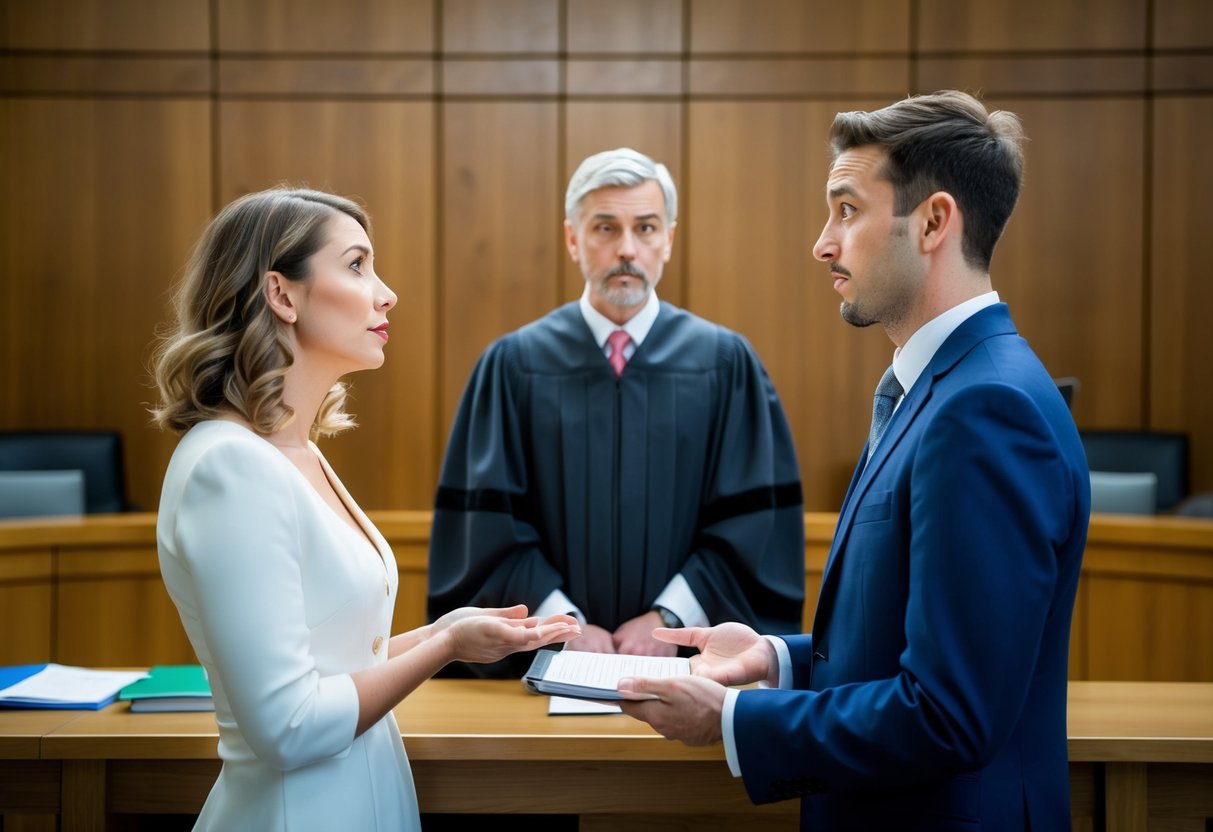
Understanding what makes a marriage illegal is important for anyone considering tying the knot. You’ll want to be aware of the legal requirements to ensure that your union is recognized and protected. Issues such as forced marriages or entering into a union while already married can have serious consequences, so knowing the laws can help you avoid potential pitfalls.
As you read further, you will discover the specific legal requirements needed for a marriage to be valid in the UK, including age limits, consent, and the necessary ceremonies. This knowledge will empower you to approach your own or others’ marriages with confidence and awareness.
Legal Requirements for Marriage in the UK
When considering marriage in the UK, it’s important to understand the legal requirements that ensure your union is valid. This includes knowing the minimum age, understanding the differences between civil and religious ceremonies, and following the necessary procedures for notice and registration.
Minimum Age and Consent
In the UK, the minimum age to marry is 16. However, if you are under 18, you need parental consent for the marriage to be valid. This rule applies across England, Wales, and Northern Ireland. In Scotland, the age is also 16, but you do not need parental consent if you are 16 or older.
If you do not have proper consent, the marriage may be declared illegal. Always check the specific requirements for your location to ensure everything is in order. Remember, you should feel ready and willing to marry, as consent must be freely given and not forced in any way.
Civil vs. Religious Marriages
In the UK, you can choose between a civil or religious marriage. A civil marriage is typically held in a register office or an approved venue. This option is non-religious and allows for a straightforward ceremony.
On the other hand, a religious marriage is conducted in places of worship, such as a church, mosque, or another religious venue. For example, if you’re marrying under the Church of England, specific regulations apply. Different faiths, like Quakers or Islam, also have their own guidelines for ceremonies.
Regardless of the type of marriage, both must be legally recognized in England and Wales under the Marriage Act 1949.
Notice of Marriage and Registration
To get married, you must give notice at your local register office. This is a way of informing authorities of your intent to marry. You need to provide personal details, including your name, age, and residency.
You must give notice at least 28 days before the wedding date. After that, the registrar will issue a certificate, which you must present on your wedding day. It’s important to ensure that your notice is registered in the correct area, especially if you are from different regions like Scotland or Northern Ireland, as the rules can vary.
Types of Relationships and Marriages
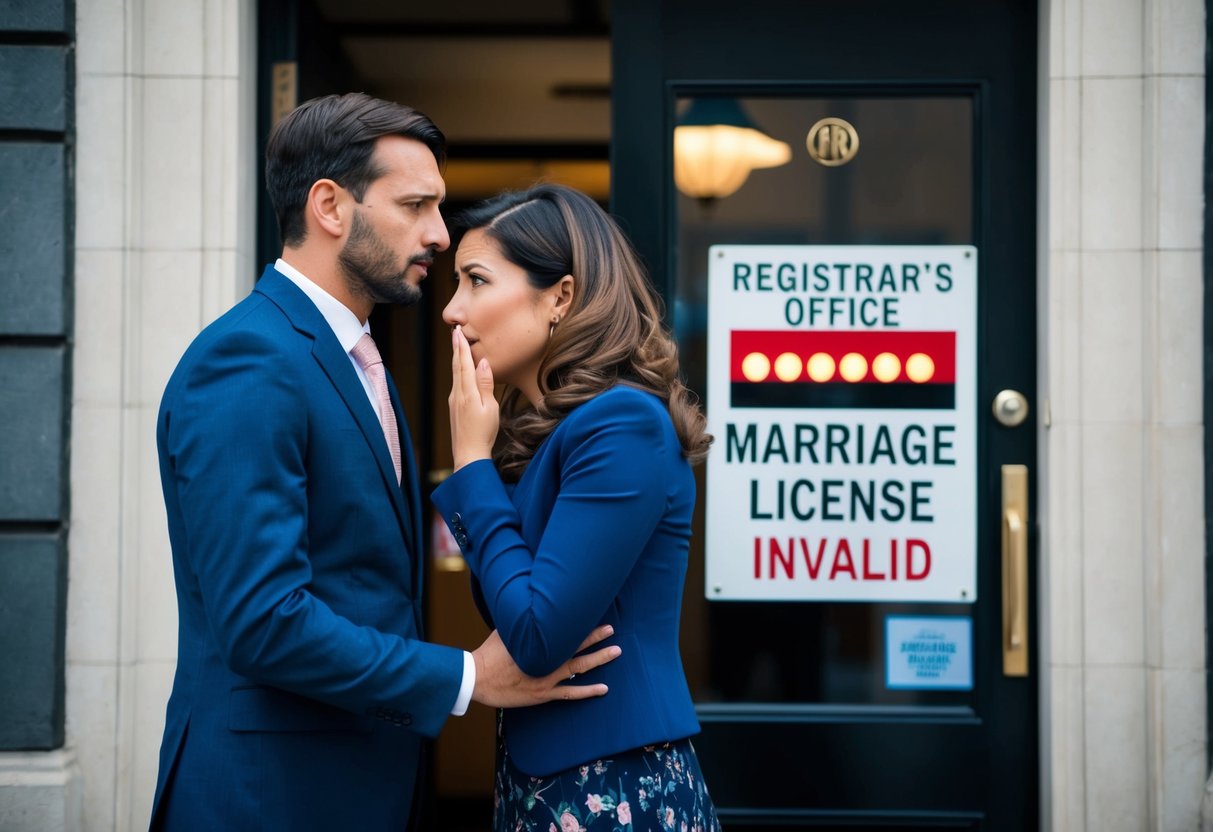
In the UK, there are various types of relationships and marriages that are recognized under law. Understanding the distinctions helps in navigating marriage laws effectively.
Civil Partnership and Same-Sex Marriage
In England and Wales, same-sex couples can choose between civil partnerships and marriage. Civil partnerships were first introduced in 2005, allowing same-sex couples to gain legal recognition for their relationship.
With the passing of the Marriage (Same Sex Couples) Act in 2013, same-sex marriage became legal. This Act allows same-sex couples to enjoy the same rights as heterosexual couples in marriage. Both options provide legal protections related to property, inheritance, and parental rights.
Choosing between a civil partnership and marriage depends on personal preference and beliefs. Some may prefer the traditional framework of marriage, while others may find civil partnerships more suitable for their lifestyle.
Interfaith and Non-Religious Ceremonies
Interfaith marriages occur when partners from different religions or beliefs come together. These unions can face additional considerations regarding cultural practices and family expectations. Many couples choose to include elements from both faiths to honor their backgrounds during the ceremony.
Non-religious ceremonies are also common and can be tailored to reflect the couple’s beliefs or personal style. Many find that these ceremonies, conducted by registrars or celebrants, offer flexibility. Such options allow couples to create a unique experience that represents their love without the constraints of religious doctrine.
Prohibitions and Legal Impediments to Marriage
Several rules prevent certain individuals from entering into a marriage. Understanding these prohibitions is essential for ensuring that your marriage is legally valid and free from issues. Here are some critical points regarding prohibited relationships and the problem of forced and child marriages.
Prohibited Relationships and Bigamy
In the UK, some relationships are illegal, which makes any marriage that occurs within them void. You cannot marry your close relatives, such as parents, siblings, or children. Engaging in incestuous relationships is against the law.
Also, bigamy is a criminal offence. This means you cannot marry someone while already being married to another person. If you do, that second marriage is automatically void. It’s important to ensure that you are legally free to marry before entering into a new relationship.
Forced and Child Marriages
Forced marriages happen when one or both parties do not consent. This can happen through coercion or threats. Under the Matrimonial Causes Act 1973, the law allows you to annul your marriage in these cases. The Forced Marriage Unit assists victims in these situations, offering help and guidance.
Child marriage also poses a significant legal issue. In the UK, the minimum legal age for marriage is 16, but those under 18 need parental consent. Marriages involving minors can lead to problems for the individuals involved, especially regarding rights and protections.