
What Month Has the Highest Marriage Rate? Discovering the Peak Wedding Season
If you’re curious about the best times to tie the knot, you’re not alone. Many people often wonder which month sees the most wedding ceremonies. June stands out as the month with the highest marriage rate, making it a favorite for couples looking to say “I do.” This month is not only popular because of the warm weather and beautiful blooms but also due to various traditions that make it a special time for weddings.
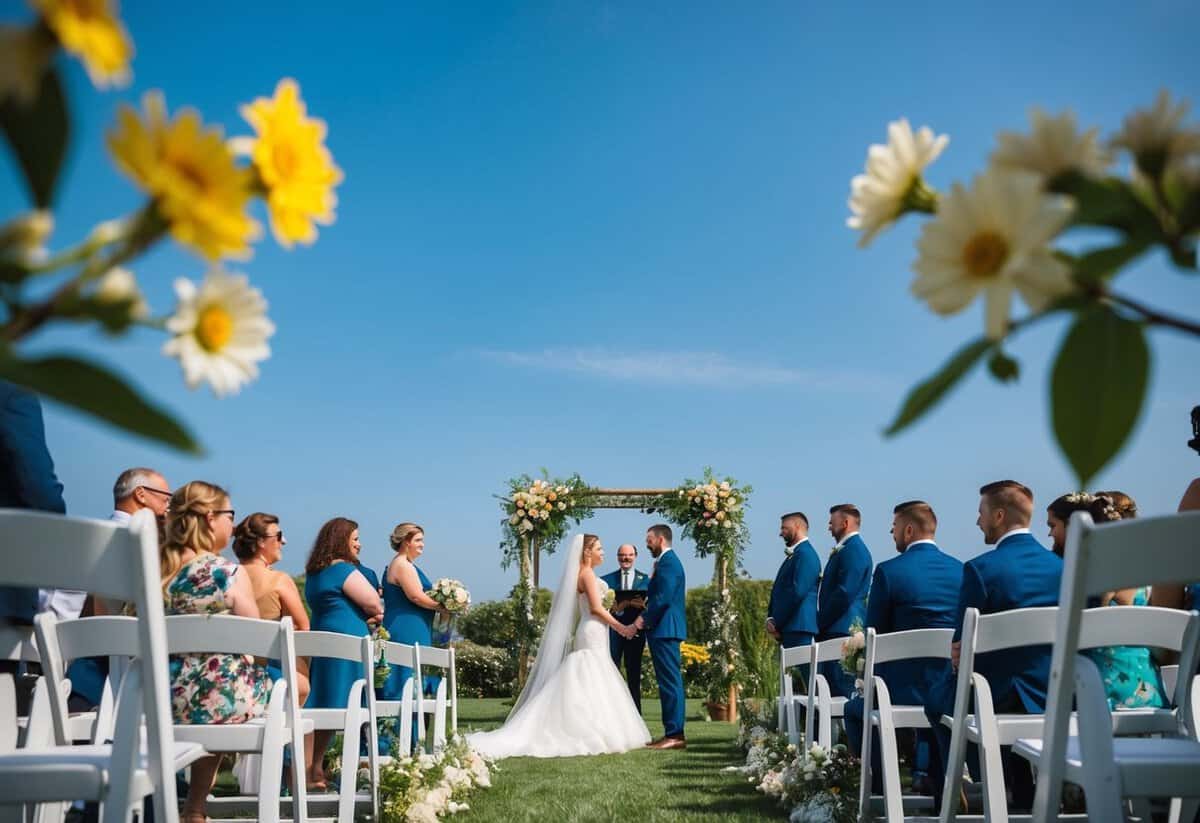
As you explore this topic, you’ll discover why June has captured the hearts of so many couples. From ideal weather conditions to school schedules that allow for celebrations, several factors contribute to this peak time.
Overview of Marriage Rates

Marriage rates can reveal much about societal trends and changes over time. Understanding these rates helps you see how different factors influence decisions to marry and the timing of those decisions.
Understanding Marriage Statistics
Various organizations, including the U.S. Census Bureau and the National Center for Health Statistics, collect marriage statistics. These statistics indicate how many people marry in a given year and can also provide insights into marital status trends across different demographics.
Data from the American Community Survey shows that the national marriage rate has fluctuated in recent years. For instance, in 2022, the marriage rate increased to 31.2 marriages per 1,000 unmarried women. This marked a shift from the low rates seen just a year earlier.
Understanding how many people marry can help you see the overall health of relationships in society today. It’s essential to look at these statistics to grasp how marriage trends adapt over time.
Factors Influencing Marriage Trends
Several factors can influence marriage trends and rates. Economic conditions play a significant role. When the economy is strong, more people may feel secure in committing to marriage. Conversely, during economic downturns, couples might delay tying the knot.
Cultural norms and shifts also impact marriage rates. Younger generations increasingly prioritize personal and career goals before marriage. Additionally, social media and dating apps have changed how people meet and interact, affecting their decision to marry.
Seasonal trends can also show significant effects. Many couples choose to marry in late spring and summer, drawn by favorable weather and longer days for celebrations. This seasonality plays a role in understanding high marriage months throughout the year.
Trends and Patterns
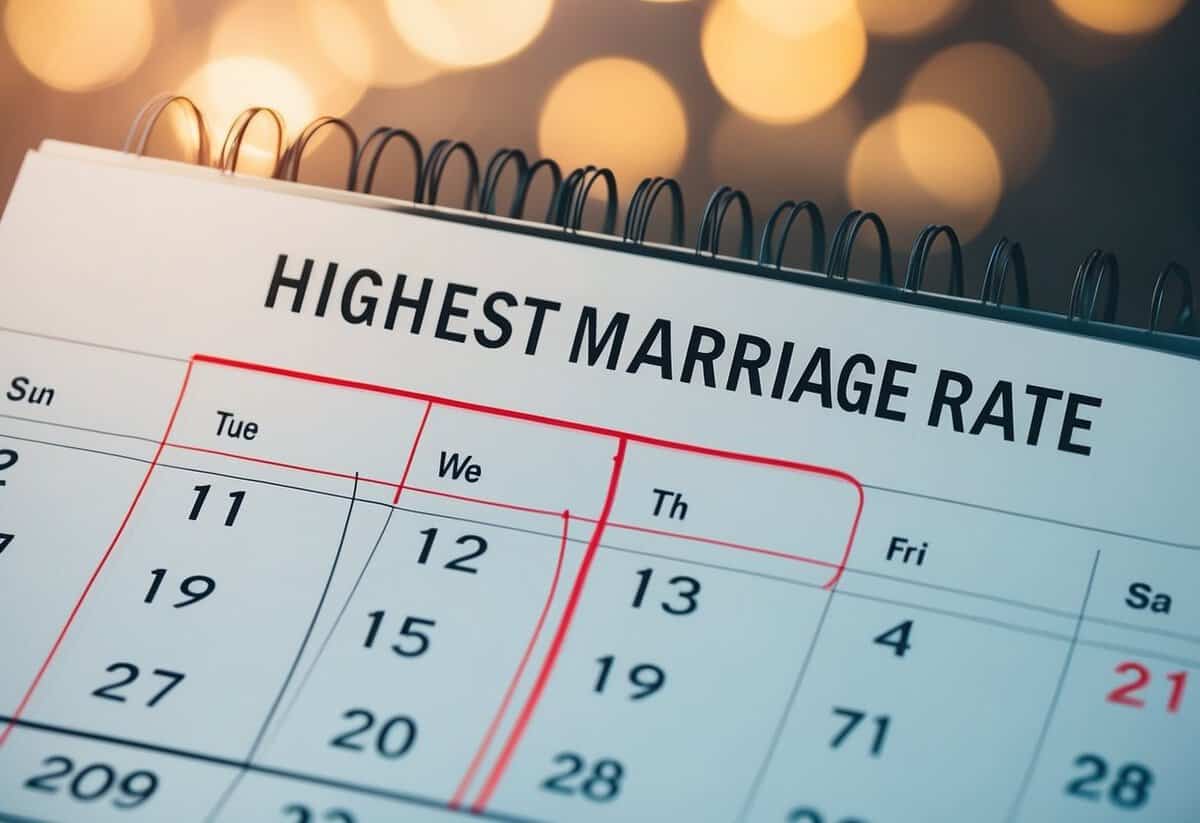
Marriage rates fluctuate based on various social factors and events. Understanding these trends can help you see how external events can influence when people choose to tie the knot.
Impact of the Covid-19 Pandemic
The Covid-19 pandemic significantly changed how people viewed marriage. In 2020, marriage rates dropped due to lockdowns and social restrictions. Many couples postponed their weddings or opted for smaller ceremonies.
As restrictions eased, 2021 saw a surge in marriage rates. Couples who had delayed their plans finally said “I do.” This trend continued into 2022 as more people felt comfortable celebrating larger events again.
The pandemic also affected divorce rates. Initial fears about instability led some couples to stay together, but pressures later caused an increase in divorces, featuring a shift toward a higher national divorce rate in subsequent years.
Marriage and Divorce Rates by State
Marriage and divorce rates can vary widely by state. For instance, states like Washington, D.C., and Colorado reported some of the highest marriage rates at 24.4 and 20.9 per 1,000 people, respectively. On the other hand, states like Massachusetts have lower marriage rates, with figures around 1.0.
Divorce rates also reflect state differences. Nevada leads with a divorce rate of 4.2%, while Massachusetts shows a lower figure, which aligns with its marriage trends.
Your awareness of these numbers can give you a better understanding of relationship dynamics across the country and help you anticipate trends that might influence your own decisions about marriage.
Demographics of Marriage
Marriage patterns vary greatly among different age groups and backgrounds. Understanding these trends helps you see how society views marriage today. Let’s explore the key demographics influencing marriage rates.
Millennials and Marriage
Millennials have been reshaping the landscape of marriage. As a group, they tend to marry later than previous generations. Many prioritize education and career before considering family formation.
According to recent studies, about 25% of millennials are unmarried couples living together. This shift indicates a move toward cohabitation as a step before or instead of marriage.
Additionally, the trend in child marriage has significantly declined among this generation. Child marriage rates have dropped, leading to more adults making informed choices about relationships.
As for marriage rates, millennials show a preference for same-sex marriage and diverse relationship types. The focus is on personal fulfillment more than traditional deadlines.
Diversity in Marital Patterns
Today’s marriage demographics are shaped by diversity. For instance, various ethnic and cultural groups have different marriage rates.
In some areas, such as the District of Columbia, about 24.4 per 1,000 women get married. This is significantly higher than states like California, where the rate is 5.2.
Same-sex marriage has also gained acceptance, impacting the overall statistics. People are more willing to celebrate unique relationships, leading to increased marriage rates within LGBTQ+ communities.
Unmarried couples are often found in diverse living arrangements. Many choose partnerships without the legal formalities of marriage. This trend highlights changing views on commitment and relationship structures.