
What Not to Add to a Wedding Registry: Essential Tips for Every Couple
Creating a wedding registry can be a fun and exciting part of your wedding planning. However, you need to know what not to add to ensure your guests have a smooth shopping experience. Avoiding personal items and unnecessary gifts will help you curate a thoughtful registry that your loved ones can easily navigate.

Many couples may think it’s fine to add anything they desire, but that can lead to awkward situations. Registry etiquette suggests steering clear of putting clothes, jewelry, or personal electronics on your list. This can help maintain a focus on items that enhance your new life together, rather than individual preferences.
As you put together your wedding registry, keep in mind that thoughtful choices not only reflect your style, but also consider what your guests will find enjoyable and suitable to give. By knowing what not to include, you can create a registry that is clear and considerate, making the gifting process easier for everyone involved.
Items to Avoid Adding

Creating the right wedding registry is important to ensure you receive gifts that you truly want and need. Here are some categories you should consider avoiding to keep your registry thoughtful and appropriate.
Personal Electronics and Appliances
While it might be tempting to add the latest gadgets to your registry, personal electronics and appliances can create a sense of pressure for your guests. Items like smartphones, laptops, or high-end kitchen gadgets may come across as too personal or extravagant.
Instead, focus on essentials that many couples use together, like cookware or home decor items. Remember, your guests want to celebrate your special day, so think about what’s practical and can be enjoyed by both you and your partner.
Gift Cards and Cash Funds
Although gift cards and cash funds offer flexibility, relying too heavily on them can feel impersonal. They may give the impression that you’re expecting guests to contribute money instead of selecting thoughtful gifts.
If you want to include these options, limit them to just a couple. Consider adding a few for specific experiences, like your honeymoon or a couple’s cooking class. This way, you encourage meaningful contributions without making your registry feel sterile.
Trendy Items and Personal Gifts
Avoid adding trendy items that may quickly go out of style. Items like fads in home decor or fashion may not stand the test of time. Instead, it’s better to choose classic pieces that you can enjoy for years to come.
Also, be cautious about personal gifts that only one partner would use, like clothing or jewelry. This could alienate the other partner and send the wrong message. It’s best to create a registry that reflects both of your tastes and needs.
Understanding Price and Accessibility

When creating your wedding registry, think carefully about price and accessibility. It’s important to choose items that your guests can afford while still reflecting your personal style. This section covers price points, offering a variety of gift options, and the benefits of group gifts and completion programs.
Consideration of Price Points
Consider the different price points when adding items to your registry. Not everyone attending your wedding will have the same budget.
By including gifts at various price levels, you allow guests to choose something that fits their financial situation. Aim for a mix that includes budget-friendly items, mid-range gifts, and a few splurge options. This way, there’s something for everyone.
Offering a Range of Gift Options
Offering a variety of gift options is key. Think about what you really need or want and include a mix of practical and fun items.
Include home essentials like kitchenware, as well as items for hobbies or experiences. This lets your guests feel more connected to your choices. They can pick something that matches their taste and your lifestyle. Remember to add some items at different price points within each category.
Group Gifts and Completion Programs
Consider group gifts and completion programs for larger or more expensive items. This allows multiple guests to contribute towards a single gift, making it easier for them to give something special without feeling the burden of the total cost.
Completion programs also let guests purchase remaining items from your registry after the wedding. These options help you receive everything you need, even if some gifts were not purchased during the wedding festivities.
Registry Composition and Etiquette
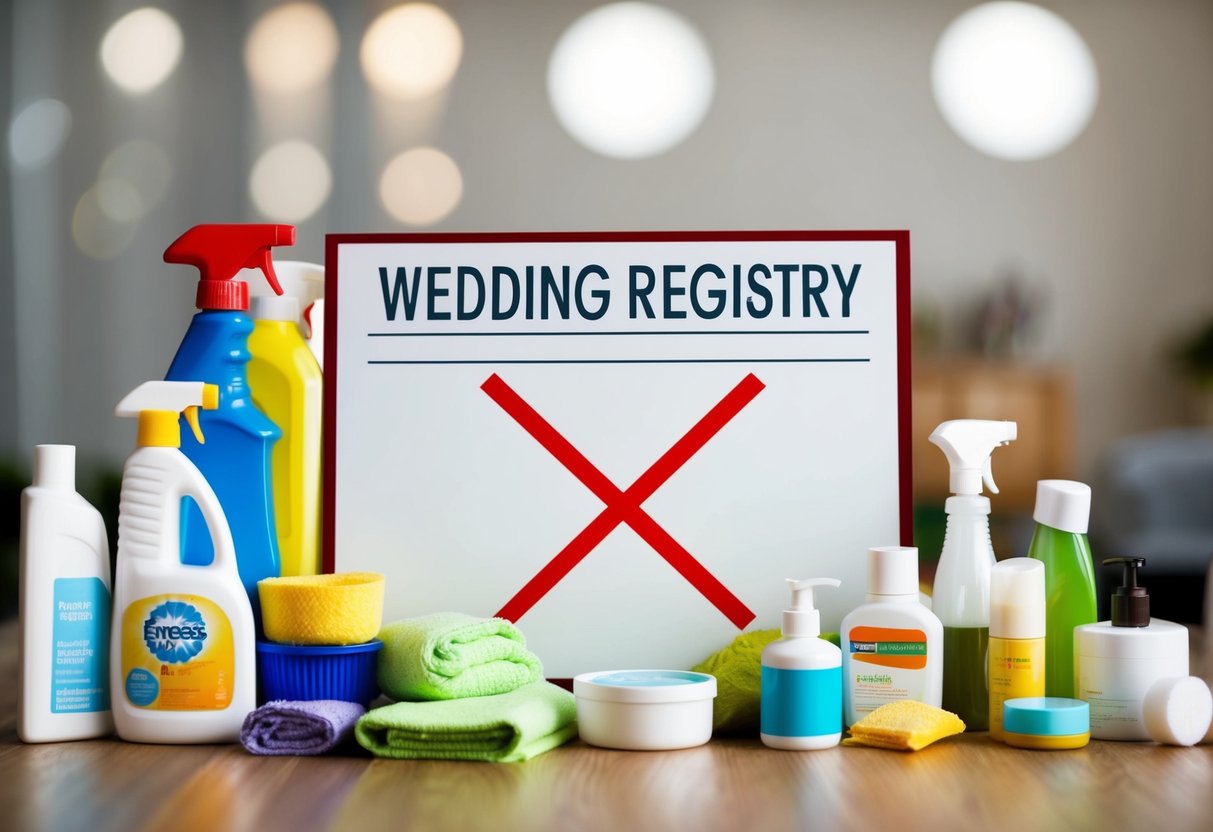
When creating your wedding registry, it’s important to think carefully about what you include. You want to make it easy for your guests to find gifts they know you’ll love. Here are some key aspects to consider.
Home Decor and Essential Items
When registering, avoid overly specific or trendy home decor items that may not suit your style in the long run. Instead, think about timeless essentials.
Items like quality cookware, a decent knife set, or basic dishware are classic choices that will always be useful. If you want to add decorative items, choose versatile pieces. Neutral colors will match various styles, making it easier for you to change up your home decor over time.
Remember, your registry should reflect not only your tastes but also functional needs.
Physical Gifts Versus Experiences
While physical gifts are traditional, consider also adding experiences to your registry. Think about activities like cooking classes, adventure outings, or spa days. These can create lasting memories and provide a break from everyday routines.
Not all guests may be familiar with experience gifts. Make sure to include clear descriptions to help them understand what you’re looking for. Also, balance these with tangible items so that guests feel secure in choosing gifts that suit their preferences.
Charitable Donations Instead of Gifts
Many couples today opt for charitable donations as part of their wedding registry. This can be a lovely way for your guests to honor you while supporting causes you care about.
You can include links to specific charities or organizations that resonate with you. Just be sure to communicate your intentions clearly to your guests. This allows them to choose gifts that align with your values while still celebrating your new life together.
After the Registry

Once your wedding registry is set up and your big day has passed, you might think the work is done. However, there are important steps to take regarding managing gift requests, returns, and expressing gratitude.
Managing Gift Requests and Returns
After your wedding, you will likely receive gifts that are on your registry. If you get something you don’t want or need, it’s perfectly acceptable to return it.
Check the store’s return policy first; many places make this process easy. Make a list of gifts you receive and who they came from. If you want to return something, use your registry to find out if the item is still eligible for a return. Feel free to exchange unwanted items for something more practical.
The Role of Thank You Cards
Sending out thank you cards is a key part of receiving gifts. It shows your appreciation to friends and family.
Start writing thank you notes as soon as possible after your wedding.
Be sure to mention the specific gift you received in the card. For example, “Thank you for the beautiful kitchen mixer. I can’t wait to use it for our new recipes!” This personal touch makes your message warmer.
Aim to send these cards within three months after your wedding to show your gratitude in a timely manner.