
What Order to Walk Down the Aisle in the UK? A Friendly Guide to Your Wedding Procession
Planning your wedding can be exciting yet overwhelming, especially when it comes to the details of the ceremony. In the UK, the typical order for walking down the aisle includes the officiant, followed by the bridal party, and finally the bride, often escorted by a parent. Understanding this order helps you create a beautiful and organized experience for everyone involved.
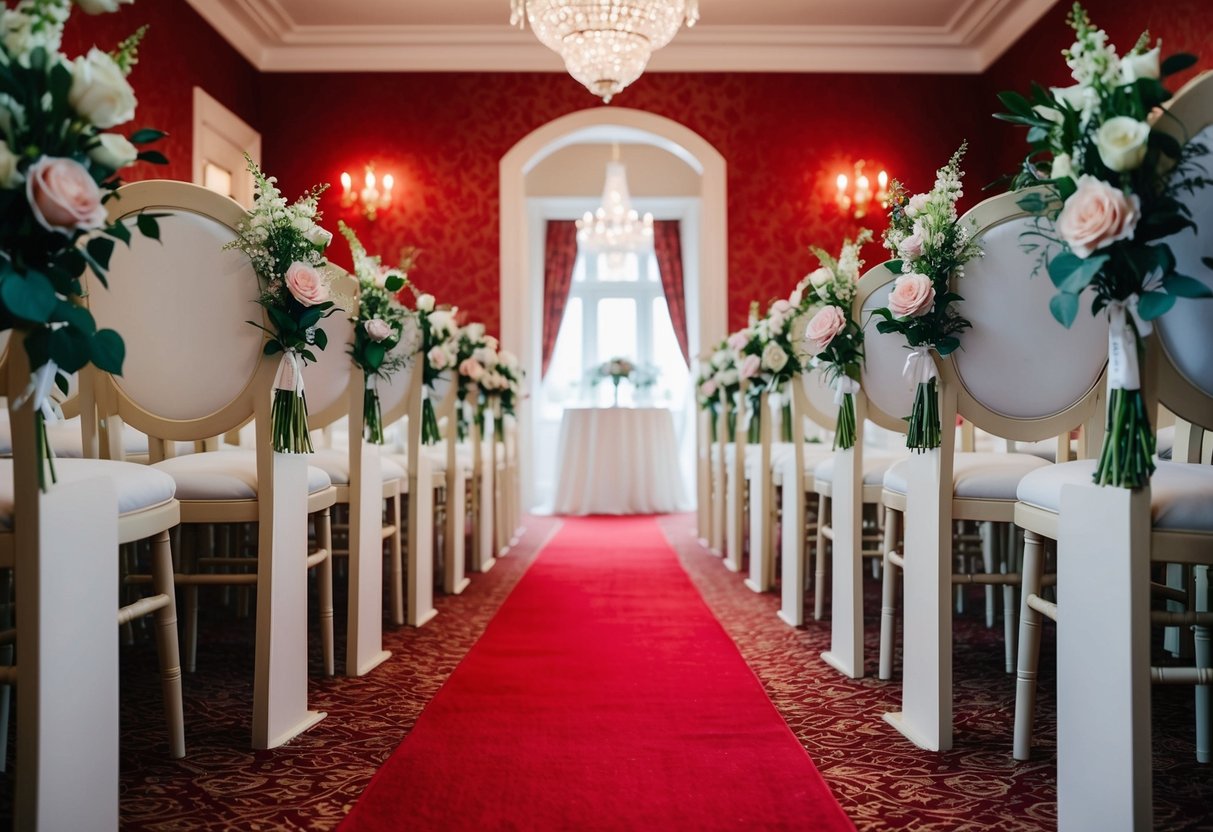
You might wonder if there’s room for personal touches in your processional. The answer is yes! Many couples choose to adapt the ceremony to reflect their style and traditions. From including friends or family in unique ways to considering same-sex partnerships, the possibilities are endless.
As you shape your wedding day, knowing who walks down the aisle and when can help you feel more confident. Get ready to explore the different options available and how you can make this special moment uniquely yours!
Understanding the Order of a Traditional UK Wedding Procession
When planning your wedding ceremony, knowing the traditional order of a wedding processional can help create a beautiful flow.
Typically, the procession begins with the officiant. This person is usually the first to enter, setting the tone for the ceremony.
Next, the grandparents of both the bride and groom typically walk down the aisle. They are usually followed by the parents of the groom and then the mother of the bride.
After the parents, it’s time for the bridal party. The bridesmaids and groomsmen can walk in pairs or separately. The maid of honour often walks next, followed by the flower girl and ring bearer.
Finally, the bride makes her grand entrance, escorted by the father of the bride. This moment is often the highlight of the ceremony.
Here’s a simple list of the traditional order:
- Officiant
- Grandparents
- Groom’s Parents
- Mother of the Bride
- Bridesmaids and Groomsmen
- Maid of Honour
- Flower Girl and Ring Bearer
- Bride and Father of the Bride
Feel free to adjust this order to fit your style and preferences. Remember, it’s your day!
Roles and Responsibilities Within the Wedding Party
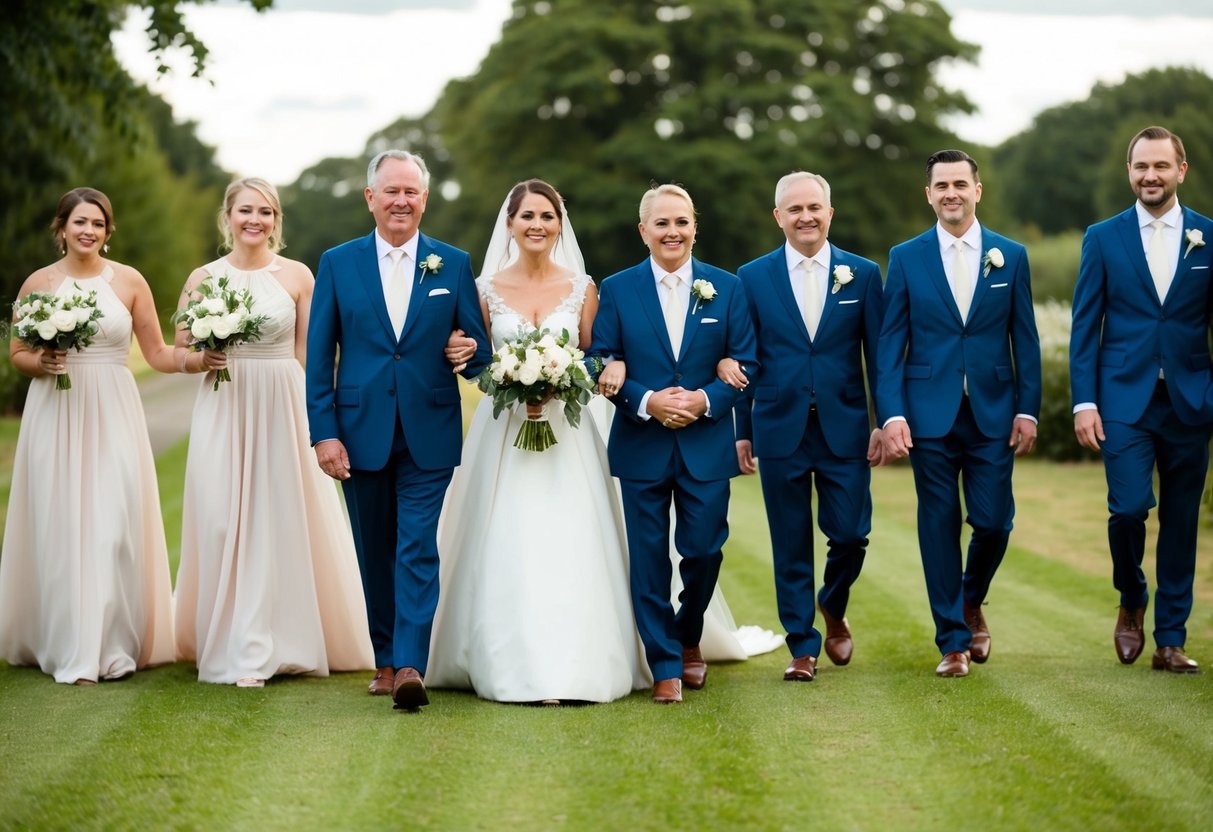
Understanding the specific roles within your wedding party can help ensure that everything runs smoothly on your big day. Each member has important duties that contribute to the ceremony’s success, bringing joy and support to both the bride and groom.
Duties of the Best Man and Maid of Honor
The best man plays a critical role in supporting the groom. You can expect him to handle tasks like organizing the bachelor party, keeping the wedding rings safe, and making a toast during the reception. He also stands by the groom during the ceremony, providing emotional support.
The maid of honor, often the bride’s closest friend or relative, has her own list of duties. She helps plan the bridal shower, assists with dress fittings, and is responsible for holding the bride’s bouquet during the ceremony. Both the best man and maid of honor must ensure that everything goes according to plan, making communication key between them and the couple.
Roles of Flower Girls, Page Boys, and Ring Bearers
Flower girls usually walk down the aisle before the bride, scattering petals or carrying a small bouquet. Their main role is to add a touch of innocence and charm to the ceremony. You might choose a younger relative or a close friend’s child for this role.
Page boys often follow the flower girls, carrying signs, or the bride’s train. They can also serve as extra helpers, making sure the wedding party stays organized. The ring bearer is responsible for carrying the wedding rings, typically on a small pillow. It’s important for them to feel familiar with their role to avoid any mishaps.
The Bridal Party’s Involvement During the Ceremony
The bridal party stands beside you and your partner during the ceremony. Their presence adds support and love as you exchange vows. Each member, including the best man and maid of honor, may have specific roles, such as holding the rings or bouquets at the right moment.
Make sure to discuss the order in which everyone will walk down the aisle during rehearsal. This helps everyone understand their position and role during the important moments of the ceremony. Having clear communication helps reduce hiccups on your special day.
Ceremony Variations and Cultural Significance
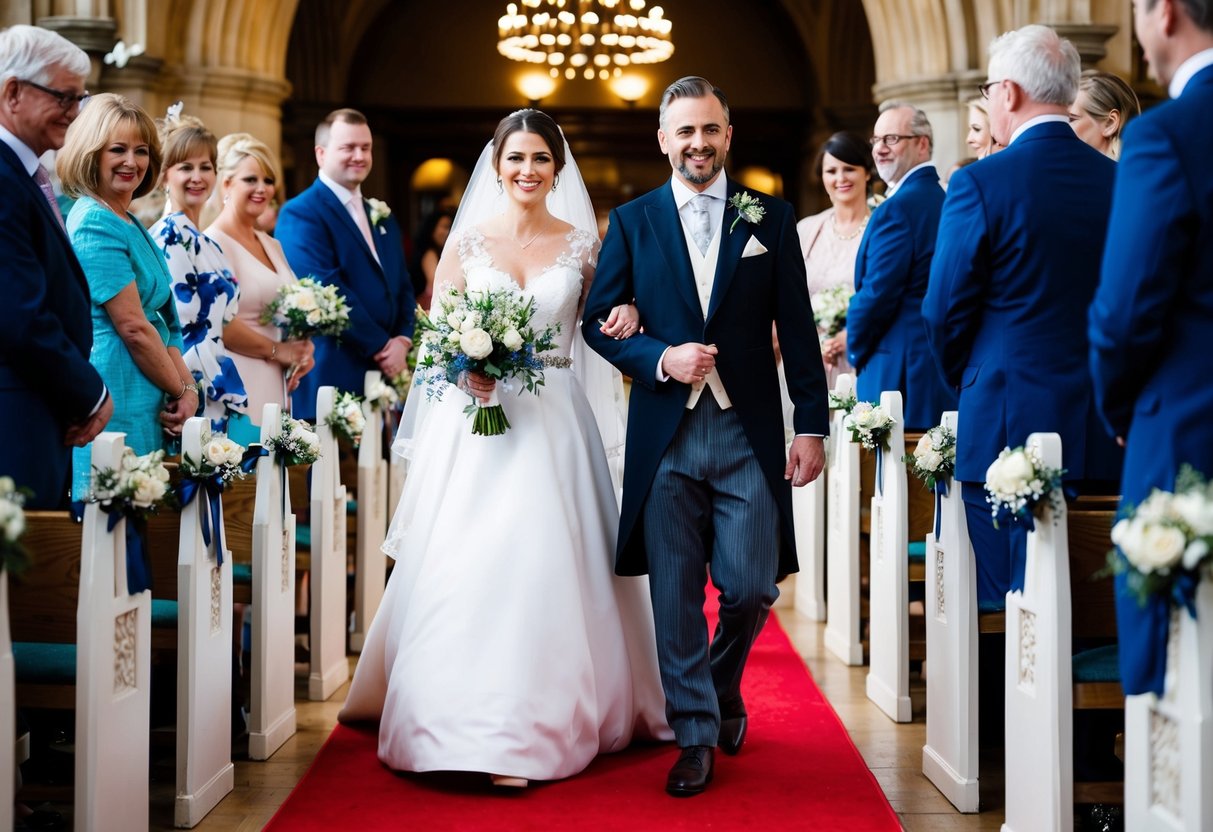
Weddings are rich in traditions and often reflect cultural values. The order of walking down the aisle varies greatly depending on religious beliefs and cultural practices. Here are some specifics about different wedding ceremonies, highlighting their unique processional orders and the meanings behind them.
Differences in a Christian Wedding Processional
In a Christian wedding ceremony, the traditional processional order is well-defined. Generally, the groom’s parents walk down the aisle first, followed by the bridal party. This group includes bridesmaids and groomsmen, who may enter in pairs.
Next, the most significant figures, like the mother of the bride, walk down the aisle before the bride makes her grand entrance. Usually, the bride is escorted by her father or someone meaningful to her. This moment symbolizes her transition from her family to her new life, often taking place at the altar, where vows are exchanged.
Traditions of a Jewish Wedding Under the Chuppah
In a Jewish wedding, the ceremony takes place under a canopy called a chuppah. The processional order starts with the groom’s grandparents, followed by the bride’s grandparents, and then the parents of both the bride and groom.
After the parents, the groom walks down the aisle accompanied by both his parents. The bride follows next, typically escorted by her father. This ensures that both families are honored during this important moment, marking the couple’s commitment under the chuppah.
Customs of a Hindu Wedding and Baraat
Hindu weddings are vibrant and diverse, often incorporating a procession known as the baraat. This involves the groom arriving at the wedding venue with family and friends, typically dancing.
The bride’s family usually waits at the mandap, where the ceremony takes place. The bride may walk down the aisle escorted by her parents, symbolizing their blessing and support. The vibrant colors and joyful atmosphere enhance the ceremony, highlighting the importance of family and community in Hindu culture.
Alternative and Nondenominational Processional Orders
For couples opting for a nondenominational wedding, the processional order can be more flexible. You might choose to design your ceremony to fit your personal style and values.
Typically, you can mix traditional elements with modern spins. For instance, both partners can walk down the aisle together, or you may opt for a close friend or family member to escort you. The focus here is on what feels meaningful for you, ensuring your wedding ceremony reflects your unique journey together.
Ceremonial Music and Departure
Choosing the right music for your wedding ceremony adds a special touch. Your wedding processional music sets the tone as everyone walks down the aisle.
Common options include the traditional Bridal Chorus and the classic Wedding March. These songs create a joyful atmosphere for your guests.
As you walk toward your partner, the music should reflect your personality and the mood you want to create. You might choose a meaningful piece that represents your relationship.
During the ceremony, feel free to play soft background music while guests are seated. This is called the prelude. It helps create a warm and inviting space.
Once the wedding vows are exchanged, it’s time for your recessional. This is the music that plays as you both walk back up the aisle as newlyweds. It’s often more upbeat and celebratory compared to the processional.
Finally, you can have a postlude. This is ambient music that plays while guests exit the venue. It keeps the joyful vibes going as everyone congratulates you both.