
What Percent of Guests Come to a Destination Wedding? Insights for Couples Planning Their Big Day
Planning a destination wedding can be exciting, but one of the biggest questions you might have is about your guests attending. On average, around 35% of invited guests make the trip to a destination wedding. This attendance rate can vary, influenced by factors like location, travel costs, and the time of year.
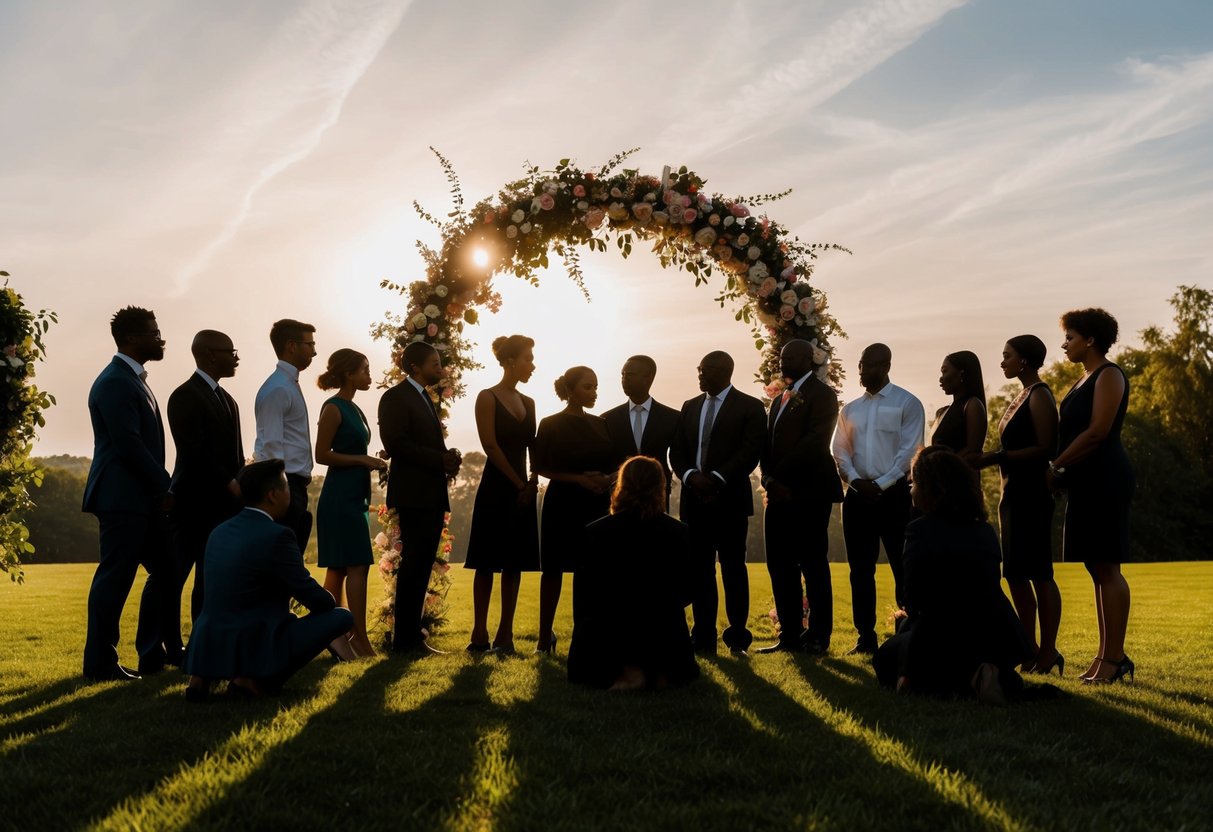
Understanding how many guests you’ll likely see can help shape your planning choices. You can use this information to create a budget, select accommodations, and even design your invitation list. Knowing what to expect for attendance can lead to a smoother planning process and a more enjoyable experience for you and your guests.
Understanding Destination Wedding Attendance
Attending a destination wedding involves more considerations than traditional weddings. Several factors can influence how many of your invited guests will RSVP and actually attend.
Factors Influencing RSVPs
When planning your destination wedding, think about how different elements can affect RSVPs. Costs, travel arrangements, and the wedding location play large roles. Guests may worry about expenses for travel and accommodation.
To help with these concerns, you can provide helpful information about nearby hotels or group rates.
Sending out your wedding invitations early gives guests more time to plan, increasing the chances that they’ll attend.
Another factor is the time of year. Popular travel seasons can affect the availability of guests. A wedding planner can help you choose dates that work better for most people.
You should also consider the average number of wedding guests who typically attend destination events, which tends to be lower than traditional weddings.
Comparing Destination and Traditional Weddings
The attendance rate at destination weddings is usually lower than at traditional weddings. On average, only about 35% of invited guests make the trip to your wedding location. In contrast, traditional weddings typically see attendance rates of 60% to 75%.
This difference often arises from travel requirements and costs. Destination weddings usually have smaller guest lists, making it easier to plan for a more intimate gathering.
To enhance attendance, consider personalizing your invitations and sending them well in advance. By providing your guests with all necessary details, you can help ease any worries they might have about travel and attendance. This can make a significant difference in getting more positive RSVPs for your special day.
Building Your Guest List Strategy
Creating a guest list for a destination wedding requires careful planning. You want to involve the right people while keeping costs and logistics in mind. Start by estimating how many guests to invite and then focus on how to communicate with them effectively.
Estimating Guest Count
Begin by deciding how many guests you want to include in your wedding guest list. The percentage of guests that usually attend a destination wedding can be as low as 35% to 75%, depending on various factors like location and timing.
Consider different guest categories:
- Local Guests: Likely to attend more frequently.
- Out-of-Town Guests: Travel adds costs and time.
- Destination Guests: Typically less likely to attend.
Be realistic about your budget. If finances are tight, keep the guest list smaller. A focused list can make your wedding more enjoyable for everyone.
Creating and Managing Invitations
Once you have a good estimate, it’s time to send out invitations. Start with save-the-date cards at least 8-12 months in advance. This gives guests ample time to plan and decide.
Your invitations should include:
- Essential details: Dates, location, and travel tips.
- RSVP information: Make it easy for guests to respond.
Keep communications clear and friendly. The more personal touch you add, the better. A well-managed guest list leads to a memorable celebration without unnecessary stress.
The Logistics of Destination Wedding Planning
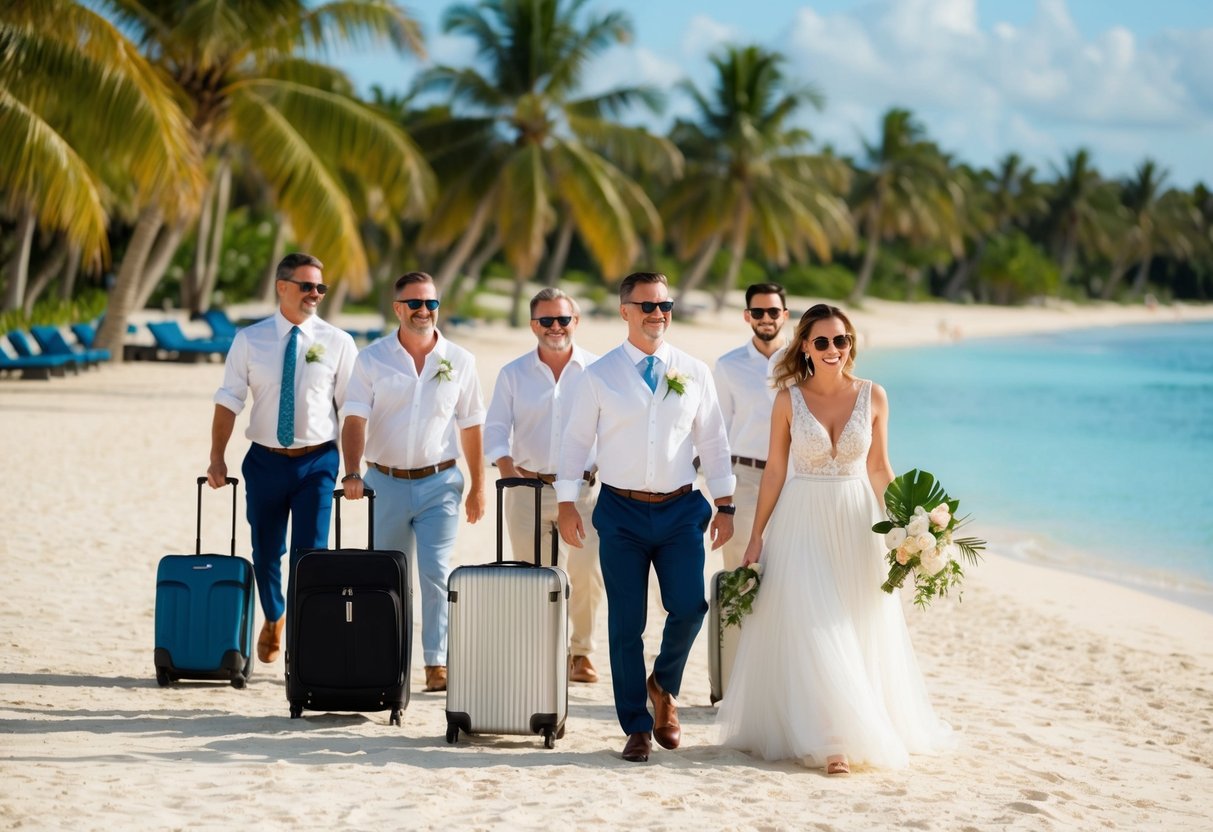
Planning a destination wedding involves many important details. You want your venue to be perfect and ensure your guests enjoy their experience. Here are some key aspects to consider.
Choosing the Right Venue
Select a venue that fits your wedding style and accommodates your guest list. Think about the location’s scenery, weather, and accessibility. Popular options include beaches, historic sites, or resorts.
Consider the size of the venue to ensure it matches your guest count. If most of your guests are local, a venue close to town may help ease travel burdens. For out-of-town guests, a venue that provides accommodations can be a great advantage.
Make sure the venue offers necessary services. This may include catering, parking, and accessibility features for all guests. You’ll want to confirm if the venue has experience with destination weddings, providing you peace of mind.
Ensuring Guest Comfort and Accessibility
Your guests’ comfort is essential for a successful wedding. Provide clear information about travel expenses and lodging options. Consider setting up a group booking for hotels to ease costs for everyone.
Create a schedule that includes fun activities for your guests. Local tours, beach days, or group outings can make their trip enjoyable. Be mindful of local customs and accessibility issues that may affect out-of-town guests.
Consider transportation needs. Shuttles to and from the venue can help everyone feel more relaxed. Always ensure that the venue is accessible for guests with disabilities, so everyone can share in your special day.
Enhancing the Guest Experience
To make your destination wedding truly special, focus on enhancing the guest experience. It’s the small details that leave a lasting impression.
Communication is key. Start by informing your guests early about the wedding details. You should provide information on travel, accommodation, and local attractions. This helps them plan their trip and feel included in the celebration.
Consider creating a wedding website. This can serve as a hub for all necessary information. Include RSVP options, travel tips, and fun activities in the area. It’s an easy way for guests to stay updated.
Wedding favors can also make your guests feel appreciated. Choose items that reflect your wedding destination. Local treats or personalized keepsakes will remind them of your special day.
Encourage interaction among guests. Plan group activities, like a welcome dinner or a sightseeing tour. This helps guests mingle, making the celebration more enjoyable for everyone.
Lastly, remember to thank your guests for attending. A simple note or a thank-you speech can go a long way. Showing gratitude helps create a warm atmosphere during your wedding celebration.