
What Percentage of a Wedding is Food? Understanding Catering Costs and Their Impact on Your Big Day
When planning your wedding, one of the biggest expenses you’ll encounter is food. Typically, you should set aside about 50% of your total wedding budget for food and drinks. With the average wedding cost soaring, understanding where your money goes is crucial.
In a wedding budget breakdown, food often takes the largest slice of the pie, surpassing other key areas like attire and decorations. Knowing what percentage to allocate can help you create a balanced budget that allows you to stay within your means while still offering your guests a delightful experience.
As you decide on your wedding budget percentages, remember that the quality of food can greatly affect your guests’ enjoyment. Investing wisely in this area ensures your special day is memorable for all the right reasons.
Understanding Wedding Budget Allocation
When planning your wedding, knowing how to allocate your budget is crucial. Food often takes up a significant portion, but there are other factors to consider that influence overall costs.
Examining the Total Wedding Budget
Start by determining your total wedding budget. The average cost of a wedding can vary greatly, but many couples spend between $20,000 and $50,000. Using a wedding budget tool can help you see where your money goes.
Here’s a general breakdown of how couples allocate their funds:
- Venue: 40%
- Food and Drinks: 20-30%
- Photography/Videography: 10-15%
- Attire: 5-10%
- Flowers and Decor: 5-10%
This gives you a clearer picture of where to focus your spending. Adjust these percentages based on what matters most to you.
Key Factors Influencing Wedding Costs
Several factors impact your wedding costs. First, guest count plays a big role. More guests mean you need more food, drinks, and seating, which drives up expenses.
Location is another vital factor. Weddings in urban areas may cost more than those in small towns.
Additionally, seasonal choices can affect prices. For instance, peak wedding seasons may have higher venue and catering costs.
Be mindful of these elements, as they can significantly affect your final budget. Understanding these influences ensures you make informed choices.
Food and Catering Insights
When planning a wedding, food and catering choices are key to creating a memorable experience. From selecting the right catering options to budgeting for food expenses and accommodating dietary needs, each detail plays a crucial role.
Catering Options and Selection
Choosing the right catering option can greatly enhance your wedding reception. You might consider different styles, such as plated meals, buffet service, or family-style dining. Each of these has its own vibe and can suit different themes.
- Plated Meals: Often more formal, with guests served at their tables.
- Buffet Style: Offers variety and allows guests to choose their portions.
- Food Stations: Interactive and fun, featuring different cuisines or dishes.
Make sure to taste-test your options. Work with your caterer to create a menu that reflects your preferences and the seasonality of ingredients.
Allocating Budget for Food Expenses
Food and drink expenses typically make up a significant portion of your wedding budget, often ranging from 40% to 50%. Setting aside a clear amount for catering costs is essential for staying on track.
Here’s a simple breakdown of how to allocate your catering budget:
- Food Costs: 20% to 30% of total budget
- Beverage Costs: 10% to 20%
- Service Charges: 15%
Be aware of additional costs such as gratuity, taxes, and equipment rentals. Getting quotes from different catering services can help compare pricing and find the best fit for your needs.
Incorporating Dietary Requirements
Accommodating dietary requirements is vital for a successful catering experience. You want to ensure all guests feel included and satisfied.
Start by surveying your guest list to identify any allergies or dietary restrictions, such as:
- Vegetarian/Vegan Options
- Gluten-Free Choices
- Allergy Considerations: nuts, dairy, etc.
Once you know these needs, talk with your caterer to design a menu that offers diverse options for everyone. Having a variety can make your reception more enjoyable for all guests and reflect your thoughtfulness as hosts.
Additional Wedding Essentials
When planning your wedding, food is a major part of the budget, but there are other important elements to consider. Key essentials like the venue, photography, and entertainment will help make your big day unforgettable.
Venue and Atmosphere
Choosing the right wedding venue sets the mood for your entire celebration. Consider options that reflect your style, whether it’s a cozy barn, an elegant ballroom, or a beachside location.
Make a list of what you need from the venue, such as:
- Capacity: Ensure it can accommodate all your guests.
- Location: Consider convenience for you and your guests.
- Amenities: Look for tables, chairs, and kitchen facilities.
Don’t forget about decorations and seating arrangements to create a beautiful atmosphere that aligns with your theme.
Photography and Videography Essentials
Capturing your wedding day is crucial. Hiring a skilled photographer ensures you have stunning images to remember the moments.
Here’s what to think about:
- Styles: Choose between candid, posed, or a mix.
- Packages: Look for a photographer that includes an album or prints.
- Videography: A videographer can capture the day in motion.
Plan for getting both a photographer and videographer to cover all aspects of your celebration. Together, they can help you relive the joy of your wedding day.
Entertainment and Music
Entertainment keeps your guests engaged and adds excitement to your event. Hiring a DJ or live band can elevate the experience during both the ceremony and reception.
Consider these points:
- Type of Music: Decide on the genres and specific songs to set the tone.
- Hiring a DJ: A DJ can read the crowd and shift the music style accordingly.
- Live Performances: Bands can add a unique vibe, but check their playlist in advance.
Make sure to communicate your vision and song preferences with whoever you hire, so everyone enjoys the celebration as much as you do.
Final Touches and Considerations
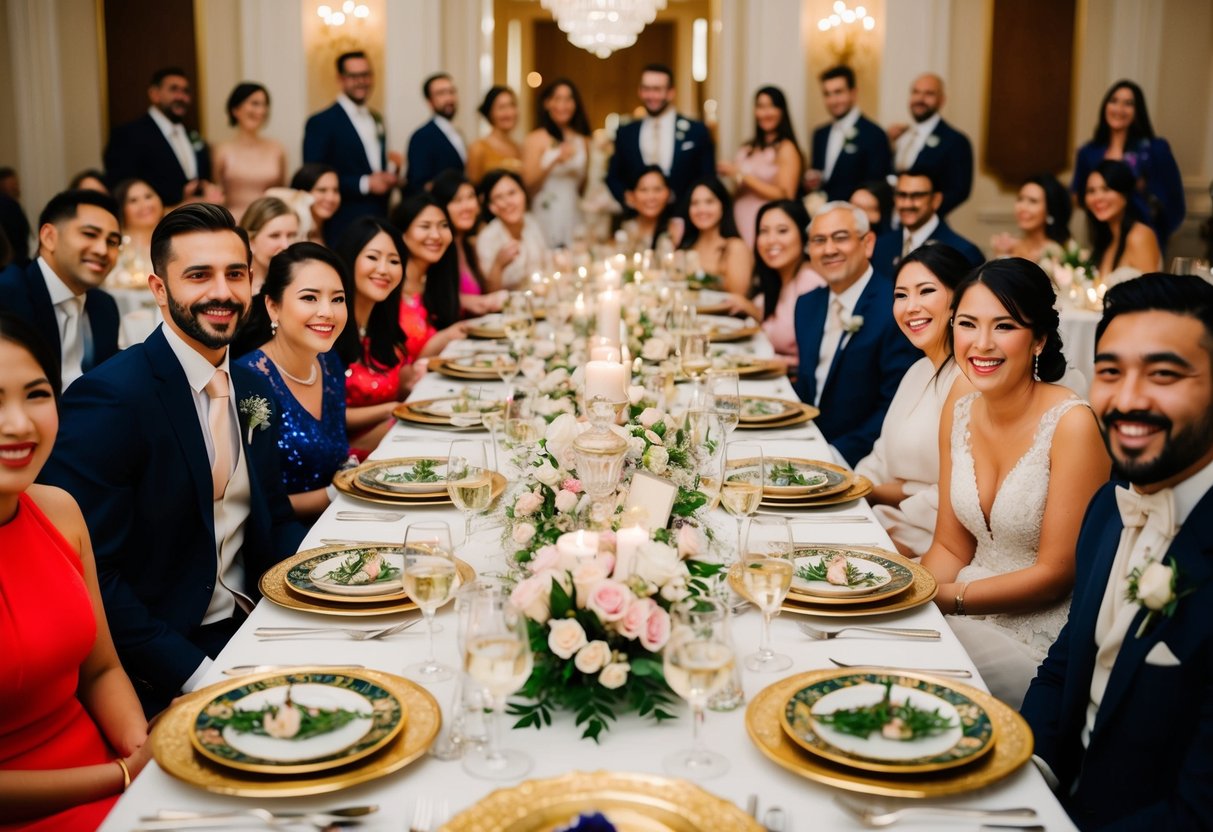
As your wedding day approaches, focusing on the final details can make a big difference. This section will help you think about important elements like decorations, memorable gifts, and managing last-minute expenses.
Decorations and Florals
Choosing the right decorations and floral arrangements is essential to create the atmosphere you want. Start by selecting a color scheme that fits your theme. For example, soft pastels can create a romantic feel, while bold colors can add energy.
When it comes to flowers, think about seasonal blooms to save on costs. Popular choices include roses, peonies, and hydrangeas. You can use these in bouquets, centerpieces, and even in your wedding cake design.
Don’t forget about lighting! Twinkling fairy lights or elegant candle arrangements can add warmth and charm to the venue. Incorporate these elements to enhance the overall look and feel of your celebration.
Memorable Favours and Gifts
Wedding favors are a lovely way to thank your guests for sharing your special day. Consider personalized items like engraved keychains or small potted plants that guests can take home. These little tokens can leave a lasting impression.
You might also want to think about gifts for your wedding party. These could be items like custom engraved cufflinks or matching jewelry. Putting thought into these gifts shows appreciation for their support during the planning and on your big day.
If you have a wedding cake, consider sending guests home with cake slices or small cupcakes wrapped in beautiful boxes. This sweet treat can be a delicious reminder of your celebration.
Managing Last-Minute Expenses
As you finalize your wedding plans, keep an eye on expenses. Create a checklist of everything still needed. This includes things like marriage license fees and any last-minute décor items.
Consider setting aside a small budget for unexpected costs that always pop up. Whether you need extra lighting or supplies for favors, having a buffer can ease your mind.
Don’t forget about the honeymoon fund. You can include that in your registry to help cover post-wedding adventures. Balancing these aspects will help ensure your special day goes smoothly without breaking the bank.