
What Percentage of Guests Attend a Destination Wedding? Here’s What You Need to Know!
Planning a destination wedding can be exciting, but you might wonder how many of your invited guests will actually attend. On average, around 35 to 70 percent of your invited guests are likely to show up at a destination wedding. This range can depend on many factors, including the location and the guests’ personal circumstances.
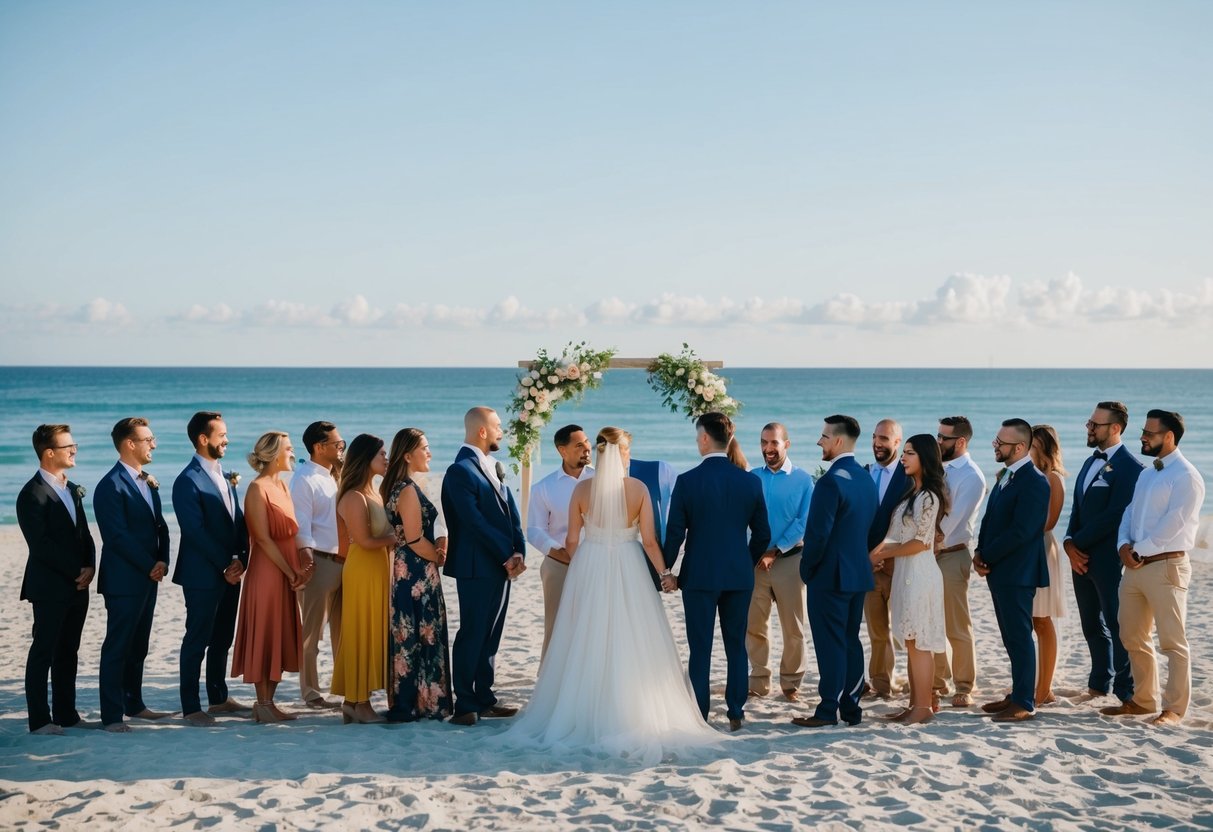
Understanding guest attendance can help you make better decisions while planning. Knowing that closer friends and family are more likely to attend may ease your worries. You can plan for a smaller guest list or provide travel information to help guests make arrangements.
The details matter, so let’s explore what influences these attendance percentages and how you can encourage your loved ones to share in your special day.
Understanding Destination Weddings
Destination weddings are special events held in locations away from where you live. These weddings often take place in beautiful places like beaches, mountains, or historic towns.
When planning your destination wedding, you need to think about your guest list. Many couples choose to invite fewer guests compared to traditional weddings. This leads to more intimate weddings, allowing you to spend quality time with your closest friends and family.
Expect about 35% to 85% of guests to attend your destination wedding. Local guests usually have a higher attendance rate, often around 85%, while out-of-town guests may attend at a rate of about 50-70%.
A smaller guest list can make larger weddings feel more personal. You can create a unique experience that feels special for everyone involved.
While planning, consider the location and time of year. These factors can influence who can make it. Keep in mind that some guests may have travel constraints, which is important to think about when setting your final date.
The Guest List Conundrum
Creating a guest list for a destination wedding can be tricky. You need to consider how many people you want to invite while keeping in mind several key factors. Finding the right balance will help you have the perfect day with the people who matter most.
Determining How Many to Invite
Think carefully about how many invited guests are essential to you. Start by listing your closest friends and family. Consider your wedding size in relation to the location, as bigger venues can accommodate more people.
Most couples aim for a guest list of around 35% attendance for destination weddings. If you invite 100 people, expect about 35 to 50 attendees. That’s why it’s important to invite extra guests to ensure your closest friends can make it.
Factors Affecting Guest Count
Many factors can influence your guest list size. Venues, travel costs, and the wedding date play significant roles. For example, a wedding during peak travel season may see fewer guests.
Another factor is the distance guests must travel. Local guests often can attend more easily, while out-of-town guests may face barriers. You can also consider factors like family obligations or scheduling conflicts that might affect attendance.
RSVPs and Attendance
Planning a destination wedding means paying close attention to how many guests will attend. RSVPs are crucial for knowing who will be there and making necessary arrangements. Here’s what you need to know about save-the-dates, tracking responses, analyzing attendance rates, and adjusting seating and catering.
Importance of Save-The-Date Cards
Sending save-the-date cards can greatly increase your attendance rates. These cards give your guests plenty of notice about your wedding date and location. It’s especially important for a destination wedding, as guests need to plan travel time and accommodations.
Make your save-the-dates fun and memorable. Include essential details like the wedding date, location, and any key events leading up to the big day. Sending them out 6 to 12 months in advance is a good idea. This early notice helps guests mark their calendars and start planning, making them more likely to attend.
Tracking RSVPs
Keeping track of RSVPs can feel overwhelming, but it’s essential for your planning. Create a system to manage responses efficiently. You might choose to use digital RSVP tools or traditional RSVP cards. Digital options can streamline the process, making it easier to collect and monitor responses.
As guests reply, update your list regularly. This helps you visualize who’s attending and who may need reminders. A well-organized RSVP list can also assist in decisions related to seating charts and catering needs, ensuring you are prepared for all your guests.
Analyzing Attendance Rates
Understanding attendance rates can guide your planning. Generally, attendance for destination weddings ranges from 50% to 70% of invited guests. You may see lower percentages for larger invite lists or less accessible locations.
Consider factors affecting attendance such as travel costs and distance. Guests with tight budgets or busy schedules may find it harder to attend. By analyzing past events or consulting with recently married friends, you can get a better idea of what to expect for your wedding.
Seating and Catering Adjustments
Knowing your attendance rate allows you to make vital adjustments. Accurate RSVPs help create seating charts that ensure everyone is comfortable. Aim for a balance of guests who know each other to foster an enjoyable atmosphere.
Catering is another critical area impacted by attendance. Finalizing your menu and the number of servings depends on how many guests will join you. Be sure to confirm with your caterers about any adjustments as your RSVP list updates. Close attention to these details can enhance your wedding experience for you and your guests.
Logistical Challenges for Guests

Destination weddings can be a delightful experience, but they also come with several logistical challenges for guests. These issues can affect attendance and create stress for those invited. Here are some key challenges guests may face.
Travel Expenses Impact
One of the biggest hurdles for guests is the cost of travel. Traveling for a wedding can be expensive, especially if the location is far away.
You must consider airfare, accommodation, and transportation costs. This can add up quickly. Many guests may not be able to budget for these expenses, especially if they need to buy wedding gifts as well.
If you have guests traveling from abroad, they often have to deal with currency exchange rates and international flight prices. These factors can lead to a higher chance of declining the invitation due to budget constraints.
Consideration for Out-of-Town Guests
Out-of-town guests face additional challenges compared to local guests. These guests need to make travel arrangements, which can involve booking flights, renting cars, or arranging for rides from the airport.
Advance planning is critical. You might want to help them by sharing information about group discounts at hotels or nearby attractions. This can make their trip easier and more enjoyable.
Also, many out-of-town guests may need to take additional time off work. They might also need to coordinate with family or friends for the trip. These logistics can add to their stress and impact their decision to attend.
Accessibility and Venue Location
Another important factor is the accessibility of the wedding venue. Difficult-to-reach locations can deter guests from making the journey.
Consider whether the venue is close to airports or major roads. This can make a big difference for those coming from further away. You should also think about the amenities available at the venue.
Is it easily accessible for those with disabilities? Are there nearby accommodations for guests? Ensuring that these details are in order can help you be more considerate of your guests’ needs and comfort.