
What Percentage of Guests Will Attend a Destination Wedding? Insights for Couples Planning Their Big Day
When planning your dream destination wedding, one of the biggest concerns is how many of your invited guests will actually make it to the celebration. On average, about 35% of invited guests attend a destination wedding. This number can vary due to factors like location and timing, but understanding this can help you set realistic expectations.
Destination weddings often attract a smaller guest list compared to traditional weddings. Factors such as travel costs and time away from home can influence your friends and family’s decision to attend.
Knowing the percentage of guests who typically attend can make a difference in your planning process, allowing you to focus on creating an unforgettable experience for those who do join you.
As you think about who to invite, remember that larger invitations usually lead to a lower percentage of attendees. Whether it’s 50% or even less, you can create a special day filled with love and unforgettable memories, no matter how many guests are by your side.
Understanding Destination Wedding Attendance Rates
When planning a destination wedding, knowing how many guests might attend is important for budgeting and logistics. Several factors impact the attendance rates, especially when comparing local weddings to destination events.
Factors Affecting Guest Count
The guest count at a destination wedding can vary for many reasons. Firstly, the location plays a crucial role. A stunning beach resort may attract more guests than a remote venue.
Cost is a significant factor. According to some studies, about 54% of guests might not attend due to travel expenses. This includes costs for accommodation, airfare, and other incidentals.
Relationship closeness also matters. Guests who know you well are more likely to attend. Inviting fewer people can increase the percentage of attendees, as seen when comparing smaller guest lists to larger ones.
Comparing Local vs Destination Weddings
Local weddings generally have higher attendance rates than destination weddings. While destination weddings may see around 35% attendance, local celebrations typically attract 60% to 75% of invited guests.
The convenience of a nearby venue makes it easier for friends and family to attend. Travel restrictions, time commitments, and costs can deter guests from traveling long distances.
A smaller guest count in destination weddings can mean a more intimate gathering. In contrast, local events often welcome a larger circle of friends and family, making them feel more inclusive.
Planning for Guests at a Destination Wedding
When planning a destination wedding, it’s crucial to consider how many guests will attend. This requires careful thought about your guest list and effective communication through save-the-date cards and invitations.
Managing the Guest List
Start by creating a guest list that includes everyone you want to invite. Consider how many people you expect will attend. Typically, around 35% of invited guests come to a destination wedding.
To make it easier, you can categorize your guests into two groups:
- Local Guests: They may find it easier to attend.
- Out-of-Town Guests: They might need more time or resources to make the trip.
Be prepared for potential declines. This way, you can manage expectations and plan for an enjoyable celebration.
The Role of Save-the-Dates and Invitations
Save-the-date cards are important. They help your guests plan ahead and make travel arrangements. Send them out early, around 6 to 12 months before your wedding.
Follow up with formal wedding invitations about 8 weeks prior. Be clear about the location, date, and any special instructions.
Include helpful information like:
- Travel tips
- Accommodation options
- Nearby attractions
This makes it easier for guests to know what to expect and increases the chance of a higher attendance rate.
Budget Considerations for Guests and Couples
When planning a destination wedding, both you and your guests need to think about costs. Understanding travel and accommodation expenses can help you make informed choices while keeping everyone’s budgets in mind.
Travel and Accommodation Costs
Travel expenses can add up quickly. Guests may face costs for flights, gas, or other transportation. To ease this burden, provide them with information on reasonably priced travel options and nearby airports.
Accommodation is another significant cost. You can consider booking group rates at hotels to save your guests money. Sharing information on affordable lodging options is a great way to help your guests.
Here’s a quick overview of common costs:
- Flights: Prices vary by season and distance.
- Gas: If driving, consider gas and tolls.
- Hotels: Group blocks often offer discounts.
By addressing these costs, you help guests plan better for your special day.
Helping Guests with Expenses
You can also support your guests in managing expenses. Consider setting up a wedding website with travel guides, discounts, and accommodation options.
Offering a list of budget-friendly activities can make their stay more enjoyable without breaking the bank. For example, provide recommendations for local attractions that might have free days or affordable entry fees.
If possible, consider hosting a welcome dinner or brunch. This not only gives you the chance to connect with your guests but also helps them save on meals.
Encouraging guests to carpool or share accommodations can help reduce both travel and lodging expenses. Every little bit helps when planning for a trip.
Enhancing Guest Experience
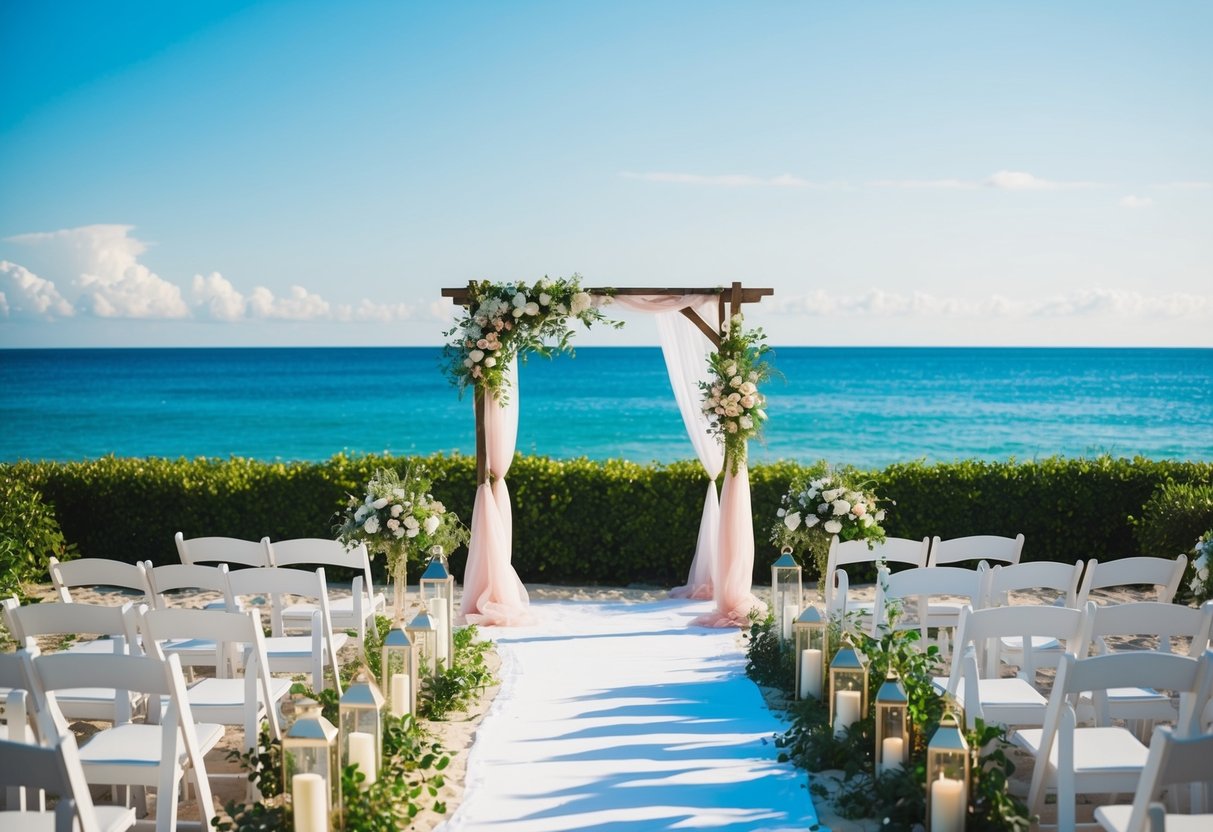
Making your guests feel welcome and informed is essential for a successful destination wedding. Focusing on clear communication and creating a warm atmosphere can greatly enhance their experience.
Communication and Information Sharing
Start by creating a dedicated wedding website. This will serve as a central hub for all important information. Include details like travel tips, accommodation options, and wedding day schedules.
Ensure your communication is friendly and open. Regular updates can keep guests engaged and excited. You can send emails or use social media to share fun details about the destination.
Don’t forget to emphasize the importance of your closest friends and immediate family attending. Reach out personally to them, letting them know how much their presence means to you. This personal touch can encourage their attendance and make them feel valued.
Creating an Intimate Atmosphere
An intimate wedding makes every guest feel important. Consider the venue and seating arrangements carefully. Opt for smaller, cozy areas that encourage mingling and interaction.
You can enhance the atmosphere with personalized touches. For example, create a memory table featuring photos of you and your loved ones. You might also include a guest book where they can leave messages.
Music plays a huge role in setting the mood. Choose a playlist that reflects your story and resonates with your family and friends. This creates a comfortable and enjoyable setting where everyone can connect.
These steps can help create memorable experiences for you and your guests, ensuring they feel appreciated and involved in your special day.