
What Percentage of Invited Guests Attend a Party? Tips for Successful Gatherings
When planning a party, you might have one big question: how many of your invited guests will actually show up. On average, guests attend a party at a rate of about 60-80%, depending on various factors. These factors include the type of event and your relationship with the guests. Knowing what to expect can help make your planning easier and more successful.
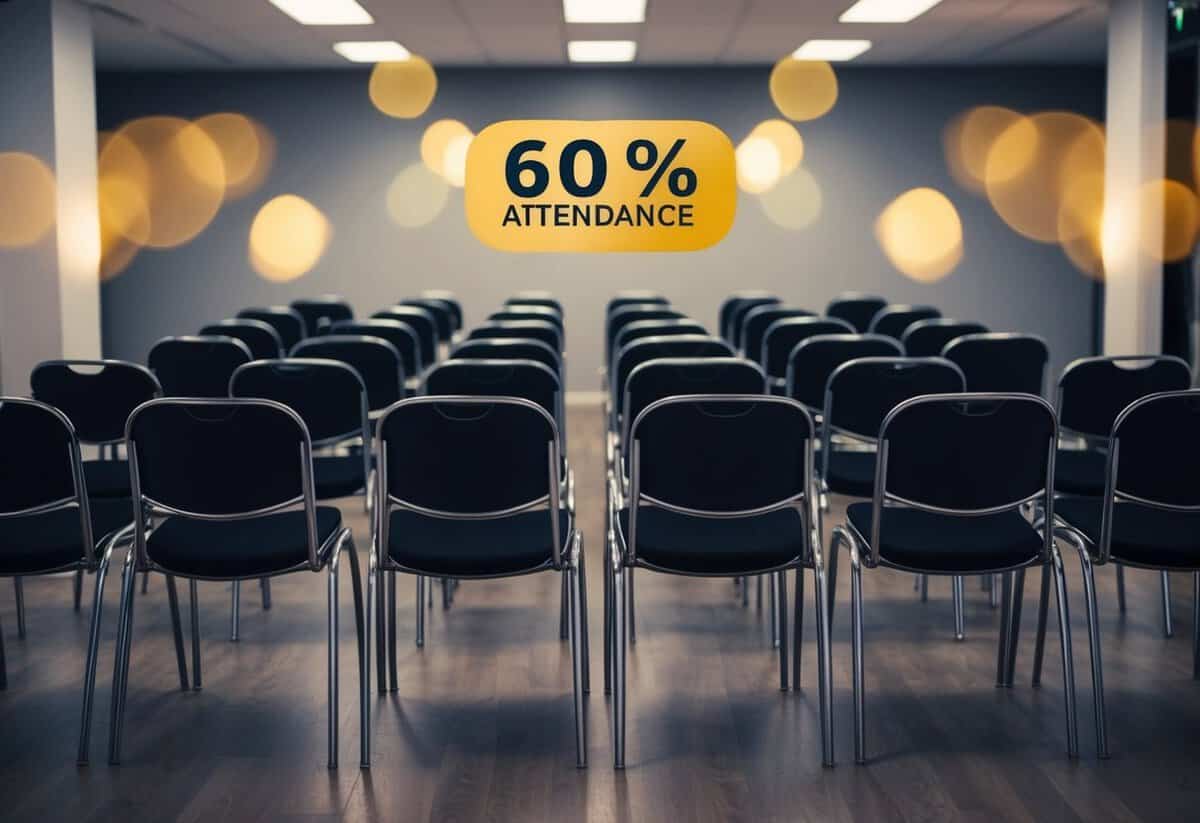
Factors like the day of the week, the theme of the party, and how well you know the guests can all impact attendance. For instance, if you’re inviting close friends, you might see a higher turnout compared to a casual gathering. Understanding these dynamics can help you gauge how many people to invite.
This information is essential when you’re trying to create the perfect atmosphere for your gathering. The right guest count can make all the difference in how much fun everyone has, so let’s dive deeper into what influences those all-important RSVP numbers.
Understanding RSVP and Guest List Dynamics

Managing your guest list and keeping track of RSVPs is vital for any successful party. Understanding how these elements work together can help ensure that your event runs smoothly and that you have an accurate estimate of attendees.
The Role of RSVP in Event Planning
RSVPs are crucial for understanding how many guests plan to attend your party. When you send out invitations, including RSVP cards can make it easy for guests to respond. This response helps you estimate your attendance accurately.
Most people tend to respond positively, and you might expect around 75-85% of invited guests to show up. If you invite 100 people, you can reasonably expect 75 to 85 RSVPs. This percentage can vary based on factors like the event type and guest location.
Having a clear RSVP system allows you to follow up with non-responders. This proactive approach can result in better attendance confirmation.
Managing the Guest List Effectively
Guest list management is essential for event planning. Keeping track of who is invited, who has RSVP’d, and who hasn’t can be a challenge. Using a spreadsheet or an event management tool can simplify this process.
You can create columns for guest names, RSVP status, and any dietary preferences. This information helps in planning seating arrangements, catering, and other logistics.
Consider sending reminders as the event date approaches. A friendly nudge can encourage those who haven’t yet responded.
Determining the Percentage of Attendees

Estimating the percentage of invited guests who will attend your party can help you plan better. Knowing how many people might show up allows you to arrange for catering and other essentials effectively.
How to Estimate Attendance
One simple method to estimate attendance is to consider your guest list. On average, about 70-80% of those invited will reply to your invitation. For instance, if you invite 100 people, expect around 70 to 80 guests to confirm their attendance.
Another strategy is to ask friends or family how many they plan to bring. Keeping track of who responds can also provide a clearer picture. Remember to send reminders as the date approaches. These can help boost your final count, ensuring you have enough food and drinks.
Variables Affecting Guest Count
Several factors influence how many guests actually attend.
Type of Event: Formal events like weddings usually have higher attendance rates, around 75-85%. Casual parties may see lower numbers.
Location Matters: If your event is a destination wedding, you might see an attendance rate of up to 83%.
Timing: Consider holidays or weekends, which can impact availability. Each factor helps you gauge your final guest count better, making it easier to manage catering and seating arrangements. Adjust for these variables to improve your estimates.
Event Types and Their Impact on Attendance
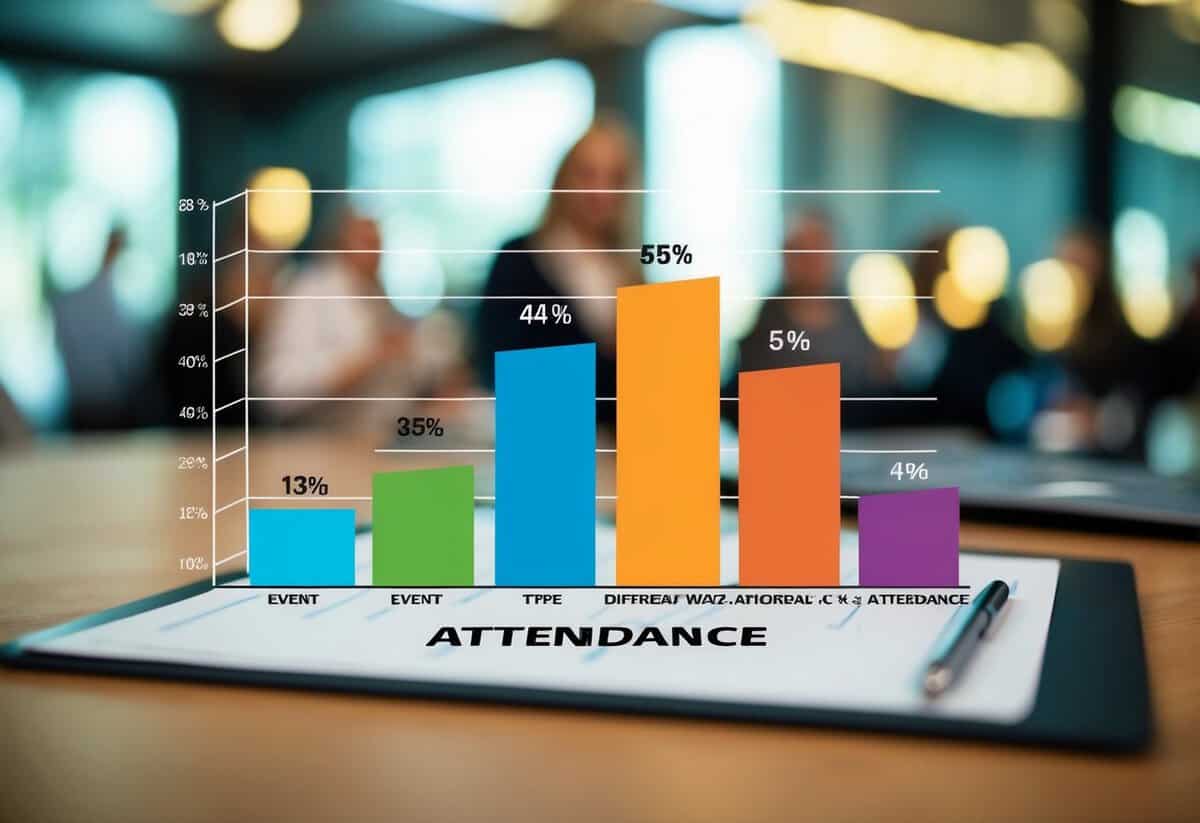
Different types of events can significantly influence how many guests show up. Factors like the event’s nature, location, and the guests’ relationship to the hosts can all play a role. Understanding these elements helps you plan better for attendance.
Weddings: Local and Destination
When planning a wedding, consider the difference between local and destination weddings. Local weddings tend to attract a higher percentage of guests, often around 60-75%. This is mainly because friends and family are usually nearby and more willing to attend.
Destination weddings bring in a mix of excitement but may also limit attendance. The average attendance for these events might soar to about 83%. However, you should keep in mind that travel costs could discourage some guests from attending. You may want to invite about 10% more people to account for potential declines.
Birthday Parties and House Gatherings
Birthday parties often see varied attendance based on the setting. A house party, which feels cozy and casual, can encourage closer friends and family to join. You might expect around 75% of invited local guests to show up.
For larger birthday gatherings, like at a venue, the numbers can fluctuate. Here, you might get closer to an average of 60% attendance. Consider inviting more guests if you want to fill the space, as out-of-town guests might not make the trip due to distance.
Corporate and Large Scale Events
Corporate events generally draw a wide range of attendance rates, often depending on the industry and purpose. If it’s an important company milestone or networking event, you might see attendance rates around 70-80%.
Large scale events can differ based on how well they are promoted and their relevance to attendees. Engaging content and enthusiastic invitations can boost turnout. Make sure to have a plan to follow up with invited guests, encouraging them to attend, as this can significantly impact overall numbers.
Essentials of Event Catering and Venue Selection
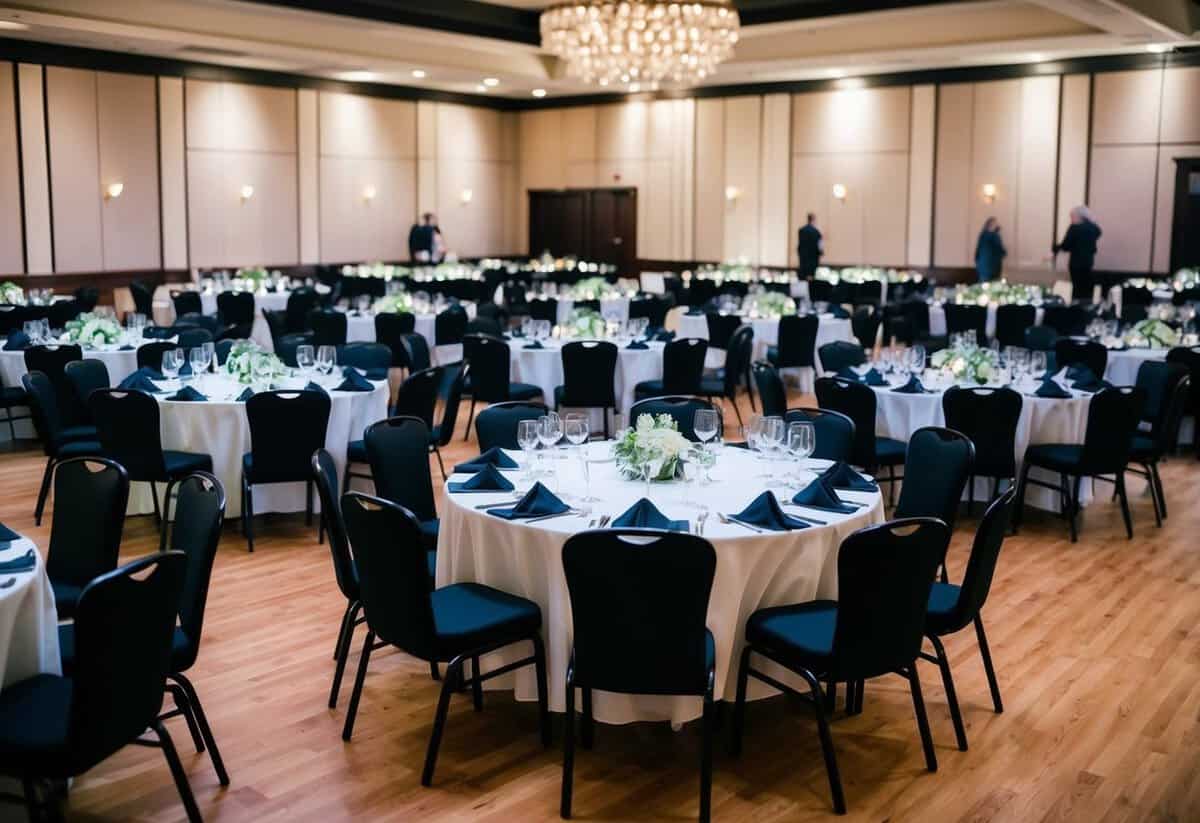
Selecting the right event space and planning your catering are crucial for a successful party. Your choices will impact not only the atmosphere but also your guests’ experience. Here are the key factors to consider.
Choosing the Right Event Space
When selecting an event space, think about the number of guests you’ll invite. The Nolimits Event Center, for example, can accommodate various guest counts. Make sure the size aligns with the number of attendees to avoid overcrowding or emptiness.
Consider the location, accessibility, and parking options. Is it easy for your guests to reach? These factors can affect attendance, especially for out-of-town guests.
Also, check the venue’s ambiance. A warm and inviting atmosphere can make your event feel special. Compare venue costs—average wedding costs can vary widely. It’s essential to include venue rental fees as part of your total budget.
Planning Catering and Appetizers
Catering is a major part of any event. Think about what type of food will suit your guests. Hot and cold appetizers are usually a hit. Consider including options for different dietary preferences, like vegetarian or gluten-free.
You can work with your caterer to create a menu that fits your budget. Wedding costs can add up, so aim for balance. Look for caterers that offer packages or per-person pricing to simplify budgeting.
Don’t forget to think about the guest categories. For example, close family might appreciate a more personal touch in menu choices. Meanwhile, for a large group, varied selections can cater to everyone’s tastes.
Creating a wedding website can help communicate your menu choices to guests ahead of time. This allows them to know what to expect and can help with planning.