
What Percentage of Invited Guests Attend a Wedding? Understanding Wedding Attendance Trends
When planning your wedding, one big question is about how many of your invited guests will actually show up. To help with your planning, you can expect around 75-85 percent of those invited to attend your wedding. This percentage can vary based on several factors, including how well you know your guests and the wedding’s location.

Sending out RSVPs early can help in getting a better idea of attendance rates. Guests appreciate having ample time to arrange their schedules, and this usually leads to a higher confirmation rate.
Remember, understanding these attendance trends can make your wedding planning smoother and help you create the perfect day for you and your loved ones.
Understanding RSVPs and Attendance Rates
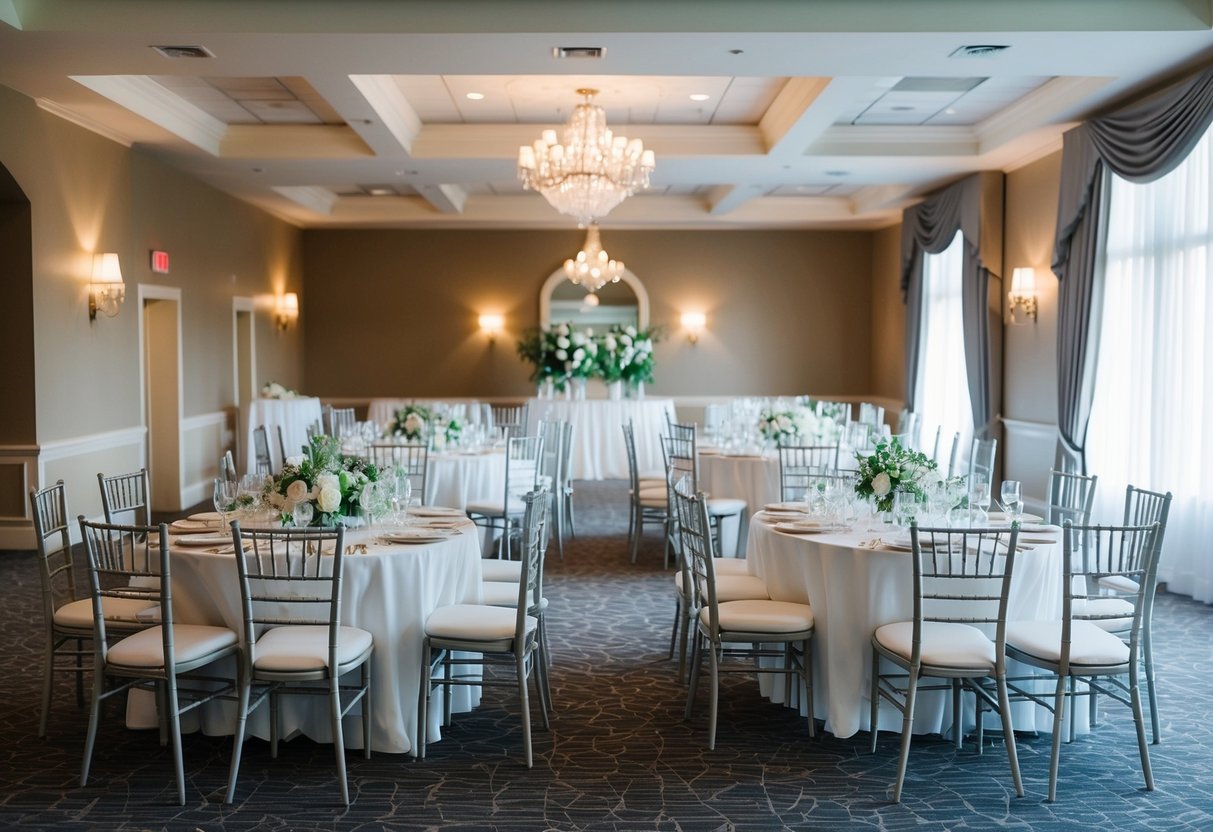
RSVPs play a crucial role in estimating attendance for your wedding. Understanding how they work, along with various guest-influencing factors, can help you plan better and anticipate your final guest count.
The Role of RSVPs in Predicting Attendance
RSVPs are key to knowing who will come to your wedding. When you send out invitations, include RSVP cards to make it easy for guests. This helps you get a clearer picture of your expected attendance.
The typical range is that about 75-85% of those invited will attend. Personal relationships can affect this number. Local guests are more likely to RSVP yes compared to out-of-town guests. Plus-ones can also influence decisions, as they may bring a partner along, increasing your guest count.
Make sure to send save-the-dates well in advance. This gives guests time to adjust their plans and increases the chances of a timely RSVP!
Factors Influencing Guest Attendance Rates
Several factors can affect how many guests actually show up. First, the location of your wedding plays a big role. Guests traveling from afar may have difficulty attending.
Timing is another important factor. Weddings during busy seasons, like summer, may see different attendance rates compared to off-peak times. Consider factors like holidays or major events in your area.
Guests’ personal circumstances, such as work commitments or family obligations, will also impact their decision. Knowing these influences can help you manage expectations for your guest count.
Breaking Down the Guest List

When planning your wedding, you want to understand how many guests will likely attend. Different factors affect attendance, like if guests are local or traveling, the wedding’s location, and the size of the event. Each plays a significant role in determining your final guest count.
Local Guests Vs. Out-of-Town Guests
Local guests typically have a higher attendance rate. About 85% of local guests attend because they do not need to travel far. This can include family, friends, or coworkers who are familiar with the area.
Out-of-town guests may have different commitments, which can affect their attendance. If you’re planning a destination wedding, expect varied outcomes. Only 60-70% of these guests might attend since travel and accommodation add extra costs.
The Impact of Wedding Location on Attendance
The location of your wedding can significantly influence how many guests will show up. For instance, a wedding in a popular tourist destination might attract more guests because it doubles as a vacation.
On the other hand, a wedding in a less convenient location may lead to lower attendance. It’s essential to communicate travel details clearly. The more comfortable and informed guests feel about the location, the more likely they are to attend.
Calculating Guest Count for Different Wedding Sizes
Your guest list size will also impact attendance. For small weddings, you might see around 75-85% of invitees show up. If you invite 50 people, expect about 37-43 guests.
For larger weddings, attendance can still hover around 75-85%, depending on the type of event. For a big wedding of 150 invitees, anticipate 112-128 guests attending. Intimate weddings often have more reliable numbers as guests feel more connected.
Practical Insights for Wedding Invitations

Planning your wedding invitations is an important part of your big day. Knowing how many guests to invite, designing your invitations, and managing the guest list can help make things smoother.
Deciding How Many Guests to Invite
Start by making a rough estimate of the average number of wedding guests you want. A good rule of thumb is that most weddings have between 50 to 200 attendees. Consider your venue size, as it will influence your guest list size.
Think about important people in your life, including family, friends, and work colleagues. You might make two lists: one for must-invite guests and another for optional guests. This can help you prioritize who is most important to you.
Designing the Save-the-Dates and Invitations
Save-the-dates are a wonderful way to inform guests about your wedding date. Send them out at least 6 to 8 months before the event. This gives guests time to plan.
When designing your invitations, choose a style that reflects your wedding theme. Include important details like the date, time, venue, and RSVP instructions. You might want to create a unique design or use templates to save time.
Make sure to include an RSVP option, like a card or online link. This allows guests to confirm their attendance easily. Sending a clear invitation will set the tone for your wedding.
Managing the Guest List and RSVP Follow-Ups
Once you send out invitations, keep track of the responses. You can create a simple table to track who has RSVP’d. This will help you manage your final guest count.
If some guests do not respond by the RSVP deadline, a friendly follow-up is good practice. A quick text or call makes it easy to check if they plan to attend. Keeping your communication open can encourage a better response rate.
By managing your guest list and RSVPs effectively, you can make catering and seating arrangements easier, ensuring a more enjoyable experience for everyone involved.