
What Percentage of Out of Town Guests Come to a Wedding? Insights for Wedding Planning
Planning a wedding can be exciting yet challenging, especially when you’re figuring out how many guests will actually attend. If you have out-of-town guests on your list, it’s helpful to know what to expect regarding their attendance. About 55 percent of out-of-town guests typically come to a wedding. This figure can be influenced by various factors, including travel costs and personal commitments.

Understanding the attendance rates of out-of-town guests can help you plan better. You might also want to consider how many local guests will join the celebration, as they usually have a higher attendance rate. By knowing these percentages, you can make informed decisions about your guest list and seating arrangements.
When you keep these numbers in mind, it can ease some of the stress of wedding planning. You want to create a special day that all your loved ones can enjoy together, and knowing your audience can help you achieve just that.
Understanding Wedding Guest Dynamics

When planning your wedding, understanding how many guests will attend is crucial. The dynamics of wedding guests can vary greatly between local and out-of-town attendees. Knowing these differences helps you create a more accurate guest list.
Determining the Guest List Size
Your guest list size is one of the first steps in planning your wedding. The average wedding guest list size can range widely, but many couples aim for around 100 to 150 guests. This helps set expectations for the venue, catering, and overall budget.
Consider the mix of local guests and out-of-town guests. Local guests are more likely to attend since they don’t have to travel far. Aim for an initial guest list and adjust based on attendance rates you might expect. Keep in mind that local guests generally have an attendance rate of about 85%, while out-of-town guests may only attend about 55%.
Comparing Local and Out-of-Town Guest Ratios
The ratio of local to out-of-town guests can greatly affect attendance rates. When planning, think about the distance and travel requirements involved for your out-of-town guests. Those who have to travel long distances may hesitate to attend, especially if it requires significant costs or time off work.
Destination weddings also tend to have lower attendance rates. For these weddings, the attendance rate for out-of-town guests can drop to about 35%. Therefore, consider your wedding location carefully. Estimate how many of your average number of wedding guests will be local. This insight can help fine-tune your expectations regarding potential attendance.
Logistics of Out-of-Town Wedding Attendance
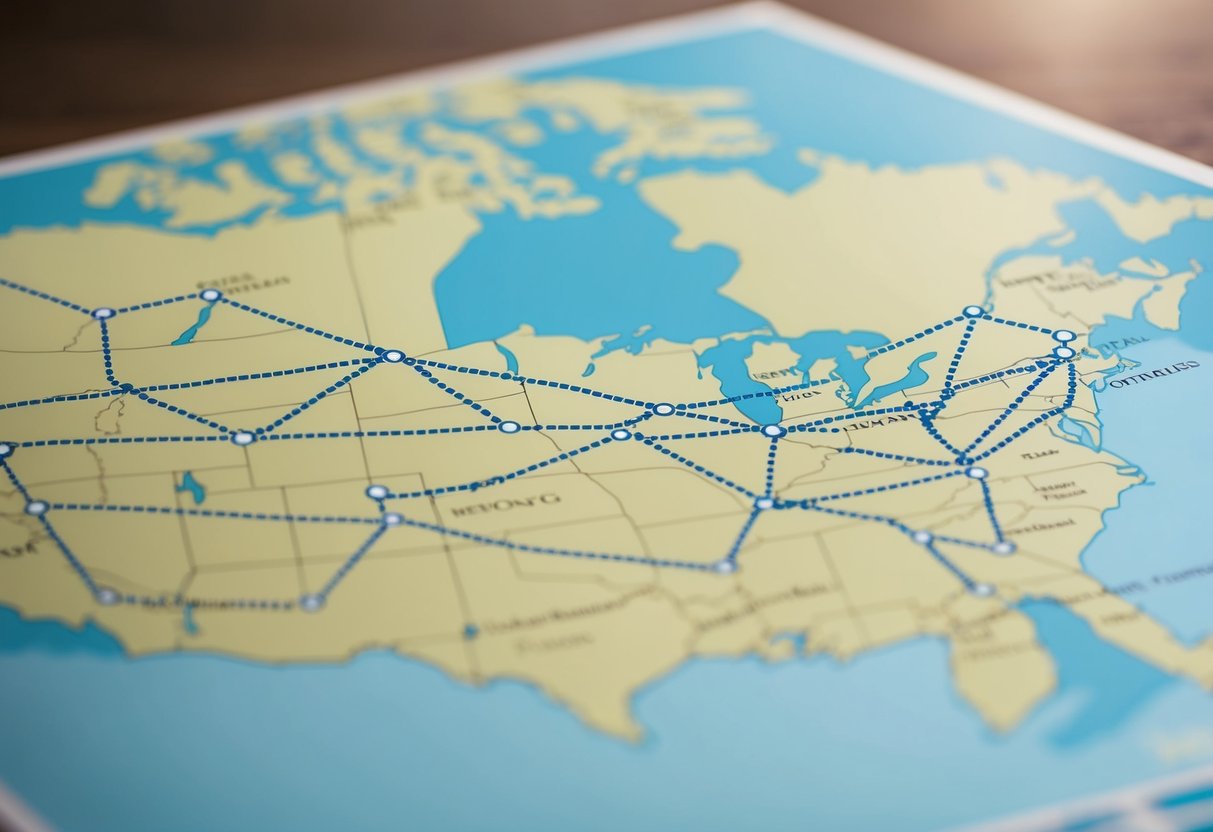
Planning for out-of-town guests involves understanding how to increase attendance and make travel easier for them. You’ll want to focus on RSVP rates, the impact of destination weddings, and how to accommodate travel.
RSVP and Attendance Rates
Getting a clear idea of how many guests will attend is crucial. For out-of-town wedding guests, attendance rates typically hover around 55%. This means if you invite 100 out-of-town guests, about 55 are likely to show up.
Sending save-the-dates can help increase the likelihood of attendance. These should go out well in advance, as they give your guests ample time to plan. Encouraging timely RSVPs is also essential. Consider using online RSVP tools to simplify the tracking process.
Impact of Destination Weddings
Destination weddings can significantly affect attendance rates. Local guests usually have a higher attendance rate of about 85%, while out-of-town guests may only attend at a 55% rate. For destination weddings, the numbers drop even further, with only 35% of destination wedding guests typically attending.
The appeal of the location may entice some to make the trip, especially if it’s a popular travel site. However, costs and travel logistics can limit attendance, so consider these factors when choosing your wedding venue.
Accommodating Travel for Out-of-Town Guests
Making travel easier for out-of-town guests can boost attendance. Start by providing a list of nearby hotels that offer group discounts. Share information on transportation options, like shuttle services from the airport.
Consider creating a wedding website that includes essential details like travel tips, local attractions, and a map of the area. This way, your guests feel more informed and welcomed. You might even want to organize group activities for those arriving early. It’s a great way to make your guests feel special and included in the celebration.
Etiquette and Considerations for Inviting Guests

When inviting guests, especially those from out of town, it’s essential to consider how to manage their responses and prepare for possible no-shows. This section focuses on two important aspects: handling plus-ones and the RSVP process, as well as anticipating guest attendance.
Managing Plus-Ones and RSVP Responses
When sending out wedding invitations, be clear on your policy regarding plus-ones. Decide if you want all guests to bring a partner or if it’s limited to certain people. This will help you manage your guest list expectations better.
Include RSVP cards with your invitations. This way, guests can easily reply. A simple “Please respond by [date]” helps ensure you get responses on time. Knowing who is attending helps you plan seating and catering better.
Don’t forget to personalize messages when inviting close friends and family. A friendly note can encourage them to attend and make them feel special.
Anticipating and Planning for No-Shows
Wedding planning involves dealing with no-shows, which can be tricky. On average, about 55% of out-of-town guests might show up. Preparing for this helps manage costs.
To account for potential no-shows, consider inviting a few extra guests. This way, if some can’t make it, you still have a lively celebration.
Also, keep in touch with those traveling from out of town. A reminder closer to the date can encourage them to attend.
Plan your seating and catering with some buffer. If you expect 100 guests, prepare enough for 85. This way, you’ll have food and seating for everyone, plus room for any surprise guests.