
What Percentage of Second Marriages End in Divorce UK? Insights and Statistics
Entering into a second marriage can feel like a fresh start, but the reality is that many couples face challenges. In the UK, over 60% of second marriages end in divorce. This statistic might be surprising, especially when you consider the hope and excitement that often come with remarriage.

Understanding why second marriages have higher divorce rates can help you navigate your own relationship. Factors like past experiences, blended families, and different expectations can play a significant role in the success of a second marriage. By exploring these issues, you can gain valuable insights that may help strengthen your partnership.
As you read on, you’ll discover more about the statistics surrounding second marriages and what you can do to increase your chances of a lasting connection. The journey may be challenging, but knowledge can empower you to make informed decisions for your future.
Understanding Divorce Rates
Divorce rates can give you a clear picture of how marriage dynamics have changed over the years. By looking at historical data and comparing first and second marriages, you can better understand the challenges couples face today.
Historical Perspective
In the UK, divorce rates have seen significant changes over the decades. For instance, the percentage of marriages ending in divorce rose sharply during the 20th century. In 1965, only about 10% of couples divorced after ten years. By 1995, this figure had jumped to 25%. Recently, data from 2021 showed that 41% of marriages now end in divorce.
This trend suggests that social norms surrounding marriage and divorce have changed. More people view divorce as a viable option. It’s essential to recognize that economic factors, increased independence, and shifts in societal attitudes play a role in these changing statistics.
Comparative Analysis of First and Second Marriages
When you look at divorce rates for first and second marriages, interesting patterns emerge. Research shows that about 60% of first marriages end in divorce before the 20th anniversary. In contrast, second marriages have a different story.
For second marriages, the divorce rate drops to about 31% after one year of marriage. This suggests that people who marry again may apply lessons learned from past experiences. While second marriages still face challenges, they can have a better chance at lasting, likely because couples may have a clearer understanding of their needs and expectations.
Factors Influencing Divorce in Second Marriages
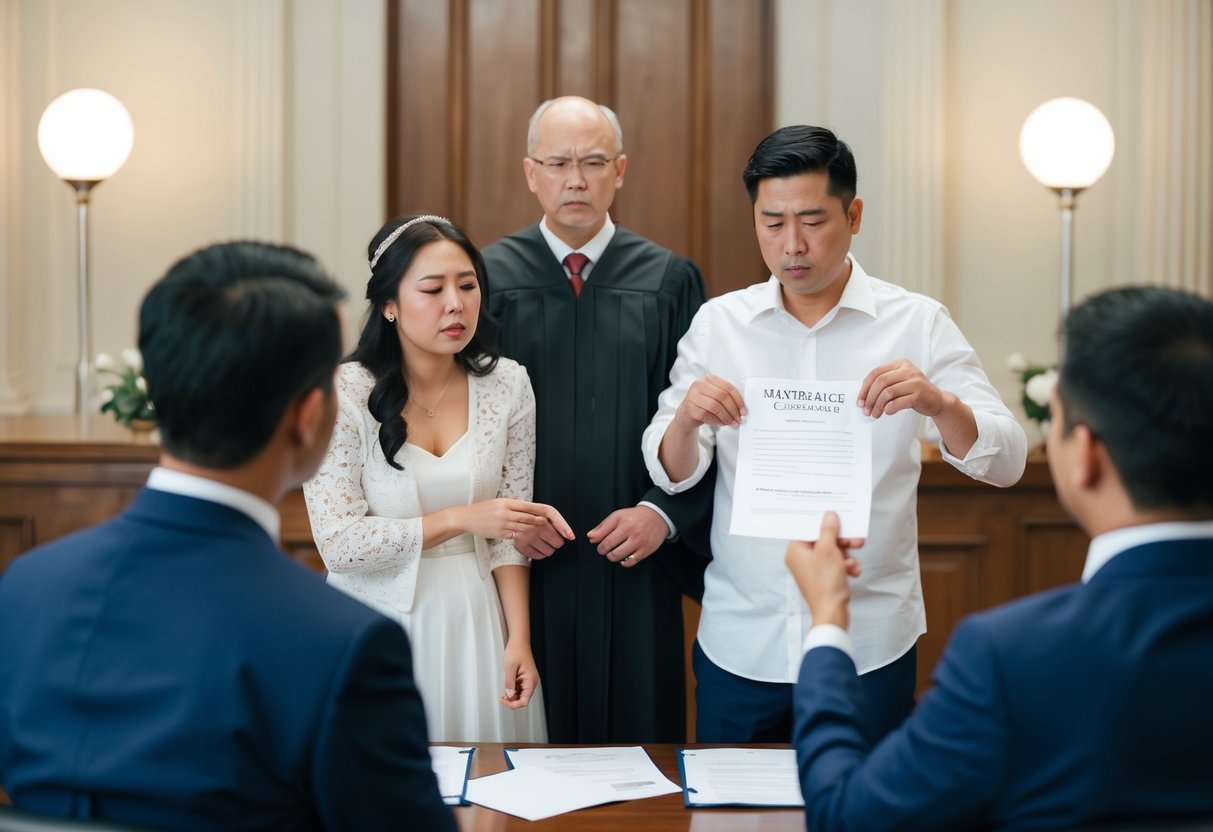
When considering second marriages, several important factors can play a significant role in the likelihood of divorce. Age, the duration of the marriage, and the presence of unreasonable behavior can all impact the success of your relationship. Understanding these influences can help you navigate your second marriage more effectively.
Age and Divorce Correlation
Your age at the time of your second marriage can greatly affect its success. Studies show that marrying at a younger age may lead to a higher risk of divorce. This is often due to a lack of life experience and maturity.
Conversely, getting married later in life might provide you with greater stability and emotional maturity. Older couples tend to have a clearer understanding of their needs and expectations. They may also have learned from past relationships, leading to more thoughtful decisions.
Duration of Marriage and Its Impact
The length of your second marriage can also influence its outcome. Research indicates that shorter marriages might have a higher chance of ending in divorce. This might be due to unresolved issues resurfacing from previous relationships.
On the other hand, those who stay married longer often develop stronger conflict-resolution skills. They can better handle life’s challenges together. The more time you invest in the relationship, the more likely you are to build a solid foundation.
Role of Unreasonable Behaviour
Unreasonable behavior can be a major factor affecting divorce in second marriages. This term often includes actions like emotional neglect, lack of communication, or even financial irresponsibility. Such behaviors can create stress and lead to feelings of disconnection.
In a second marriage, past experiences might also influence how you react to unreasonable behavior. Awareness of these patterns can be crucial. Addressing issues early can help prevent them from escalating. Prioritizing open communication about expectations can lead to a healthier relationship dynamic.
Legal Proceedings in Second Divorces

Navigating the legal process of a second divorce can feel overwhelming. It’s important to understand the specific steps involved, the differences between annulments and divorces, and the statistics that paint a clearer picture of opposite-sex divorces.
Divorce Process and Family Law
The divorce process can vary, but it typically starts with filing a divorce petition. In family law, you can cite various grounds for divorce, such as unreasonable behavior or separation. You must provide evidence supporting your claims.
Once the petition is filed, your spouse has an opportunity to respond. If both parties agree, the process can move quickly. If there are disputes, mediation may be required. Each party can also seek legal advice to ensure their rights are protected.
After all agreements are reached, a court will issue a decree absolute, finalizing the divorce. Remember, second divorces can have complexities, especially if children or financial disputes are involved.
Annulments Versus Divorce
An annulment is different from a divorce; it declares that the marriage was never valid. Common grounds for annulment include lack of consent, fraud, or if one spouse was underage.
While annulments can simplify your situation, they are subject to strict legal criteria. If annulled, you can remarry without the stigma of divorce. However, the process can still involve legal complexities.
In contrast, a divorce acknowledges that the marriage happened but ends it legally. Knowing the difference can help you choose the best path for your situation.
Statistics on Opposite-Sex Divorces
Statistics show that a significant number of second marriages end in divorce. For instance, around 15% of second marriages break down within the first three years. Furthermore, 1 in 4 second marriages may fail within five years.
In 2021, there were over 111,000 opposite-sex divorces in England and Wales. Most petitions were filed by women, highlighting common trends. Understanding these numbers helps you see the broader picture and navigate your own situation more effectively.
Support and Resources

When navigating the complexities of second marriages, having access to the right support and resources can make a significant difference. Here are two important options available to help you strengthen your relationship and find solutions to challenges you may face.
Marriage Foundation Support
The Marriage Foundation offers valuable resources specifically designed for couples in second marriages. They provide information, tools, and advice to help you build a strong relationship. This organization focuses on promoting healthy marriages and reducing the risk of divorce.
You can access articles, workshops, and seminars that cover various topics, such as communication and conflict resolution. The Marriage Foundation also has an online community where you can connect with others who understand your situation. Engaging with this support network can provide reassurance and practical tips to help your marriage thrive.
Counseling and Therapeutic Services
Couples in second marriages can benefit from counseling. Professional therapists help individuals and couples address unique challenges that come with remarriage. These services can provide a safe space for you to share your feelings and concerns.
Therapy can help you work through personal issues, improve communication, and strengthen your emotional connection. Many counselors offer tailored sessions to focus on your specific needs. Additionally, some organizations provide sliding scale fees, making it easier for you to afford support. Seeking therapy can help you build a healthier, happier marriage.