
What Percentage Should Catering Be for a Wedding? A Quick Guide for Budgeting
When planning your wedding, one of the biggest expenses you’ll face is catering. Typically, catering should take up about 20-30% of your overall wedding budget. This percentage can help you balance your costs while ensuring that your guests enjoy a delicious meal on your special day.
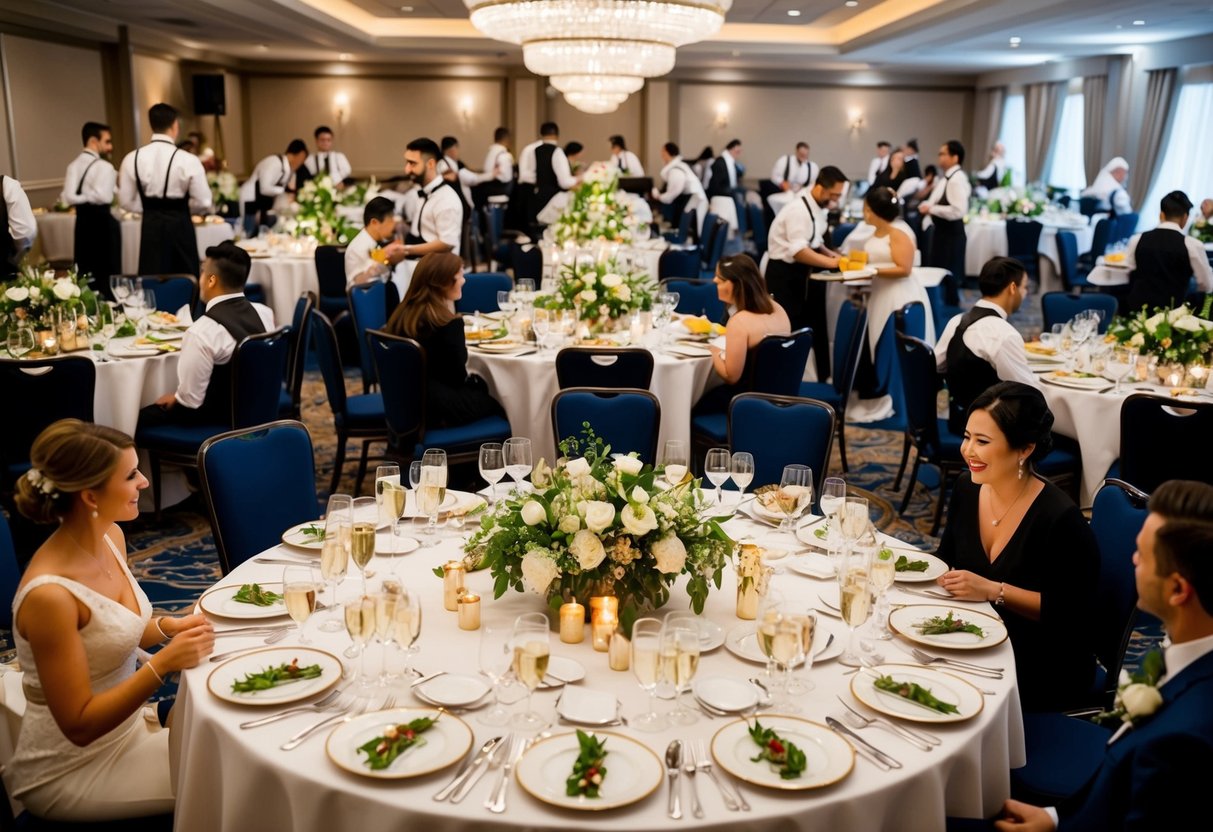
Being clear about your wedding budget is crucial for effective wedding planning. It allows you to allocate funds to each aspect of your wedding, including catering. By understanding where your catering costs fit into your overall budget, you can make informed decisions and avoid overspending.
As you break down the costs of your wedding, remember that food and drinks often play a crucial role in the guest experience. Keeping the catering percentage in check is essential for a smooth wedding cost breakdown. With the right planning, you can savor every moment without breaking the bank.
Understanding Your Wedding Budget
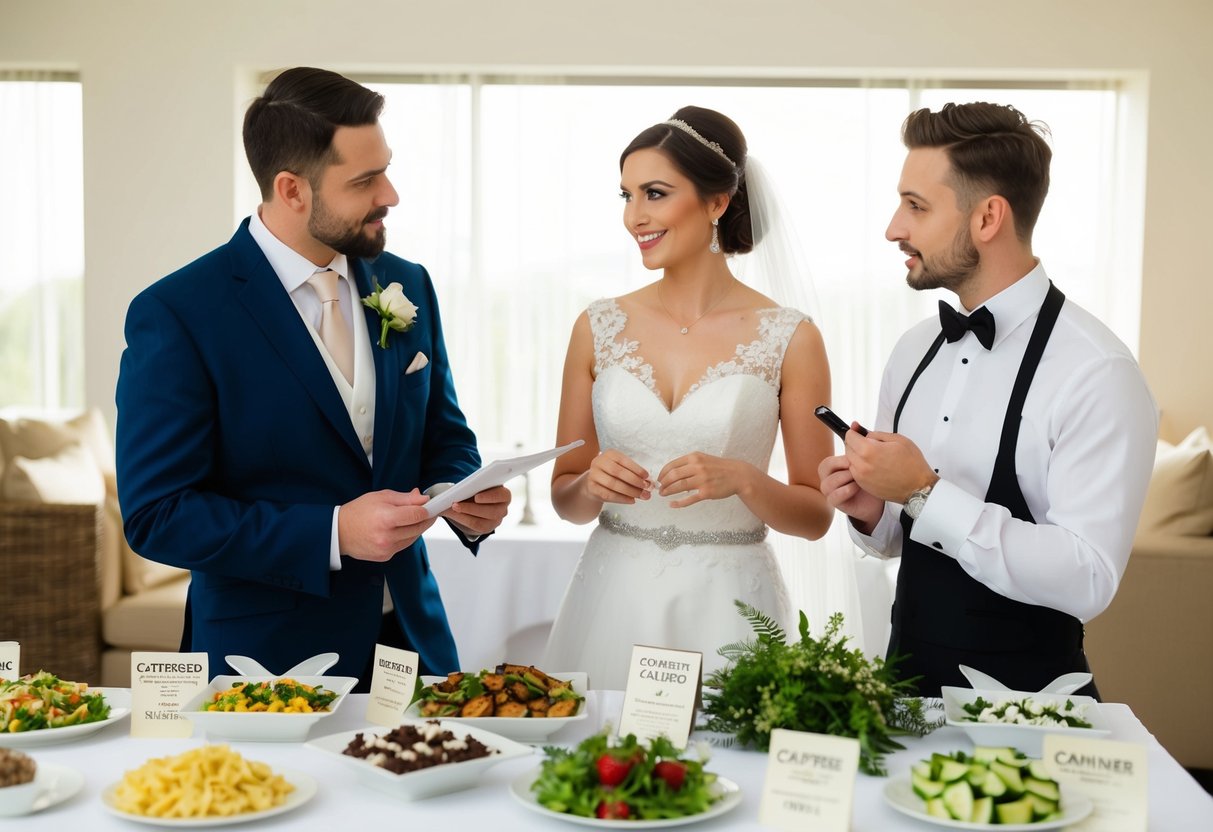
Managing your wedding budget can feel overwhelming, but breaking it down into clear parts will help. You need to know your total budget, how catering fits in, and the percentages for different expenses. This will make planning easier.
Determining the Total Wedding Budget
First, you need to decide on the total amount you want to spend. This could come from savings, family contributions, or even a wedding budget tool. Take a look at your finances and set a realistic limit.
List all potential sources of funding. This could include:
- Personal savings
- Family help
- Loans
Being clear about your budget will guide your decisions. Remember that unexpected costs can arise, so it’s smart to have a small cushion.
The Role of Catering in Your Overall Budget
Catering is a key part of your wedding day. It usually makes up about 20-30% of your total wedding budget. This percentage is crucial because guests remember the food.
When planning, consider what type of catering you want. Will it be a sit-down dinner, buffet, or cocktail-style? Each option affects the budget differently.
Don’t forget to include drinks, cake, and any late-night snacks. All of these contribute to your catering budget. Writing down these details will help you stick to your budget.
Wedding Budget Percentages for Various Expenses
Getting a good idea of how to allocate your budget across different expenses can be very helpful. Here’s a basic breakdown of where your money might go:
- Venue and Catering: 50%
- Photography/Videography: 10%
- Wedding Planning: 12%
- Attire (dress/tuxedo): 8%
- Flowers and Decorations: 5%
- Stationery (invites, save the dates): 5%
This breakdown can guide your spending and help you prioritize what matters most to you. Adjust these percentages based on your priorities and what’s most important for your wedding day. Knowing where your money is going will make your planning easier and less stressful.
Choosing the Right Catering Options
Selecting the right catering options for your wedding is crucial to creating a memorable experience. There are various food service styles and menu selections that can enhance your wedding reception.
Different Types of Food Service
When planning your catering, consider these popular food service options:
-
Plated Dinner: This style offers a formal dining experience with meals served to each guest. It’s elegant, allowing for controlled portions and presentation. You can choose up to three entrée options for guests to select.
-
Buffet: Buffets offer variety and let guests serve themselves. This option is great for mingling and can be tailored to different tastes.
-
Food Stations: Create an interactive dining experience with food stations. These can feature different cuisines or themes, encouraging guests to explore flavors.
-
Food Trucks: A fun twist, food trucks provide casual dining. They can serve specific types of cuisine and add a modern touch to your wedding.
-
Late-Night Snacks: Offering late-night snacks keeps the party going. Consider fun options like pizza, sliders, or dessert bars.
Menu Tasting and Selection
Menu tastings are an essential part of the catering process. Schedule tastings with your chosen caterer to sample dishes and finalize your menu.
During the tasting, take notes on what you love. Think about the variety, presentation, and even dietary restrictions among your guests.
You might choose signature dishes to personalize your wedding. Discuss the portion sizes with your caterer to ensure you have enough food for everyone.
The right catering options will make your wedding reception enjoyable and flavorful for all your guests.
Additional Catering Considerations
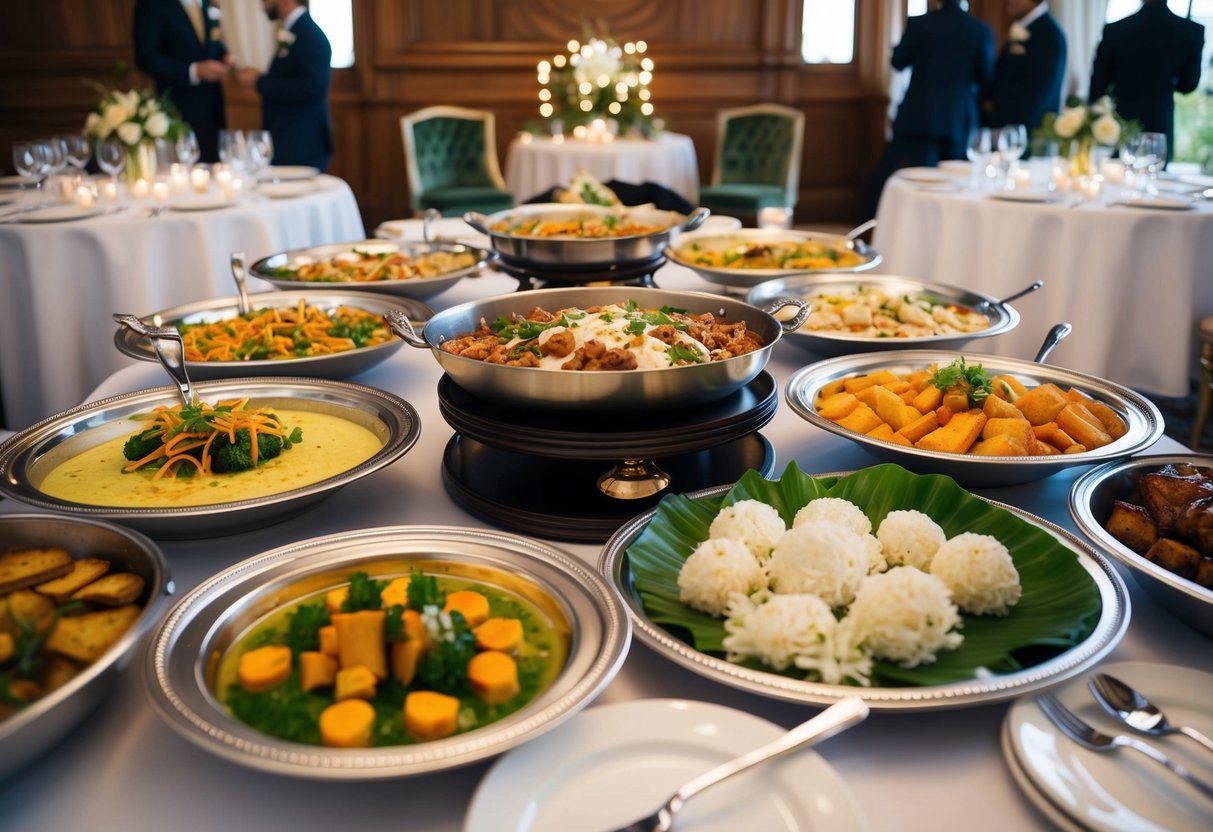
When planning your wedding, there are several important factors to keep in mind regarding catering. These factors can greatly affect your budget and the overall experience for your guests.
Venue and Catering Packages
Your venue often plays a crucial role in determining your catering options. Many venues offer in-house catering services or have preferred caterers. This can simplify the planning process for you.
It’s wise to review any catering packages the venue provides. These packages may include different meal types, beverage options, and even staff services. Understanding what is included can help you compare costs effectively.
Remember to ask about any restrictions on outside caterers if you’re considering that route. Some venues may charge additional fees or have strict rules in place.
Estimating Guest Count and Catering Costs
Estimating your guest count is one of the most important steps in planning catering for your wedding. A general guideline is to expect that about 80-90% of your invitees will attend.
For example, if you invite 200 guests, plan for about 160 to 180 people. This will help you avoid over-ordering food, which can inflate your catering costs.
Most wedding caterers charge per person. The average wedding catering cost can range anywhere from $40 to $100 per guest, depending on the style of service and menu choices. This means you will need to carefully calculate your total budget to ensure you don’t go over.
Wedding Catering Vs. DIY Options
Considering a DIY catering option can be tempting, especially if you’re on a tight budget. However, keep in mind the time, effort, and potential stress involved in preparing food for a large group.
If you choose to go the DIY route, plan a simple menu that can be prepared ahead of time. Think about easy-to-serve options like finger foods and snacks.
You may also want to hire a few servers to help during the event. This can keep things running smoothly, allowing you to enjoy your special day without worrying about the food service.
Weigh the pros and cons of professional catering versus DIY to find what works best for you.
Finalizing Your Wedding Catering Details
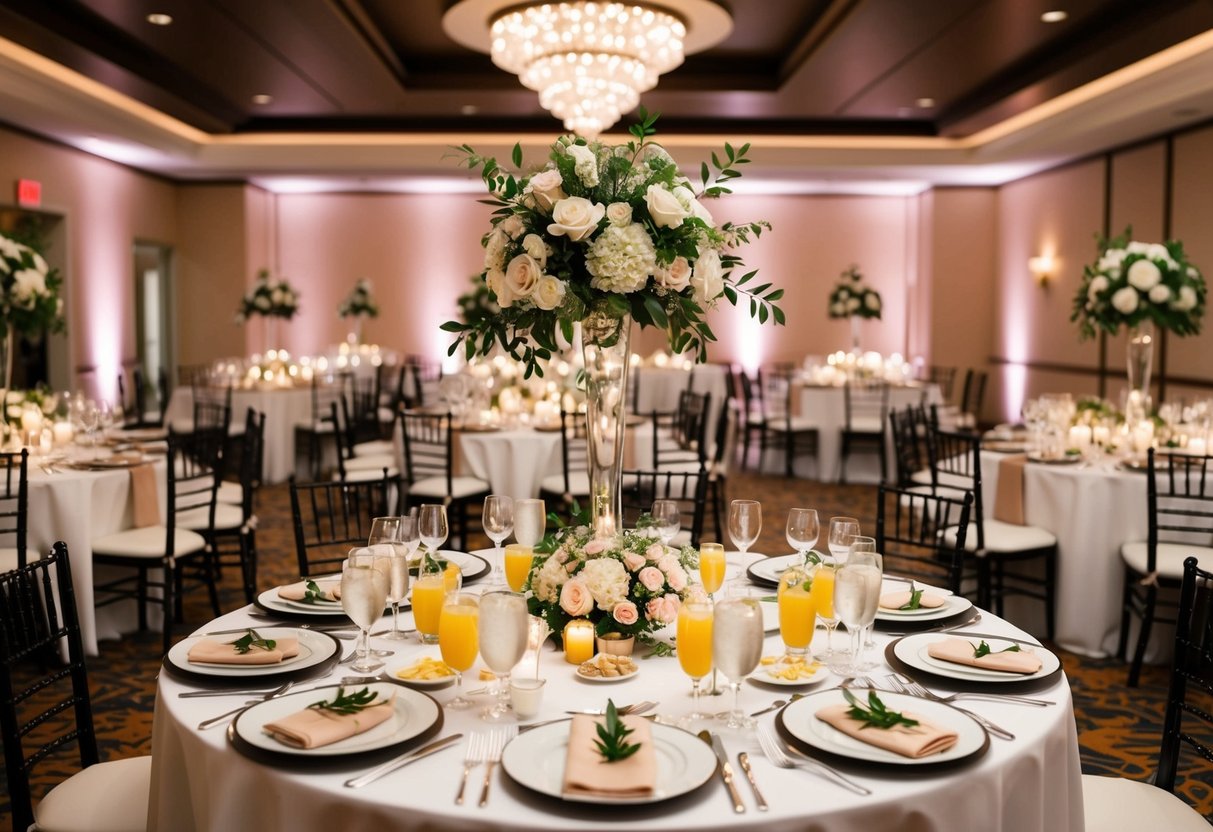
As you prepare for your wedding, solidifying your catering arrangements is crucial. This involves budgeting appropriately and effectively coordinating with your wedding planner and other vendors to ensure everything runs smoothly.
Finalizing Your Catering Budget
Deciding on a catering budget is one of the first steps to take. Food and beverages will usually account for 20-30% of your total wedding expenses. Knowing your limits helps you prioritize your must-haves.
Begin by considering all catering options. Do you prefer a buffet style, plated dinner, or family-style meal? Each option carries different costs. Compare quotes from various caterers to find one that matches your budget while delivering quality food.
Don’t forget to include beverages in your budget. Depending on your needs, you may choose to serve alcohol or stick with non-alcoholic options. Beberages can significantly impact your costs, so plan ahead.
Coordinating with Your Wedding Planner and Vendors
Your wedding planner is an invaluable resource during this process. They can provide guidance on choosing the right caterer and ensuring your catering aligns with your overall vision.
When selecting vendors, ask about their past experiences with your chosen caterer. This helps gauge compatibility and ensures a smoother workflow.
Schedule meetings with your caterer and planner together to discuss logistics, food choices, and timing.
Also, communicate your must-haves clearly. Whether it’s a specific dish, dietary restrictions, or serving style, being upfront will help avoid surprises later.
Your planner can assist in crafting a timeline for food service, ensuring your guests are happy and satisfied throughout the event.