
What Position Should a Couple Be in During a Wedding? Finding the Perfect Stance for Your Big Day
When you and your partner take a position during the ceremony, it reflects your unique bond. Knowing where to stand can help create a meaningful experience for both of you and your guests.
Traditionally, in most weddings, the bride stands to the left of the groom. This custom goes back centuries and often comes with rich symbolism, adding to the charm of your ceremony.
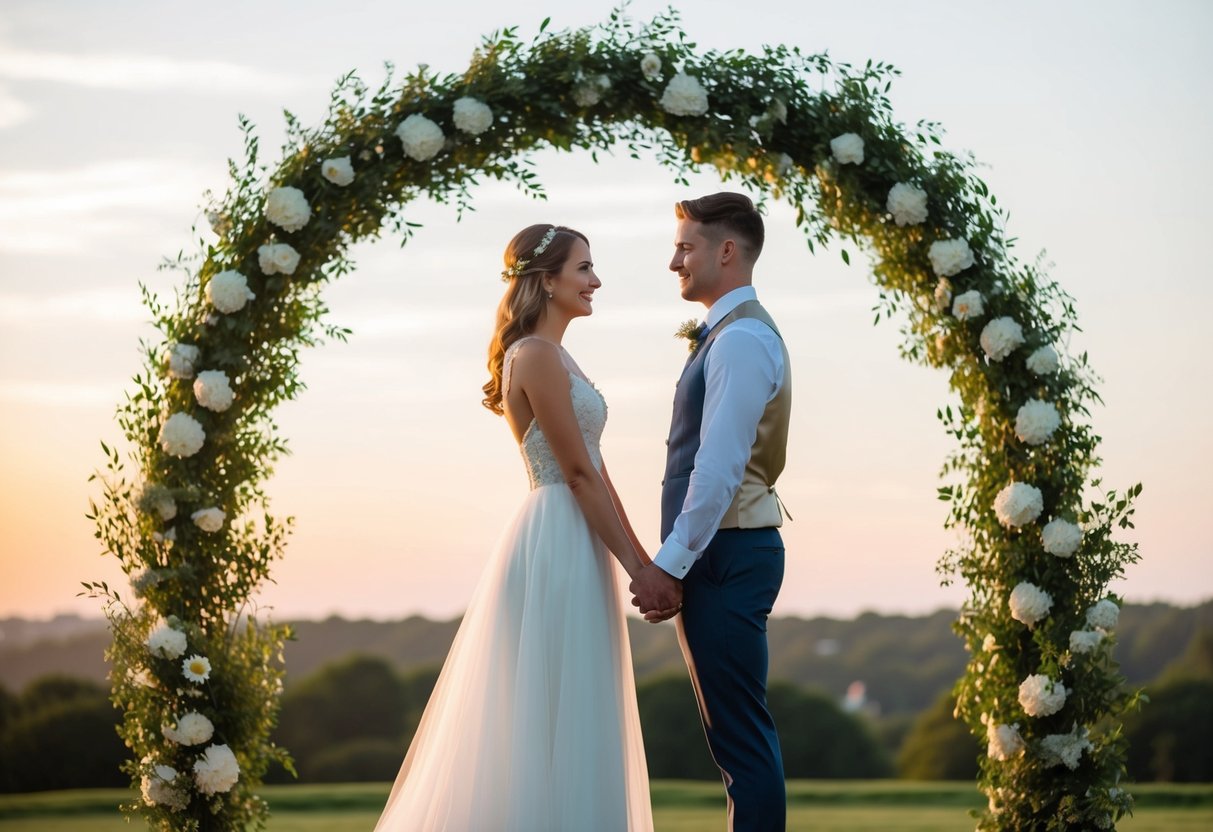
While traditions are important, personal preferences play a huge role in how you choose to position yourselves. It’s a special moment that allows your love to shine and your connection to be front and center. This positioning can symbolize your partnership and commitment as you exchange vows and celebrate with those you love.
Understanding the significance behind where you stand can help you capture the essence of the occasion. Whether you keep with tradition or make your own choices, the key is to ensure that your positions reflect the love and unity you share.
Understanding Wedding Ceremonies
Wedding ceremonies are rich with meaning and history. They reflect the couple’s values and the traditions of their culture. Different customs and practices shape how couples celebrate their union.
Origins and Significance
The roots of wedding ceremonies go back to ancient times. They were often linked to important social, religious, or legal agreements. For example, marriage by capture was a practice where one partner would take the other, symbolizing a union.
As time passed, more structured ceremonies emerged. These included traditional elements that signify love and commitment. Among Christian weddings, the positioning of the couple often reflects deep religious symbolism. You may find that in many cultures, standing in specific places mirrors their unique values.
Cultural and Religious Practices
Different cultures celebrate weddings in distinct ways. In Jewish weddings, the couple traditionally stands under a chuppah, symbolizing the home they will build together. Hindu weddings often involve several rituals over days, celebrating union with family and community.
LGBTQ+ wedding ceremonies embrace a wide variety of expressions, celebrating love beyond traditional norms. Each ceremony can incorporate meaningful cultural traditions. For instance, some couples may choose to blend modern practices with ancient codes of chivalry, honoring the past while celebrating their personal journey.
Key Roles and Positions
In a wedding ceremony, the arrangement of key roles and positions is crucial for a smooth and meaningful experience. Understanding where each person stands helps set the tone for the day. Here’s a closer look at how the bridal party lines up and the significance of the altar.
Bridal Party Arrangements
During the ceremony, the bridal party’s positions are essential. Typically, you will see the bride on one side, often with the bridesmaids nearby. The groom stands opposite, flanked by the groomsmen.
The maid of honor stands closest to the bride, ready to offer support. The best man takes the same position for the groom. You might also have flower girls and a ring bearer at the front. Flower girls usually walk down the aisle before the bride, scattering petals, while the ring bearer carries the rings on a pillow, symbolizing commitment.
This arrangement not only highlights the importance of these roles but also creates a visually balanced scene as you exchange vows.
Significance of the Altar
The altar is a central focus during the ceremony. It often represents the spiritual connection of the couple. You stand before it to make your vows, marking a significant moment in your lives.
The officiant usually stands at the altar alongside you and your partner. This person guides the ceremony, ensuring your vows are exchanged properly. It is also common for the wedding party to face the guests, adding a sense of intimacy.
As you stand at the altar, you create a bond that is deeply meaningful. The arrangement of everyone around you enhances this moment, highlighting the love and support from family and friends.
Ceremony Procedures and Positioning
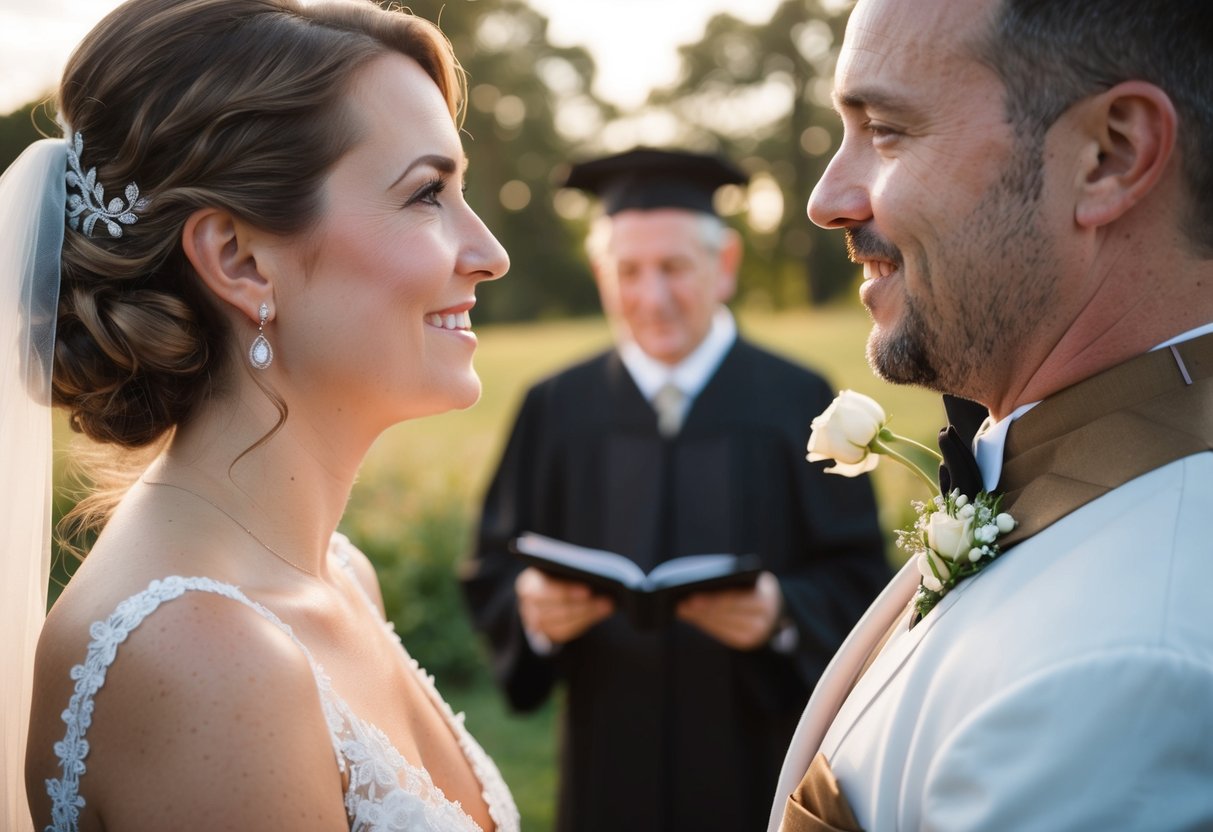
Understanding the specific procedures and positioning during your wedding ceremony is crucial. It affects the flow of the event and how you connect with your partner and guests.
Processional and Recessional
The processional marks the start of your ceremony. Traditionally, in a Christian wedding, the groom stands at the front, while the bride enters last, usually on the arm of her father or another significant person.
In contrast, many couples today opt for a more personalized approach. You could walk together with your partner or have a close friend escort you.
After the vows, the recessional follows. This is when you exit. The order typically starts with the officiant, followed by the wedding party, and finally, you and your partner. This exit can be lively, often accompanied by cheers and music.
Vows and Ring Exchange
During the ceremony, the vows are a key moment. You will face each other, usually holding hands, as you express your promises. Speaking directly to each other enhances intimacy.
Next comes the ring exchange. Traditionally, the officiant will guide you through this. The rings symbolize your commitment and love.
You may choose to keep your vows and ring exchange simple or elaborate, depending on your style. In many weddings, this portion of the ceremony is when you share your unique stories or sentiments, adding a personal touch.
Whether incorporating traditional or modern elements, positioning and procedures help create a memorable experience for you and your guests.
Personalizing the Wedding Experience
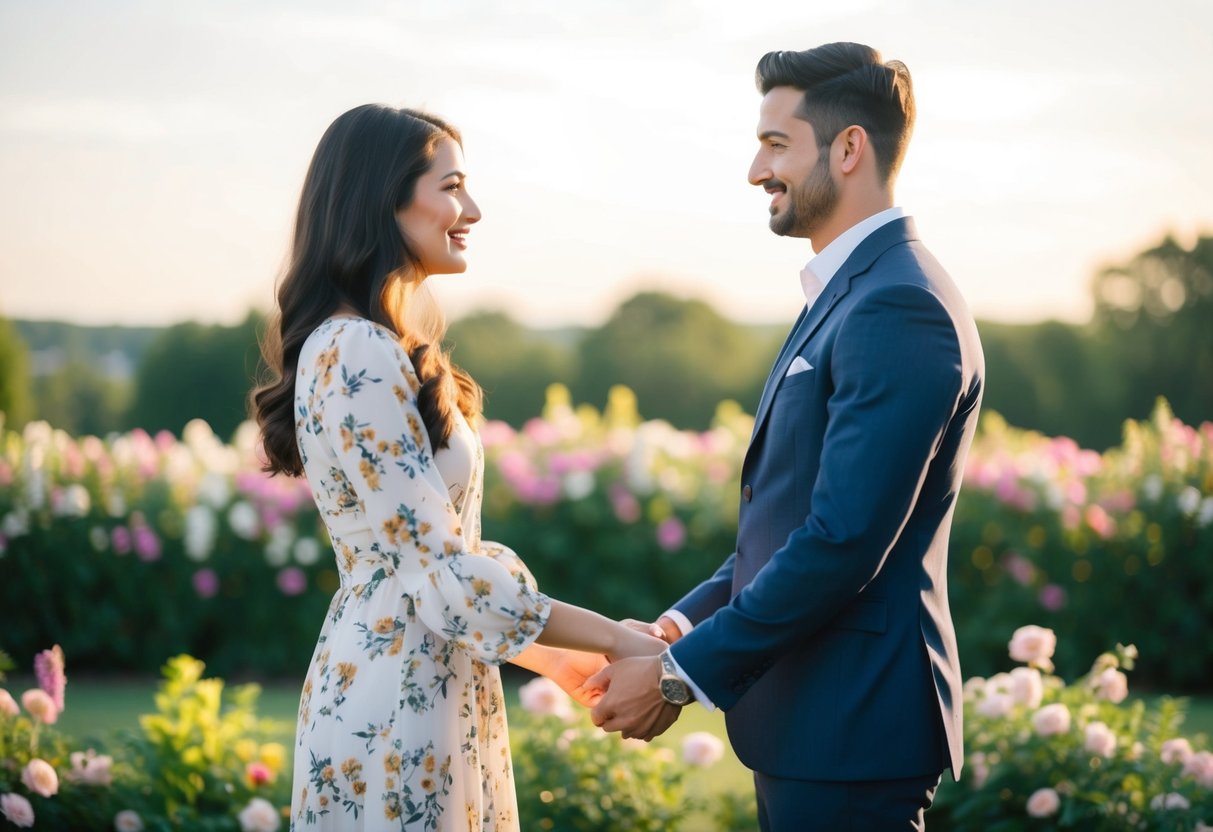
Personalizing your wedding experience allows you to reflect your unique love story. From seating arrangements to choosing between traditional and modern practices, every detail counts for a memorable day.
Choosing the Right Seating
Your seating arrangement plays a big role in how your guests experience the wedding. Think about who you want to be close to during the ceremony.
Many couples opt for traditional layouts, with the bride on the left and the groom on the right. This setup follows customary practices seen in traditional Christian weddings.
You could also mix it up with a modern approach, like a circular seating style for outdoor weddings. This way, everyone gets a good view of the ceremony.
Consider your bridal hairstyle, too. If it’s elaborate, making sure guests can see you clearly is important.
Think about a top table arrangement for the reception. Place your closest friends and family there for maximum comfort.
Personal preference should always guide these choices. You want everyone, including yourself, to feel included.
Traditional Vs. Modern Approaches
When it comes to wedding positions, choosing between traditional and modern styles can make your day special.
In traditional settings, the bride often stands on the left. This is believed to keep her “good side” facing the guests and the wedding photographer.
Modern weddings embrace flexibility. You can choose where to stand based on comfort rather than old customs. Some couples even decide to face each other during the vows.
Police weddings might also have specific traditions. Each element can be adapted to fit your style.
Remember, it’s important that your wedding feels authentic to you as a couple. Whatever path you choose, focus on what makes you happiest.