
What Price Are Wedding Cakes? A Guide to Budgeting for Your Big Day
Deciding on your wedding cake can be exciting, but many couples are often concerned about the price. The average wedding cake cost ranges from $600 to $900. This depends on factors like size, design, and location. Knowing this can help you set a realistic budget as you plan your big day.
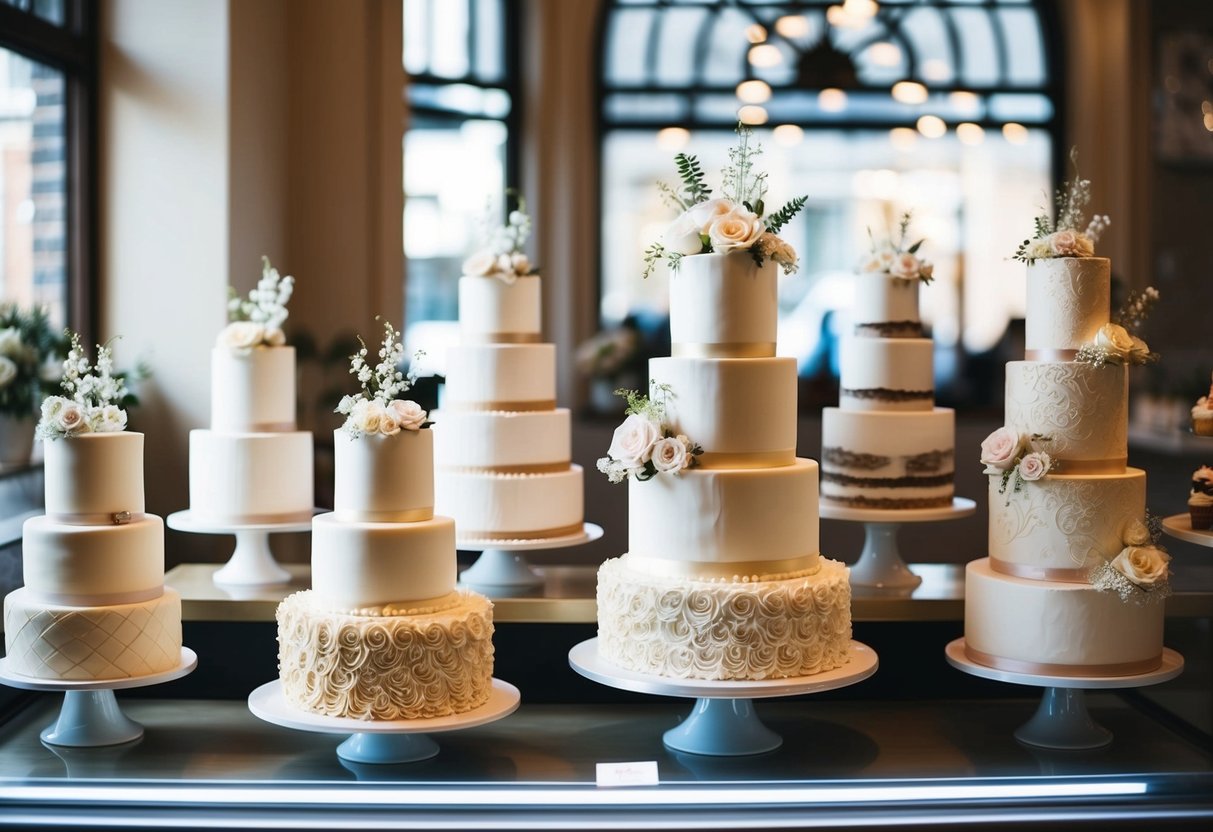
If you’re looking for something simple, basic cakes may cost between $1.50 and $4.50 per slice. However, if you want a more elaborate or designer cake, prices can rise to $9 to $15 per slice. This variety means there’s a wedding cake option that can fit both your style and your budget.
Understanding these costs will help you make informed decisions when choosing a cake. Some couples even spend over $1,000 for larger or more intricate cakes, especially in bigger cities. By knowing what to expect, you can ensure that your wedding cake is both beautiful and affordable.
Understanding Wedding Cake Costs
Wedding cake costs can vary greatly based on several important factors. You’ll need to consider the average price alongside elements that influence pricing, such as size, design, and ingredients. This understanding will help you plan your budget effectively.
Average Cost Breakdown
The average cost of a wedding cake is around $500 to $600. This price can change based on various details, such as the number of tiers and the complexity of the design. Cakes may start as low as $125 for simple options and can go up to $900 for elaborate creations.
You typically pay on a per-slice basis too. Expect costs to range from $2 to $12 per slice based on the ingredients and cake design. For larger weddings, the total price can become significant quickly, with many couples choosing tiered wedding cakes to accommodate more guests.
Factors Influencing Cake Pricing
Several factors affect wedding cake pricing. First, the size and tier count play a crucial role. Larger cakes require more ingredients and skilled labor, leading to higher costs.
Cake design also impacts pricing. Intricate decorations or custom designs increase expenses. Specialty ingredients, like fondant or unique flavors, can elevate the price as well.
Location is another factor. Bakeries in major cities may charge more than those in smaller towns. Consider these aspects when budgeting for your special cake to ensure you get the perfect match for your wedding day.
Choosing Your Perfect Wedding Cake
Selecting a wedding cake involves thoughtful choices about design, flavors, and types of frosting. Understanding your options will help you create a cake that not only looks beautiful but also tastes delicious.
Selecting a Cake Design
When picking a cake design, think about your wedding theme and personal style. You can choose from traditional tiered cakes or consider a small wedding cake for an intimate gathering. Look for inspiration in magazines or online.
Some popular designs include:
- Classic: Simple, elegant, with minimal decorations.
- Rustic: Often features natural elements, like flowers or wooden accents.
- Modern: Bold colors and geometric shapes can add a unique touch.
Don’t hesitate to ask your baker about specialty cakes, as they might offer designs tailored specifically to your wedding day vision.
Cake Tasting and Decision Making
Cake tasting is one of the most exciting parts of selecting your wedding cake. During this process, you’ll typically sample various flavors and frostings. Schedule an appointment with your baker, and make sure to sample a variety.
Common flavors include:
- Vanilla
- Chocolate
- Red Velvet
- Lemon
Pair these with different frostings, such as buttercream frosting or fondant, to see what suits your taste. Keep in mind that each cake’s flavor may change once decorated, so choose what you love the most!
Frosting and Flavor Options
Your choice of frosting can dramatically affect both taste and appearance. The two most common types are buttercream frosting and fondant.
- Buttercream Frosting: This is sweet, creamy, and easy to work with. It comes in various flavors, making it a favorite for many couples.
- Fondant: This provides a smooth finish and can be molded into various shapes. While it looks polished, some find it less flavorful than buttercream.
As for cake flavors, consider providing a few options for your guests. You might choose one flavor for each tier! Doing so will ensure everyone finds something they enjoy. Keep your personal favorites in mind, too!
Working with Your Wedding Cake Baker
When planning for your wedding cake, working closely with your baker is key. You’ll want to find the right match and understand the details of delivery and any extra costs involved.
Finding the Right Baker
Start your search for a wedding cake baker early. Ask for recommendations from friends, family, or wedding planners. Check online reviews to see what other couples have experienced.
When you meet potential bakers, bring ideas or pictures of styles you like. Ask about their specialties, flavors, and designs. Request a tasting to see which flavors you enjoy.
Don’t forget to discuss your budget. A good baker can suggest options that fit within your price range. Make sure to confirm their availability for your wedding date as well.
Delivery and Setup Considerations
Delivery is an important part of your cake plan. Discuss with your baker how they handle delivery and setup. Some bakers include this in their service, while others may charge extra for it.
You’ll want to know if they will set up the cake at your venue to ensure it looks perfect. Confirm where your cake will be displayed and if the baker needs assistance on-site.
Make sure to plan the delivery time carefully. Cakes need to arrive fresh and should be set up well before your guests arrive.
Understanding Additional Fees
Ask your baker about any additional fees that may apply. Some common costs include cutting fees, delivery charges, and setup fees.
Cutting fees can apply if your cake has to be sliced and served by the staff rather than by the caterer. It’s important to clarify these charges in advance to avoid surprises.
If you want a unique design or specialty flavors, such as gluten-free or vegan options, these may also come with additional costs. Make sure you understand all pricing details to stay within your budget.
Presentation and Serving
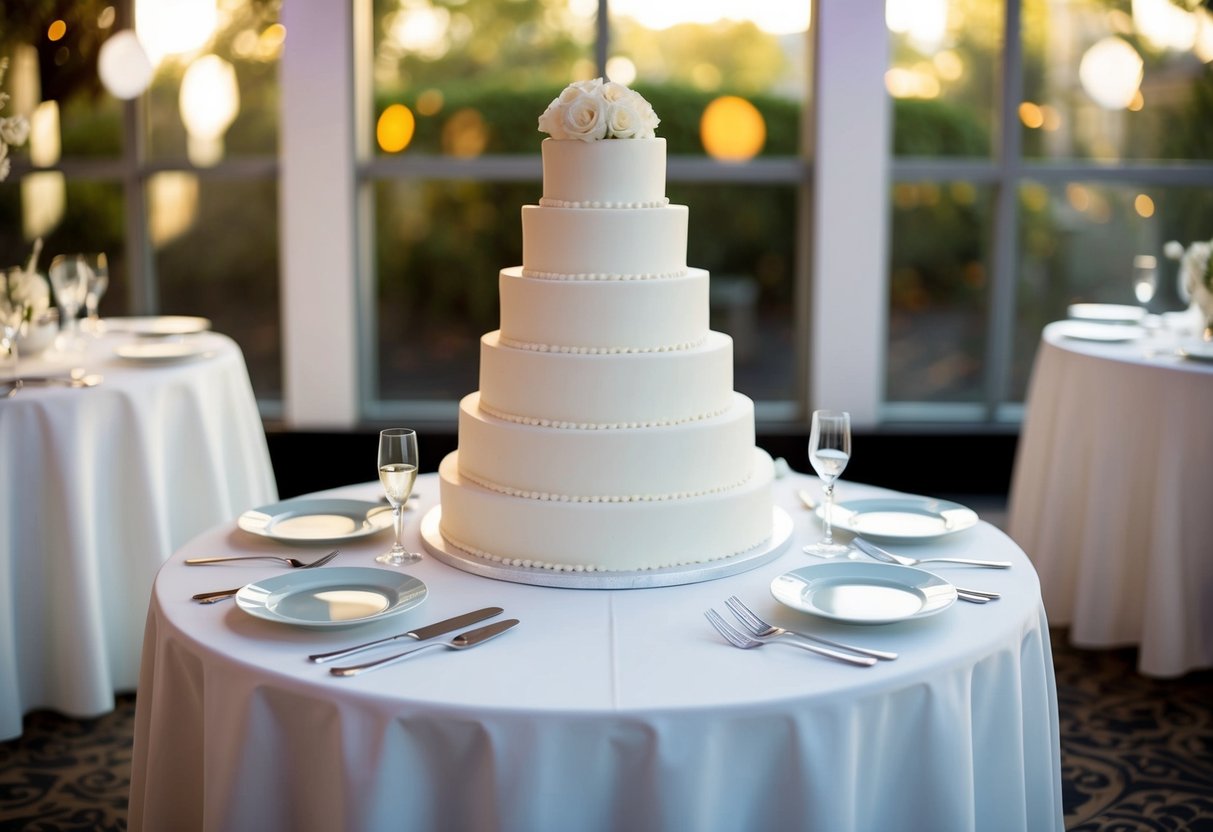
When planning your wedding cake, both presentation and serving size are key factors. A well-displayed cake enhances the overall look of your wedding. Additionally, planning for the correct number of slices ensures every guest enjoys a piece of cake.
Display and Décor
The way your wedding cake is displayed can make a big impact. Many couples choose a display cake—a smaller tiered cake that looks stunning but may not be the actual cake served. This cake can feature beautiful decorations, making it a fantastic centerpiece.
When thinking about décor, consider elements like the cake stand, flowers, and lighting. These details can highlight the cake’s frosting and layers, adding to its visual appeal. You can choose flavors and colors that fit your theme. Simple designs can cost less, while intricate designs with fondant and detailed piping may raise the price.
Serving Size and Guest Count
Getting the serving size right is essential for your celebration. A typical wedding cake slice is about 1 inch by 2 inches. To ensure everyone gets a piece, calculate how many slices you need based on your number of guests.
For example, if you have 100 guests, plan for at least that many slices. If you’re concerned about your budget, you can also serve smaller wedding cake slices or offer half servings. This approach allows more guests to enjoy a taste without overspending.
Make sure the cake’s design also accommodates easy serving, so your guests enjoy their cake without hassle.