
What Questions Does an Officiant Ask? Essential Insights for Couples
As you plan your wedding day, selecting the right officiant is crucial. The officiant plays a significant role in setting the tone for your wedding ceremony and ensuring everything goes smoothly. To help you prepare, it’s important to know what questions an officiant will ask you during the planning process.
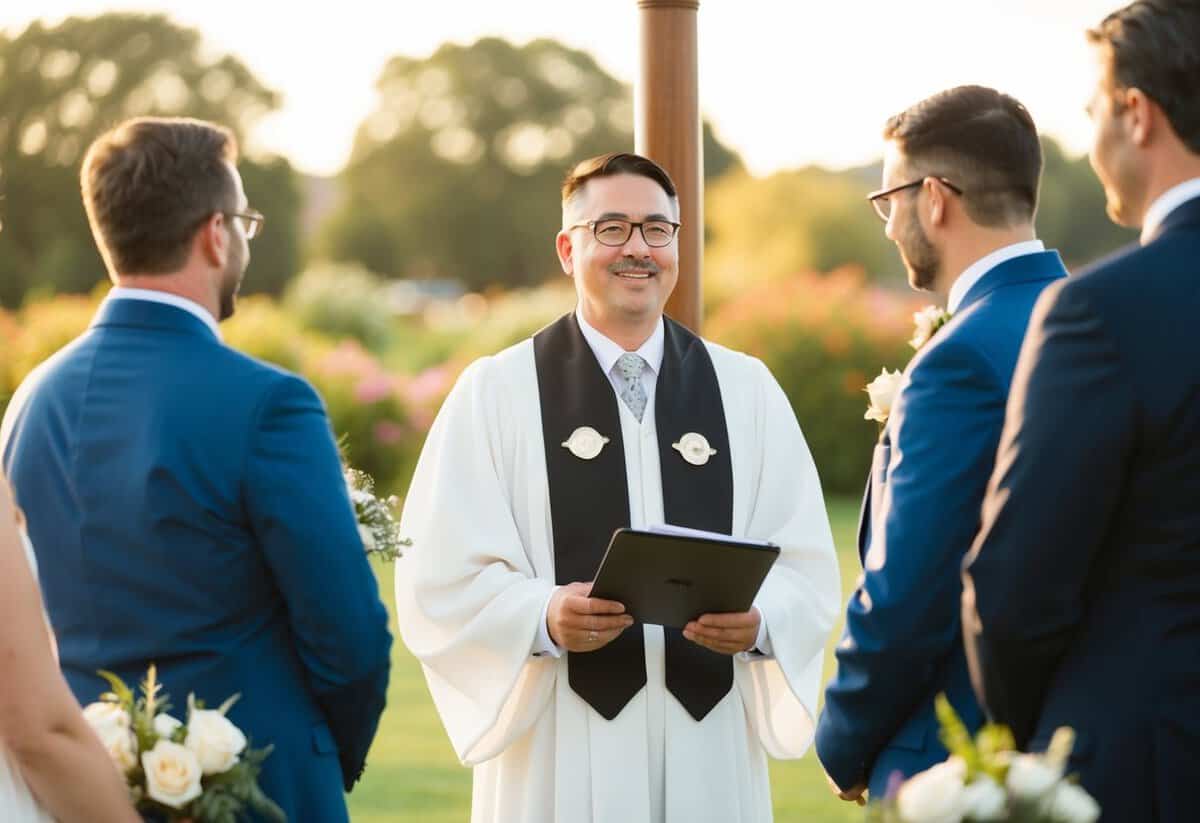
Whether you’re just starting to look for an officiant or have already chosen one, being prepared for these questions can ease your mind. Typical questions may include how you met, what style of ceremony you envision, and any special traditions or elements you want to include.
Understanding these questions can enhance your wedding planning experience and make your ceremony truly personal.
Having open conversations with your officiant can lead to a more meaningful ceremony. These discussions allow you to share your love story while ensuring that your officiant creates a ceremony that reflects your unique relationship.
Understanding the Role of the Wedding Officiant
A wedding officiant plays a vital role in your ceremony. They guide you through the process, ensuring that your day is memorable and meaningful. Their duties can vary based on the type of officiant and the specifics of your ceremony.
Duties and Responsibilities
Your officiant’s main duties include leading the ceremony and ensuring everything runs smoothly. They will help you create a personalized ceremony that reflects your love story.
This includes writing your vows and incorporating special traditions. Many officiants also handle the legal paperwork required for your marriage.
Some officiants may offer pre-marital counseling. This can help you connect more deeply as a couple before the big day.
Types of Officiants
There are various types of wedding officiants to choose from. Each brings something unique to your ceremony. It’s essential to find the right match for your vision.
Religious officiants often lead ceremonies based on specific faith traditions. They include priests, ministers, or rabbis.
Civil officiants, on the other hand, focus on a secular approach. They may be judges or other appointed individuals.
Professional officiants often specialize in creating customized ceremonies. They typically offer various packages that include ceremony planning assistance.
Choosing the right officiant is crucial for a successful wedding ceremony. Take the time to select someone who resonates with your values and style.
Preparing for the Ceremony
As you get ready for your wedding day, there are a few important details to consider. Understanding the essentials of your marriage license, planning a wedding rehearsal, and knowing the style and etiquette of the ceremony can help make everything go smoothly.
Marriage License Essentials
Before you can tie the knot, you need to obtain a marriage license. This document is often required by law, and its specifics can vary by location.
To get a marriage license, make sure to check your local government requirements. You may need to bring identification, such as a driver’s license or passport.
Key points to remember:
- Application Process: Some states allow online applications, while others require in-person visits.
- Waiting Period: Be aware of any waiting periods; some states issue the license immediately, while others require a few days.
- Expiration: Marriage licenses have expiration dates, so make sure to get yours close to your wedding date.
Wedding Rehearsal Overview
A wedding rehearsal is a great way to practice the ceremony with your wedding party. This typically takes place a day or two before the wedding.
During the rehearsal, you’ll run through the ceremony sequence, helping everyone know their roles. This includes who walks down the aisle and when to make certain moves.
Tips for a successful rehearsal:
- Schedule Ahead: Make sure everyone knows the date and time.
- Include Key Participants: Your officiant, wedding party, and any family members involved should attend.
- Dress the Part: Consider wearing similar shoes or outfits to what you’ll wear on the big day, as this can help everyone feel comfortable.
Ceremony Style and Etiquette
Your ceremony style sets the tone for your wedding. You can choose a religious ceremony, a non-religious ceremony, or a blend of both.
Each style has its own customs and traditions. For instance, religious ceremonies may include specific prayers, while non-religious ceremonies can focus on personal vows and unity ceremonies.
Important etiquette points:
- Prepare Vows: Think about whether you want to write your own vows or follow traditional ones.
- Respect Traditions: Be mindful of both families’ traditions and preferences, especially if you’re combining different cultural practices.
Key Questions for the Big Day
Before your wedding day, your officiant will ask essential questions to ensure a smooth and meaningful ceremony. These questions help tailor the service to fit your personalities and preferences, making the occasion special.
Personalizing Your Ceremony
To create a unique ceremony, your officiant may ask about your love story. Share how you met, significant milestones, and what love means to you. This helps weave personal touches into your vows.
You might also discuss any special rituals or traditions you want to include. For example, many couples choose a unity ritual, like lighting a candle or mixing sand, to symbolize their union. Think about what represents your relationship best.
Additionally, consider discussing the structure of the ceremony. Do you want it short and sweet or longer with readings? Your officiant will guide you through options.
Questions to Establish the Tone
Setting the right tone is crucial for your ceremony. Your officiant may ask about the atmosphere you envision. Do you prefer a formal or casual vibe? Discussing this ensures that the language and style during the ceremony match your desired feeling.
Also, think about the readings or music that resonate with you. If you have specific songs for the processional or recessional, share these preferences. Your choices can significantly impact the ceremony’s mood.
Don’t forget to talk about your wedding vows. Will you write your own or use traditional vows? This choice adds a personal touch and reflects your commitment.
Logistical Inquiries
Logistics are a vital part of planning. Your officiant will discuss the wedding date and confirm their availability. Make sure to book them early, as popular dates fill up quickly.
You’ll also want to go over the wedding location. Is it indoors or outdoors? Understanding the venue helps the officiant prepare accordingly.
Lastly, be clear about the timeline. Discuss when and where you want to meet on the wedding day. This ensures everything goes smoothly, allowing you to focus on enjoying your special day.