
What Should a Male Officiant Wear? A Guide to Stylish and Appropriate Attire
As a male officiant, choosing the right outfit for a wedding is essential to set the tone for the ceremony. Aim for a classic look that matches the couple’s style while ensuring you feel comfortable and confident. Whether the wedding is formal or casual, your attire should reflect the occasion and honor the significance of the day.
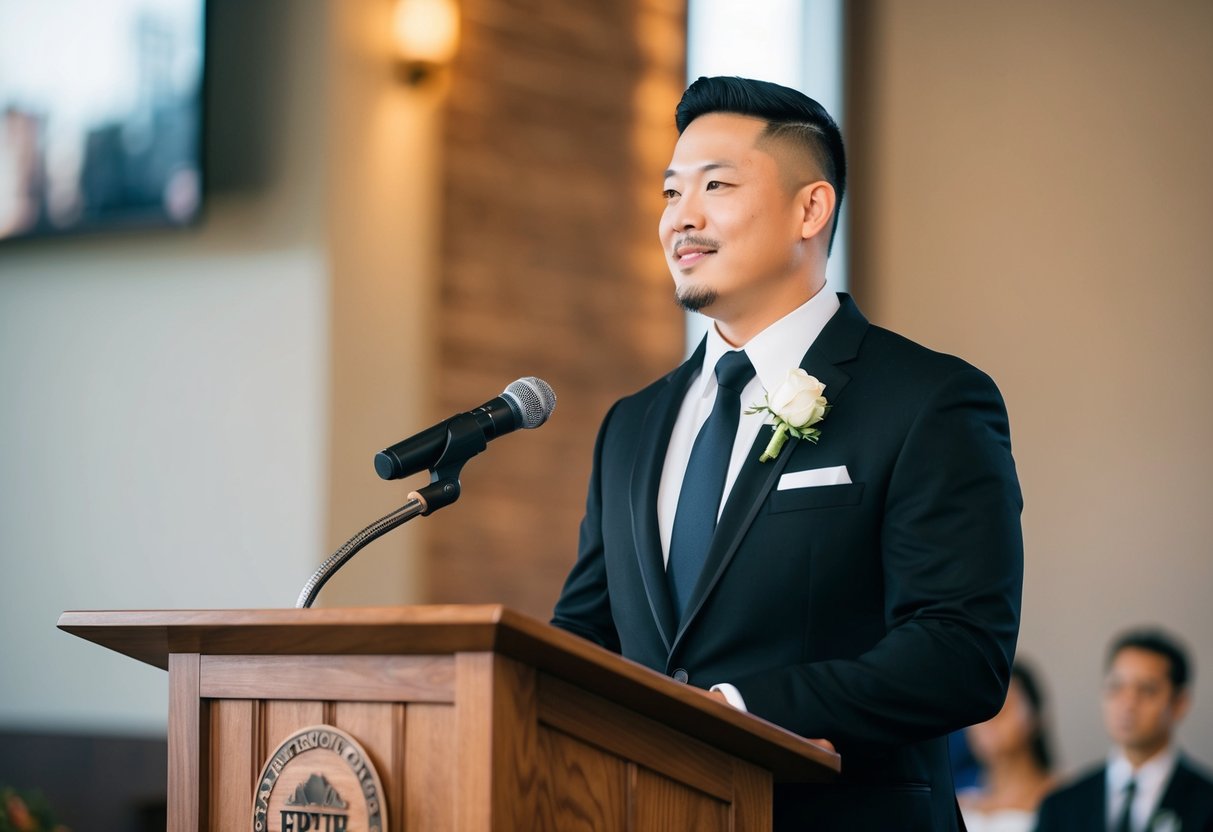
Think about the venue and the couple’s preferences when selecting your outfit. A tailored suit in navy, black, or gray is often a safe choice, complemented by a crisp white shirt and a tie. If the couple is opting for a more laid-back vibe, you might consider lighter fabrics or even dressy separates to fit in with the overall atmosphere.
Don’t forget to discuss wardrobe details with the couple during the planning stages. Understanding their vision will help you wear something that feels right for the event and shows your respect as their officiant. This collaboration can make a big difference in the wedding day experience for everyone involved.
Understanding Officiant Attire Basics
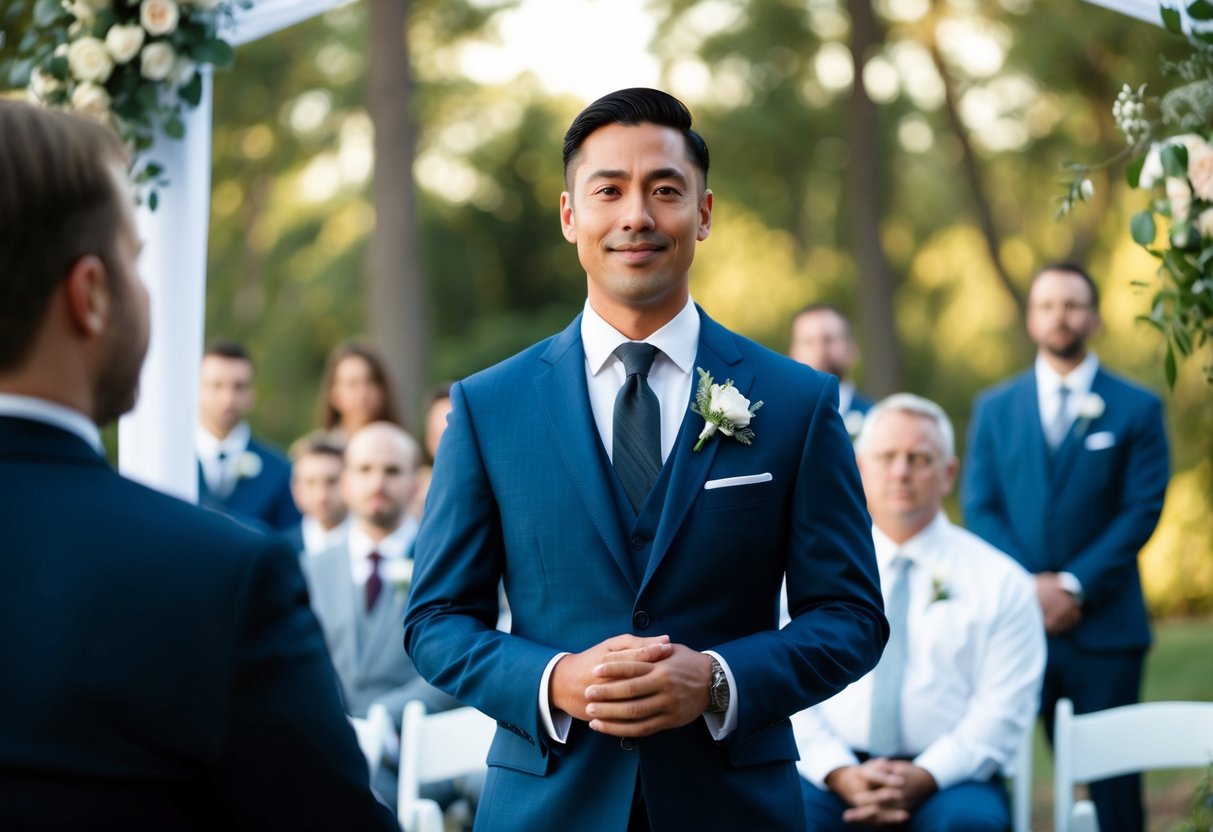
Choosing the right attire as a male officiant is important. Your outfit should reflect the significance of the wedding ceremony and set the right tone. Let’s explore the role of a wedding officiant and the importance of dressing properly.
The Role of a Wedding Officiant
As an officiant, you are central to the wedding ceremony. You guide the couple and their guests through a meaningful event. Your appearance plays a part in this experience. The attire you choose shows respect for the ceremony and the people involved.
Think about the style of the wedding. Is it formal or casual? You should match this tone. Wearing a suit or a nice dress shirt, along with slacks, helps you look professional. It shows that you take your role seriously and are committed to the couple’s special day.
The Significance of Proper Attire
Proper attire for a wedding officiant is essential. It helps create the right atmosphere for the event. Your clothing conveys professionalism and respect for the occasion.
Consider wearing classic colors, like black or navy, paired with a crisp white shirt. A tie can enhance your look, but ensure it fits the wedding’s vibe. For outdoor or less formal events, lighter colors are fine.
Dressing well also helps you feel more confident. When you look the part, it makes a difference in how you conduct the ceremony. You want the couple and guests to focus on the moment without concerns about your outfit.
Choosing the Right Outfit
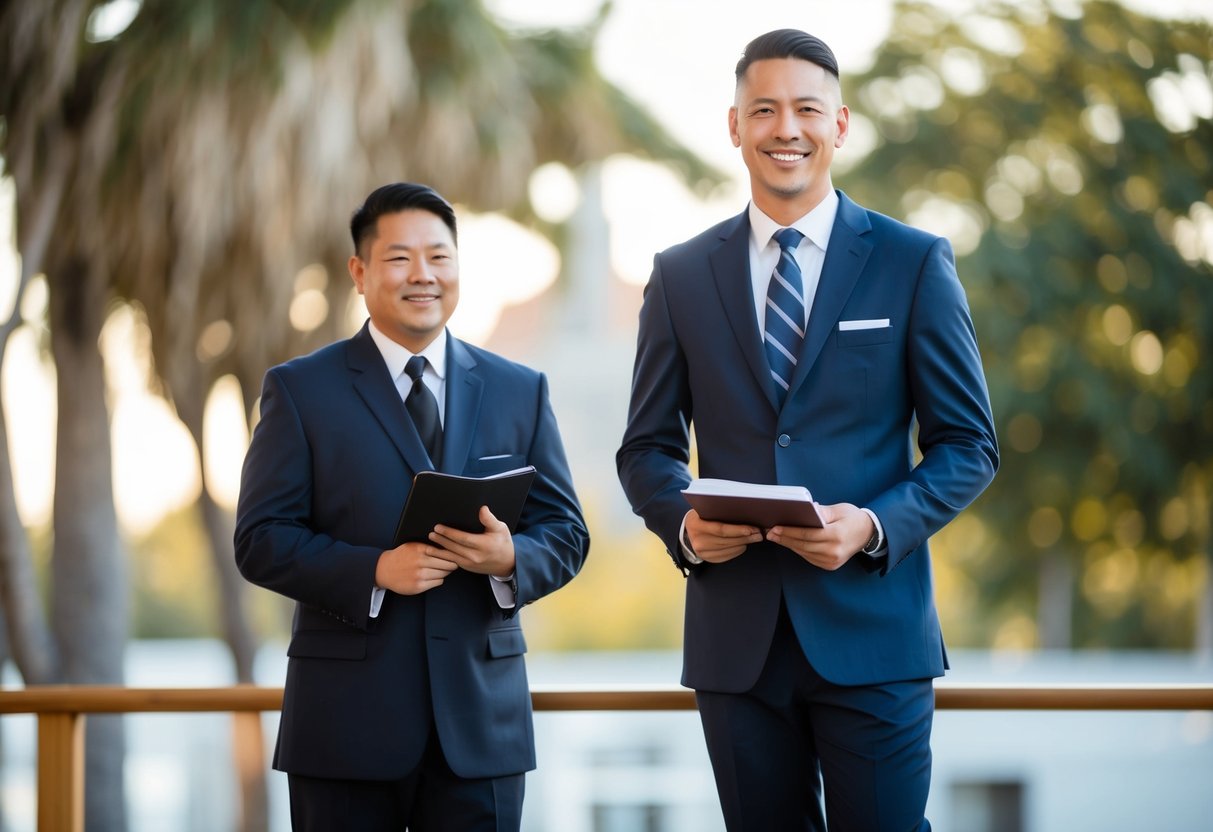
Selecting the right outfit as a male officiant is essential for setting the tone of the ceremony. Your attire should reflect the formality of the event and respect the couple’s wishes. Here’s how to choose an appropriate outfit based on different types of weddings.
Formal Attire for Traditional Ceremonies
For traditional ceremonies, a classic black suit is a timeless choice. Pair it with a crisp white dress shirt and a formal tie for a polished look. You can also opt for a navy suit, which offers a sophisticated yet modern feel while remaining respectful of the occasion. Make sure your shoes are dressy and polished, as they complete your outfit. Accessories like a pocket square or cufflinks can add a personal touch. Focus on a tailored fit to ensure you look smart and professional during the ceremony.
Semi-Formal and Casual Wedding Styles
If the couple opts for a semi-formal or casual style, you have more flexibility. A nice blazer with dress pants can work wonderfully. You can choose lighter colors or even a patterned shirt for a relaxed vibe. A pantsuit might also be fitting if you’re looking for something modern yet classy. When going casual, it’s still important to dress well, so avoid shorts or overly casual shirts. Remember, the goal is to look put-together while matching the couple’s style.
Considering Wedding Theme and Style
The wedding theme and style are vital in choosing your attire. If the wedding is themed, try to incorporate elements from that theme into your outfit. For instance, if it’s a beach wedding, light fabrics and pastel colors might be appropriate. Conversely, for a winter wedding, consider richer colors and heavier materials. Always discuss with the couple to align your look with their vision. Your outfit not only represents you but should also honor their special day, making a lasting impression on everyone present.
Color Coordination and Accessories
Choosing the right colors and accessories is essential for a male officiant. Your outfit should blend well with the wedding’s theme while respecting any fashion rules.
Selecting Suitable Colors
Start with solid colors. Neutral tones like navy blue, gray, or black work best. These colors convey a sense of professionalism and formality. Avoid bright or flashy colors that might distract from the couple.
If the event has a specific theme, consider matching your outfit to those colors. For example, if the wedding is more rustic, earthy tones can complement the ambiance.
Ultimately, remember the key wedding fashion rule: your outfit should enhance the couple’s day, not overshadow it. Focus on discreet shades that make you look polished.
Accessorizing the Officiant’s Look
Accessories can add a personal touch to your outfit. Keep them simple and elegant. A classic watch can enhance your look without being too flashy.
Consider using a tie or bow tie that complements your outfit. Solid colors or subtle patterns are best. Avoid anything too busy, as it may draw attention away from the ceremony.
Additionally, add a pocket square that matches your tie to create a cohesive look. The goal is to appear polished yet not overdone. Remember to coordinate your shoes with your outfit for a complete appearance.
Final Preparations and Considerations
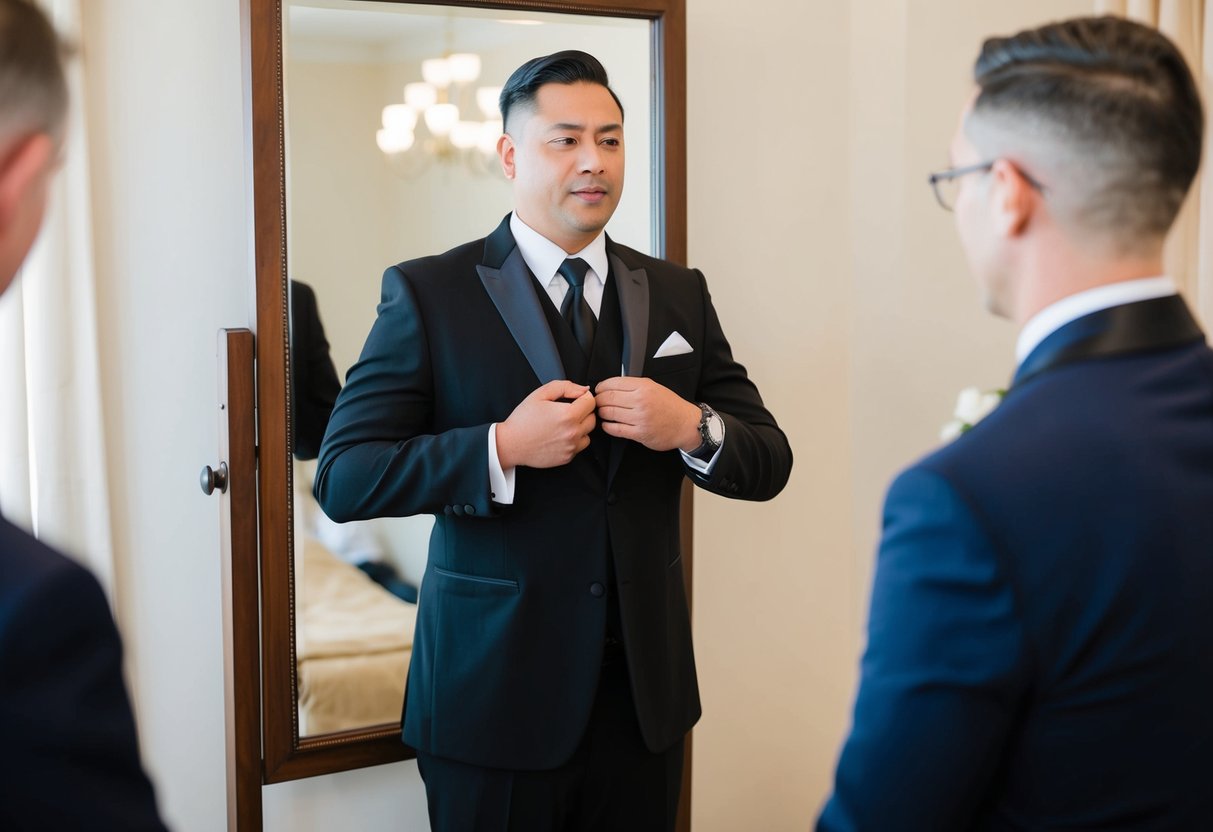
As the wedding day approaches, it’s vital to honor both the couple’s wishes and any religious or cultural dress codes. Being prepared will help ensure a seamless experience during the ceremony and contribute to memorable wedding photographs.
Religious and Cultural Dress Codes
When officiating a wedding, it’s essential to respect the couple’s religious or cultural traditions. Different faiths have specific attire guidelines. For example, a male officiant at a Hindu wedding might wear a traditional sherwani. In contrast, a Buddhist ceremony could call for saffron or maroon robes.
Consider discussing attire with the couple or their wedding planner. This conversation ensures everyone is on the same page and helps you show respect for the ceremony’s significance. Be mindful of elements like color and style that may hold special meaning.
Last-Minute Tips for the Wedding Day
On the wedding day, you must be ready for various scenarios. Check the weather and adjust your attire accordingly, especially if the ceremony is outdoors.
Also, bring an emergency kit with essentials like safety pins, stain remover, and a lint roller.
It’s also wise to plan your travel route and arrive early to familiarize yourself with the venue. This approach allows you to review the ceremony script and practice the wedding processional order.
Being prepared can reduce stress and help you focus on delivering a heartfelt ceremony. Remember, your presence adds to the couple’s special day.