
What Should Officiant Say After Vows? Essential Tips for a Memorable Ceremony
As you plan your wedding day, there are many details to consider, especially when it comes to the ceremony. One key moment is after you and your partner exchange vows. After the vows, the officiant typically guides the ceremony by introducing the ring exchange and declares you both as a married couple.
This moment is both significant and emotional, marking the transition from commitment to celebration.
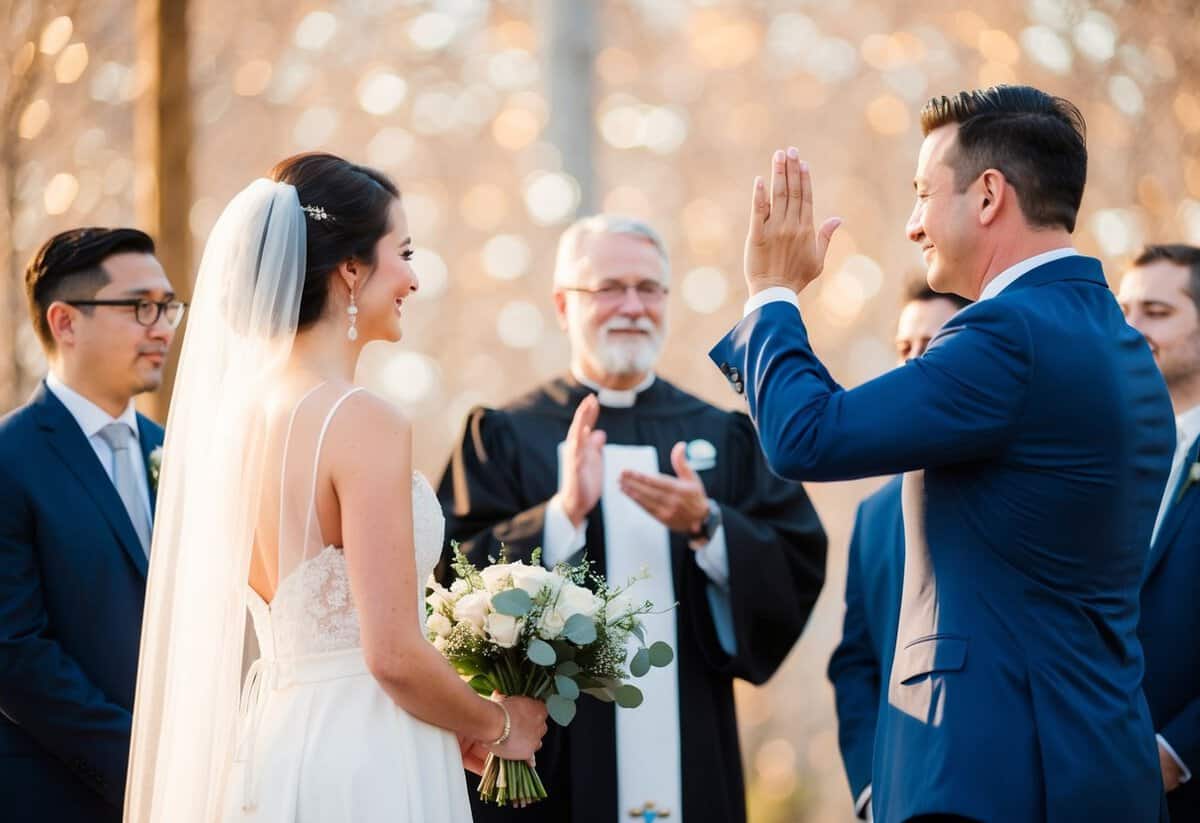
Understanding what your officiant will say can help you feel more prepared and at ease during the ceremony. You want everything to flow smoothly, and knowing these key phrases can enhance the emotional impact of your wedding. With the right words, your wedding officiant will help create a memorable experience for you and your guests.
In this article, you’ll discover common phrases and important steps the officiant will take after the vows, ensuring that your wedding ceremony is as beautiful as you imagined. Knowing what to expect can make your wedding planning a little easier and your day even more special.
Preparing for the Ceremony
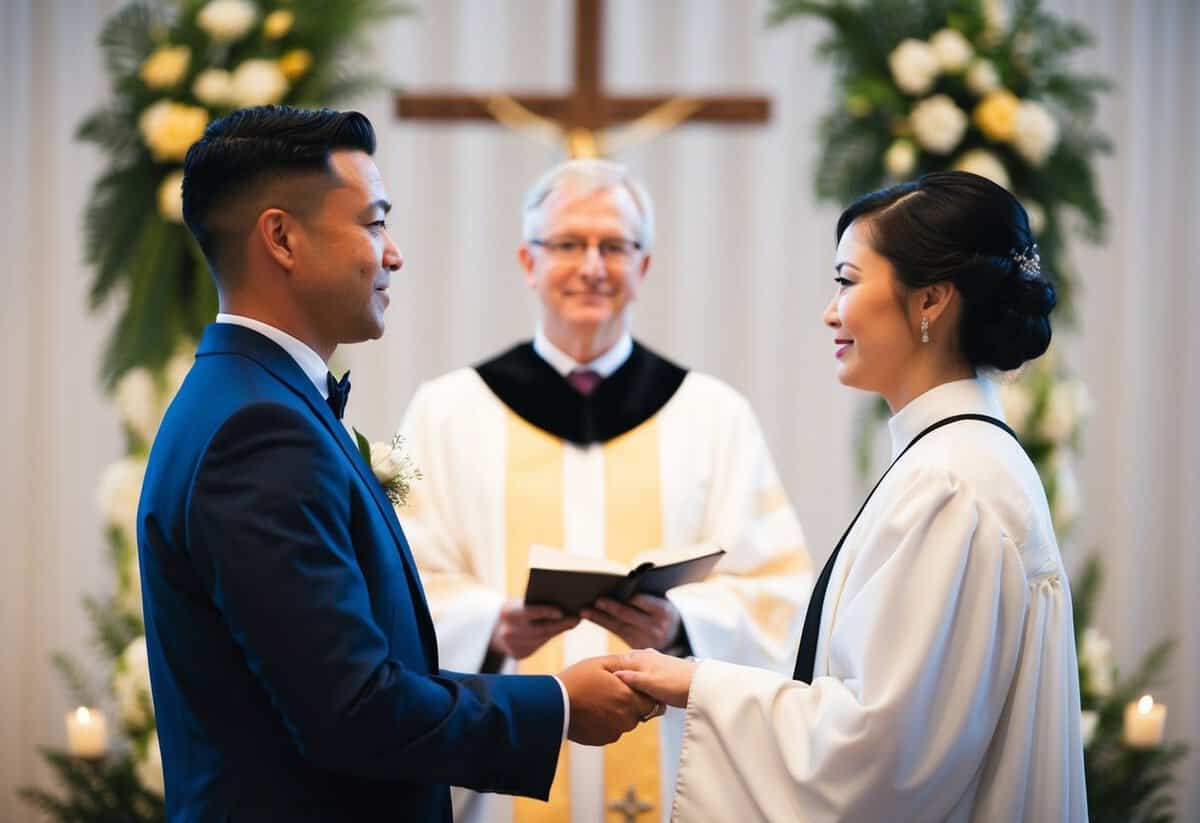
Before the ceremony, it’s important to understand the key elements that make it successful.
Preparation involves knowing the flow of events, understanding your role as the officiant, and drafting a meaningful speech.
Understanding the Flow of the Ceremony
A wedding ceremony typically follows a clear structure. This includes the processional, welcome, readings, vows, ring exchange, and closing remarks. Each part serves a purpose and sets the right tone for the event.
As the officiant, you lead these segments. Knowing when to invite the wedding party and guests to stand or sit is key.
Familiarize yourself with the couple’s preferred script, whether it’s a traditional or secular ceremony. This keeps the ceremony smooth and engaging for everyone.
Role of the Officiant in a Wedding
As the officiant, your primary role is to guide the couple and guests through the ceremony. You are not just responsible for the script; you are the voice that connects everyone present.
Your presence helps to create a warm atmosphere. Ensure you dress appropriately and reflect the couple’s style.
Take time to meet with the couple before the rehearsal. Discuss their wishes, and what parts of the ceremony are most important to them.
Drafting the Officiant Speech
Writing your officiant speech is crucial. Start with a welcoming introduction to make everyone feel comfortable.
The speech should include personal anecdotes, and reflections, and touch on the couple’s love story.
Make sure you adhere to the couple’s chosen format. A wedding ceremony script will include the vows, ring exchange, and any unique rituals.
Practicing your speech will build confidence and help you deliver it smoothly during the ceremony.
Conducting the Vows Exchange
The vows exchange is a meaningful part of your wedding ceremony. It includes the declaration of intent, guidance for personal vow writing, and the actual facilitation of the vows. Each of these steps plays a crucial role in making this moment memorable.
The Declaration of Intent
The declaration of intent is often the first step in the vows exchange. This is when the officiant asks both partners to affirm their commitment to one another.
Typically, the officiant may say something like, “Do you, [Partner A], take [Partner B] to be your lawfully wedded spouse?” This ensures that both of you clearly express your intentions.
This moment sets a serious tone and helps emphasize the importance of the vows to follow. It connects you to each other and to everyone present, making it an essential step in the ceremony.
Guidance for Personal Vow Writing
Many couples choose to write their own vows. This is a wonderful way to express your unique feelings and promises. If you opt for this, be sure to plan ahead.
Consider key points that represent your relationship. You might start with a personal story or a shared memory.
Aim for something heartfelt yet concise, as vows should be meaningful but not overly lengthy.
Your officiant can provide guidance by encouraging you to keep your vows between one to two minutes long. This ensures your words resonate without dragging on.
Facilitating Vows Exchange
Once both partners are ready, the officiant will facilitate the vows exchange. During this part, you’ll verbally share your vows with each other, creating a special connection.
The officiant may prompt you with phrases like, “Please repeat after me” to guide you through your vows. If you’ve prepared personal vows, speak them clearly and with sincerity.
It’s important to maintain eye contact and connect emotionally during this exchange. This is your moment to shine and share your love in front of your guests, making it truly unforgettable.
Post-Vows Proceedings
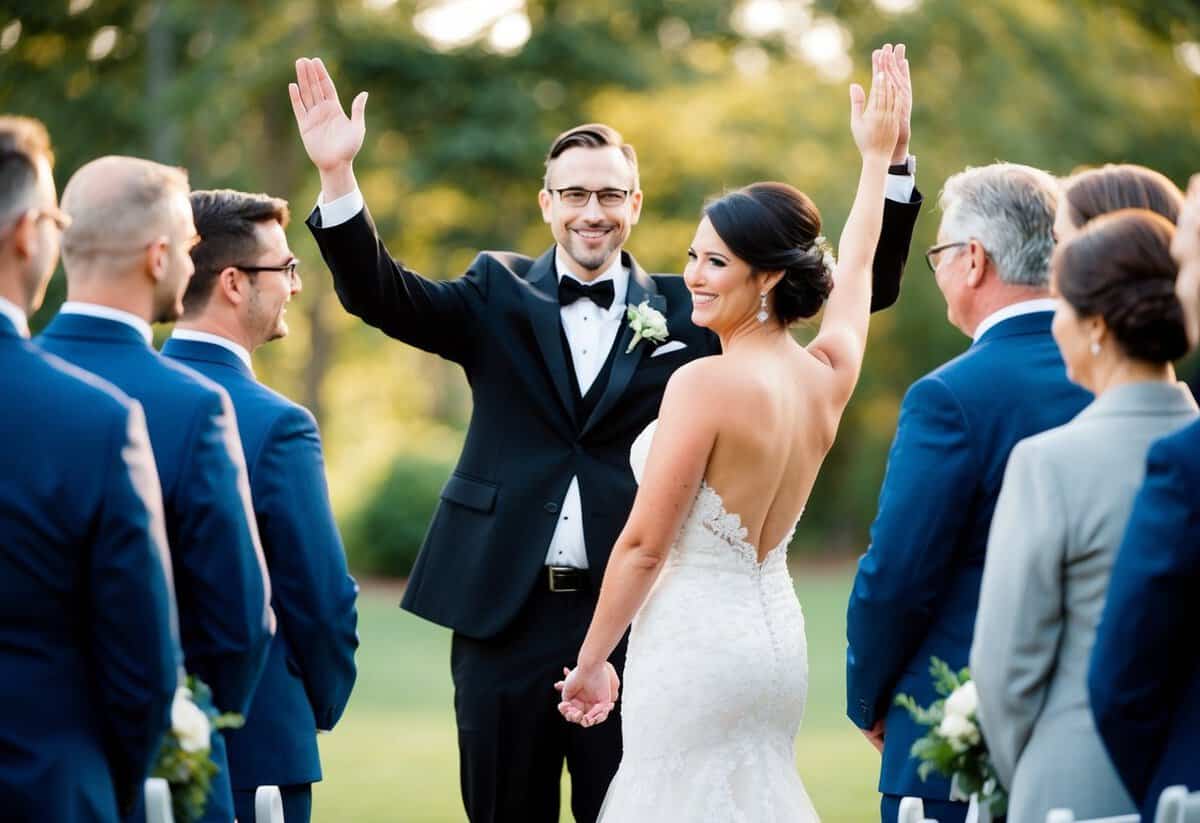
After the vows have been exchanged, several important moments shape your wedding ceremony. This part includes the ring exchange, any unique traditions you might want to incorporate, and the officiant’s concluding remarks.
The Ring Exchange Segment
The ring exchange is often a highlight of the ceremony. After you both say your vows, the officiant will guide you through this part.
They might say something like, “Now, as a symbol of your commitment, you will exchange rings.”
During this segment, you place the rings on each other’s fingers. This act shows your love and devotion.
Rings symbolize the unending nature of love, making this a powerful moment.
You can also personalize what you say during the ring exchange. Some couples choose to share a brief promise or sentiment, making it special.
Great examples can be found in various sample wedding ceremony scripts to inspire you.
Incorporating Unique Traditions
Your ceremony can include unique traditions that reflect your relationship. This might be a unity ceremony, such as a sand ceremony or candle lighting.
Such traditions add a personal touch and deepen the meaning of your vows.
The officiant can introduce these elements smoothly after the vows. They might explain the significance of the tradition you choose.
Whether it’s a cultural practice or something funny to lighten the mood, this is your chance to show your personality.
Make sure that any special rituals resonate with both of you. Whether it’s sentimental or humorous, it can make your ceremony memorable for everyone involved.
Concluding Remarks and Pronouncement
After the ring exchange and any unique customs, the officiant will begin to wrap things up. They usually say something like, “With the exchange of vows and rings, you are now married.”
This is the moment when you officially become partners for life. The officiant may add a few personal remarks or share a light-hearted story about you both. This creates a warm atmosphere for your guests.
Following these remarks, they will invite you to share your first kiss as a married couple. This moment is often celebrated with cheers and applause from your loved ones, marking the joyful conclusion of the ceremony.